The Australian Federal Government have announced this week that they’ll be pushing to “apply an R18+ rating to all video games that contain simulated gambling”, a move that appears to be the strictest of its type we’ve seen.
While Belgium’s infamous Loot Box laws have made headlines repeatedly after passing a few years ago, this new Australian proposal takes a slightly different approach, and will tackle all forms of gambling in video games, not just “surprise mechanics”.
Asthe ABC report, Communications Minister Michelle Rowland is asking the country’s states and territories to sign off on the plan, which would see any game with “simulated gambling” hit with an adults-only rating. That means anything with simulated actual gambling, so stuff like digital slot machines.
While that would affect some mainstream titles, the wider impact would be felt by any game still using loot boxes, since the proposed laws “also seek to change classification rules to require all games with paid loot boxes — where players can purchase a box with a randomised in-game item inside — to carry at least a ‘mature’ M-rating.”
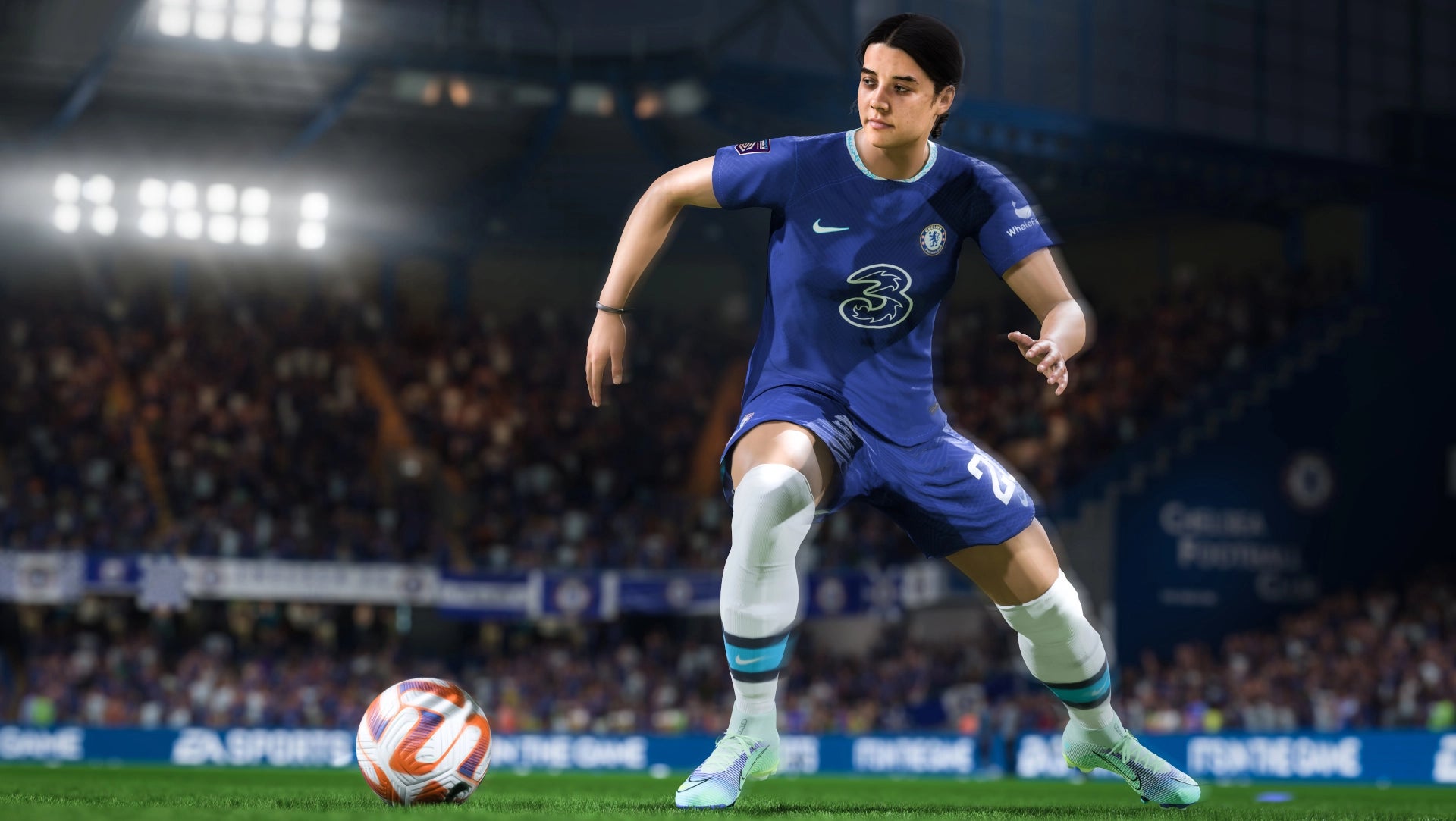
If these proposals became law, that would mean that some of the most successful retail video games on the planet, like EA’s FIFA series, would see their ratings jump from “G” (for general audiences) to “M” for “Mature”. Note that in Australia “M” means something is recommended for people over 15, meaning it won’t legally keep games out of the hands of kids, while the stricter “MA15+” rating legally restricts the sale of products to those over the age of 15.
“There is growing community concern around the harms of simulated gambling,” Rowland says. “A parent, for example, would expect that if their children had purchased and was playing a game, and that game contained some simulated gambling, that they have a right to know about that.”
They do! And this is a positive start. It’s of course not perfect, and can’t hope to impact some of the worst offenders—online spaces like Roblox are notorious for this—but it’s a start. Of course what this would mean for sporting cards and Kinder Surprises, both of which are also based on the same principles, is a debate for another day.