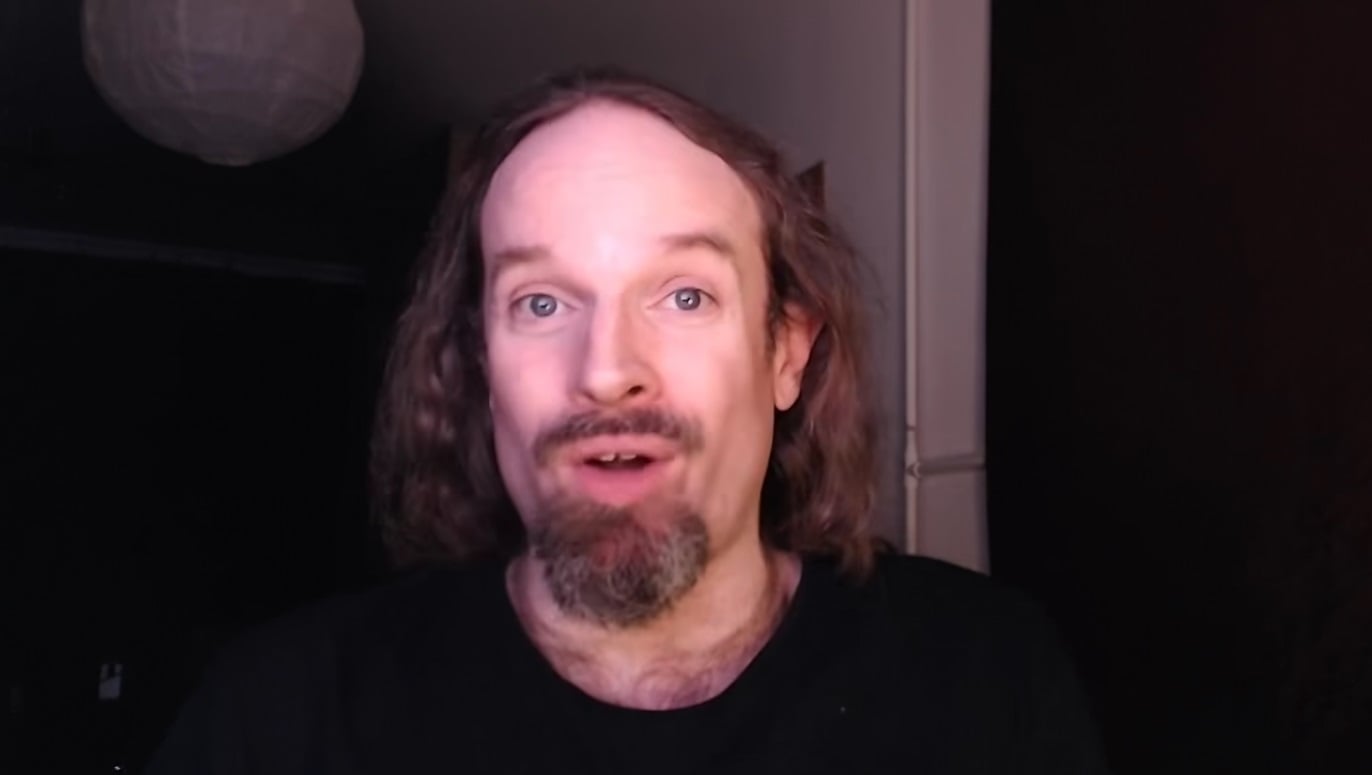
In a recently released video, the consumer advocacy group Stop Killing Games and its creator, YouTuber Ross Scott, have expressed concern with the European Union’s recently proposed EU Kids Act, which Scott has referred to as a “bomb that could implode the whole video games industry.”
The EU Kids Act was officially proposed on September 17, 2026. According to the outline provided for the EU Kids Act on the official European Commission website, the proposal in question primarily “seeks to protect minors from risky digital services and AI systems, uphold the digital single market and maintain a coherent regulatory framework and enforcement structure for the protection of minors online.”
However, Stop Killing Games’ Ross Scott stated in a new video that the EU Kids Act is using the ever-looming threat of AI and the protection of “minors from risky digital services” as a “cover” for its true aims, referring to these things as a “mask to hide what else is in there.”
“Curbing social media and AI has nothing to do with why this is such a horrible law proposal,” stated Scott. “As it stands, the EU Kids Act is the most draconian proposal I’ve ever seen regarding video games and consumers.” Among Scott’s chief concerns is that the proposal will “require your personal identifying information to play an online video game” and “make all private game servers illegal.”
While Scott’s comments were initially based on a leaked version of the EU Kids Act proposal, the segments from it featured in his video do line up exactly with the official version of the proposal that has since been published on the European Commission website. Said proposal is indeed quite broad in its application, as it states that it “sets out clear safety by design requirements for online social networking services, video-sharing platform services, online games, AI companions and general conversational chatbots, and software application stores.”
It’s important to bear in mind that the proposal is a 99-page document, and there’s a lot of legalese to contend with. That being said, the main section in question where video games are concerned is Chapter III, titled “Safety By Design.” But, as Scott explains, there’s a confusing wrinkle in this proposal that has to be tackled before we even get to that: how does the EU Kids Act define a “video game”?
According to the “definitions” section of the proposal, a “video game” is “an information society service.” The use of the term “information society service” here is quite specific, as the EU GDPR defines it as “any service normally provided for remuneration, at a distance, by electronic means and at the individual request of a recipient of services.” In simpler terms, an “information society service” is something that can be purchased online.
All hands on deck! This is the biggest threat to Stop Killing Games yet!
The EU #KidsAct could end #StopKillingGames by collapsing the EU gaming market and making private and community servers illegal!:https://t.co/X4vfKUQVBN
"The best thing you can do is spread the word…The…
— Stop Killing Games Official (@StopKilingGames) September 30, 2026
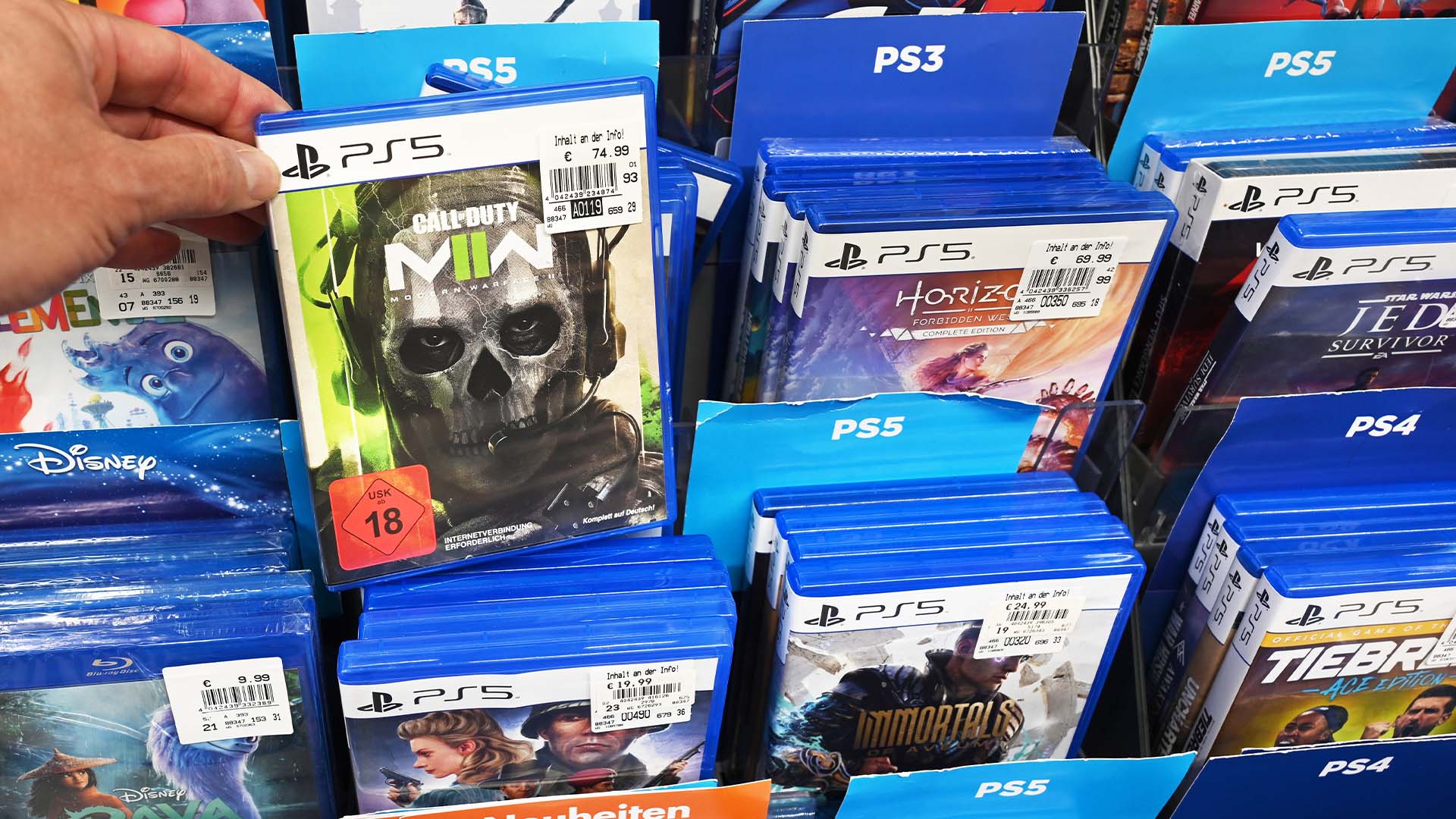
So, does this apply to digitally purchased games that have no online features? Scott argues that said definition “is as clear as mud,” which is why Stop Killing Games is concerned that the EU Kids Act’s age verification requirements can be broadly applied to any game purchased through a digital storefront. Obviously, this is an extremely pertinent concern considering that Steam is a purely digital storefront, and Sony is ending disc production for all new PlayStation games in 2028.
Of course, the EU Kids Act is in no way final. It is, quite literally, a proposal, which means it’s still in the earliest stage of the European Union’s legislative process. Before it even reaches both the European Parliament’s and the EU Council’s voting stages, it will be reviewed and, most likely, amended.
And, as Scott stated in his conclusion, that’s exactly why Stop Killing Games believes that tackling the EU Kids Act now is a priority: “The best thing you can do is spread the word on this. The people who write this crap do not like it when the public at large knows what they’re trying to do to you. If everyone in gaming understood what the EU Kids Act is trying to do, it wouldn’t have a chance of passing. So, let’s let people know!”