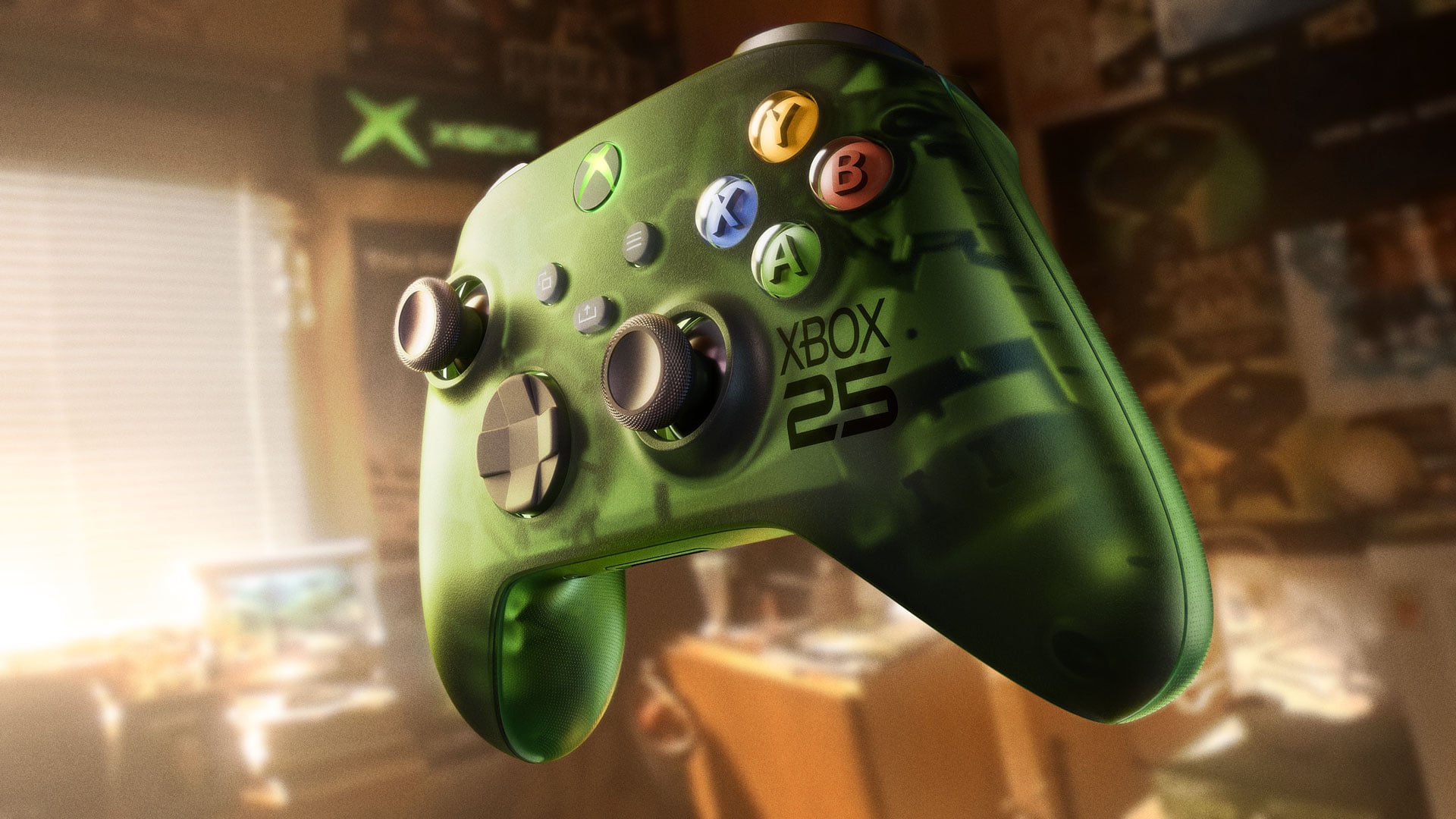
The differences between video game consoles have been fading for years. Performance is generally in the same ballpark. Prices are often comparable. The only real question when a new console owner walks into a GameStop anymore is “Do you want to play God of War or Halo?” That changed when Microsoft shifted away from exclusives in a bid to sell more games. The platform has been facing an existential crisis ever since.
Xbox’s recently appointed analyst-turned-chief strategist, Matthew Ball, articulated this challenge on stage earlier this week in a live interview with The Game Business at Summer Game Fest 2026. “For the last while, it has become difficult to articulate why you should pick an Xbox console,” he said. “Players have told us that. I think everyone in the audience understood that exclusives are an important way to do that. We as a company—and this is why you have seen such a quick shift to exclusives and again why it was important for us to do two titles, not just one—is we need to ask people to spend a lot of money today to become an Xbox player.”
He continued:
That is a real ask. It’s expensive. It comes at the exclusion of other things and that includes not just our competitors’ platforms but other things in their life. We have an obligation to work harder and more clearly. That’s the marketing and the clarity that we’re going to come to explain why you should be an Xbox player. Separate from that fact, and this is really important to me, is yes, a $650 device is a lot.
We also have tens of millions of people who we asked to spend $500, which is still an incredible sum of money. Those people that we asked to buy a console years ago, we still have an obligation to them to meet their expectations and to have them feel rewarded for which platform they chose. Many of them play across multiple platforms and that’s awesome. But whether or not they do or don’t, we have to do well by them. That’s where we’re starting.
This is the elephant in the room that Xbox has been dealing with ever since it was first announced that Sea of Thieves would come to PlayStation 5. We’ve now seen Forza Horizon and even the original Gears of War follow suit. Starfield, the big Bethesda RPG that was supposed to be one of the reasons to own an Xbox Series X/S this console generation, arrived on Sony’s platform earlier this year as well. More people having access to more games is a good thing in general, but it isn’t helping the Xbox fan who bought in at launch and sacrificed the opportunity to play Spider-Man 2 and Ghost of Yotei in the process.
Xbox’s messaging pivot over the last few months, away from “everything is an Xbox” and toward “the return of Xbox,” is an admission of that fact. Whether a couple of exclusive games a year will ultimately bridge that gap and increase the console’s leverage as a platform is much less clear. Competing in a platform war requires a lot of investment, but Microsoft is now preparing for a fresh wave of mass layoffs to address shrinking profit margins. While new Xbox leadership touts major shifts, everything so far feels like we could be back in the middle of 2023.
Ball, originally known for his pessimistic charts about the gaming industry’s stalled growth, now says he’s optimistic about the potential for an Xbox turnaround. “When I sat down with Asha for the first time, she asked me, not from a point of skepticism, but I think it was an important way to do it, she said, ‘Is it fixable?'” Ball said.
He continued:
She was not talking about the business. That’s part of it. She was talking about this specific business which I’m now helping her run, which is Xbox. Is it fixable? I’ll start there. I am an optimist. I told her, I remember the language, I’m a strategic optimist. I think it is incredibly defeatist to think that there’s any scenario that you can’t do better, that you can’t improve. How hard is it? Different question. What’s it going to take? Different question. How long is it going to take? Those are all different questions.
But I am a strategic optimist. I joined because I believed I could contribute to that. I joined because what she told me she wanted to achieve I believed was right and achievable. And then I had conversations with [Microsoft CEO Satya Nadella] and others at the company to validate where do you want to go? When do you want to go? How are we going to do this? Do you think we can do this? Do you want us to do that? All of that bolstered my confidence from the original disposition of strategic optimism. If we can turn this company around and grow it, do better by our players, and we need to do that—and we languished for several years—then the rest of the industry can in aggregate too.
That’s a lot of questions and one big if.