Sony has already laid its cards on the table: new game discs won’t be a part of the PlayStation 6 console generation. The move has infuriated some of gaming’s most diehard fans, but also left an opening for Xbox to take a different path forward. Will Project Helix have a disc drive? For now, Xbox CEO Asha Sharma isn’t saying.
She declined to answer when the BBC asked if Microsoft’s next-gen hardware will continue supporting game discs. “This next generation, we have to be thinking about efficiency and affordability alongside performance,” Sharma said instead. She added later, “Our job as Xbox, as we continue on in our next generation, is to take into consideration what’s happening in the world and build the best experience for our players.”
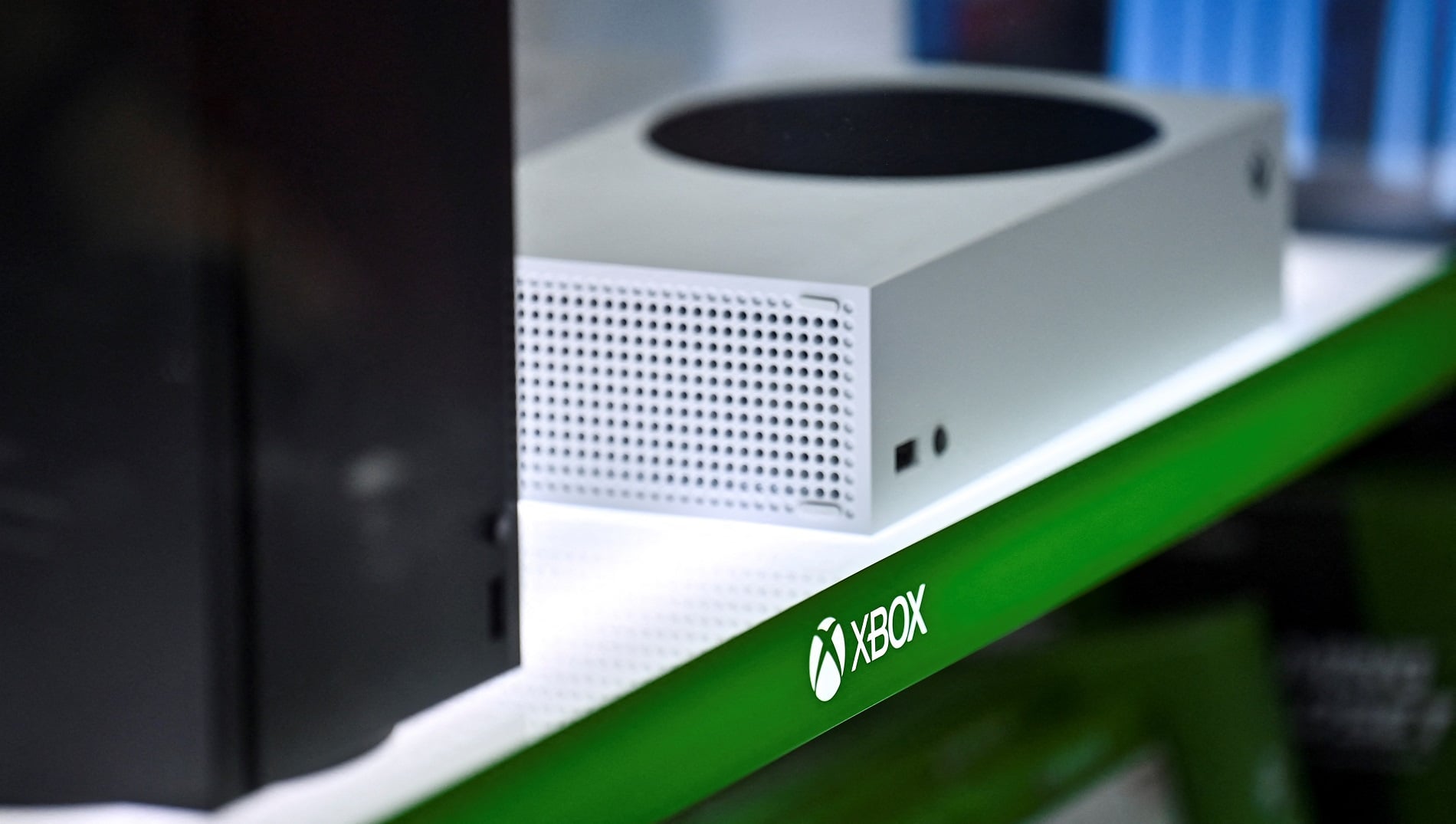
All signs point to Microsoft following Sony’s lead when it comes to ditching discs when new hardware arrives. Xbox basically already has. While the current Xbox Series X has a disc version, the more popular Series S does not. And data research firm Circana reported that Xbox games made up just 4 percent of all revenue from new physical game sales in the U.S. so far in 2026.
But Microsoft has found a way to get a shot in at Sony when PlayStation’s public image is reeling from a series of unpopular moves. Xbox revealed a new program to turn physical games into digital game licenses during a segment on its Gamescom livestream today that began with the host mentioning, “There has been a lot of discussion lately around ownership and rights to the games that you buy.” Jason Ronald, Xbox’s head of next-gen, responded, “Even as technology changes and formats change, your library shouldn’t,” a sentiment clearly aimed at people frustrated over what’s happening with PS6.
“I know players love physical media, and I know there’s a lot of benefits in digital media, and I want to make sure people have a choice,” Sharma told the BBC. She added, “We’ve long pioneered backwards compatibility and so you’ll continue to see that as we go forward in the generations.”
It’s a good alternative for a company that might be considering ditching disc drives in the next hardware generation as well. They add cost, and Microsoft, like Sony, is likely racing to find ways to keep an upcoming console from being $1,000 or more. That’s because of a spike in memory and storage costs due in large part to companies like Microsoft itself racing to own the future of AI. “AI is fundamentally changing a lot of things,” Sharma reportedly said when asked about Microsoft’s role in potentially making Microsoft’s next gaming console unaffordable.