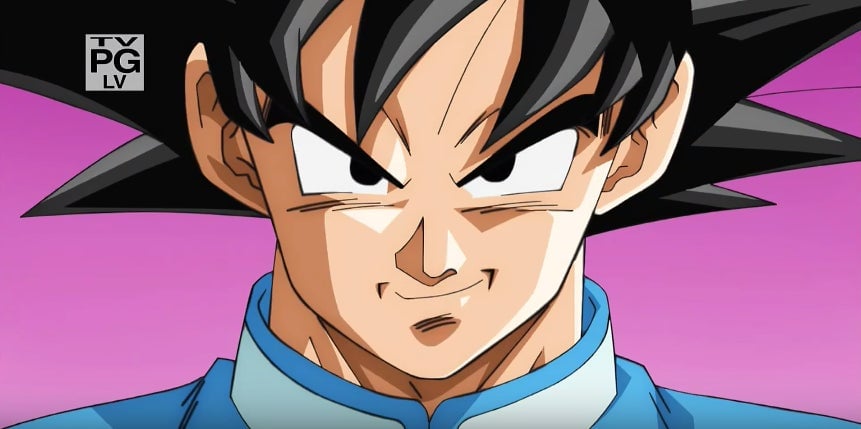
The original Japanese versions of the Dragon Ball Super fight scenes are quick and relentless. However, on Toonami, they were edited and slowed down with dropped frames.
Warning: This article contains footage that might be harmful to those with motion sensitivity or those prone to seizures.
Dragon Ball Super began airing on Adult Swim since 2017. It currently airs in the Toonami programming block.
As pointed out by website Toonami Faithful, Twitter user Terez27 compared the Japanese versions with the Toonami broadcast:
Here's a short demonstration of the continuing framerate problems in the Toonami broadcast and the Adult Swim stream. These are the only legal ways to watch the dub until this episode (113) comes out for digital purchase. Currently digital seasons are only up to 104. pic.twitter.com/YzZo85zody
— Terez (@Terez27) June 2, 2019
Via My Game News Flash, here is another comparison:
The original untouched scene: pic.twitter.com/ESpqdAGipd
— Ajay (@AnimeAjay) June 7, 2019
It’s interesting to see how Toonami’s motion-sensitivity edit stacks up with Fuji TV’s.
Toonami's motion sensitivity edit: pic.twitter.com/mIxnW7fArW
— Ajay (@AnimeAjay) June 7, 2019
Toonami’s Jason DeMarco explained the discrepancy on Twitter and the reason why the scenes were edited for broadcast.
https://twitter.com/embed/status/1136995836410441728
https://twitter.com/embed/status/1136995839992389640
https://twitter.com/embed/status/1137010329198694400
https://twitter.com/embed/status/1136995842634735616
DeMarco is referring to the “Pokémon Shock” incident in Japan which resulted in 685 kids rushed to the hospital when the “Electric Soldier Porygon” episode aired on December 16, 1997.