Tencent stock fell as much as 11 percent today after a Chinese economic paper blasted gaming, referring to it as “spiritual opium” and “electronic drugs.”
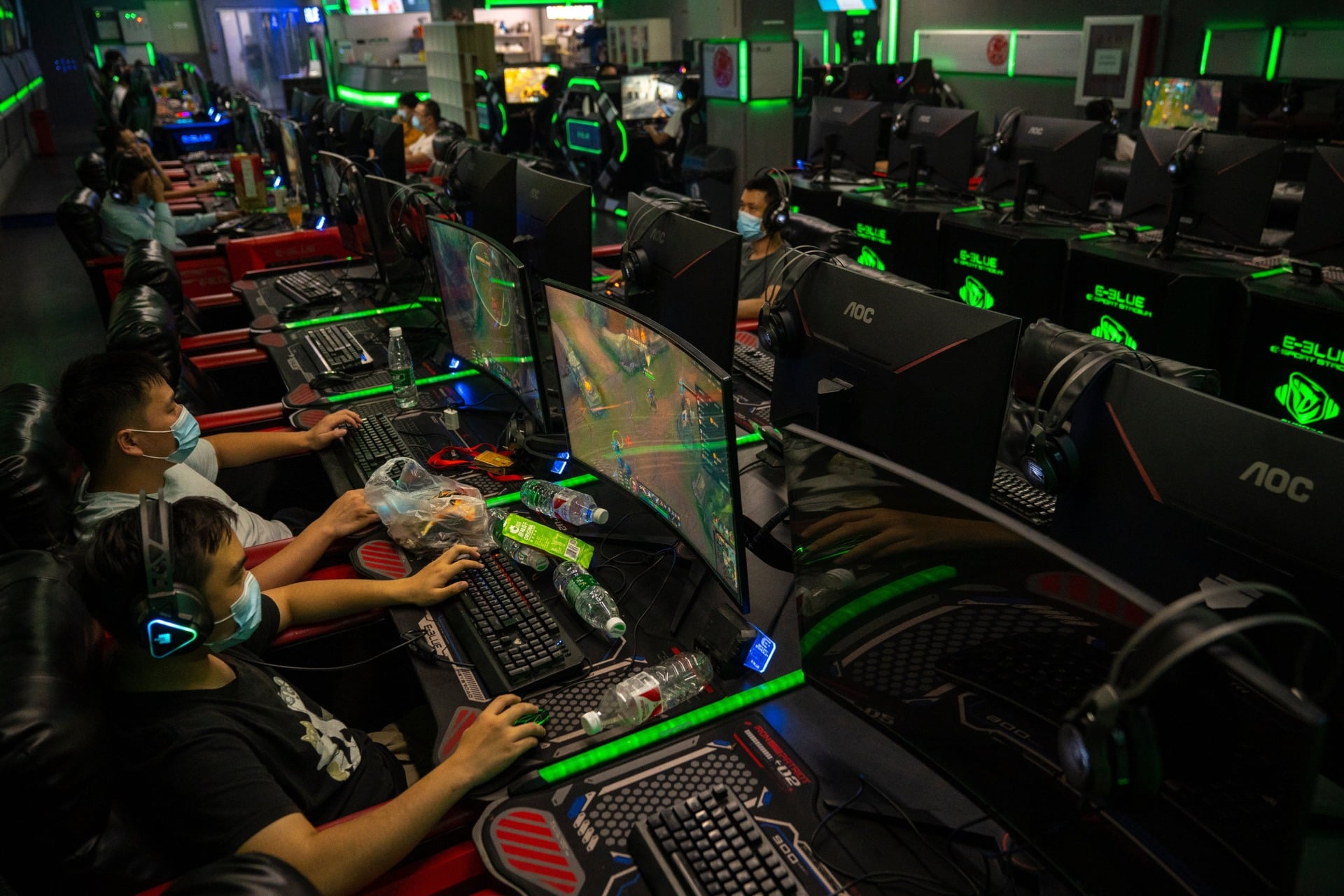
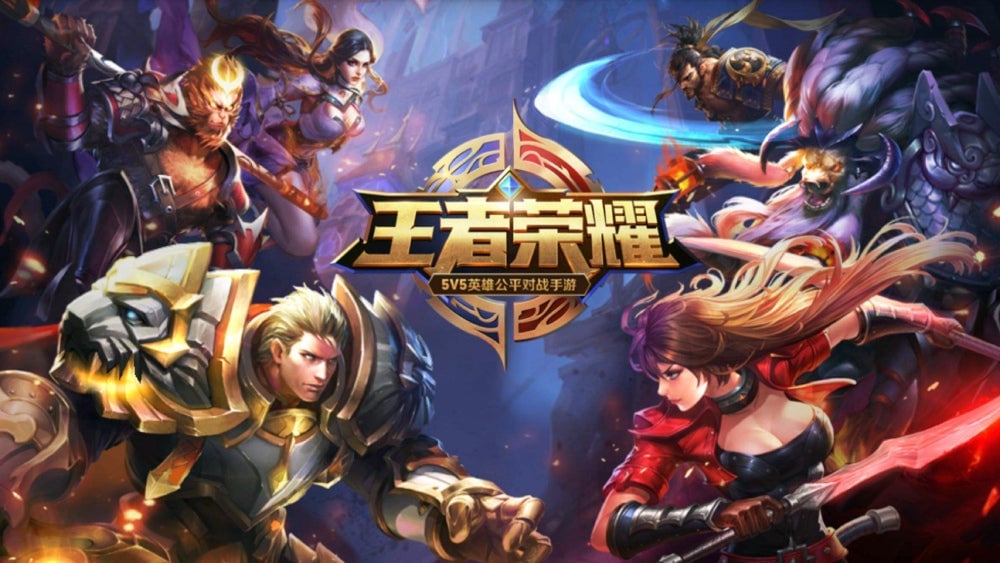
According to Bloomberg, the Chinese state-run newspaper The Economic Information Daily referenced a student who said some of his friends played Tencent’s popular Honor of Kings eight hours a day. Anecdotal, sure, but these claims were followed by editorial calls for strict regulations.
The Economic Information Daily is run by Xinhua News Agency, which is government-controlled media and has been called the most influential media organization in China. Seeing such an article seems to have spooked investors and caused fears that the Chinese government will crack down on gaming.
“The word choice of spiritual opium is especially harsh, it would be surprising if the regulators won’t do anything about this,” Ke Yan, a Singapore-based analyst with DZT Research, told Bloomberg
Within hours, the online version of the story was removed. The print version, however, remains.
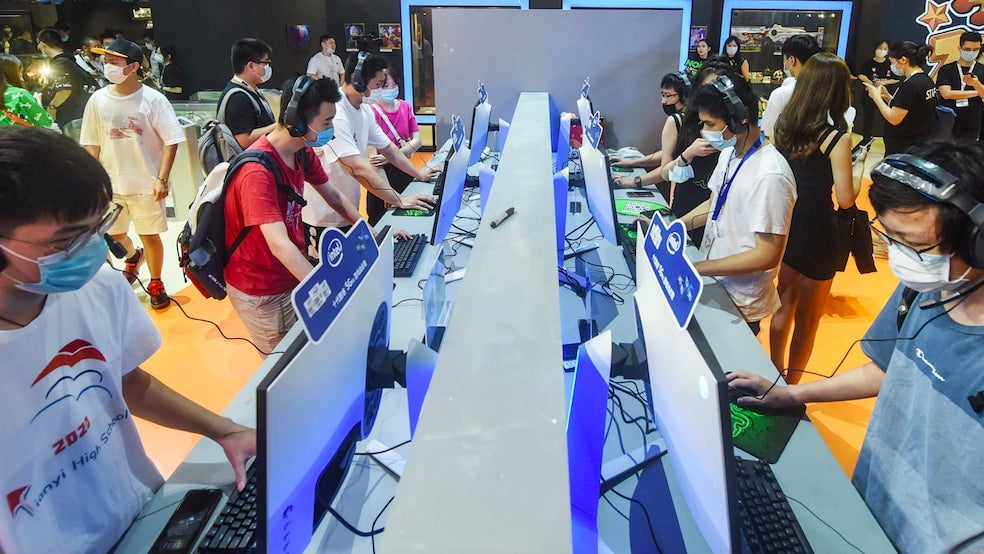
This isn’t the first time China has used video games as a scapegoat. Remember, video game consoles used to be banned in the country. Over the years, video games caught their share of flak. Back in 2014, for example, the Chinese Ministry of Education blamed “weaker” college students on video games, and that same year, the government even wanted to ban video game consoles on kids’ TV. But more recently, China seems to have taken a more sanguine approach to games. In 2018, state-owned outlet People’s Daily said not to dub video games as “digital heroin” (as SCMP points out, it had done exactly that 18 years earlier). At this year’s China Joy, the biggest video game expo in Asia, there seemed to be more government support for gaming.
“China has already implemented strict anti-addiction laws to curb gaming addiction among minors, which will continue to develop and play an integral part in the games industry there,” analyst Daniel Ahmad wrote on Twitter.
Late last year, a new age-based rating system was announced, with support and input from Tencent and Chinese gaming giant NetEase, among others.
In the wake of the now-deleted “spiritual opium” article, Tencent promised to institute further restrictions on playtime for underage players, including limiting playtime to one hour a day during the week and two hours a day during holidays and banning under-12 players from making in-game purchases.
“And more dramatically,” Bloomberg added, “the company broached the possibility of the industry banning games altogether for those under the age of 12, without elaborating.”
Yikes.
This time, however, the crackdown could be targeted to young players, instead of sweeping regulations across the industry.
“Future regulation will continue to focus on gaming addiction among minors, rather than sweeping changes like we saw in 2018,” said Ahmad. “China’s government has backed esports & cloud gaming as growing sectors. Speeches from government officials on gaming were positive at this years [SIC] ChinaJoy.”
Spending by under 16-year-old players, adds Ahmad, is only 3.2 percent of Tencent’s total gaming revenue.
Recently, Tencent has been on a buying spree, most recently putting down a $1.3 billion offer for Sumo Group and buying stakes in Life is Strange studio Dontnod and Battlerite developer Stunlock Studios. Crackdowns at home could explain a desire to expand abroad.