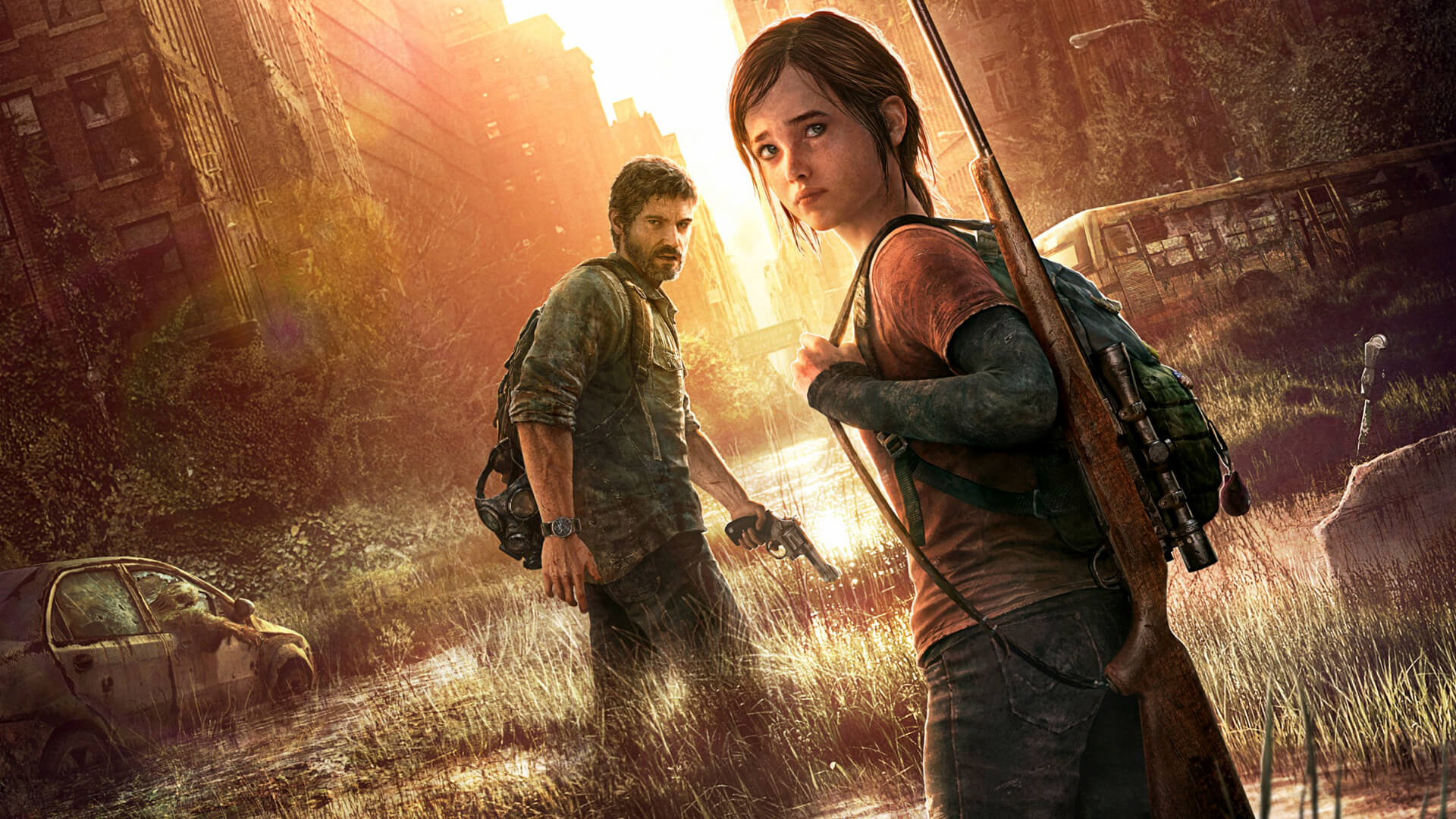
I am an intermediate player; it takes practice and time for me to complete a single player campaign, and inevitably, I die a lot during that journey. And out of all the video games death scenes I’ve witnessed, The Last of Us’s are still in a disturbing class of their own.
I’ve been replaying this game, again, and it occurred to me that Naughty Dog understands what many of its contemporaries do not—that the most terrifying weapon in a horror game developer’s repertoire is restraint.
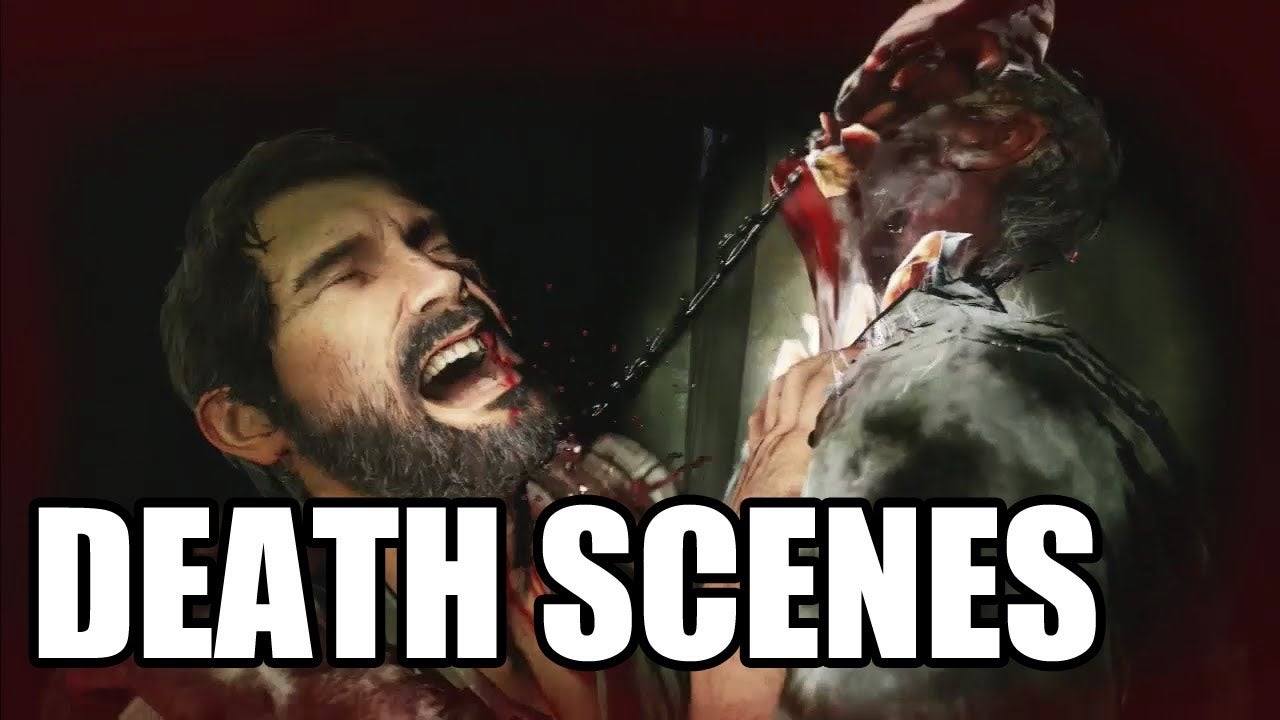
In The Last of Us, you rarely see Joel and Ellie’s actual deaths. Instead, you see the cause of their deaths; Joel is very much alive throughout his various ordeals. Take a look at this compilation video, and you’ll see what I mean:
One moment, there’s utter chaos. A terrified Joel hollers bloody murder. The clicker rips a vessel from his neck, and blood spurts out. A high pitched, jump scare noise—a clear tribute to Psycho—shrieks in the background. The screen cuts to black. Joe’s screams echo for a second longer. And then, dead silence, as if a life has been snuffed out in an instant. This sequence is not especially gory, per se, but it’s a creepy, disturbing juxtaposition that catches Joel at his most petrified and defenseless.
Image Credit: NeoGaf
That’s not to say that explicitness and splatter don’t have their place; some of the most iconic moments in horror video games are drenched in blood. The chainsaw decapitation in Resident Evil 4 comes to mind. You watch the entire chainsaw death in its entirety, from the moment the blade touches Leon’s skin to the moment that his torso hits the floor.
But as cringeworthy as this kill is, it has a definitive beginning, middle, and end. The chainsaw maniac stops attacking you as your neck bleeds out; he inflicts a known, finite quantity of suffering and terror upon Leon.
What makes the deaths in The Last of Us so unique and disturbing are their comparative lack of resolution. Joel and Ellie are still alive, albeit barely, when the camera cuts to black; these animations are not so much “death” scenes as “being killed” scenes. We’re left to speculate. What, exactly, happens after that initial bite? Does the clicker proceed to eat Joel’s entire face? Is Joel screaming throughout? How much does he suffer before passing out? Does he become an Infected himself? And what is Ellie going to do, now that she’s alone in the wilderness? Whatever we imagine is probably more vivid and horrifying than what Naughty Dog could portray on screen.
The most explicit death in The Last of Us is when the Bloater rips Joel’s face apart, and even then, we only get a couple of animated frames. Again, the worst part of these scenes is not what you actually see (which isn’t much), but what your imagination fills in for you.
There’s one, small variation to these death scenes. If Joel catches on fire, the diegetic sound continues for several more seconds after the screen cuts to black. We hear Joel’s agonized screams as he’s burning. Troy Baker, Joel’s voice actor, recorded several different audio takes of this death animation, and you appreciate its variation over the course of multiple playthroughs. It seems that no death by fire hurts in exactly the same way.
Great entertainers trust their audience’s imagination and exercise restraint. On the season finale of Games of Thrones, we don’t see what the Mountain does to Septa Unella, but her screams are enough to make us think the worst. In the film Psycho, the we never see the knife penetrate Janet Leigh’s skin during the famous shower scene. Hitchcock used multiple film cuts to create the impression of a stabbing. That resulted in one of the most iconic, and scariest, film scenes in cinematic history.
Game developers should also exercise restraint, not out of some misguided prudery towards violence, but because excessiveness decreases the violence’s impact. Blood and gore are storytelling devices, and like all storytelling devices, they must be used discretely, at the right time and in the right place. The more we see these devices exposed, with all their gears and guts on display, the less effective they become.
The Last of Us strikes a perfect balance. Death is secondary to the suffering that leads to it. Rather than zeroing in on the moments with the most blood, the developers zeroed in on the moments when the characters were at their most terrified and helpless. Especially in the horror genre, explicit visuals are a poor substitute for excellent psychology.