Tencent is looking likely to bail on a number of video game investments, according to a Bloomberg report. The Chinese company has, over the last few years, taken minority stakes in a number of Japanese gaming studios, and is now considering selling back shares in those it views as underperforming. The only company named by Bloomberg is Marvelous Inc., but the outlet states there are “several” others. However, these seemingly do not include FromSoftware and PlatinumGames.
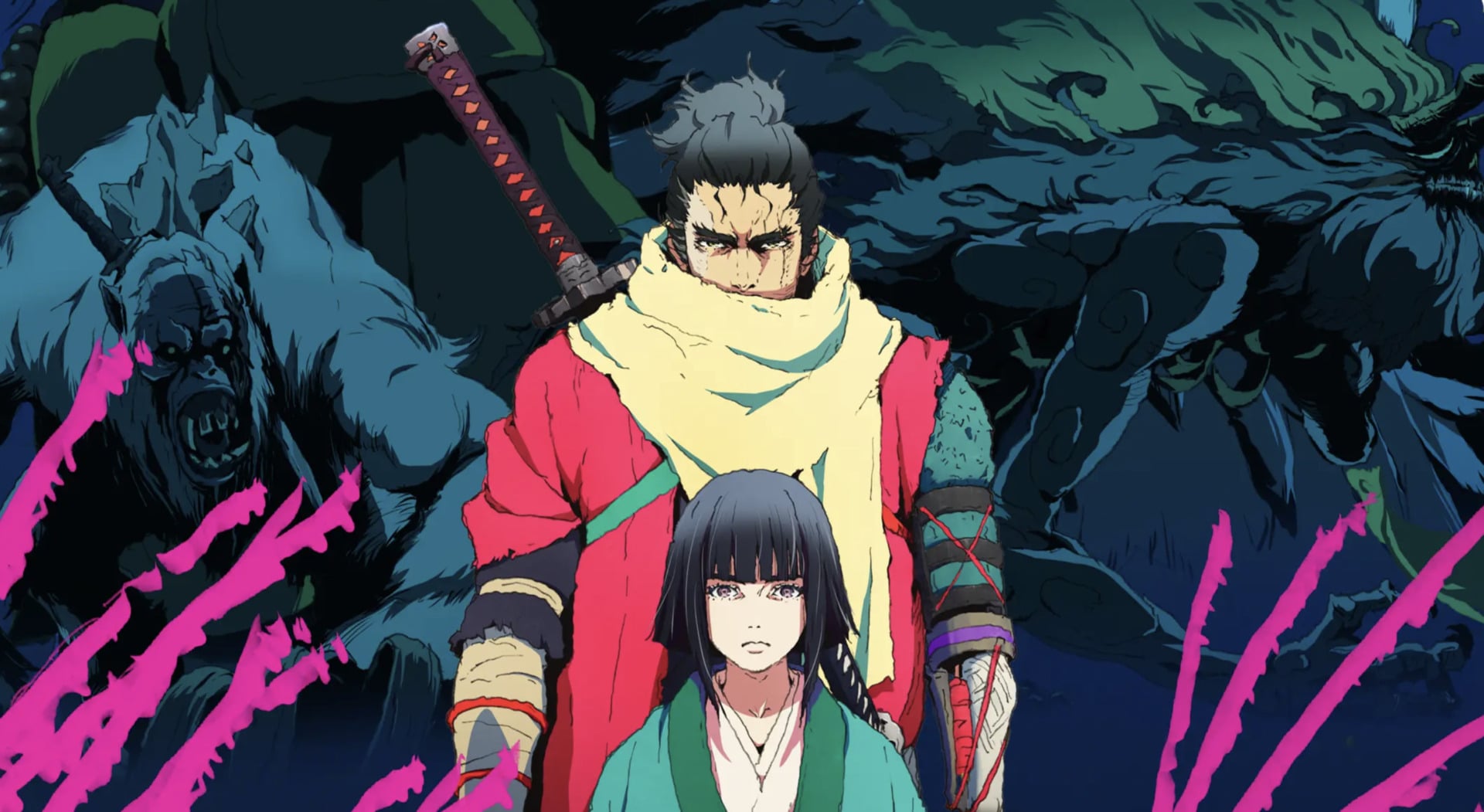
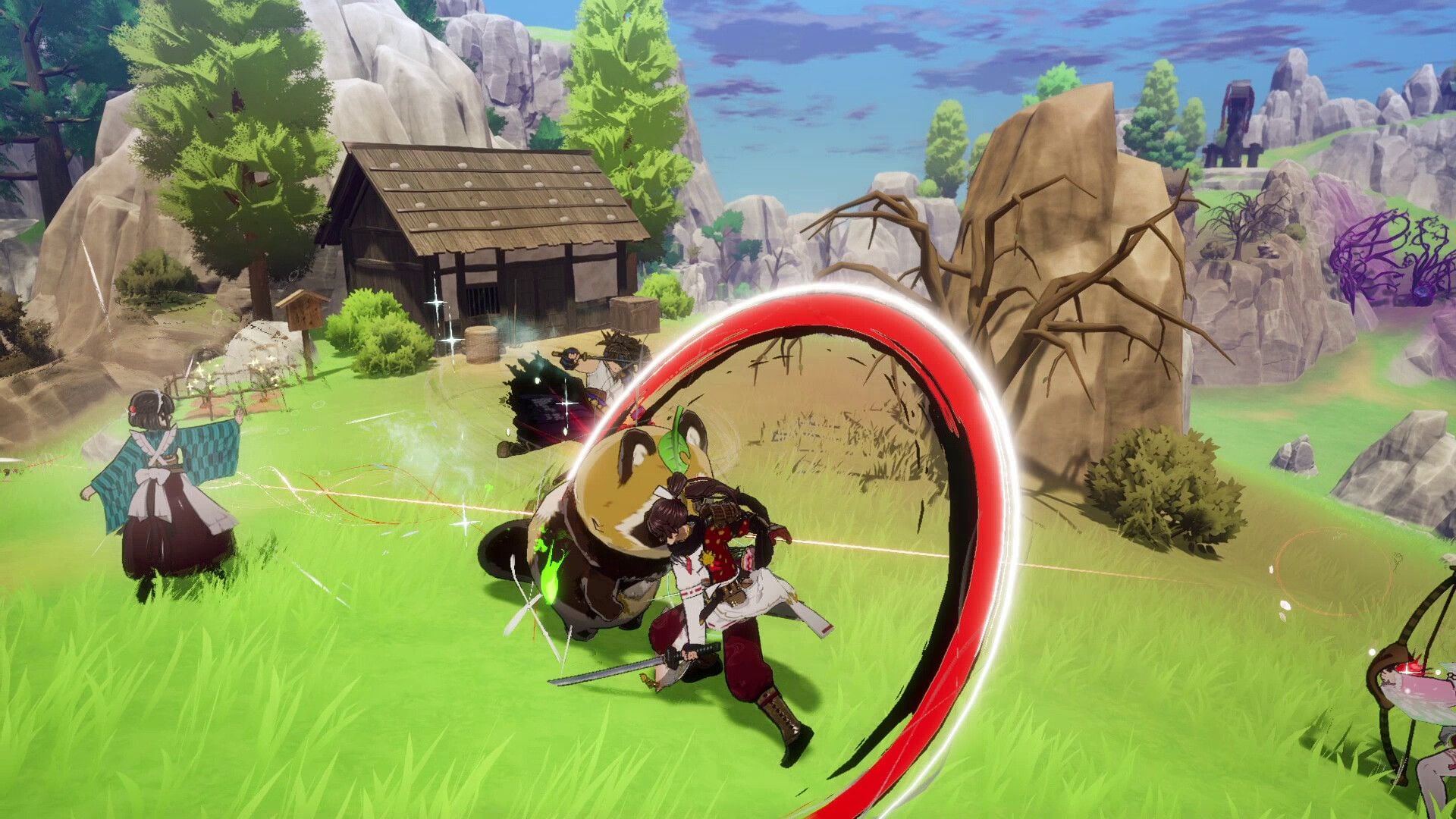
Marvelous, once a spin-off from Sega, is responsible for well-known franchises like Story of Seasons, Rune Factory, and Daemon X Machina, but according to the report it hasn’t been matching publishing giant Tencent’s expectations.
According to Bloomberg, this represents a change in approach by Tencent to how it is dealing with the game companies in which it invests. Their sources, who asked to be unnamed, say that the company wants to establish “closer working relationships with its portfolio teams,” rather than merely being an investor. This is described as being “a model where it effectively co-produces hit titles with foreign studios, helping them recruit creators and lending development resources.”
Yeah, AI is involved
It seems this is largely in reaction to Tencent being outdone by other Chinese firms like Alibaba and ByteDance when it comes to the ridiculous AI race, at the same time as the games industry goes through so much financial turmoil. Bloomberg says Tencent will even sell back its stakes at a loss if that’s what it takes to get out of various gaming companies.
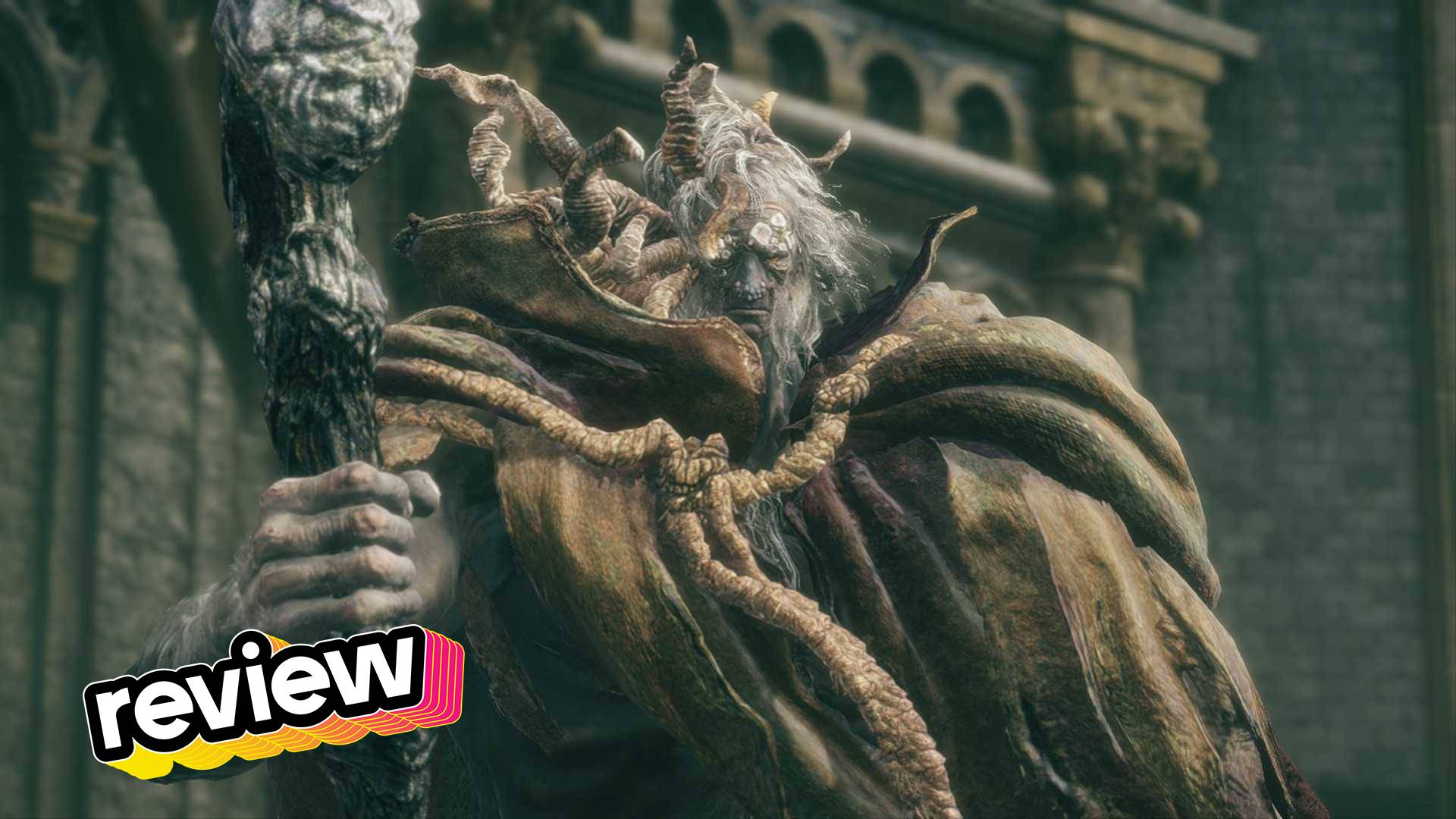
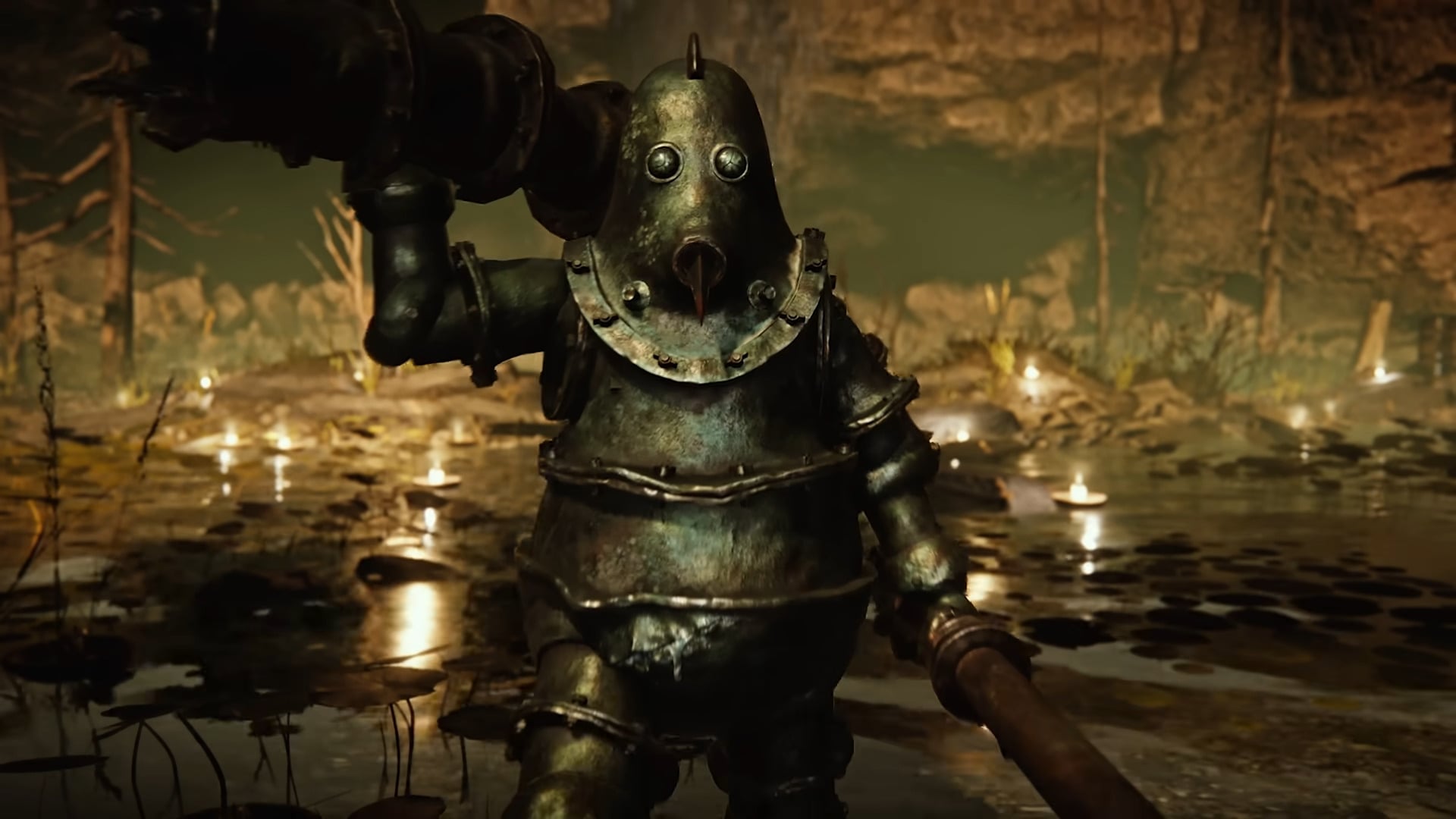
This move to extricate itself from certain gaming studios is said not to include the likes of FromSoftware and PlatinumGames, given that both developers are performing extremely well, as much as many might wish companies like Tencent would keep their hands far away. It also raises interesting implications if it’s really true that Tencent wants a closer working relationship with those in whom it remains invested.
The fact that it’s selling the stakes back to the companies themselves—rather than offloading them to an anonymous hedge fund—is certainly the better version of events, but it doesn’t send out positive signals to the market regarding the studios from which it is said to be withdrawing interest. Tencent told Bloomberg that “video games are core to Tencent’s business,” and that it “remain[s] fully committed to working with our investees and maintaining our strong presence in the Japanese game market over the long term.” Marvelous, meanwhile, declined to comment.