
It happened. Sega actually mentioned Virtua Fighter; not as part of some diversion in a Yakuza game, but as its own, like, thing.
This news came as part of Sega’s opening showcase at Tokyo Game Show, during which the company revealed a mysterious project dubbed “Virtua Fighter x esports” with footage from old-school competitions. It’s unclear if this means Virtua Fighter 6 is on the way or if Sega is simply planning some sort of tournament series for existing games—a curious idea in the age of covid-19.
Sega has largely ignored Virtua Fighter as a series for almost a decade. The last game, Virtua Fighter 5: Final Showdown, launched on PlayStation 3 and Xbox 360 all the way back in 2012. Since then, it’s mainly served to flesh out the virtual arcades in various Yakuza games. While these sorts of things happen everywhere in the video game industry, it was particularly upsetting to see a franchise as iconic as Virtua Fighter get the shaft.
Still, I don’t know how to feel about this.
On one hand, it’s a big deal to see Sega acknowledge the series that popularized 3D fighting games. Virtua Fighter is a foundational part of the genre, and some of the earliest fighting game competitions were for installments in this groundbreaking series. Those tournaments introduced us to incredible competitors like Keita “Fuudo” Ai and Hiromiki “Itabashi Zangief” Kumada, both of whom have since become two of the best Street Fighter players in the world. If Sega simply plans to renew its support of competition in previous Virtua Fighter games, I’m all for it.
That said, I can’t help but feel Sega is getting a little ahead of itself, especially if this announcement is the first step toward revealing a new Virtua Fighter game. Coming out and calling your game an “esport” is a recipe for disaster, especially in the fighting game community. Not because the scene still has an inherent distrust of the esports industry—believe me, I wish that were the case—but because it often serves as a glaring signifier of where a developer’s intentions lie.
A company can’t make a game an esport. My own unfavorable view of the concept aside, it’s not an actual genre or even a sound business decision, really. Have fighters outlived so many esports-oriented games because the developers created them with the express purpose of marketing them through competition? Absolutely not! Games like Street Fighter II, Marvel vs. Capcom 2, and Capcom vs. SNK 2 have survived the test of time because they were, first and foremost, incredible games that people cared about.
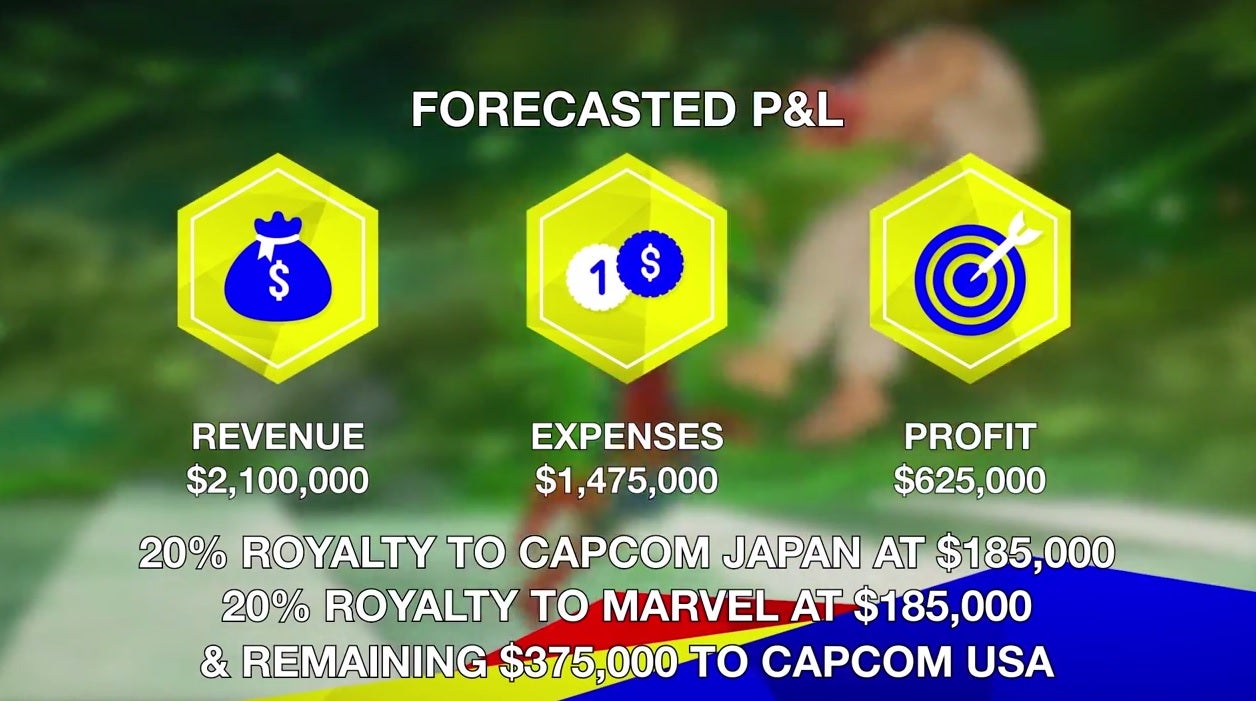
Just look at Marvel vs. Capcom: Infinite, which even as the inheritor of the beloved Versus lineage couldn’t overcome its many flaws. Something just felt off about the game from the start, and it wasn’t until an internal Capcom presentation leaked that we finally understood why: Infinite was the brainchild of a marketing executive who hoped to cash in on the franchise’s legacy. Instead of putting out a great game and letting the community make something special out of it, Capcom seemed more interested in how it could transform Marvel vs. Capcom into an instrument for sponsorship and advertising revenue.
Competitive games need a bedrock of passion long before big stages and fake checks get involved. Virtua Fighter fans may flock to a sequel for its novelty, but they won’t stick with it if it’s clear it was only developed as an esports vehicle rather than a solid fighting game. I can’t help but be skeptical of Sega. The company is an absentee father finally returning from a decade-long trip to the store for smokes. If this is supposed to precipitate a hypothetical Virtua Fighter 6, I don’t have high hopes that the company’s priorities are in the right place.
But, who knows, stranger things have happened.