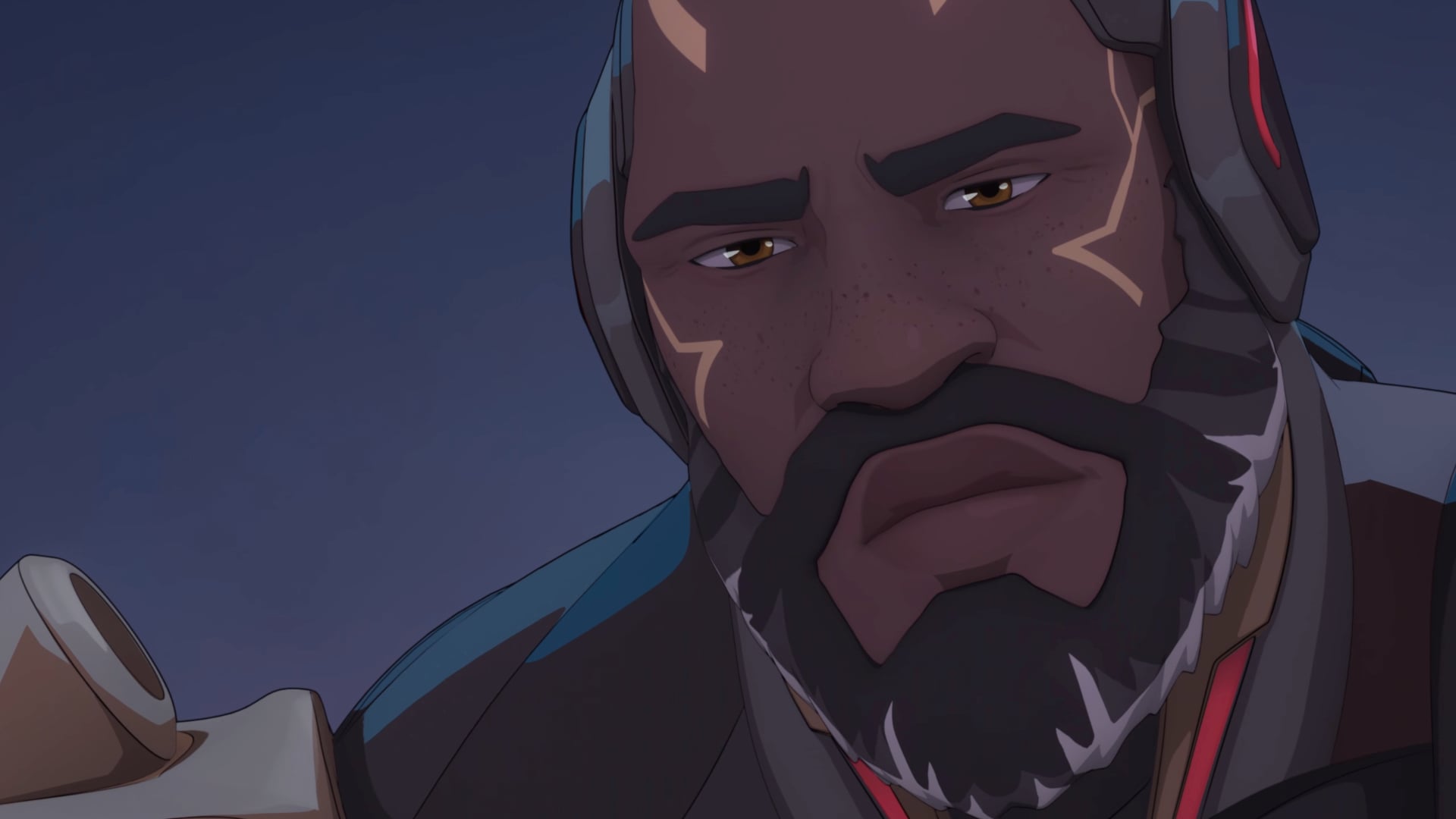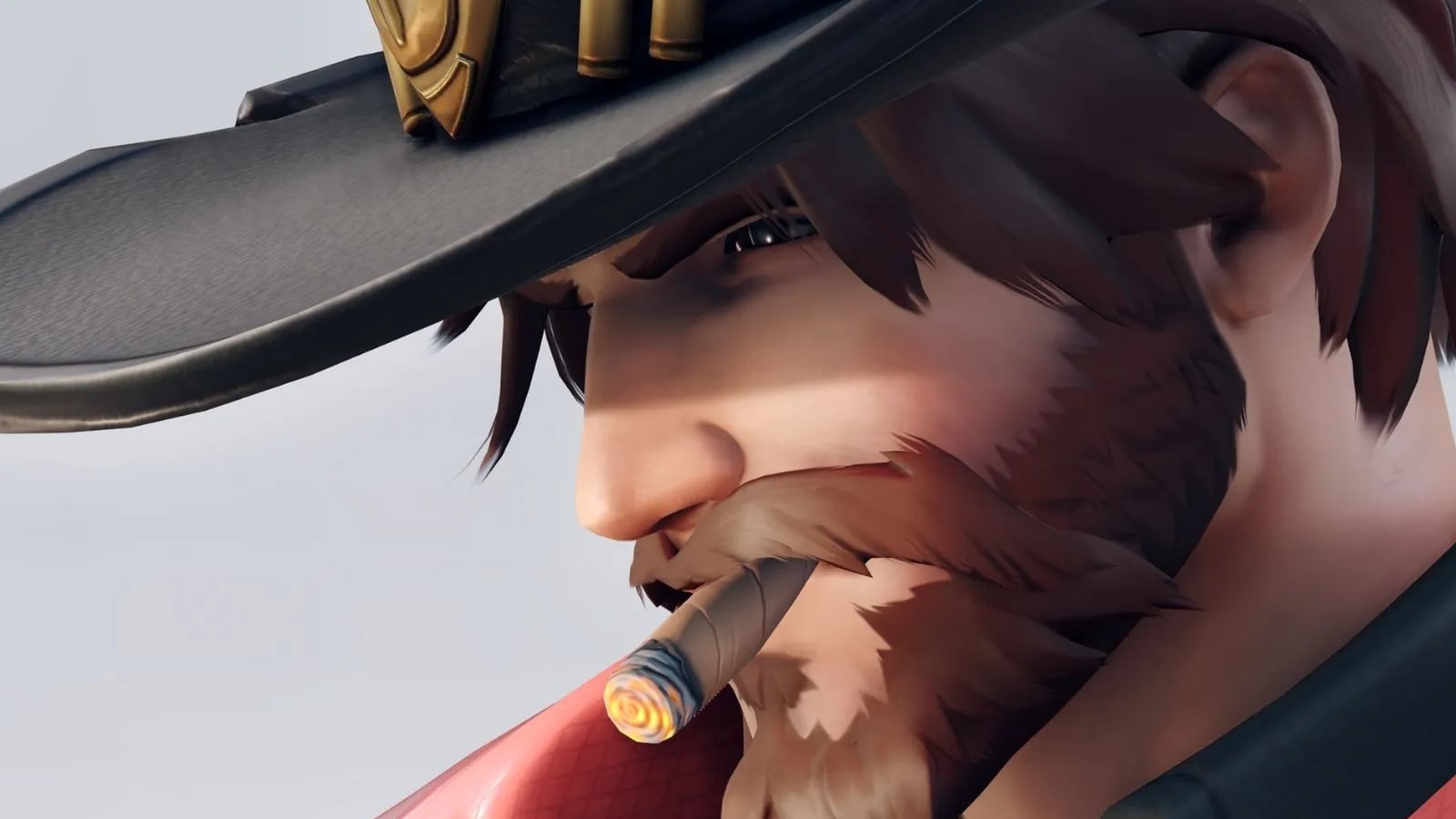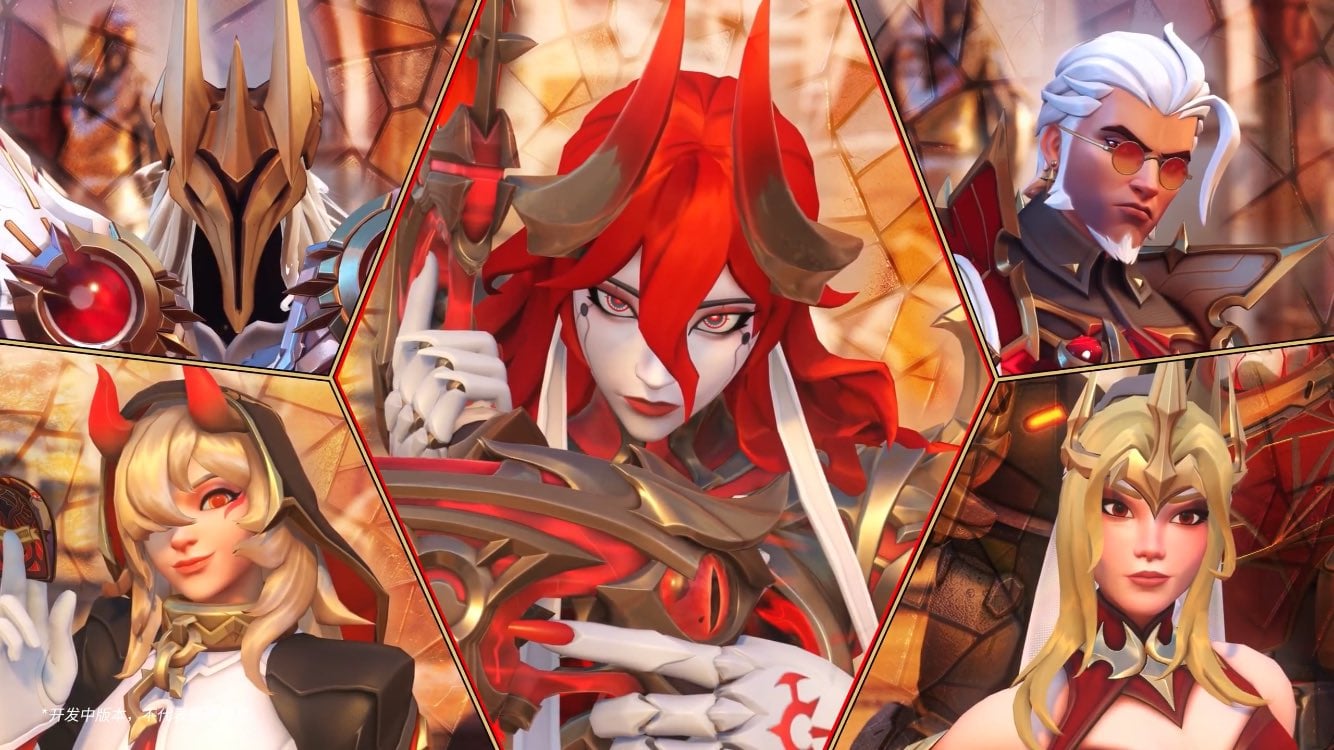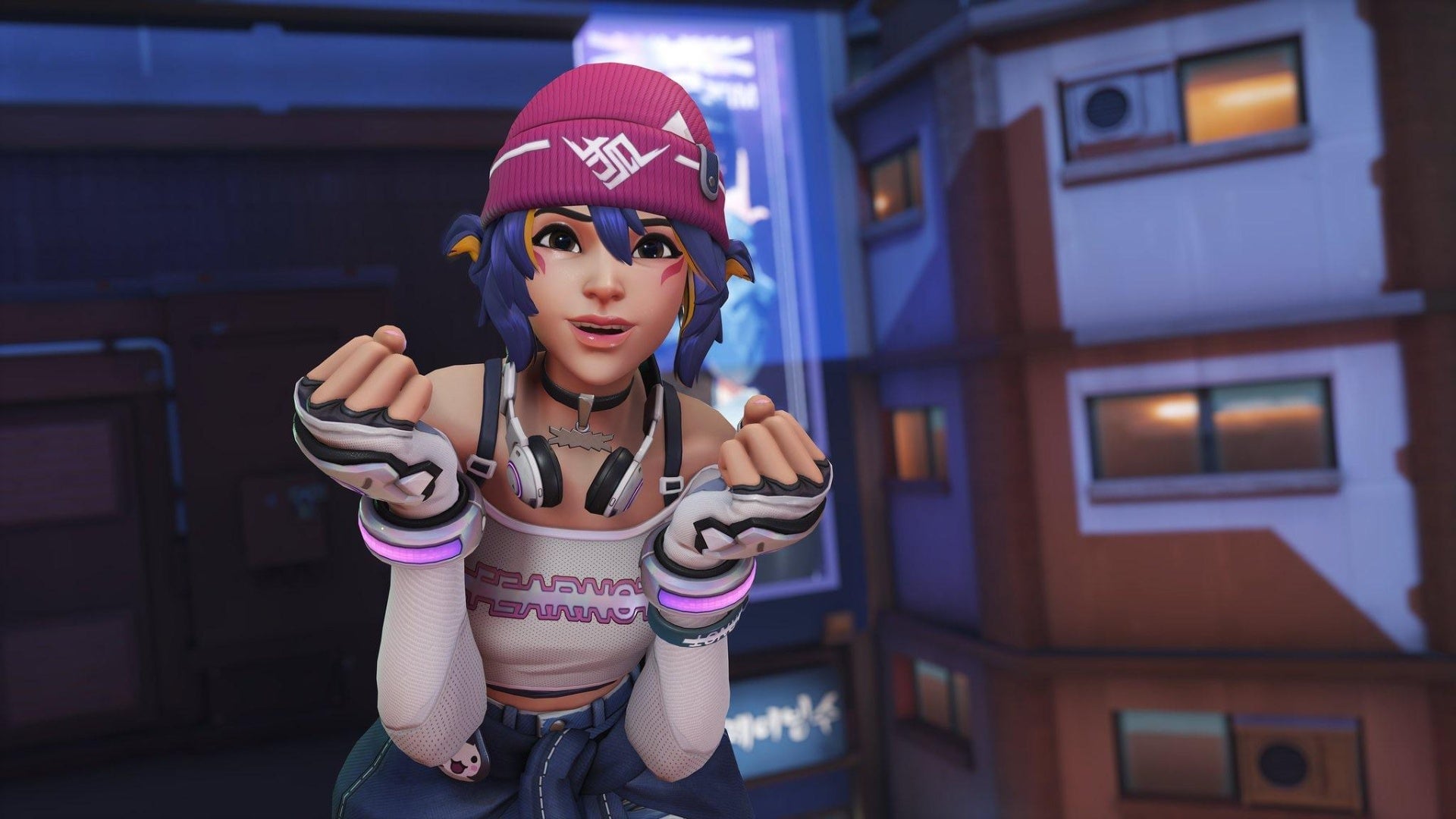
The distribution of cosmetic skins—which heroes get the lion’s share and which ones get significantly fewer— is a pretty sensitive subject in the Overwatch community. Years of Mercy, Kiriko, and Juno players constantly eating good while Baptiste, Venture, and Wrecking Ball players wait months if not years for a new Legendary skin have some people jaded about the whole process, with some players even criticizing some of the game’s base hero designs as feeling like they are made with a “cosmetics-first” mindset.
During a group interview Kotaku was present for, game director Aaron Keller talked about the challenges of giving attention to its soon-to-be 55 heroes in not just cosmetics, but in storylines the game has introduced over the game’s 10 years. He says it’s a problem the team at Blizzard has been dealing with for years, one which he admits is “tricky” as the roster grows.
“Every new piece of content that we introduce to the game, whether it’s a hero or even a map, you know, means that the pool of everything that we’ve got, it is spread out a little bit,” he says. “We recognize how important it is to continue supporting all of the different heroes in the game. And on one side of it, it’s cosmetics, but as we delve into the story and the narrative for the game, you hear from a lot of players about like, ‘Hey, when is this particular hero going to enter the story?’ Or, ‘It felt like you kind of left off, let’s say, for example, the story of Zarya years ago. When are you going to pick that thing back up?’ And so it definitely makes that more difficult.”

With the introduction of the battle pass and frequent store refreshes, Overwatch is producing more skins in recent years than it used to when the game was primarily supported through loot boxes. Keller says that while the team has to prioritize characters who “support the actual bottom-line business,” he hopes that initiatives like creating two customizable Mythic skins per season can allow them to more frequently support heroes that have gotten less love over the years, while also always featuring at least one who typically drives skin sales.
“As a team we have been, over the past few years, constantly expanding our capacity and our throughput for the amount of skins that we make. And as we do that, it allows us to not just make skins for a lot of the heroes that, if I’m being honest, do more to support the actual bottom-line business for the game,” Keller says. “And it also allows us to start making cosmetics for some of our other heroes. The place that you can see that the most transparently is the Mythic skins that we release. Each season we release two Mythic skins, and typically one of those is going to be for a hero that we think is actually going to really drive a lot of that support for the business. And then another one is going to be for a hero that typically hasn’t gotten either a Mythic or a lot of other skins in the recent past. So we recognize it’s important to players. We want to be doing as much of it as we can, but we still always want to be doing it in a way that’s also responsible, and [lets us] know that we can continue supporting this game going forward.”

Overwatch started putting out two Mythic skins per season a year ago in October of 2025, and I’d say most of the seasons that have followed have adhered to the blueprint Keller describes, featuring one hero who is a tried-and-true seller of skins and another one who’s gotten less love over the years. Lifeweaver and Junkrat are a good example of a pair of heroes who are on opposite ends of the skin-receiving spectrum, but you also have last season when Genji and Widowmaker both got their second Mythic skins in the same batch, a move which frustrated many players who were waiting for an underserved hero to get the spotlight. The current season, which began on October 6, launched with a Mythic skin for Wuyang, who has received several skins since his launch last year. We’ll see what the second Mythic is when the game’s midseason phase begins later this week.