Overwatch’s big 2026 reboot brought in 10 new heroes and a wealth of updates ranging from gameplay tweaks to UI changes, but perhaps the most significant change is that it brought the hero shooter’s story back to the forefront. After the cancellation of Overwatch 2’s planned cooperative campaign left the game’s already stagnant story at an unfortunate standstill, Blizzard has since committed to its longest-running singular arc through cinematics, short stories, comics, and audio dramas that have been telling the story of Vendetta’s reign as the new leader of the terrorist organization Talon.
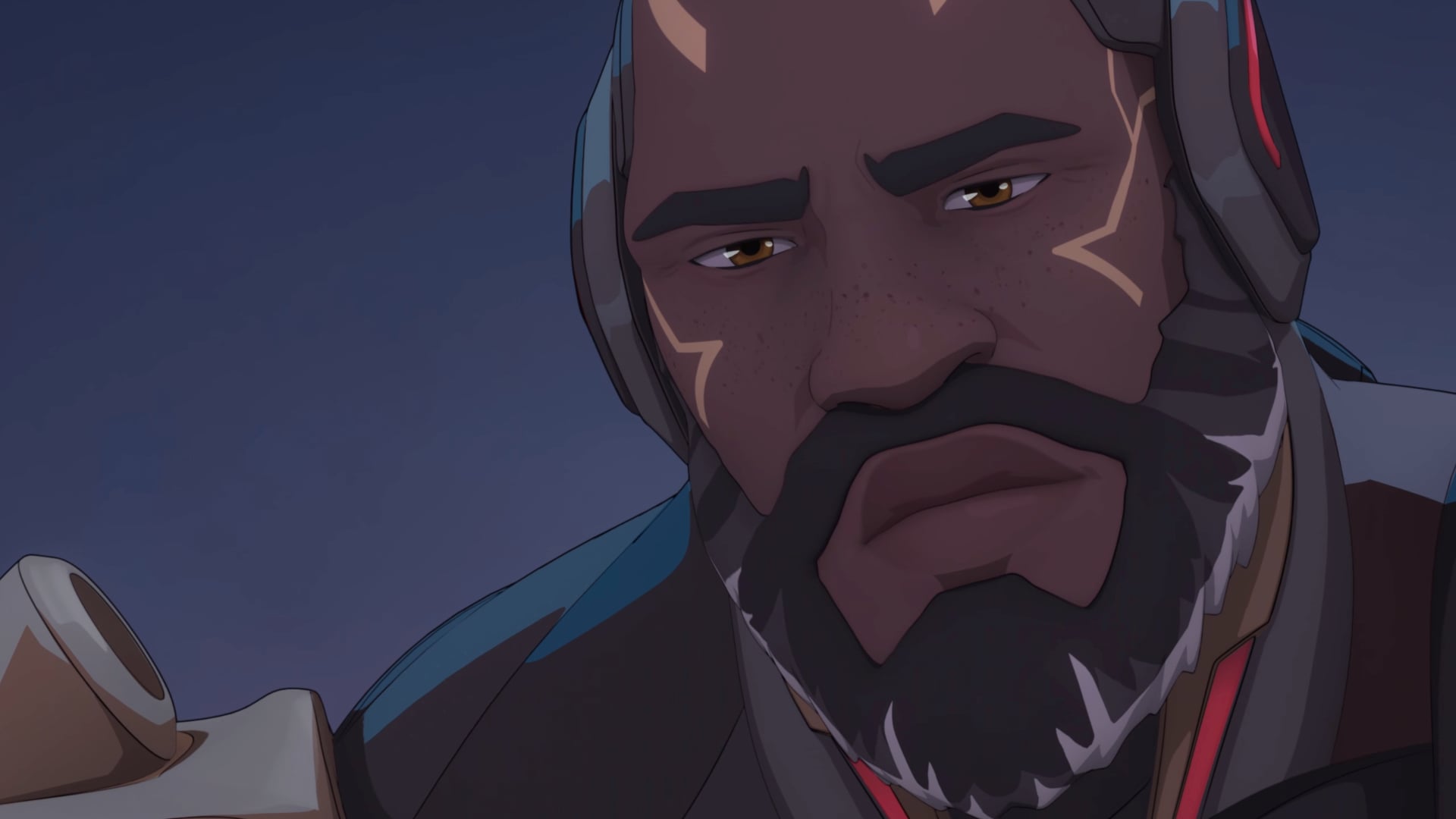
With the release of the new animated cinematic “In the Wolf’s Mouth,” that story has reached its conclusion. Fans are debating whether or not the Overwatch universe has moved forward in a meaningful way now that Doomfist has reclaimed his place at the top of Talon, but Blizzard has at least set a precedent establishing that it will finally tell full stories within this universe after a decade of mostly nudging things along at a glacial pace. So what has Blizzard learned in the first year of Overwatch finally having a real story?
In a roundtable interview with game director Aaron Keller and associate game director Alec Dawson, the pair talked about how it’s moving into the next phase of Overwatch’s narrative. The next story arc will begin with what Keller describes as “probably the best cinematic” the team has put out since Overwatch‘s launch, but he also indicated that the team hopes to do a better job of drawing players’ attention to the story as new lore drops are released on YouTube, social media channels, and in the in-game Story menu.
“I think that it can be easy to miss some of this stuff when we release it. Like just yesterday, we released a cinematic that was like the wrap-up to the 2026 story. It was our finale. It’s this really amazing piece of this fight between Vendetta and Doomfist with Overwatch present. And sometimes I feel like unless you’re really following along, it might be easy to miss some of those pieces. So I think one of the things that we’re talking about, just like how do we get the story out in front of players to where it’s not only like a ‘can’t miss’ moment, but like it’s also something that they can’t miss because they also know about it, you know?”
While visibility is one side of the coin, Keller also says the team is using this first year as a testing ground for what formats work best to tell Overwatch’s story. Currently, the team cycles through animated shorts, motion comics, and audio dramas narrated by members of the game’s exceptional voice cast, but there are also short stories and digital comics in the mix as well, and Blizzard says it wants its next arc to be better about helping the average player piece all these disparate parts together.
“We kind of do [story] across a lot of different medium types, and so I think sometimes that might also make it a little difficult for our players to piece some of the story elements together that we think are important,” Keller says. “So going forward, I think we’re going to be looking at that strategy a little bit, looking at how we can like bring players up to speed a little bit, even sometimes if it’s just a sentence or two at the start of a cinematic to show that there’s been other stuff happening with the story.”
Over the past year, players have felt a bit of a disconnect between elements of the Overwatch story, as half of the narrative hasn’t been featured in the game itself, but in a webcomic called Overwatch: Undivided which is found in a Webtoons digital comic app. While the cinematics and other lore drops are viewable to everyone in a readily accessible format, Undivided is on a separate app. The comic doesn’t typically portray the biggest story beats on its own; it is undoubtedly supplemental material, connective tissue linking the more pivotal pieces you see in the game’s story menu, and it’s where most of the actual Overwatch members get the most face time. It primarily follows the new generation of heroes like Juno, Wuyang, and Anran, though there are some notable interactions between members of the old crew as well, such as Reinhardt and Ana entering a romantic relationship, and Genji leaving Overwatch entirely.

So why is it separate? According to Keller, the Overwatch team had parameters in place for how each type of lore drop would portray the important moments of the game’s story, and Undivided was meant to be more of a slice-of-life piece in between the bigger lore drops.
“We definitely had a strategy going into the story this year, and part of it was to tell the biggest pieces of the story that we could in the cinematics and then use our big motion comics as the second piece that players ought to watch in order to be able to have a full picture of the most important parts of the story,” Keller says. “And then we had these other pieces, these things that internally we call ‘micro stories,’ where it’s several images and a narrated sort of like a story from the hero’s point of view that filled in a lot of pieces of their personality and who they were, and when you look at those pieces right there, that told the story and it gave you a lot of context on like who our new heroes were. But there was so much going on over the course of the year. And there’s so many fun things that you just want to be able to imagine or think about for our Overwatch heroes that we wanted another way to tell that. We wanted to be able to connect it all together. And that’s really where the Webtoon comes in, it does serve that purpose.
And while it will talk about some of the bigger pieces of story we have, like the attack on [Overwatch headquarters in] Gibraltar at the start of this year, it also gets to do all of these really fun moments. You get insights into who Juno is. You get to go see Reinhardt and Ana on a date, and it lets us really fill in those spaces. I think that, for us, that was the strategy of how we were going to release this story is like all of the big things you need to follow to understand it on one side in the game and in this webtoon to really fill in a lot of the other pieces and give players a chance to kind of see Overwatch in a different light.”
Whatever the format, Dawson says that one of the goals now is for every year of Overwatch story to feel like it’s building on what came before, rather than like each new story arc is some sort of self-contained thing.
“There’s also, I think, room for us to get better at build-up to these stories and making sure that maybe the story before the previous one affects the world state in some way that leaves room for other stories to have their time in the sun,” Dawson says. “So I think there’s making sure [there’s] connective tissue not just within the year itself, but from arc to arc. [The story] feels like something that is cohesive to the world of Overwatch. And it’s like the whole thing changes in a way that makes this next thing possible. So, some of those stakes, I think we’re looking at, and how your relationship can change with Overwatch, but also with the heroes themselves.”
Though Vendetta has been defeated, Overwatch’s current story arc still has a handful of lore drops left before the end of the current season, which will also likely introduce a new hero colloquially known as the “Omnic Detective,” who fans have theorized may reintroduce the Null Sector storyline that was dropped when Blizzard canceled Overwatch 2’s campaign. When I asked Keller and Dawson if there were any specific lore pieces from over the years that fans should read or watch in the lead-up to the next story arc, they said they didn’t want to spoil anything specific, but Keller reiterated that people might want to go back and watch some of the old cinematics, though the team is looking into a way to catch folks up on things they might’ve missed.
“I think that our old cinematics are best-in-class and they’re amazing,” he says. “And I’ll go back and I’ll still rewatch that ‘Dragons’ cinematic, you know, the story of Hanzo and Genji. I think it’s pretty incredible. And we do have a lot that are there. I guess all I would say is the story that we’re going to be telling in 2027, it is directly related to some of what people have seen in the story in Overwatch previously. It’s continuing a chapter. It’s not starting something solely from scratch. I think we’re putting together some catch-up videos for players, so hopefully they’d be able to watch some of that. But I would always welcome people to go back and check out some of the previous ones. They’re really great to watch, it wouldn’t hurt to be all caught up before we start rolling out what’s coming soon.”

Keller says that keeping Overwatch players engaged with the story has been “gratifying” for the team, having previously talked about how he actually enjoyed that Doomfist fans took issue with his defeat at the beginning of the year. While there have been debates among fans about the effectiveness of the Reign of Talon story’s conclusion, Keller says the team views its new story initiative as “successful” and plans to invest even more into the Overwatch narrative next year, with the Omnic Detective’s announcement cinematic acting as a “prologue.” But this is all external media and doesn’t take place inside the game itself. Overwatch has implemented lore elements into maps, including new hero pre-match interactions that have heroes bantering about current events in the story, which helps flesh out the world and its heroes’ places in it. But after the original cooperative campaign fell through, is Blizzard still considering any kind of PvE element that could move the story forward alongside all these new initiatives?
Keller says that the surge of players they’ve seen hop into Overwatch’s previous PvE events was “really big,” but they often have a “fast drop-off,” and it’s made them harder to invest in from a time and resources standpoint. Comparatively, cinematics and comics are much less resource-intensive, which has made them a more viable vehicle for Blizzard to deliver story. Since data shows players primarily engage with Overwatch’s competitive shooter side, that’s where the team has chosen to direct its energy, but does that mean that story-driven PvE content is no longer possible?
“I would never discount it,” Keller says. “It’s hard to find a designer that’s ever going to discount anything like a possibility, you know? And I think that potentially there’s a way for us to try to do something like that, but in order to do it, we have to make sure that we’re still focusing on our core game experience. That’s the most important thing for us. And so I think that there’s probably some room for some small experiences like that in Overwatch, but for anything that would be really big, really comprehensive, I think that the thing that players in their heads think, like the fantasy of what an Overwatch PvE experience would be, or especially like a story-based PvE experience would be, I think that that would just have to end up being a whole new game developed by a whole new team.”