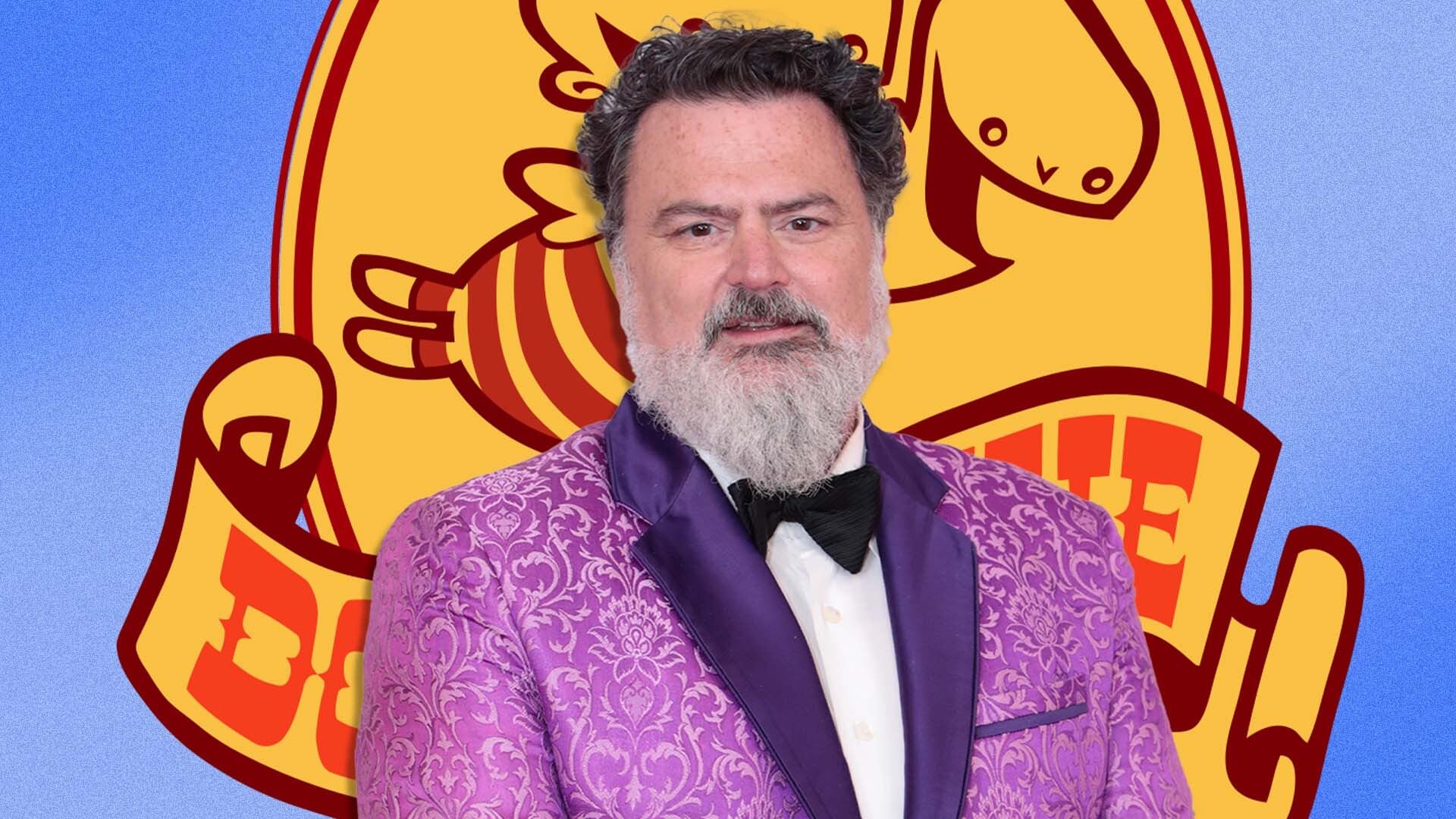
This morning, Kotaku published a lengthy report exploring what happened at Psychonauts studio Double Fine this past May, when a union petition was filed and then, two weeks later, abruptly withdrawn. You can read the full report right here.
As a part of this reporting process, I reached out to Microsoft/Xbox, Communications Workers of America, and Double Fine CEO Tim Schafer to ask for their responses to what we discuss in the article. CWA shared a statement, which I have included in the report, and Xbox declined to comment. Schafer, however, was willing to sit down for an interview.
I spoke with Schafer for nearly an hour in an effort to ask him everything I could about what happened: his feelings, his responses, what he knew and what he didn’t know, and why things played out the way they did. I also asked him about some of the more challenging topics that came up during my interviews with 15 current and former employees about their experiences at Double Fine surrounding unionization, and about his own role and responsibility as studio head.
Below, I’ve published a nearly-full transcript of our conversation. For transparency’s sake: this has been very lightly edited for clarity, even less so than I normally edit interviews published in this format in an effort to preserve as much of Schafer’s intent as possible. A few questions and their answers have been omitted, as their subjects were removed from the published report and were no longer relevant.
Our conversation was as follows:
Kotaku: So, Double Fine had a union petition. And then it was withdrawn two weeks later. That’s what’s public, that we know. When did you first find out that there was a union effort going on at Double Fine?
Schafer: I mean, there’s always been union activists at Double Fine. And they post freely in our Slack, and that’s fine. It’s their right to do, and it’s up to them. That’s what a lot of this is. This is like their issue to discuss, not really mine. But, so there’s always rumors of it. And I think nothing was, it was that letter being posted that I was like, so this is really happening. But it’s been talked about for years.
You didn’t know about it before then?
I mean, like I’ve always known, there’s always been rumors that there are people talking about it, meeting about it, and stuff like that for many years.
Did you have any conversations in the lead-up with Microsoft about it beforehand?
I mean, just what’s rumors about it. We hear about it. And they have insight. They have a relationship, you know, Microsoft’s relationship with the union that I don’t have. CWA, they have that? They’ve done stuff before, so they have contacts and stuff like that. And I was pretty new to CWA.
Okay, so this notice goes up in Slack, and you find out that, okay, they’re doing something serious.
I knew something was, I don’t know what shape it’s going to take, but it was like a letter, and it had like 30 signatures on it. And I was like, okay. But instantly it was clear. I knew that the rules were we really have to sit back, and as managers we can’t talk about it. Anything I say about it, even in an interview like this, anything I say that can be construed as trying to interfere is something I have to avoid. So, I mean, I know it’s employees’ right to do, to unionize, and we never stood in the way of their ability to unionize or organize or anything like that. And so we just took a back seat, let them know that we acknowledge it, and that it’s up to them to talk about it, and we’re not eligible, and the eligible people have to kind of figure out who’s eligible to talk among those people. And then a little while later it was retracted, and then all the other shit hit the fan. So it was like a very long time ago now.
Yeah, I can imagine. So after this thing had been posted in Slack, and it was like known among the staff, did you end up talking to Microsoft about it? Did they give any advice or guidance on what to do?
I mean they have, they pointed me towards their labor policies. They have an established labor policy. They’re a huge company, so they have a lot of irons in the fire and they have a relationship with unions that’s very multi-dimensional. You know, they interact with them on many different projects and stuff, so they have a policy, and there’s like a lot of fine points to it. I think it’s not specific, they have some neutrality agreements that are signed and it’s all very individual different subgroups [who] are signed, but there’s also a general principle, and I don’t think they call it a neutrality principle. They call it just a principle of—you can read it.
Yeah, I’ve seen what you’re talking about.
So it’s more a statement about being, you know, not interfering. People have the rights to do—I’m still kind of using their terms like everyone has the right to do that, and stuff. But they just told us about that and they’re there like, we’re here for you if you need, they have lawyers that work with CWA and a relationship with CWA and stuff like that, so, they’re there for us, but the thing ended, you know, before.
Sorry I’m harping on this, I just want to make sure I understand: they were not especially involved?
They offered some resources and they tell us the guidelines and the rules and they told us what we can and can’t do, which is basically nothing, like it was easy for me to know that basically you just have to keep your mouth shut. It’s harder for—there are a lot of people in the company who don’t know if they’re eligible or not and they couldn’t ask. And they, we couldn’t be told, and that was being negotiated at some point. So not me, someone else was figuring out who, and we have kind of a weird company and people go up and down all the time. You know, some people run projects. And then they become lead programmers and they just become a programmer and then they lead projects, and you have Amnesia Fortnight where sometimes people will lead a small project for a while and that’s a very micro scale, like two-week thing and then, but even across the major project like two years, someone might be a lead and then not a lead and we try to make it [work] because some people…they try to lead a project once and they’re like, oh, never again. Or some people—we’re just a small company with everyone [wearing] a lot of hats and…they don’t go up and down in salaries, they just have a title that is persistent and then their role changes.
But it’s not your job to figure this out. The eligibility.
No, yeah, no, this is between the union and—and at that time I assumed they would have ended up negotiating had they gone forward with Microsoft’s lawyers because some people say, if you have any direct reports you’re not eligible. It’s like, well, can you hire and fire them? No, but it’s very complicated and I never really was involved in picking that. It wasn’t up to me, so. I still don’t really understand it.
You mentioned the labor neutrality agreement. Did Microsoft explain any of it? Like, were you aware of one that was currently applicable to you all at that time?
There wasn’t one as far as I know. They don’t have a general Microsoft—I don’t know. You might, as a reporter, I’ve been trying to figure this out and they—Per subcompany, I think Bethesda might have one.
So what my understanding is is they had one with Activision Blizzard and then they had another one that covered everybody else, but they expired and they were in active negotiations. So I was curious if anybody had said anything to you like, hey, we have this agreement.
Even that’s kind of a fine legal point, neutrality. It means there’s certain things that, like, I think if you don’t—this is just me, as far as my limited understanding of what it means, is that if you have [one], there’s little things like, you could put out a fact sheet to the employees if you have a neutrality agreement, I think you have to negotiate what’s in that. And if you don’t have a neutrality agreement, you can just do your own. I don’t know much more about what that really means, but that’s what I observed is the difference.
Did you have any thoughts or opinions on the mission statement that was presented?
I don’t want to sound like I’m trying to influence anybody. I would say in general I’m pro-union and I think the games industry treats people terribly, and I can see where the need for protection comes from. I mean the game industry in a lot of places crunches people, burns them out, then lays them off, and it’s like, if it ever anytime a union activity starts, I feel like the industry has been asking for it by the way they treat employees, so I don’t think anything in those demands is super unreasonable or anything. I think it’s just like treating your employees well, and I felt like it wasn’t—This was totally speculating. I, maybe I shouldn’t say this, but I felt like they weren’t trying to unionize against me, but against—protection against a larger company, to try to preserve what we had against a larger company. That’s totally me guessing. And again, I don’t know if I should be saying that.
You had that speech—well, it was a monologue—at the GDC Awards years ago, in 2019.
I think everyone was so tense about hearing about it, and I just, like, was pointing out that unions are all around us and they’re totally normal.
Did you write that?
Yeah, I write my jokes and the choice of words.
I think I was just saying like, you should be able to talk about it, but I wasn’t able to talk about it. That’s the thing. Even now I can’t talk about it. So I think until I retire I really won’t be able to talk about this, you know what I mean?
I think your last line in that speech was something like, you know, there’s unions all around us and you know, we’re not going to die. Like it’s fine.
Yeah, I mean, I’ve learned that not all unions are the same and they don’t all behave the same and they don’t all follow the same playbook and I think some are more effective than others, you know what I mean?
Sure, absolutely. You said you write all your own stuff, but I understand there was a meeting. So this union petition announcement was made on a Thursday. The following Monday you have a regular Monday meeting at Double Fine. You read a statement at that meeting. Did you write that or did Microsoft?
It was a mix.
Do you remember anything about what it said?
I remember saying like, no matter what happens after it’s over we’ll still be Double Fine. That was just my statement of like, stating it’s not my place to talk about it and it’s not the manager’s place to talk about it. It’s something eligible employees have to get together and talk about amongst themselves and either way we’ll still be the same company afterwards, but I got a little emotional in it because it’s like, it was a weird time. I mean, it was a very emotional time because it seemed really heavy, but there was also this thing where we couldn’t talk and we’re just, our history of our company is about being really transparent, sitting down talking about everything in a really open way, and there was this sudden kind of gag order and we all just felt—I mean, see again, I don’t know if I should say how I felt. But it’s like, all of a sudden there was this unnatural way of communicating kind of imposed on us and it just made it hard and made us feel like—It’s weird to work on a company for 25 years and then have a dramatic thing like this all of a sudden kind of take control of your ways of communicating and it felt like this isn’t usually how we resolve things, you know, so it was less about the union, the concept of a union, and more about the sort of trappings and rules that existed around figuring out what the shape of the union was going to be. No, no, not even that.
You never got that far.
No, never even got that far. It’s the shape of the communication. Like how do we talk about this? It was kind of a playbook that was not a custom fit for our company or our type of company, you know what I mean?
Double Fine’s a little weird!
Well, I mean, founder-led studio, founder still around, very tight-knit group of senior people who’ve been working together for 20 years. If you want to think about how you’re going to approach it, you know what I mean, because there’s other ways, there are many ways to do it.
Yeah, and the laws around unions were written back when everyone was still working on railroads and there was, you know, one boss and then a bunch of people clanking railroad ties together and we haven’t updated them since.
I mean, and they bear the scars of every violent act that’s ever happened, you know what I mean, I think that’s all in there and I think, you know, when you have a bunch of people who are like, compared to railroad workers, I won’t say relatively well paid, but these are like a different class of worker fighting for different types of rights. But they also have different relationships with each other. Also, I would say creative places have a, like a level of investment and stuff. It’s a little, it’s not like I’m making a widget that I don’t care about. People who make games love what they’re doing, you know?
I’ve been doing these interviews about like, how’d you get in the games industry with people. And the thing that came out, a lot of them were like, I was like, why are you in the game industry? I asked them all, do you recommend being in the games industry? And they’re like, it’s like you either have to do it or you don’t. Like people who work in the game industry are like, this is what I have to do. It’s like not a choice. And so I think that’s the thing that keeps people going. People who work in the game industry, they love what they do. They’re really invested and they care about the shape of the form, the quality of the thing they’re making, and they see themselves. I think all of that would have to be taken into account by any successful attempt to, you know, organize that.
Oh, and they care about each other. Yeah, that’s the last thing, they care about their work and they all care about the team and people and everybody on the team.
You sent around an FAQ, like a union FAQ after that [meeting]. Where did that come from?
Not me.
Not you.
I mean that was the official one. That was the official one, Microsoft, according to their labor principle. I don’t think there’s anything in there that—
Did they tell you you had to send it around or did they just say you could?
No, they made it, they had a game plan that they wanted us to do, and we didn’t know what to do. We’re like, well, you know, you’re the lawyers, so you know, what should we do?
So as the next days progressed, were you aware of the tone of the discussion around the union, especially going on in the Slack, but also in the office?
Yeah, I mean, the Slack’s public [internally], I could read it and see what was going on, and that was hard. I mean, we in some ways it was like, one of the worst. Like we never had, I mean you watch the documentary, you can see our internal conflict, but like, this was a more existential internal conflict of people saying, you know, arguing over their right to speak, but some people are like, I don’t understand.
Understanding you weren’t able to comment on the union of it all, did you feel there was anything you could do to at least lower the temperature of the conversation?
I mean, I felt like I couldn’t interfere between eligible employees talking. We have, you know, we have stated principles in our handbook about a culture of mutual respect and looking out for each other, and I think that’s built into a lot, and I think people just cared a lot about what they’re talking about. I think I didn’t see, it wasn’t like name calling or anything like that, you know.
Were you in the union-specific channel?
I mean, they made a separate channel for the union. I think they have secret ones that only eligible people are in that I don’t know anything about, but there’s a public, like, Super Double Fine [the name of a channel in the Slack].
OK, so you didn’t actually look at anything that was in the union channel specifically.
I don’t know what you mean by the union channel.
They made a channel for eligible members and like, I would assume you would not be in that for that reason, but also you’re in charge of the company.
So there’s the general chat in Slack. There was one that someone made that was called like “union discussion.” But mostly [discussion] took place in the general chat, but both were open to everybody, and no one knew which slot, a lot of people just didn’t know what slot they were in.
And if anything [the union channel] was just for eligible people, I was not allowed in or even made aware of.
OK, because my understanding is that there were some pretty sharp comments in that channel. There were some accusations that people who are unionizing were, I have quotes here, ‘eroding trust,’ ‘leaving the most vulnerable out to dry,’ ‘creating an unsafe working environment,’ and ‘ripping the company apart.’
See, I missed the beginning of that and I couldn’t tell which side you were talking about just then because I feel like I’ve heard that. Who was saying that about which side?
Those were the people who were against the union talking about the union organizers ripping the company apart. Do you feel like the union organizers used that kind of language?
I don’t know. I was not privy to those conversations that much, but I feel like there were definitely very strong feelings on either side, very passionate people expressing, you know.
Would this be acceptable stuff to say to your coworkers about any other topic, though?
What about that last statement would you say would be inappropriate?
I mean, I think it’s arguably inappropriate to go into a work slack and accuse my coworkers of ripping the company apart. Like it doesn’t seem like something that I should—if I’m at the point of saying that, I should maybe be in front of HR.
I mean, it’s hard. Like, try to put yourself in a position that they can’t get help from HR. Like, they can’t talk to HR about a union.
You can’t talk to HR about a union, but can you still talk to HR about—is it not possible to have somebody come in and say, hey, I can’t talk to you about unions, but can everybody—
I mean a lot of people were saying let’s damp it down. There were just a lot of heated opinions and a lot of people that were talking about like, let’s keep it cool, everybody, but I wasn’t in those conversations. But I mean, I don’t know. If someone, I don’t know, I’m trying to put myself in the position of someone who thinks that someone else in the company is tearing it apart. I mean, I don’t know where the right channel is to have the conversation. If it’s like, this is the channel that we’re here to talk about this, then I don’t know, we’re pretty frank in our discussions usually.
I guess I wouldn’t know, but it seems like things don’t quite get this heated most of the time.
Probably not, yeah, probably not.
So through this two-week period, were you talking with other managers about this? Like, did you at any point have discussions at the company on how to behave, what to do?
I would just say generally, hey everybody, if you’re a manager, you can’t talk about it. Some people would say, am I a manager? And I’d be like, I don’t know. That was the thing. It was not, there was a near-final list of people who are eligible and knowledgeable that was being negotiated between Microsoft and the CWA. And it was never finalized. And so like, no one ever got any advice about it. So I couldn’t talk to anybody about, like, here’s my actual advice.
It was a very frustrating time, but it was only two weeks. Like I think it was, it’s hard, a lot of things happened very fast. It’s hard to remember that this is like a two-week period, and, but like if it took them two weeks to negotiate this list, that probably didn’t sound like a long time, but at the time it was like one day after another, like, can I talk about this? I don’t know. Can we talk about this? Like, can we go to lunch? And there’s things like, we shouldn’t spend one-on-one time with anyone who’s eligible because the conversation could get too loosey-goosey and can be seen as you trying to like—
Here’s the thing, like I was told if I even looked upset in the hallways, I would like—
You were told that by Microsoft?
I was told that. I’ll just say that. I was very conscious about making eye contact with people and talking about stuff.
I mean, there’s, I think there’s general labor law about me trying to union bust or do anything like that. And then there’s like, I think Microsoft wanted to be very, they wanted to be in addition to that, more careful about unions, you know what I mean?
But you’re saying that didn’t come from Microsoft.
I’m not gonna say who told me. I can’t say who told me.
Listen, I’m not sitting here trying to argue with you about this, but from the perspective of one of the organizers, or somebody who was supportive of the union, my understanding is that you just couldn’t talk to them about unions, and otherwise work was supposed to go on as normal, and what I have heard is that a lot of people who were union-eligible all of a sudden found that their coworkers weren’t speaking to them about anything and their managers weren’t speaking to them about anything. They couldn’t get work done and there was a lot of confusion and fear around that, and they didn’t feel that that was what was supposed to have happened.
Well, I think a lot of people were told that if you talk about unions or get in a one-on-one conversation, that could go off the rails with the eligible person, it could get—the whole thing could just become really legally complicated.
Again, I’m not trying to bully you, but I don’t understand where that messaging was coming from if it wasn’t coming from you.
I feel like various lawyers, maybe various lawyers maybe. I guess I can say the guidelines that came from Microsoft were for us to avoid interfering with the union organizing, including, you know, meeting one-on-one, talking about the union with eligible people if you’re a manager, right?
Meeting one-on-one in any context or just unions?
No, you can talk about work.
OK, but people didn’t seem to understand that. Well, some people didn’t.
It was very, everyone was scared. The messaging was very scared [sic] and inconclusive because no one knew if they were on the list or not, you know, no one knew if, there were a lot of people who didn’t know. A lot of people felt like, I’m pretty solidly a manager, pretty solidly not a manager, but a lot of people in the middle are like, can I have my normal one-on-one with my direct report? And some people for a brief period were scared to have one-on-ones because they didn’t know what the rules were.
I just, I feel like the easy answer to this is, you’re talking about work, so it’s fine.
Yeah, but a lot of people were—It was such a big cloud over everything we’re doing, like hard, because some people were probably having one-on-ones and talking about work, and you know, fine, but a lot of people were like, do you want to talk about this union thing? No, I can’t talk about this—
Like, union organizers inappropriately speaking to their managers?
What should I say about that? There were people offering to talk to managers about it.
People who knew they were managers?
I’m sorry, I’m trying to understand. Like this is very convoluted.
Really? OK. I mean, I just feel like I shouldn’t say much. A lot of conversations I wasn’t part of, but there was a— [I’ll] just say it was a very confusing and weird time for everybody because people were looking for answers and oh, I could say both the union and Microsoft were being very tight-lipped about the rules, but letting people know there were very strict rules.
Letting everyone know that the rules were strict, but not telling you what they are?
Yeah.
Were you aware of anybody coming to HR, with complaints about how they were being spoken to?
No, I mean, HR keeps a lot of that stuff. They deal with that stuff. It’s within a kind of a safety bubble of HR, so no.
So it just didn’t come to you, OK.
Was any of the union-related stuff documented by the video team?
They were told not to. I mean, they’re still documenting work, so they’re always filming in the office.
But I assume they didn’t like, film the meeting where you got up and read the statement or anything?
No.
So while all this is going on, this is in May. How aware were you at this time of what was coming at Xbox? I read your interview with Jason [Schreier], so it sounds like you had sort of a sense?
I mean, there’s always constant fear of what’s going on, and I’m trying to remember the dates of when Asha took over.
February.
It was early this year. The one thing is I think I didn’t quite make clear in my Jason interview, but to me I honestly was cautiously optimistic when Asha first took over because they left Matt [Booty] in charge. So I was like, OK, she looks like—and Sarah’s gone, so Matt’s still there. So maybe Asha’s gonna focus more on platform and Matt’s gonna be free. So I was optimistically thinking we were fine for a long time, until those later articles where she talked about some studios not fitting with the goal. So that’s why I was like, uh oh. And honestly I told everyone [in the Super Double Fine Slack channel] like, I don’t think this is us, you guys, I think she’s gonna focus—And then next week is like, I can’t say that anymore. So let’s prepare for the worst. I mean, we’re a very “prepare for the worst” type.
So by May you kind of had an uneasy feeling but didn’t necessarily know—
I don’t remember the dates, but it’s whenever she did that article where she said, we’re not making any money.
That was June, yeah, so it would have been after that. OK.
Did any sense of what was going on with Asha or changes in Xbox color your feelings or reaction to what was going on with the union?
It didn’t, [it was] totally unrelated to most of it. I mean, there’s general concerns about the company and stuff that I was like, you know. People were afraid Asha was gonna force us all to use AI, and I was like, she worked at Instacart and she doesn’t force us to use Instacart. And no one’s ever, the whole time we’re with Microsoft, they never came down and said you have to use AI and stuff like that. So I would tell people that, but that had nothing to do with the unions except for AI is a concern of the unions as it is for a lot of people.
I heard that when you all separated from Microsoft and you had to lay some people off, I heard that a lot of people who did get let go attributed the fact that they got decent severance to you and you negotiating well for them.
We set the severance within Double Fine. I mean we did a lot of negotiations with Microsoft about who was doing it, and it came out of our runway money, so it’s like a little less time to—
So you negotiated the runway money and then—
And then we decided what severance. But yeah, I thought it was important to match Microsoft’s because I didn’t want anyone to say like, you should have let this company just shut down so I get a better severance, you know, we tried, we matched it and it was better. I don’t know, it was like, it was, I think it was pretty generous considering that we’re an indie studio…I mean, we didn’t want to lay anyone off, you know, worst thing that’s ever happened to us.
How much runway did you end up with?
The calculation for me is like I felt like, I didn’t know the money, the amount of money, and the decision I have to make is using like, just gut instinct, a lot of calculation: How long do I think we need to sign the games we need to sign to keep the company afloat, and it’s kind of like—I can’t say the number of, it’s a matter of months, you know. By this time, by this number of months, we’re gonna get them all signed or they’re not signable or whatever, you know what I mean? We’re just running on time. And so that amount of money divided by that amount of time told us how many employees we could have.
And then we just went to, what if we could only have one employee? Like, we were looking at things like when we first started. We’re like, what if we have no money? What if we can have, like, me and two people? What if we have a 5-person team? What if we had a 15-person team? And then what if we had, you know, what if we could save another person? If we did this, then our runaway comes in at this many months and it’s like, well, if we want to sign this many games, I think I can sign this many games, which we’ll need this many people to make, but it’s still the barebones team. What is the barebones team that got us to this number? And that’s, and then we stopped saving people and that was the layoff.
Double Fine said very publicly that money spent on Psychonauts 2, Kiln, and Keeper is going to support Double Fine. Are you guys still paying Microsoft royalties on those games, though?
I can’t talk about the deal terms. It’s in there, under NDA, but we do get, we do own the publishing rights to those games.
What’s the equity breakdown of Double Fine right now? Do other employees have stakes? Do you answer to anybody?
No, I’m back to the “indie god problematic indie studio leadership” thing. [Author’s note: Schafer’s making a tongue-in-cheek and, in the moment, lighthearted reference to a People Make Games report about how unfortunately common it is for prominent indie studio founders to be problematic.] I mean, we do have plans. The new company is, once we get more stabilized, we have a lot more freedom to do stuff with equity and stuff like that, but, that’s still in transition because it was, you know, the employees had stock in the old company and they got to get some money when we got signed and once we are on solid ground, I think we’ll establish our another fair system for people.
Are you the only person with hiring and firing power at Double Fine?
I think ultimately, yeah, I mean, no one [else] can do it. We usually have a hiring committee, and they make the final decision, and I listen to everything. And I’ve never really overruled that in hiring. And firing is usually like a long, like, we get a lot of people involved. The manager, there’s like a performance review, you know. It’s like a group of people that manage that person.
What about for layoffs?
Layoffs is a big, a really time-consuming, expensive process. Not to make sympathy for the layoffers. But it’s like, there’s a lot of things concerned there. Like, you have to make sure everything is legal, make sure you’re taking care of people. HR, finance, development, you know, all have to get together. Like, what do we need to make these games? It’s just, it’s a nasty, ugly calculation that we never want to have to do.
Eight people signed that union withdrawal note to the studio. And all eight of them got laid off. Like, that doesn’t look great. What do you say to that?
I mean, that’s definitely not the reason. Like, we didn’t target people for layoffs. Like I was saying, we’ve done how to save people from [the] beginning. Of like, who we most desperately need to make these games. We’ve never retaliated against anyone for anything. We’ve had union activists in the company for 15 years. Posting freely in our Slack, and it’s always been fine. I mean, we have still union activists in the company who can post about it now. So I don’t think we’ve ever shown a tendency to retaliate against people. It’s just like, the people we saved, you know, we do favor things like seniority when you’re protecting people from layoffs
And I think that probably influences the patterns of it, you know?
I mean, there were some senior people who got laid off, to my knowledge. Some pretty senior people. People who had been there for a very long time.
Well, there wasn’t like one, there were multiple things. Seniority is one thing. My personal thing is that people come into the office. Like, people who are local and come into the office is a big thing that I’m trying to, you know, for creative work. I think it’s important to be together in the office. Not very popular, return to office, not a very popular stance to take. And then who’s working on what. Are they working directly on the projects I think I can sign, and stuff like that.
What do you say to employees who are still working at Double Fine, who were supportive of the union, who are looking at that and going, ‘Oh my god, I can’t let anybody know that I support unions’?
I mean, I would hope they would say, if I’ve been vocal about supporting the union and I didn’t get laid off, then I hope they would see that that shows that they shouldn’t be scared about supporting the union.
These eight people were seemingly, like, roughly in charge of [a union], and now they’re all gone.
I mean, there were 30 people in that letter, and about half of them were gone, and half of them stayed at the company.
You mentioned RTO. What was the messaging to the company about return to office?
I mean, for a while now, I was, during COVID, like, people move away, and we’re separated.
And you have a lot of international people.
Yeah, and it’s gotten really, we let it go because we’re just in this emergency COVID mode. We’re like, we don’t want to lose anybody. And we’re also being supported by Microsoft so we can afford to have international travel and all that kind of stuff. And then it just went too far. And if you watch the documentary, and you see how we work together, and collaborate together, and brainstorm together, and have our jams and all that stuff, it is important. I know a lot of people don’t like the concept of return to office because a lot of offices are not worth returning to, but I feel like ours is. And so I made it at one point, really only ever put my foot down as an individual decision at the company. Like, everything else is very consensus-based, but I was like, we’re not going to add any more remote employees. We’re going to not hire any remote employees, and we’re not going to let anyone move away. And in fact, we’re going to try to get our office more weighted to being in the center mass, more in the office. And that was an influence on the layoffs. It was like, try to get people back in proximity because we can’t afford it. It’s really expensive and hard on HR, hard on IT to have someone working in another time zone and all those things. It’s hard to support as an individual.
I want to talk about culture a little bit in relation to all this. Something that a lot of people referenced when I talked to them about all these union events is, especially with how they were talking about the union, there were some calls for some sort of town hall internally where all the employees could talk about it together, and [the union supporters] didn’t really want to do that. A lot of them referenced a meeting back in 2019 that they all called the Bad Meeting.
Yeah, it’s in the documentary.
It is in the documentary. But I mean, you know, it’s a documentary. They don’t include literally the entire content of that meeting.
Yeah, it’s very accurate, I think.
I think their— the impression I got is that Amy Price was very much ganged up on and dogpiled in a way. And they were very concerned that if they got everyone together in another situation, like talking about a union, that that was going to happen to them. Back in that meeting in 2019, do you remember what your goal was in calling that meeting instead of, addressing things more privately and addressing those concerns in a different manner?
I mean, that old meeting, I think I had regrets about, I was optimistic about, I’m going to just bring up an issue, it’s going to be simple, you know. She’s worried we’re going to crunchmode.
I’m like, that’s not what’s going to happen. But then it was like, it kind of got, it spun out of control, and I regret having that in the forum. I guess I thought that was going to be a lot easier to talk about. I mean, it was really, a more complicated issue. And we had different points of view, and management was not really in sync. We had someone who posted a message, like, don’t take long vacations during ship, and then Amy was like, well, we’re not shipping. And then we had another head of development over here that was like, we’re definitely shipping.
And I was like, I wish we had talked about it beforehand, because I think we’re going to get another extension. And so I wish I’d been able to say, you know, you’re concerned we’re going to have crunch, because we have more game to make than the time we may have. But really, we’re not going to make that time deadline by crunching. We’re going to go and ask for more money and extend our deadline, which we did. And that’s how we’re going to ship this game, not by crunching.
Because crunching doesn’t, like, if you have this much game to make and this much time, crunching might get you, like, this much, it’s not very efficient. It’s not what we’re going to do. But she had never, Amy had never shipped a game with us, and she ended up never shipping a game with us. She was, you know, I felt like we’ve been doing so much work. The reason I get emotional in that meeting is that we had done so much work internally at the company to fight crunch mode. Like, ever since Psychonauts 1. Because Psychonauts 1 was this brutal crunch mode. We’re like, okay, let’s never do this again. Let’s learn about new production methods. And we, like, really focused on trying not to have crunch mode. And then it was this kind of, like, vote of no confidence in our ability not to have crunch mode. And so I got a little defensive in that meeting. But I, you know, I wish I’d handled it differently.
But now it’s in the documentary for everyone to see and enjoy.
Sure is, yeah.
But I think, the ganged up on thing. I guess it depends on your perspective. Like, it was just these, it’s supposed to be a free and open way of people sharing ideas. And some people, you know, she said one thing some people didn’t like, and some people supported her. I mean, I really don’t feel like it was like a whole room ganging up on one person. I think it was like an open thing of a lot of people talking very passionately about the topic.
I guess, to tie it back to the union stuff, I mean, it seems like there is sort of a general aura in these two things. Of people feeling like things can get emotionally tense or heightened at Double Fine sometimes. And they don’t necessarily know how to deal with it or feel like they have the support to solve whatever it is.
Yeah, I mean, I think Double Fine, it’s a company full of very kind people. Like, very nice people in general.
Yeah, I do think that.
You’ve met a lot of them.
But not like, but we are a little conflict-avoidant, I would say. And I think that shows up in performance reviews and stuff. Like, no one wants to write a bad review of anybody. Like, so some things, when they come forward, people don’t really know how to, with all the management training stuff we do, we’re always looking for classes about how to share hard— how to talk about difficult things effectively. You know what I mean? Because when you get a bunch of nice people, you try to avoid topics, and then finally, one bubbles forth. They often, like, misstep and get heated and whatever like that. So that’s just a skill that a group has to learn together. We have a lot to learn on that topic, for sure.
But, I mean, I feel like people are also, that’s not how most of our meetings go. The reason that one stands out is the exception proves the rule and mostly we do talk. People critique the company to me all the time. We have our all-hands meeting, and people will say things to me there all the time about how they feel, about where we should change, about the company. And people post in the Slack publicly about questions and stuff. So, usually we do manage those things where everyone cares about each other a lot. And I feel like it’s only in situations where, because Amy did have a lot of care and support in that meeting from other people during that meeting.
But the union thing, it was more of a bifurcated thing. What’s going on? What’s happening? And another group saying, I don’t, no answers. We’ll figure it out later.
Well, power dynamics, too. I mean, you know, the people on one side of it are all people with some level of power, soft or hard, at the studio.
Not in that discussion. That was only among eligible employees. The heated conversation was between eligible employees. There were no managers participating in that.
Well, I have spoken to a number of people who have historically felt that they did not know how to get support at Double Fine, or did not feel that they could get support at Double Fine when something was going poorly for them. I heard about some folks who got sexually harassed. I heard about some folks who got bullied. I heard about issues with an employee’s alcoholism. And I also heard that all these scenarios did eventually get solved. But the broad scope of that is that people felt that Double Fine was sometimes slow to take concerns seriously. Especially from people that made up that eligible group. So a lot of people who hadn’t been there as long, the younger employees, people who were not in that more senior managerial cloud. And that played into some of these dynamics, where they felt like they weren’t being taken seriously.
Some of the things I can’t talk about because they’re HR. Something I can say. Every single example you noted there, as soon as I ever heard about any of those, I reacted immediately. I mean those were like instant. And I think not everybody, because HR is very private in a lot of ways. People don’t necessarily know everything that we’re doing about everything. We’re moving on things, but some things have to take 30 days. And some things have to take 60 days.
And some things have to be handled in a very secret way. And things like that.
Do you feel that, as a boss, you treat employees who have been there with you for a really long time and who are more senior meaningfully differently than you do people who are newer?
I mean, yes and no. Some of it is impossible to avoid. We’ve had so many near-death experiences with people. There’s a lot of trust that builds up. You know what I mean? So you handle things differently with people like that. But I think some of our newest employees are the people that I take to lunch. And see the most development potential. And I feel like we bring them in.
I feel like the thing that the whole union discussion made clear to me that wasn’t clear to me before is that I always think everybody’s in that inner group. To me it’s like, Double Fine’s one big hug. And when we hand a trophy to someone who worked there 20 years, everyone takes part in that. They’re all like, hey, that’s going to be me someday or whatever. And hearing people talk about this, I realize, no. There’s an outer ring of people who don’t feel like they’re part of that inner group. You know, they feel disenfranchised and stuff. And that was motivating to me. To reach out to those people. And try to find out. Some of it is remote work. You know, over there in the office. But there are other reasons. Like newer people. Or people who aren’t immediately vibing with the company. There’s some different reasons for everybody that feels excluded on the outside. And you know, we have to work. That’s on us. No matter what the cause is. It’s on us to bring those people in. And make everyone feel they’re part of this thing. Which is how I feel about that. I feel like everybody who’s hired is part of this group that cares about each other. And wants to be together. They’re all lifers.
Is that something that you feel like you have to work on? You obviously have a whole lot going on right now. But especially now that the dust has kind of settled a bit on this whole union question. Do you still feel that that’s something that you have to work on? Especially with some of the people who were supportive, and are now feeling sort of on the outs.
Totally.
And scared?
I mean, that’s what I’m saying. That’s what I’m saying, is being aware that there’s that outer ring of people that need to be brought in and made to feel more reached out to, made aware of how much power they have. Like, people don’t believe they can walk in my office and change the company. When they can. And I think some people, since day one, got hired. They started coming to my office and talking to me. And some people don’t. And just bridging that gap with people who don’t.
Well, it’s hard, right? I mean, because like you said before. Now that you’re fully in charge of the company again. You don’t answer to anybody. So you can do anything you want.
When we were owned by Microsoft. I was like, hey, here’s my boss’s email. If anyone has trouble with me. They can email Mary and get me fired. Whatever. And I told them, you can always get me fired. Just don’t shut the studio down.
So, you say you have an open door. And I believe that of you. But an employee who does not necessarily know you, or maybe they do know you. Maybe they’ve just had a negative past experience or something. Maybe that’s a scary thing to do.
It’s on me, I feel, to reach out to them. But I think as a company, compared to a lot of companies. We’re much more flat. And people should be able to have access to me. Because I’m wandering the halls. Talking to people. But not everyone naturally feels comfortable with that.
How self-aware of you of your reputation in this industry, and at the studio? What do you think people think of you?
I mean we try to like, operate with integrity. And like openness. And share these documentaries. And so I hope people think that we are a creative place that has integrity and kindness. I hope. But I don’t know. Maybe that’s wrong.
I mean, people like you. You are well-known. You’re this person who has shepherded this studio through these many trials. You make funny jokes on stage. And people enjoy that.
You have a really positive reputation. Everybody that I talk to remembers the fact that you stood up and said something about Gamergate, and remembers that very positively. So you have this reputation. And I’m wondering what you make of the idea that people might feel they can’t say anything against you, or in disagreement with you, because then they will be on the outs from the group of people who have assembled around you.
People come up to me at Double Fine all the time with critiques. I feel like that’s the thing is that some people don’t feel comfortable with it, but some people are way too comfortable with it. We’re trying. Some people, no matter what we do, are going to come to Double Fine and not have the experience that they wanted to have. And it’s been a little bit, I don’t want to blame— I’m not blaming the documentary. But since the documentary came out, a lot of people come with a lot of expectations about what their experience is going to be based on the documentary. And when they don’t have that experience— I’m not saying that’s the explanation. But that has sometimes proven to be a problem. Where people thought they were going to be friends with me, hanging out on the weekends, get to run a project right away. Like they had different expectations than they would at another company. But I’m sad to think that people don’t feel they can talk to me. But it’s really on me to reach out to them.
But also some people are not going to work out in the studio. So when people leave, we always try to do an exit interview and learn like, was it something that the company did, was it something Tim did, something someone else on the team did, was it the employees. You know, and try to learn from that. To like, be a better studio.
It’s tough, right? You’re sort of inherently stuck with power dynamics. Like no matter what, there’s always going to be some people who feel like they can’t talk to their boss, no matter how much they like their boss.
I know you’re not speaking for anyone in particular you’re talking to but, just by the nature of it, some people— if you’re talking about ex-employees, they’re going to be a wide variety of people. And some of those people were incredibly problematic people, who were fired because they were hurting people at the company. I’m not saying they’re all— I’m not trying to characterize all ex-employees that way, but they’re in that mix, you know what I mean?
I mean, I do want to be clear. I talked to a very wide range of current and former employees with a wide blast of opinions about what was going on here, trying to make sense of it. I didn’t just go find like a couple fired employees and get them to say nasty stuff.
You’re a professional. But I’m saying that both those groups of people aren’t perfect. And Double Fine is always trying to be better. But I’m sure we’ve messed up. We’ve hired people that have hurt other people. And those people then leave, and you know, had a terrible taste in their mouth from what happened. But we always try to learn from that and do better. That’s all.
If there are employees currently at Double Fine who feel hurt by what happened with the union, who feel uncomfortable, who feel like they don’t know what to do and have concerns, what should they do? Who should they talk to? What should happen? They can’t talk to you about the union.
It’s still, it’s up to me to work on it, so everyone feels comfortable talking to me. I’ve tried to take more of the new people out to lunch than I have had time to do before. I feel like the fact that they’re still there, hopefully they realize that we value them, and they’re important to us. I mean, that’s the trick. Why would someone feel like they couldn’t talk to me? It’s always going to be a big problem for me to figure out, because I try to be really open to everybody and welcome them. And it’s like, there’s people that I’ve worked with for 25 years who are very important to me, obviously. And I feel like I have the right to those relationships with those people. The right to say, I have trust with this person who’s worked on ten games and never let me down.
You’re also allowed to go play board games with whoever.
All of the new employees, I play, because that’s how I meet all of the employees. I have a lunch board game and a night board game and everyone’s invited. Everyone can come and play. And that’s sometimes how I get to know new employees.
Someone who left the company once said this company’s not really fair, because in order to get a game made at Double Fine you have to like, have a good relationship with Tim. And I was like, I think that’s fair. I think you do have to have a good relationship with me. But not like a relationship. We have to sync. We have to be aligned, and have shared values, and talk, and be like, yeah, I’m excited about the things you’re excited about, and I want you to make a game at Double Fine. If you like, fight with me, and don’t get along with me, why would you expect that to work out?…I just mean like, you don’t have to be in the Heathers. Like we’re Mean Girls, to make a game. We should be in sync though, and we should vibe creatively and like, respect each other, and stuff like that. I feel like that’s open to everybody.
If you could have changed any of your actions in the two-week period where the union things were going on, and then the aftermath of it, would you change anything?
I mean. We were all just doing the best we can. I don’t know. I mostly stayed out of it. I had to stay out of it. I couldn’t have changed a lot of stuff I did, mostly, my hand was forced with everything that happened. I would have to have gone back a year previous and worked on bringing more people to feel in, from the outside in, in the company. Maybe once it started, everything I did was kind of prescribed.
I think it’s been a very trying year. And I think we did the best we could, and can do, considering we’re still alive and we still have a lot of people who are very happy at the company. And I think we did pretty well. But we’re not perfect, and I’m sorry there are people out there who have had a bad experience.