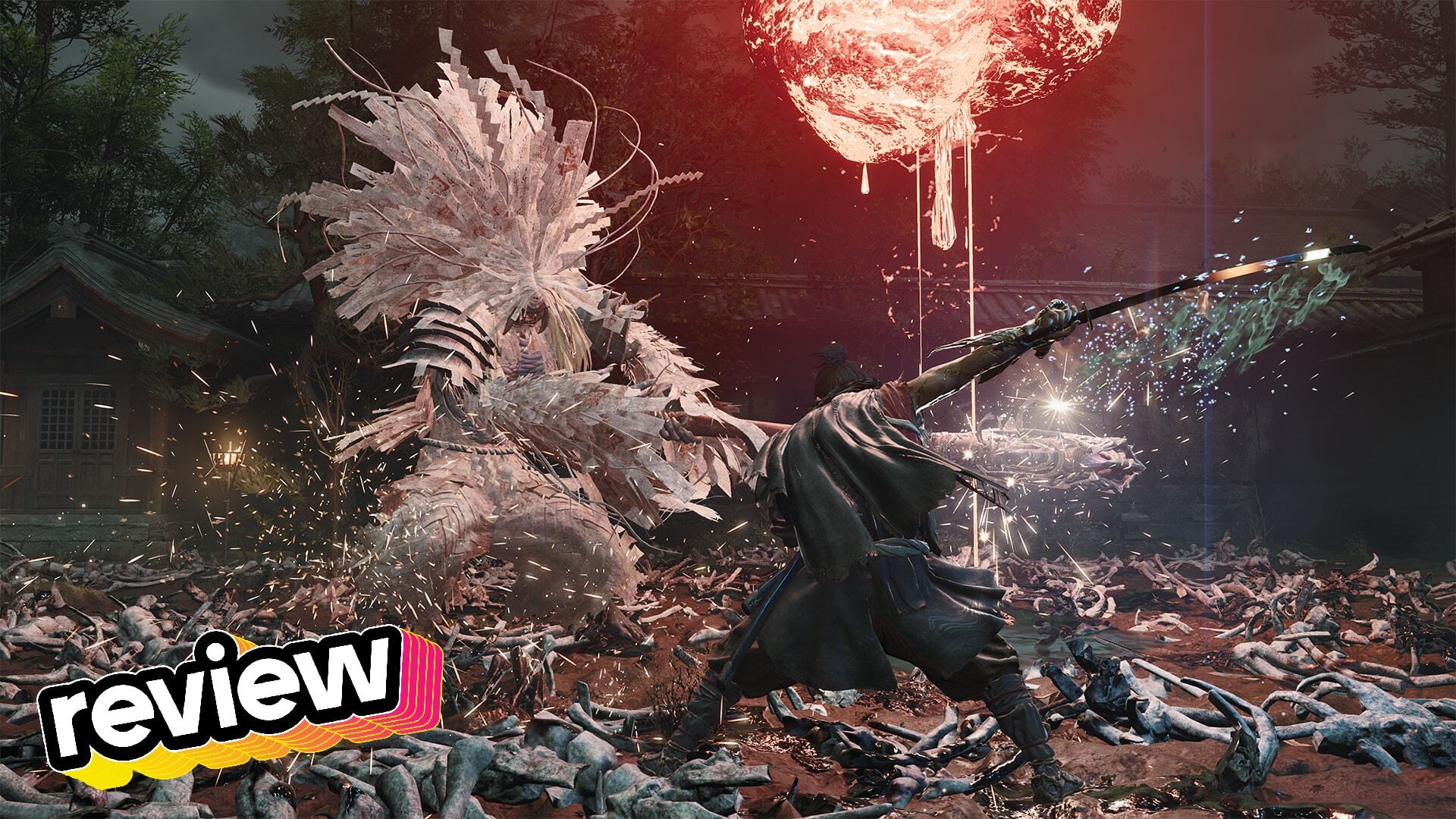
Onimusha is a particularly challenging franchise for Capcom to revive, as it exists somewhat out of time. It’s built on top of the design foundations of Resident Evil, and its development directly inspired Devil May Cry; it is, in a sense, the missing link between what Capcom’s 3D action games were and what they would become. This left the series in a weird spot after the runaway success of Devil May Cry, attempting to find some way to hold on to its identity, its entries growing longer and less focused even as the genre moved in a very different direction, until valiantly giving up the fight in 2006.
And what was that identity? Its first pillar was one of pure cinematic ambition. Onimusha games cast real, star actors in grand, digital Jidaigeki: Takeshi Kaneshiro was the series’ samurai hero Samanosuke, Jean Reno was a time-travelling French policeman. Way of the Sword, the series’ first entry in 20 years, certainly continues this need to borrow star power in a show of cinematic legitimacy, with the somewhat questionable decision to “cast” long-dead legend of the screen Toshiro Mifune as the famous warrior-poet Miyamoto Musashi, echoing his role in Hiroshi Inagaki’s Samurai trilogy.
Its second pillar was its unique evolution of Resident Evil’s design language, combining spatial exploration and resource management with a strong melee combat system. In its simplest form, Onimusha asked the question, “How can we build the experience of Knife-Only Runs into their own holistic game?” The result was still a game about routing, herding and spacing, but one that inverted the way that Resident Evil’s resource management and combat were linked. Here, instead of collecting ammunition that could be spent to dispatch enemies, attacking was free, but enemies dropped souls used for upgrades and ammunition. With every enemy, a choice was presented: you could use the traditional tank controls to avoid their attacks and use your own to earn a normal amount of souls, or hold your ground and time your attack perfectly for a deadly counter that reaped a much greater reward. This mechanic, the Issen, became the central core of Onimusha’s identity. If an Onimusha game had to have one thing, it had to have the Issen.
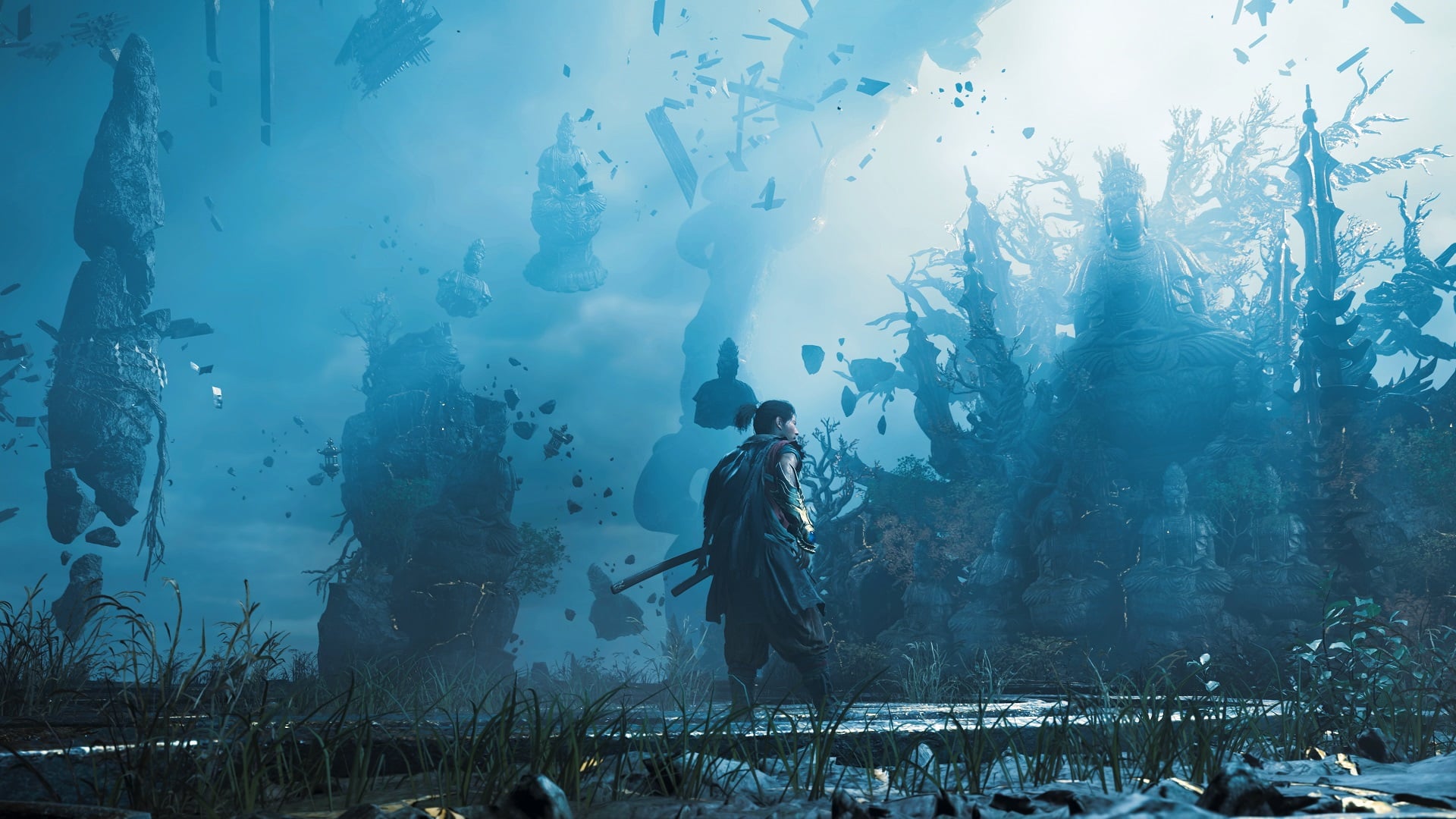
Onimusha: Way of the Sword has the Issen. But it does not contain any of Onimusha’s other design fundamentals. Instead of a coherent interconnected space you explore throughout the game, there is an open world with side missions and collectables. Instead of deliberate, restricted movement and spacing, there is a heavy lock-on with strong magnetism and tracking on both Musashi’s attacks and those of his enemies. Instead of a focused resource system that emphasizes decision making in combat, there’s a sprawling amount of currencies feeding into several overlapping, incremental upgrade systems. This is Capcom’s answer for how to bring back Onimusha: to strip it entirely to its perceived core and to replace everything else with something that looks superficially similar, if you squint. The result is a game at war with itself, where each decision collides with every other in a series of unsatisfying compromises.
Let us focus first on where Onimusha: Way of the Sword also chooses to focus: combat. Onimusha’s original design focused on that risk/reward choice between avoiding being hit and standing your ground. Turning was restricted and movement was deliberate. Avoiding attacks meant carefully considering where you were standing, and the best strategy was to simply not be in the place where the enemy attacked in the first place. Standing your ground meant risking eating that hit, but opened up access to your Issen counter. This was an intuitive and engaging system, but it had one unignorable structural weakness: The Issen is a binary mechanic. Unlike movement, which due to variances in your inputs and enemy behavior, has near-infinite ways to be performed, ranging from embarrassing to masterful, the Issen is either performed correctly or it isn’t. Once you have learned the Issen timings on every enemy, the risk/reward dynamic that makes each encounter so engaging loses its risk. This was not a great concern in the original game, being only four hours long, but as the games got longer and the audience’s experience with the series grew, different Issen variations were introduced in order to add more decision-making into combat, with varying levels of success.
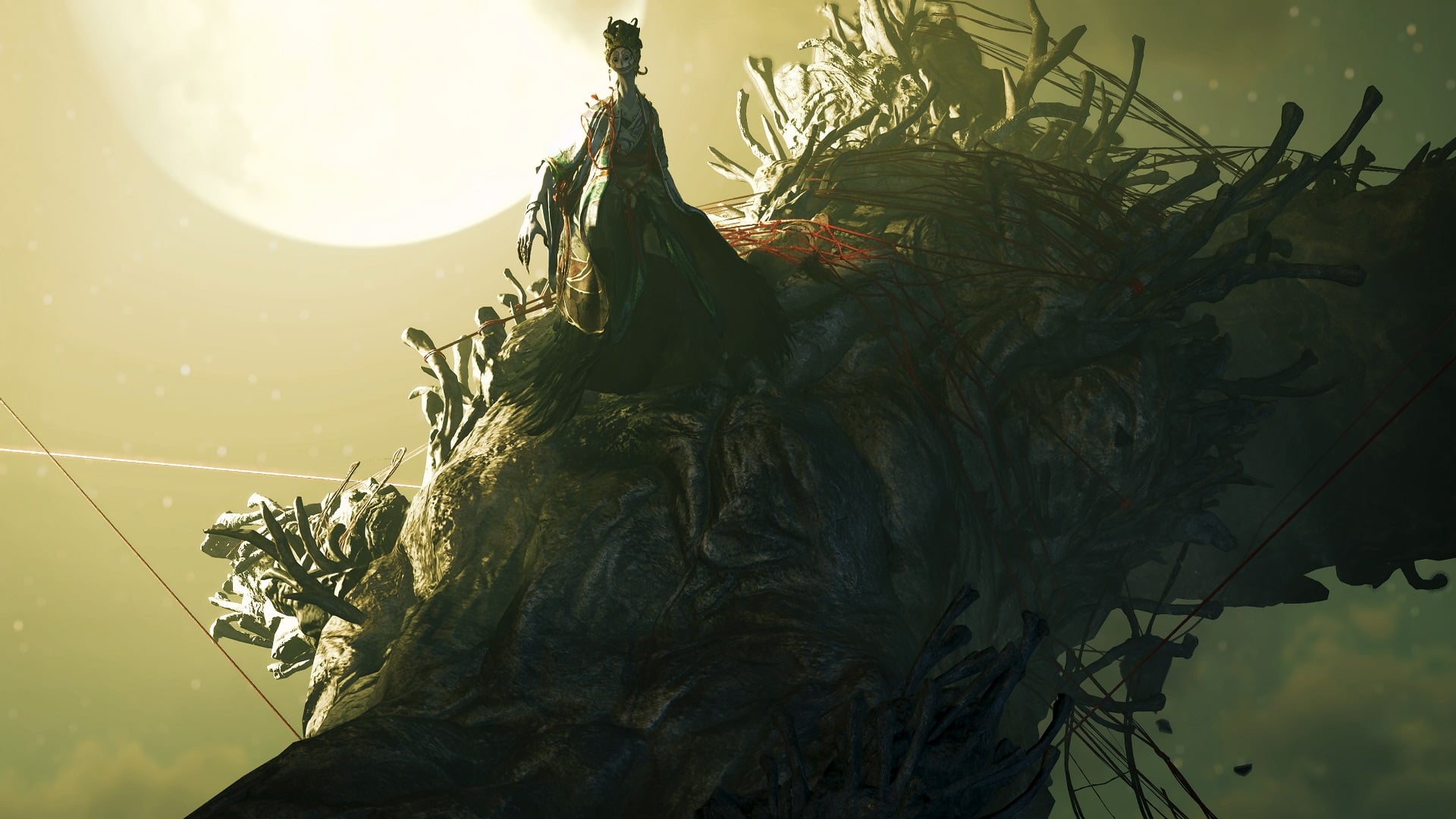
Onimusha: Way of the Sword
-
Back-of-the-box quote:
“Learn to love the challenge. Learn to ignore everything else”
-
Type of Game:
Cinematic open-world action game with RPG elements
-
Liked:
Satisfying, difficult boss fights that push you to master the game’s strict mechanics.
-
Disliked:
Mob fights are a poor fit for the game’s rigid, parry-heavy combat system, the open world stretches the game even thinner and a bland story provides no narrative hook to keep you playing either.
-
Developer:
Capcom
-
Platforms:
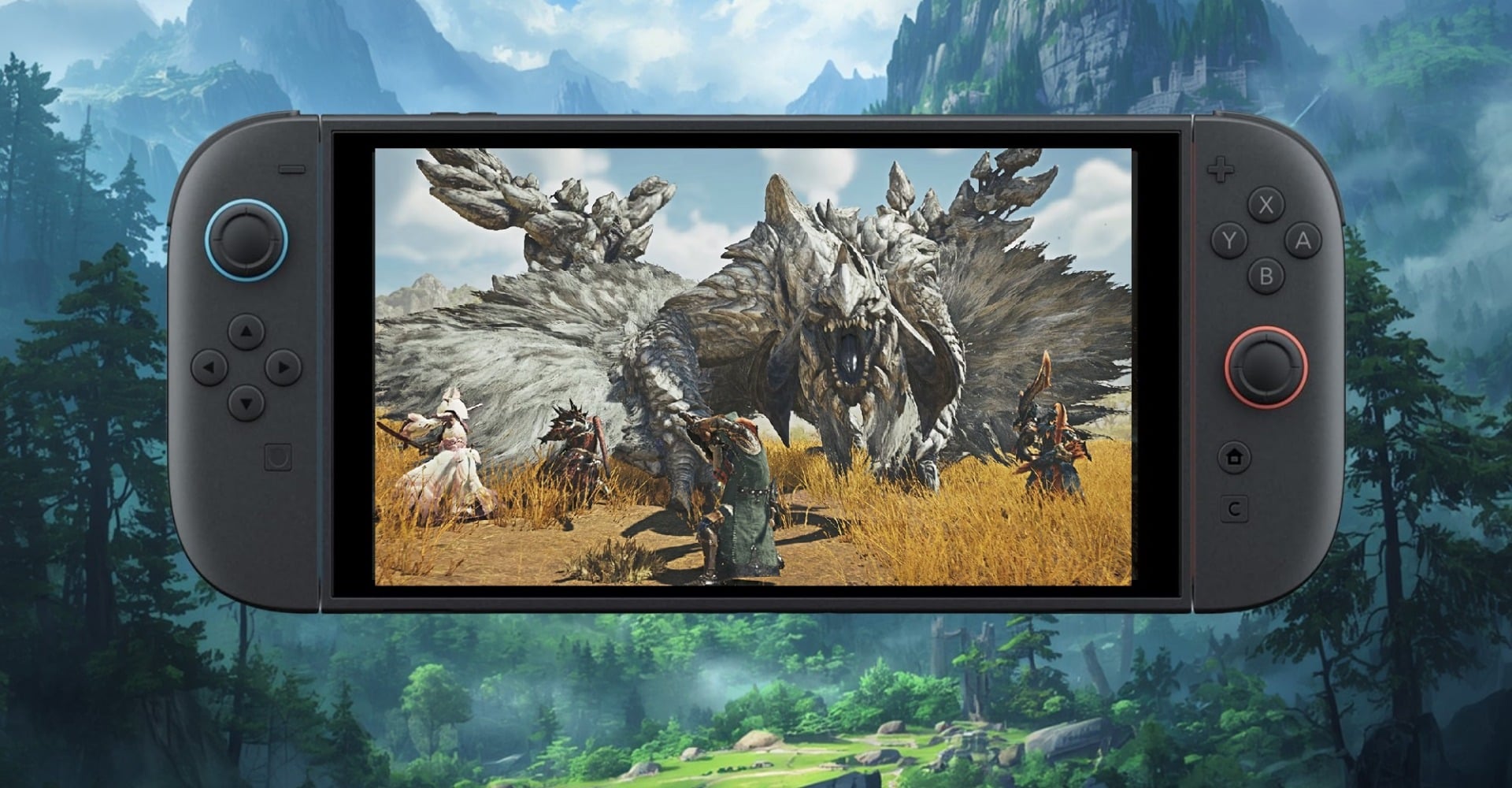
PS5 (played), Xbox Series X/S, Switch 2, PC
-
Release Date:
September 24, 2026
-
Played:
25 Hours, with lots of open-world content still left in my to-do list.
Way of the Sword continues this trend and takes it to an extreme, while throwing the baby out with the bathwater. First, movement has been so downplayed as to be taken out of the equation almost entirely. Musashi has a generous slide towards enemies when he attacks, and enemies lunge towards you with heavy tracking. When in a one v one—which the majority of the game’s boss fights and setpiece encounters are—you only have to worry about not standing too close to a wall and sending the camera off its axis completely. Capcom knows the Issen alone is not enough, so in order to compensate for this new approach to movement, your defensive toolkit has been expanded to a suite of five (count ‘em) different timing-based reaction mechanics. There is the Issen, the parry, the reflex dodge, the deflect, and the blade barrage. Way of the Sword’s combat design is primarily around throwing different attacks at you which require different responses and different timings, and which give different advantages. It will be compared a lot to Sekiro, and this comparison is not inaccurate, but I find a better touchstone for both its strengths and weaknesses is Punch-Out!!
Fighting a boss in Way of the Sword is very similar to bouts in Punch-Out!! Both require you to respond to animations with the correct (and correctly timed) input. Both have varying levels of punishment and strictness for your execution of these challenges within each fight. The satisfaction comes from slowly learning the patterns and internalizing the correct responses, until you reach the level of mastery where your opponent is unable to land a single strike no matter what they do. Within its boss fights, Way of the Sword is capable of reaching these peaks. These duels can, as the game progresses, get brutally difficult, and as you reach new ones, they may consistently cause you to ask yourself how winning such a thing is even possible. But they can all be overcome with observance, perseverance, and keeping your cool.
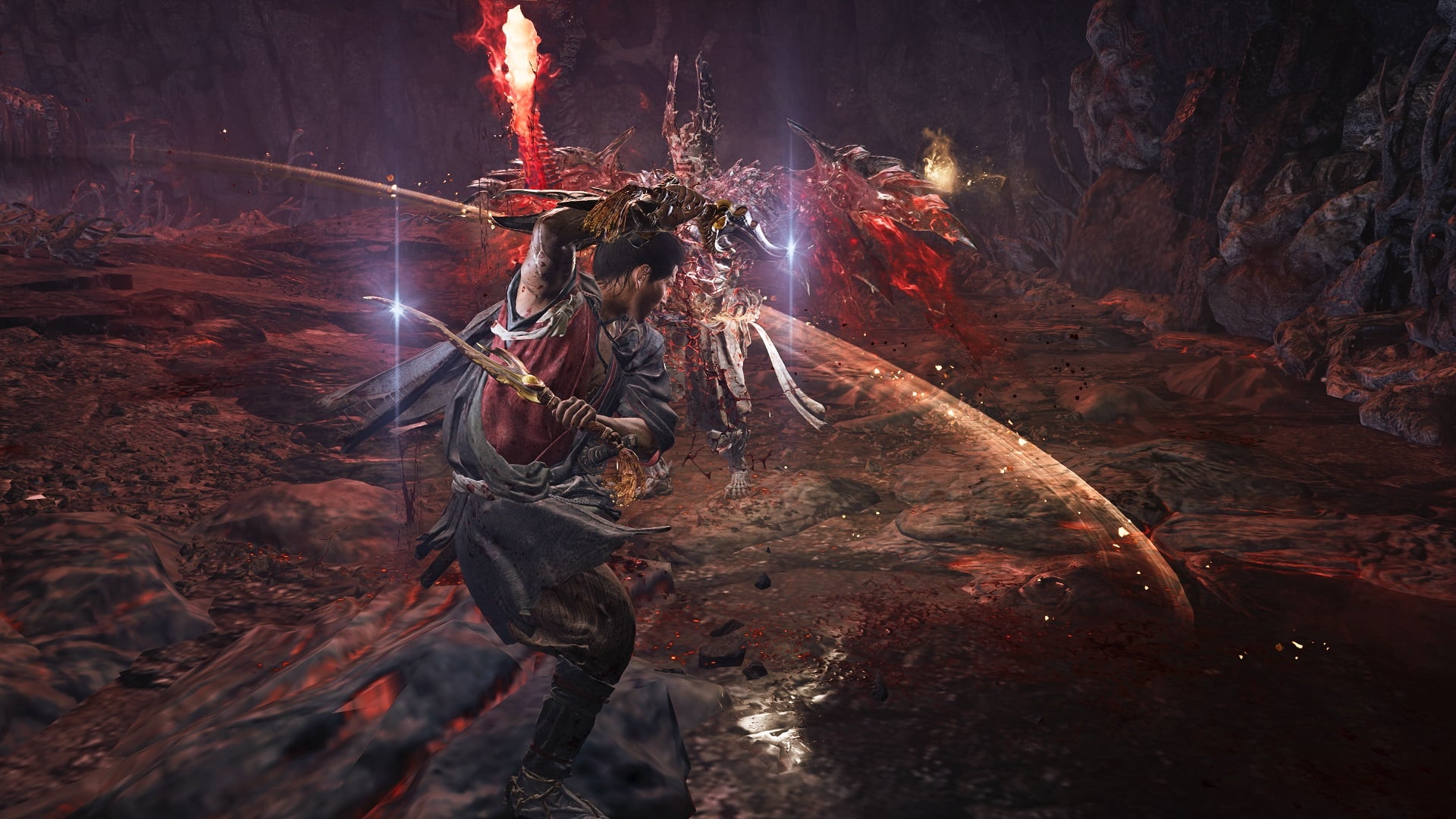
No single attack is that hard, no mandatory timing window so tight that it feels impossible. Instead, Way of the Sword asks for consistency. Hang in there. Don’t give up. You’ve parried that attack before. And with Capcom’s sound and effects team, the impact of these hits when you finally perform them correctly is music to the ears. These boss fights are excellent, and overcoming them is the game’s true appeal. Despite everything else, the quality of this specific experience is what will make the whole thing worth it, and guarantees this game a passionate audience. You might read the many complaints in this review, and still think you’ll be one of those passionate players, and to you I say godspeed and fight true: these boss fights are absolutely the new vision of Onimusha at its best. But I make this comparison mostly because it highlights Onimusha’s fatal flaw far easier than anything else I could say: Punch-Out!! is not 25 hours long and you don’t fight a Soda Popinski miniboss seven times.
Outside the context of boss fights, Way of the Sword’s combat system collapses like a house of cards. To account for the strength of your defensive options, boss movesets are oppressive and intense, challenging you to find gaps to heal, even punishing you for disengaging to camp with enemies’ fast-recharging stamina. None of this is true in mob fights. Here, your defensive options must be accounted for but in the other direction. Musashi’s moveset focuses on single-target parries, so enemies patiently take turns to attack in order to ensure your core moveset remains viable. Issens in the original had a hitbox, so herding enemies to take out multiple with a single counter was a valid and effective strategy. Here, Issens are locked animations, and can only be chained with another timed button press or by depleting enemy stamina. These fundamental flaws are never addressed, instead merely papered over as the game makes basic enemies tankier, or adds armor which functions exclusively as a “press the armor-breaking button” quick time event. For 95 percent of the game, you’ll be approaching mobs of enemies not as coherent groups whose composition meaningfully changes the encounter, but as individuals you rigidly defeat in a pre-determined fashion, one by one. You will be bored of an enemy type after their third appearance. You will be fighting that enemy for tens of hours. And you will question all the choices that led you here when the game starts regularly recycling minibosses.
This would be bad if Way of the Sword was just a linear action game, but it is not. It is an open-world game, and that means it doesn’t just have encounters and levels, it has Content. It means that, between main missions, you may spend your time running through repeated areas, doing the same parries on the same enemies for even more hours. It means running around the map, collecting 2 Iron and 1 Whetstone to increase sword damage by 2 percent. It means navigating by markers and breadcrumb trails and occasionally pressing your detective-vision button to find a hidden chest in that dead end. The choice to make Way of the Sword an open-world game is by far the single choice that most poisons the dish. It brings no benefits, and is completely at odds with everything else about the game’s design. It’s simply not fun to fight an enemy again after you’ve already passed the test of how to fight that enemy. Upgrade materials are stretched so thin that you either have to spend literal hours engaged in mind-numbingly tedious resource collection to meaningfully reap the benefits, or to accept being underpowered for the bulk of the game. It’s a design decision that feels driven by pure obligation, because releasing a game of this size and scope without repeatable morsels of content spread throughout is simply unthinkable at seventy dollars. The tragedy, of course, is that Onimusha always had repeatable content: it was called replaying the game.
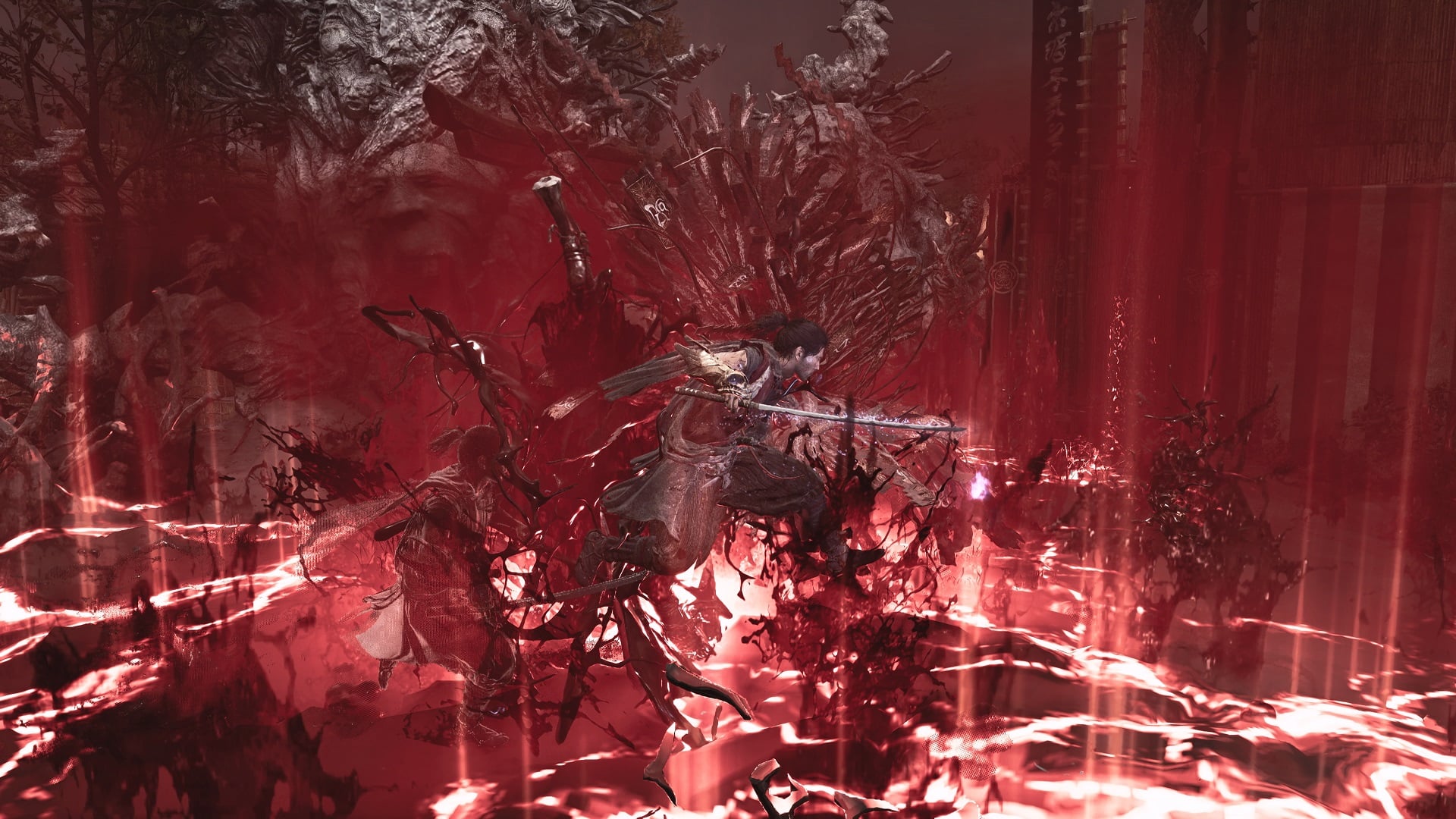
Which brings us full circle, at last, to the story. In an outcome most faithful to the original, this new Onimusha is a lavishly produced game with grand cinematic ambitions all done in the service of a generic, disappointing story. This would be fine if the rest of the game was both well-paced and constantly engaging, like it was in 2001. But Way of the Sword is neither, and so its narrative failings are even more pronounced. This is emphasized by the choice to use Mifune’s young face, as you watch a digital replica of one of history’s greatest actors send you to sleep with stock shonen tropes. If you have ever wanted Toshiro Mifune to say “My friends are my power!” while going Super Saiyan, this game is for you, though that sentence definitely makes this sound more appealing than it is. The generic sensibilities of the writing contrast poorly with the overly grey visuals and photoscanned actors, and it all leads to a story that isn’t fun enough to embrace how dumb it is, but isn’t good enough to get away with how dour it is.
The game is filled to bursting with famous historical figures, but is bafflingly uninterested in using them for anything fun. Way of the Sword is set in Kyoto in the early days of the Tokugawa Shogunate, and you visit the Imperial Palace, but no one ever explains what either of those things are at this very interesting point in history. It feels like such a missed opportunity. The original Onimusha games did not have particularly great stories either, but they did have fun getting up to some true Metal Gear-type nonsense with how they tied their Oni alt-history to specific battles and events in the Sengoku era.
Way of the Sword is a heartbreakingly confused and compromised game. There is an excellent core in there, even if that core has very little to do with anything previously called Onimusha. But that core of quality boss encounters only takes up anywhere from ten to thirty percent of its playtime, depending on how much time you spend either dying over and over or doing optional content in the open world. The remaining bulk of the game flits between, in the best case, a poor fit for its core mechanical design, and in the worst case, an active waste of everyone’s time. It is not badly made or incompetent, but torn apart by concessions to market expectations and the scope obligations of games produced at this budget. Onimusha has come back, and all it can do is remind us of what we have lost.