As I’m sure will surprise no one, this list of the best moments of the Mass Effect series in the wake of BioWare’s shutdown was originally a lot longer. I strolled into the Kotaku Slack with a list of…one second, let me count…57 moments across all of Mass Effect that I wanted to spotlight. That was after I had made what I thought were tough cuts, but once I plopped that proposed monster into the chat, I was immediately bullied for my hubris and told I was only allowed 12. Frankly, that was rude as hell and a direct attack on my sparkle. But here I am. I killed 45 of my darlings and picked what I consider the 12 best moments across the Mass Effect series, and even now, I may keel over at the thought of not including moments like the Wrex conflict on Virmire, or Tali thinking about where the living room window of her new home will go once she’s reclaimed the Quarian homeworld of Rannoch.
So if you open up this list and wonder where your favorite moment is, do not blame me. It would have been almost five times longer if I were in charge. Please feel free to talk about your favorite moments that didn’t make it in the comments. And now, after torturing myself to scale this list down, let’s get into the 12 best moments in all of Mass Effect.
Speaking to Sovereign
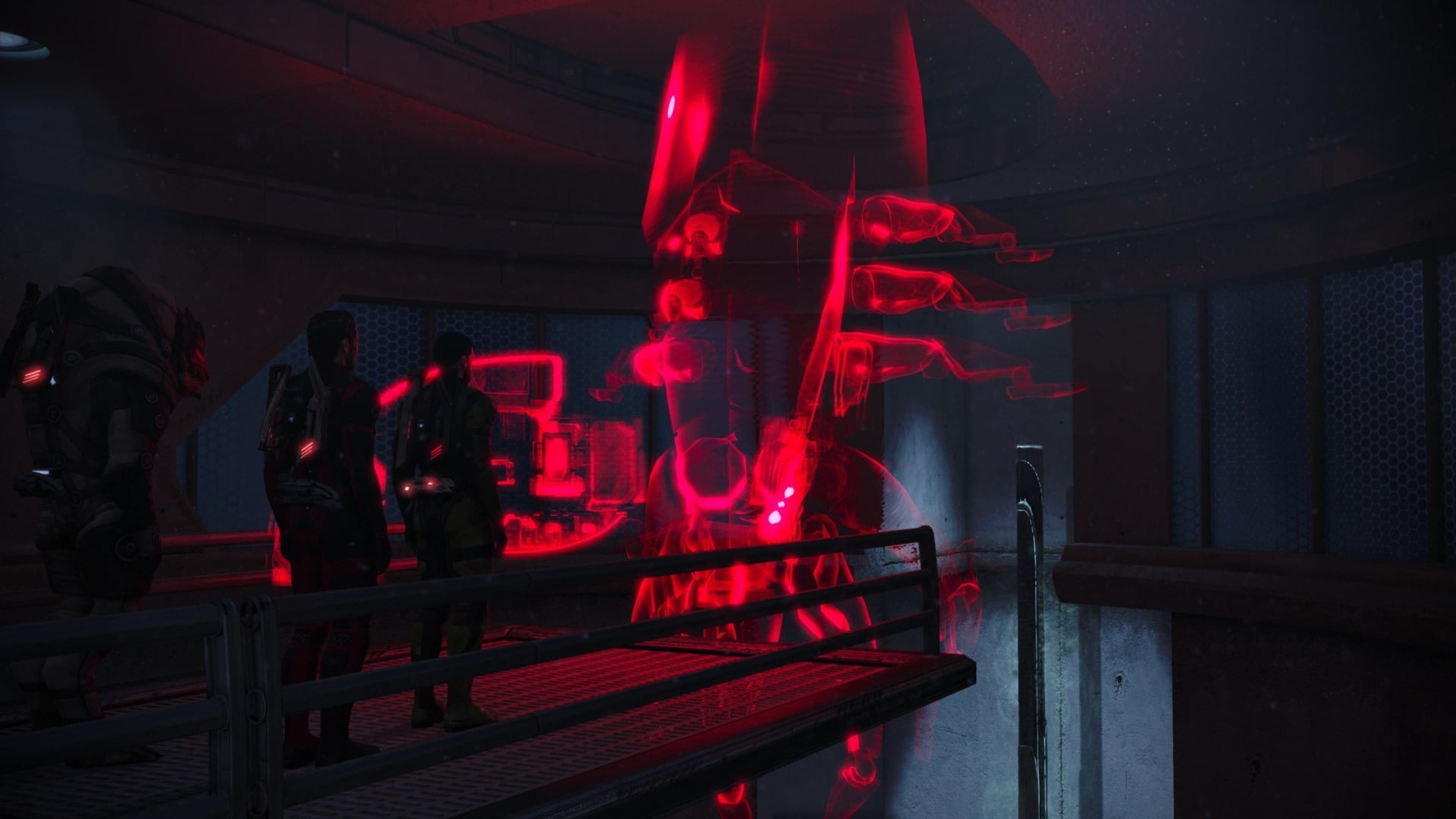
Up to this point, Mass Effect has made its galaxy feel large, but it isn’t until the player is able to speak to Sovereign, the “vanguard of [our] destruction,” that it becomes clear that it is far larger than your comprehension. The point guy of the Reapers, a synthetic/organic hybrid race that has wiped out galactic life multiple times across eons, Sovereign suggests that humanity is merely a blip in the Reapers’ long, long history of genocide and assimilation.
“Rudimentary creatures of blood and flesh. You touch my mind, fumbling in ignorance, incapable of understanding.”
In a rush of human pride, Shepard declares that, whatever the Reapers may have done to galactic civilizations that have come before, they have never faced humanity before, and we will not fall to the same end. And hey, what do you know? Shepard was right. — Kenneth Shepard
The Virmire choice
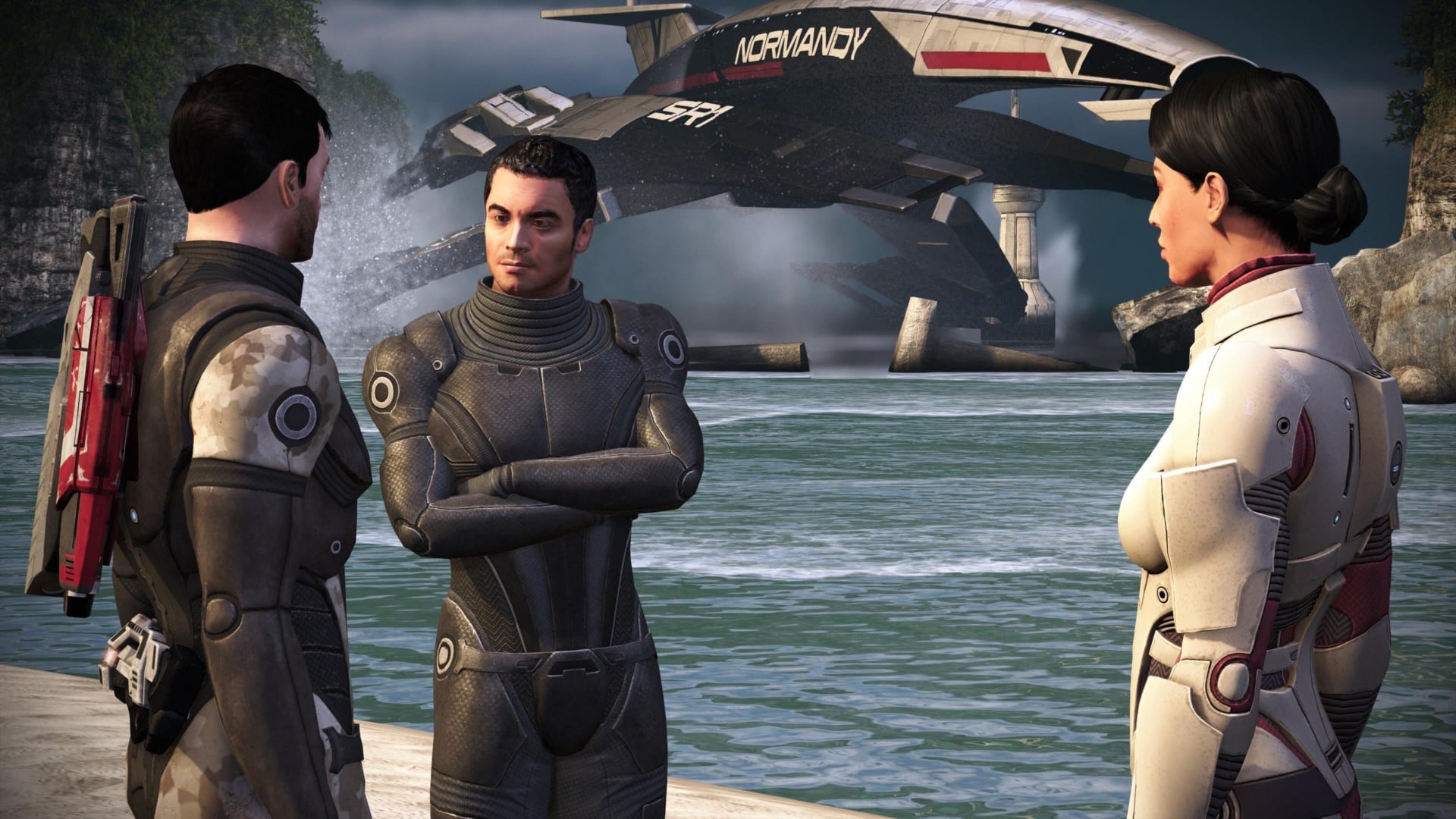
Mass Effect was pitched as a trilogy in which your choices would have consequences across multiple games, and the Virmire decision is when it becomes clear that BioWare meant business, making you choose between two of your party members. Yes, prior to this it’s possible to lose the krogan tank Urdnot Wrex, but there is a way out of that if you’re close enough to him or persuasive enough. The Virmire choice, which requires you to choose between either the career soldier Ashley Williams or the soft-spoken biotic Kaidan Alenko, doesn’t give you an easy way out. They each have their backs against the wall on different sides of an enemy base, and you don’t have time to save them both.
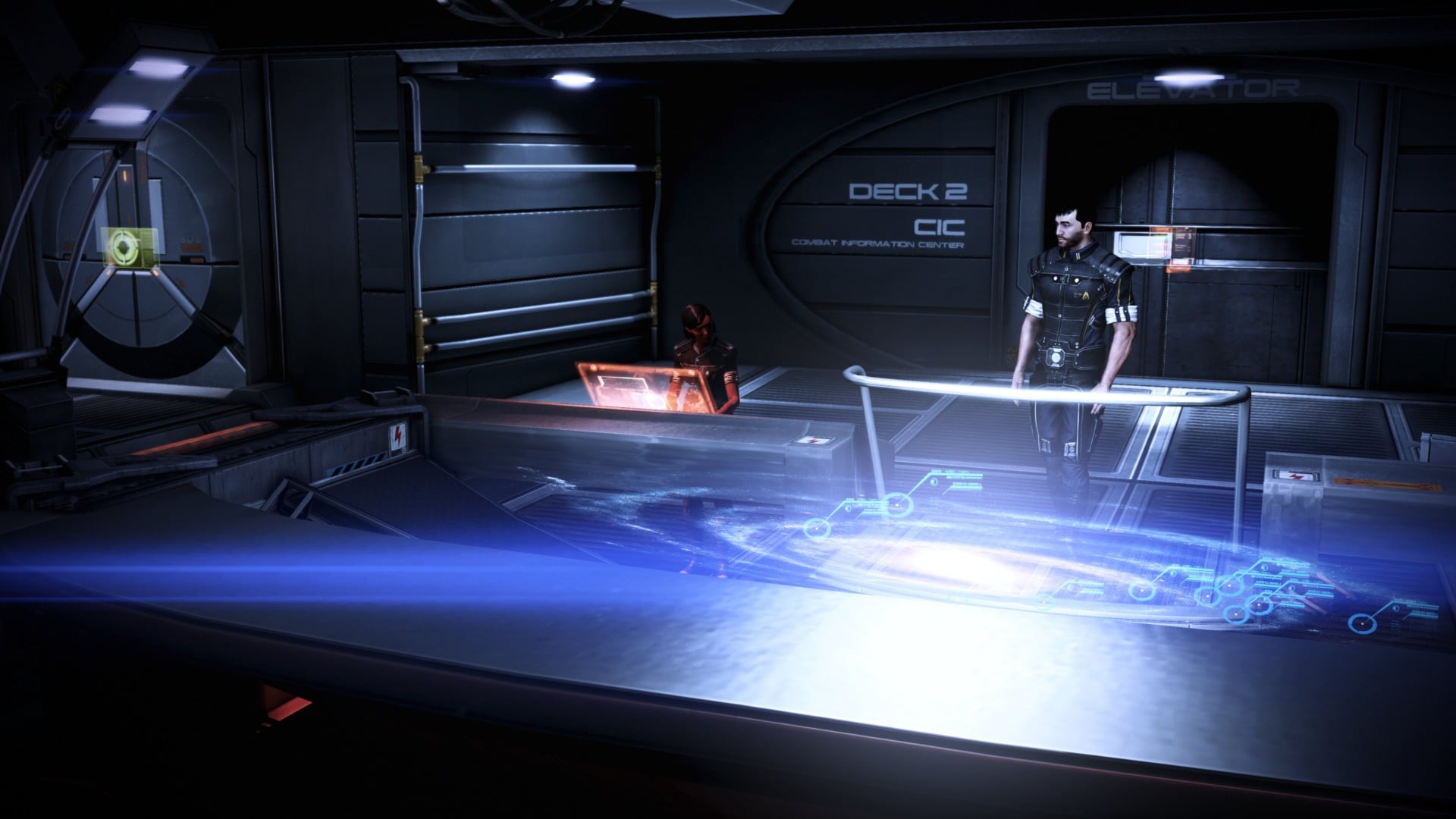
Whoever survives goes on to play a major role in the games that follow, but the empty chair in the Normandy’s meeting room serves as a reminder that not everyone is going to get out alive, and you have to be willing to live with the consequences of being in command when your choices lead to the loss of a friend. — Kenneth Shepard
Vigil
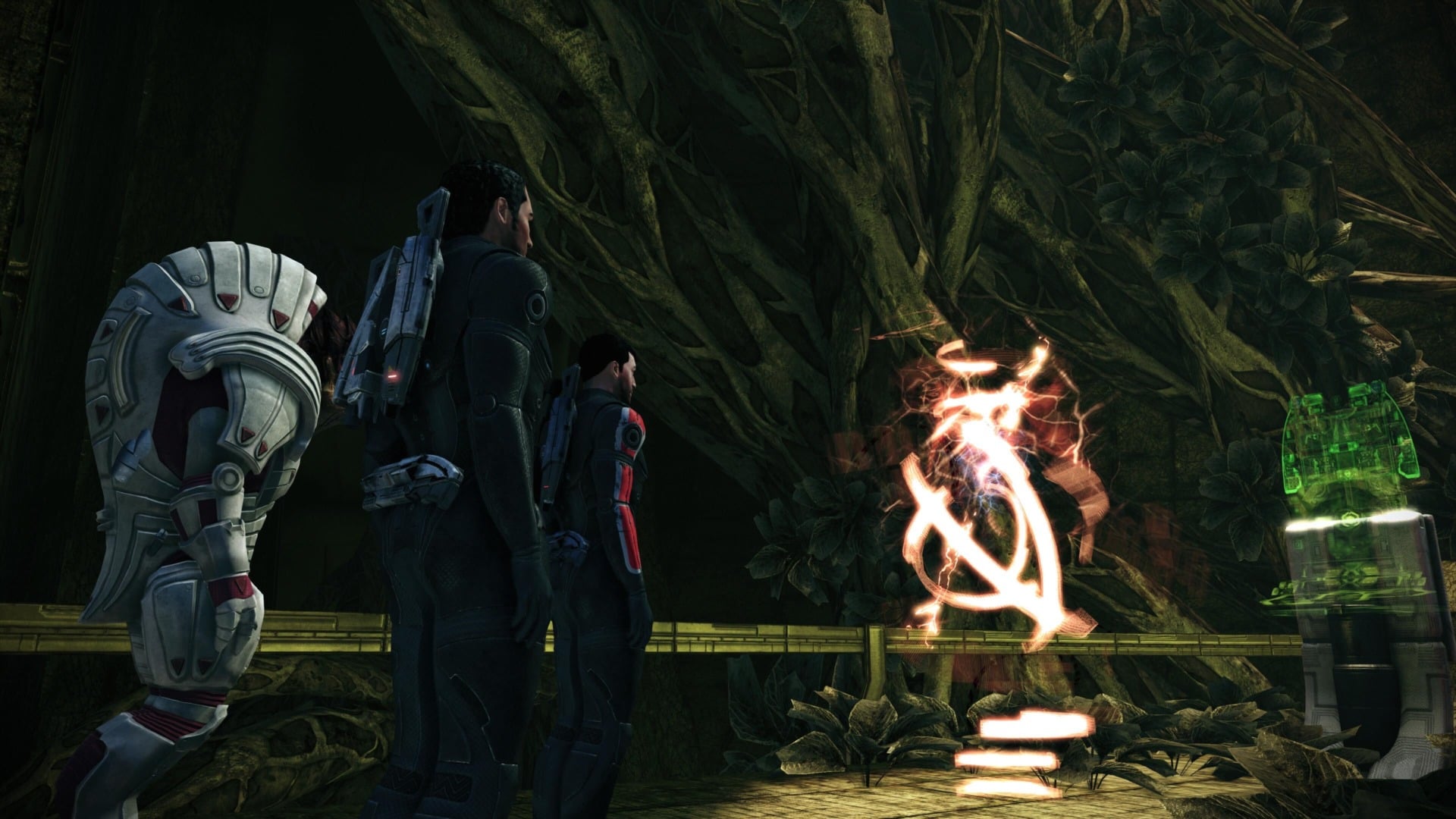
The original Mass Effect sure does love its lore dumps. Much like the way the conversation with Sovereign illuminates the murderous intent of the Reapers, the conversation on Ilos with Vigil sheds light on the attempt to stop them. It’s an interesting if grim conversation, detailing the Protheans’ against-all-odds efforts to stymie the Reapers, revealing details that bring the plot right back to where it all began: The Citadel. If you’re a Mass Effect lorehound, it’s a brilliant bit of storytelling. The Citadel, introduced to Shepard as a wondrous structure with its many mysteries, was in fact designed by the very enemies threatening to wipe them out. In the early hours of the game, as the keepers—those green creatures seen puttering around and maintaining the Citadel—become background noise, Vigil reveals them to be the unsung heroes keeping the Reapers at bay. Shepard also gets some insight into the nature of the Reapers, but not too much. When Shepard asks why they emerge every so often to wipe out life and Vigil answers with an “IDK bro, they’re gonna kill you, you don’t need to know why to stop them,” you get a fun peek into the writers room. It’s an admission of sorts that BioWare needed a powerful, ontologically evil bad guy, but didn’t really think too far beyond that. And sometimes, if it’s Mass Effect, that’s okay. —Ash Parrish
The destruction of the Normandy and death of Shepard
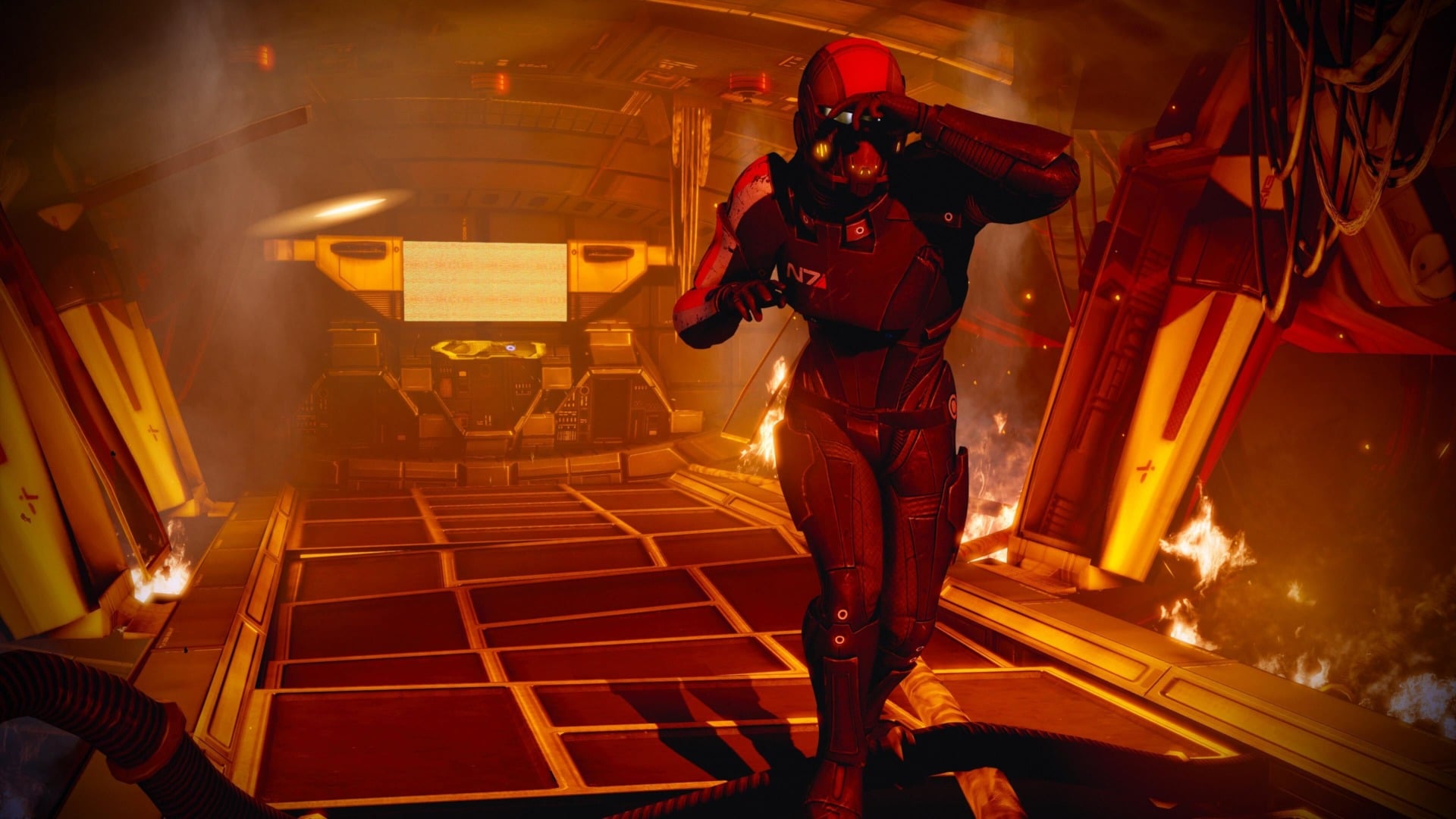
Mass Effect 2 is the powerful game it is specifically because it lets you know what’s at stake from the very beginning. There are no sacred cows here; anybody and everybody can bite it, including and especially Shepard.
It’s a brutal scene, made worse by the sight of Shepard wriggling as they slowly suffocate and fall into the gravity well of a planet. And losing the Normandy is just as gutting. That ship is essentially the “sixth man” of the Mass Effect crew, possibly one of the most iconic vehicles in all of video games. Yes, Shepard’s death and the Normandy’s destruction are immediately reversed, but the moment leaves a lingering pall over the rest of the game. They get second chances; your crew, however, won’t. — Ash Parrish
Tali’s trial
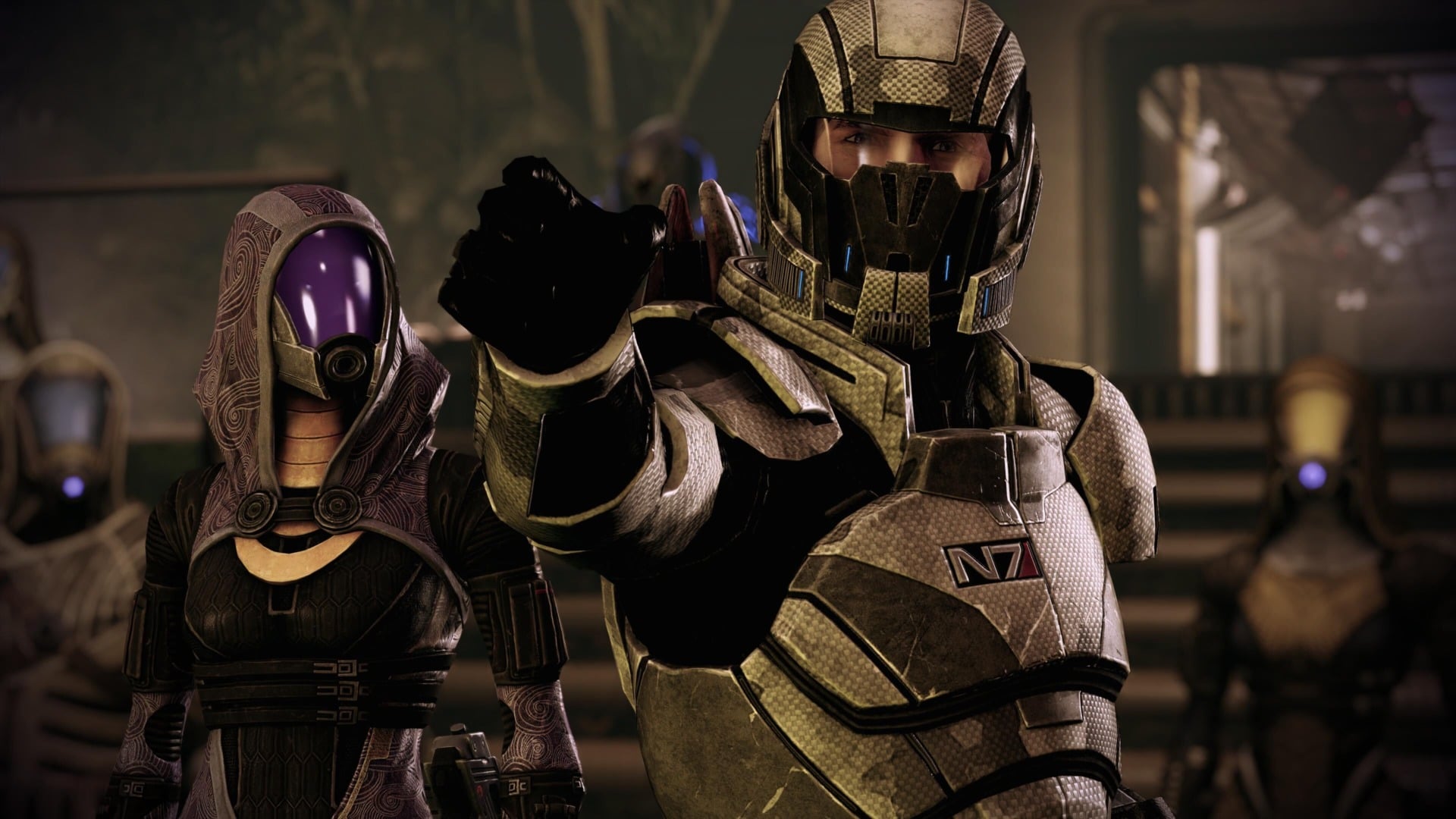
Of all the loyalty missions in Mass Effect 2, Tali’s is the one that feels most significant. In visiting the Quarian Migrant Fleet, we find that Tali’s father has been killed in a surprise Geth attack on one of the flotilla’s ships. Tali had been shipping synthetic Geth parts she’d found on her galactic journeys back to the Migrant Fleet for study, which seemingly came to life as full-fledged Geth units that attacked the Quarians on board. As you investigate what happened and talk to the various Quarian leaders, you learn that this entire thing is an elaborate ruse that the Quarian Admiralty Board is using for their political gain, propping up Tali as a sacrificial lamb for the war they want to start with the Geth. In the end, Shepard represents Tali in a trial and can either expose her father’s crimes, saving Tali from exile and gaining favor with the fleet; withhold the information and retain Tali’s loyalty; or, if you’ve talked with everyone and can see through this whole charade, call them out publicly in front of a crowd of onlookers, exposing them and forcing their hand. The sheer drama of it all, the theatricality dripping from every line, is BioWare firing on all cylinders. — Kenneth Shepard
The Suicide Mission
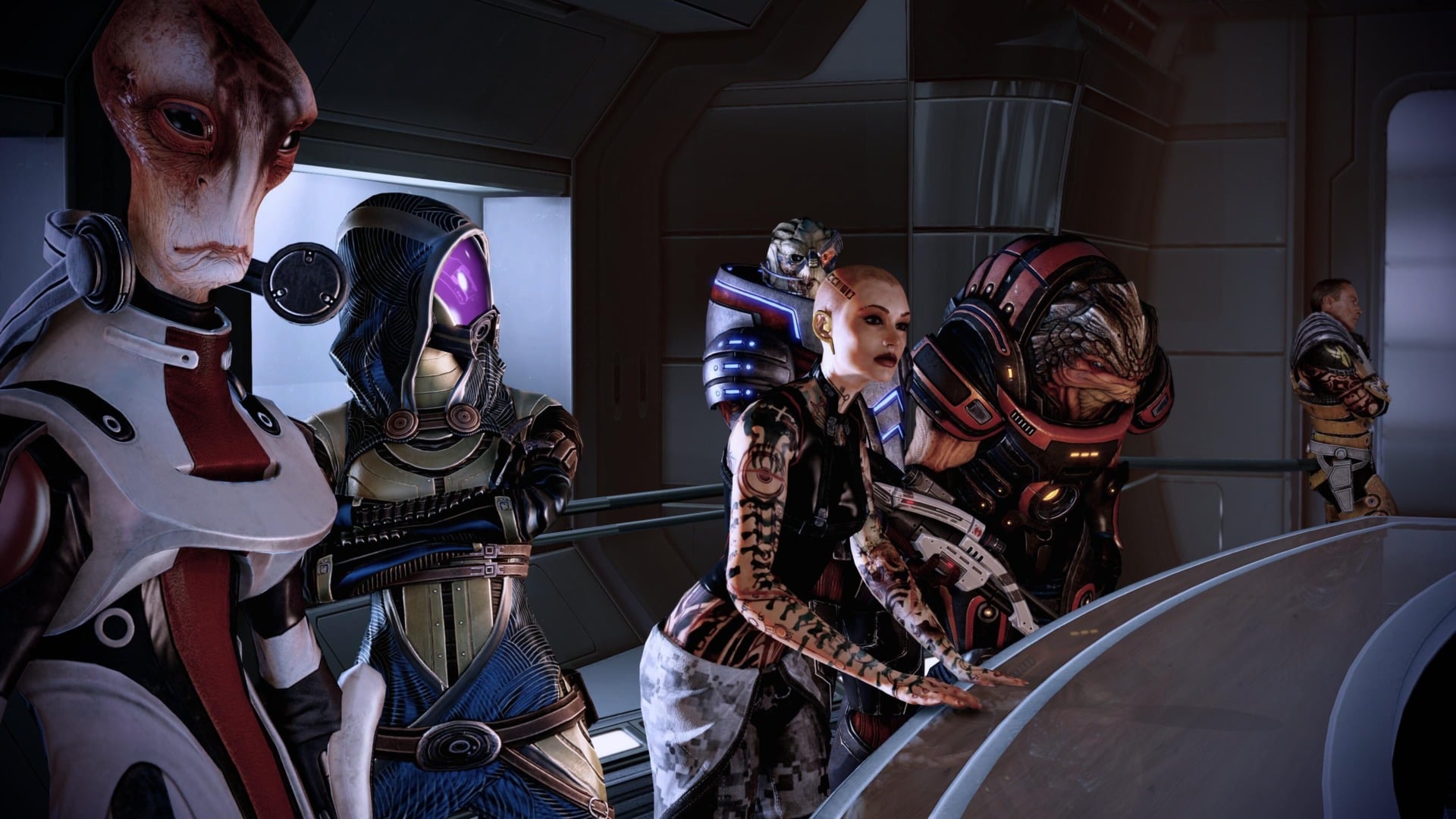
Throughout the first two Mass Effect games, you end up making decisions whose repercussions won’t fully manifest until later in the trilogy, waiting for a real payoff in Mass Effect 3 when BioWare ties off loose ends and this galactic war comes to an end. Mass Effect 2’s Suicide Mission is, aside from perhaps Virmire, the sequence in which the series most effectively puts the consequences of your actions as a commander right in front of your face. You’ve spent the entire game recruiting and getting to know your suicide squad, but did you take the time to truly understand them? The Suicide Mission is the ultimate test of whether you’ve been paying attention, as it presents you with multiple instances of jobs that need to be done and asks you to figure out who’s the best person for each. Making the wrong call results in casualties, and Mass Effect 2 is uninterested in holding your hand as you make your way into the Collector Base in the hopes of saving humanity.
Though my favorite moments in Mass Effect are typically ones in which you’re forced to make a hard sacrifice, the terrifying anxiety and adrenaline of playing through the Suicide Mission for the first time is something you can’t really experience again. There’s a reason Dragon Age: The Veilguard tried to emulate it in its own finale. — Kenneth Shepard
Mordin’s death
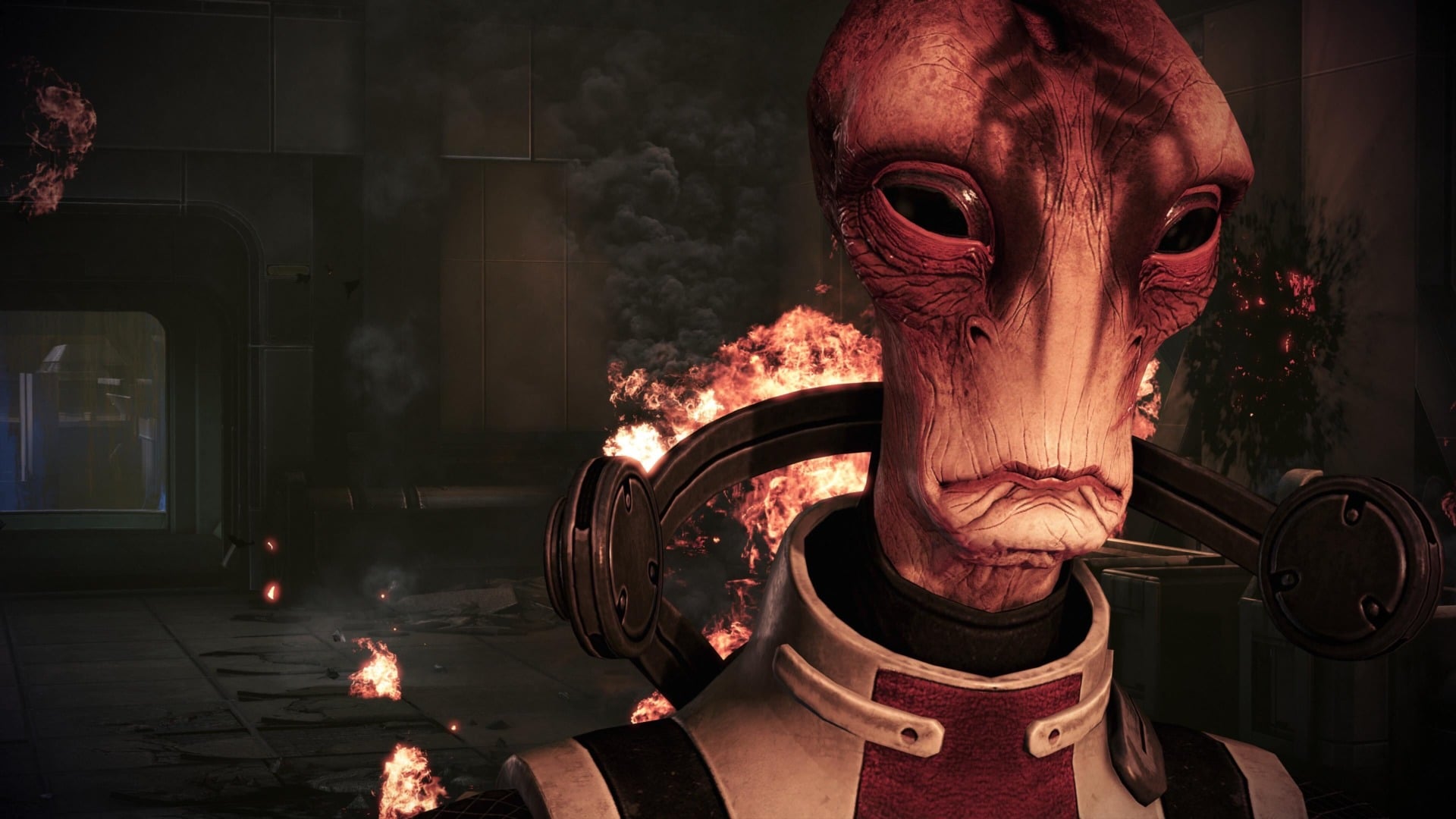
The death of salarian scientist Mordin Solus is the kind of moment that can only hit as hard as it does because it’s the culmination of a trilogy’s worth of work. Mordin is a man who has typically been clinical, looking at statistics to justify his people’s work in creating the genophage, a sterility plague that has left the krogan people with declining birthrates that threaten to one day wipe them out entirely. In Mass Effect 3, the only way to secure an alliance that might save the galaxy from the Reaper threat is to undo the damage the salarians did, and in order to do it, Mordin must sacrifice himself to disperse a cure across the atmosphere of the krogan homeworld.
Mordin’s final moments in Mass Effect 3 can go multiple ways. They can end with Shepard shooting him in the back to ensure he can’t free the krogan from the genophage, or perhaps convincing him that it should remain in place. But the most impactful variation of this scene is the one in which he makes the decision to climb to the top of a collapsing tower and, if you’ve seen him sing a Mass Effect-ified version of Glibert & Sullivan in Mass Effect 2, he’ll sing a little song to calm his nerves.
As far as loop-closing, medium-defining character moments go, BioWare’s send-off for Mordin was some of its finest work. Had to be him. Someone else might’ve gotten it wrong. — Kenneth Shepard
Thane’s death
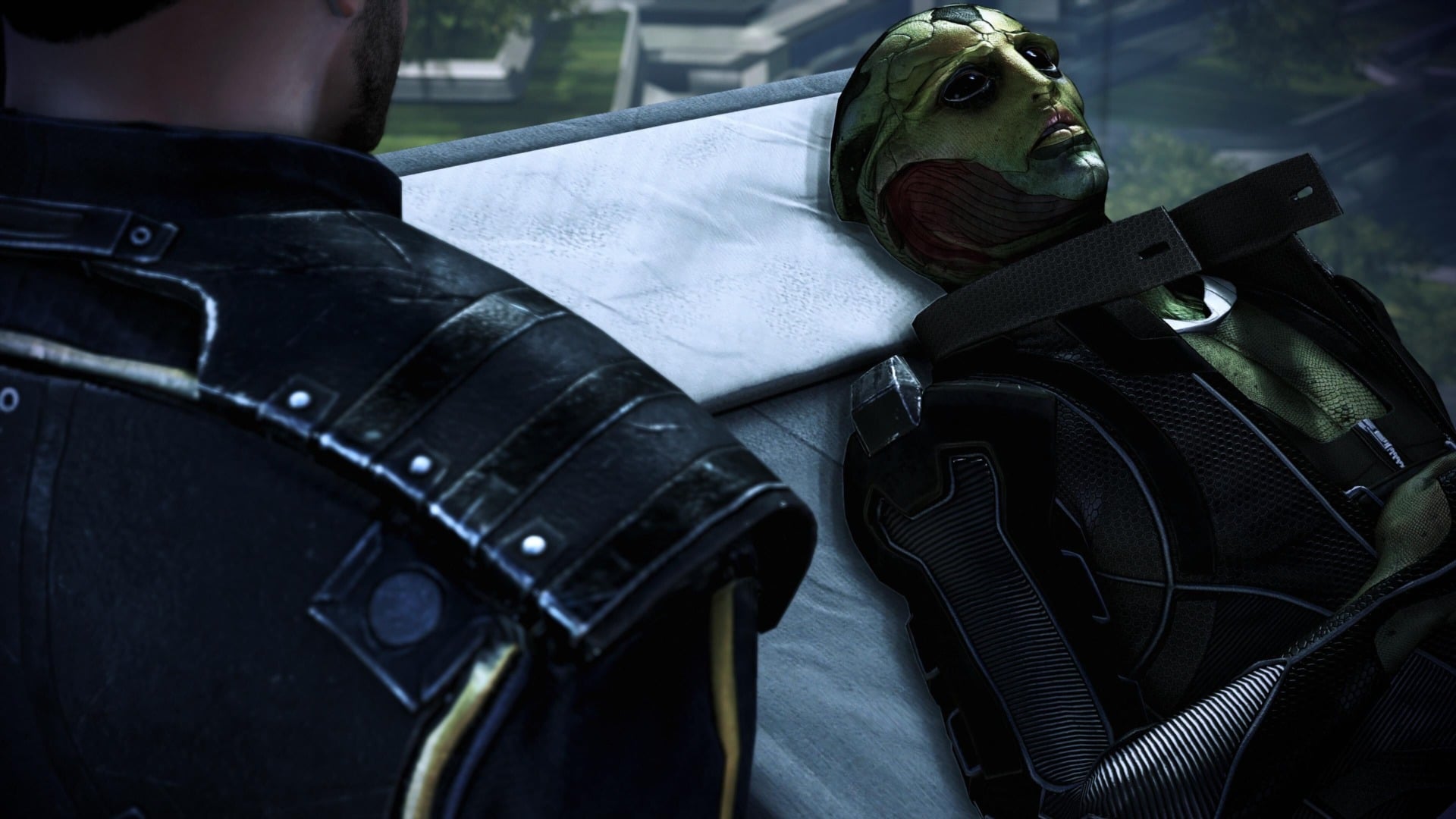
Well, if watching Mordin’s death wasn’t already devastating enough, Thane’s death follows and is much more painful to watch. Where Mordin’s sacrifice is a quick moment, punctuated by an explosion which cuts off an unfinished lyric, Thane’s passing is long, just drawn out enough to say everything it needs to say, and leave you on a hopeful note that, perhaps, you might not have to endure too much more pain and loss as you continue to fight this war.
There’s no reprieve for Shepard, however, who still has plenty of loss to endure before the game is over. Still, Thane’s final prayer, one that he’s too unwell to read himself, expresses the hope that, when all is said and done, Shepard will find some solace in whatever comes next. In his final moments, he worries not for himself, but for the ally he left behind, and leaves a prayer of good fortune with his last, strained breaths.
“Guide this one to where the traveler never tires, the lover never leaves, the hungry never starve. Guide this one, Kalahira, and he will be a companion to you as he was to me.” — Kenneth Shepard
The Citadel party
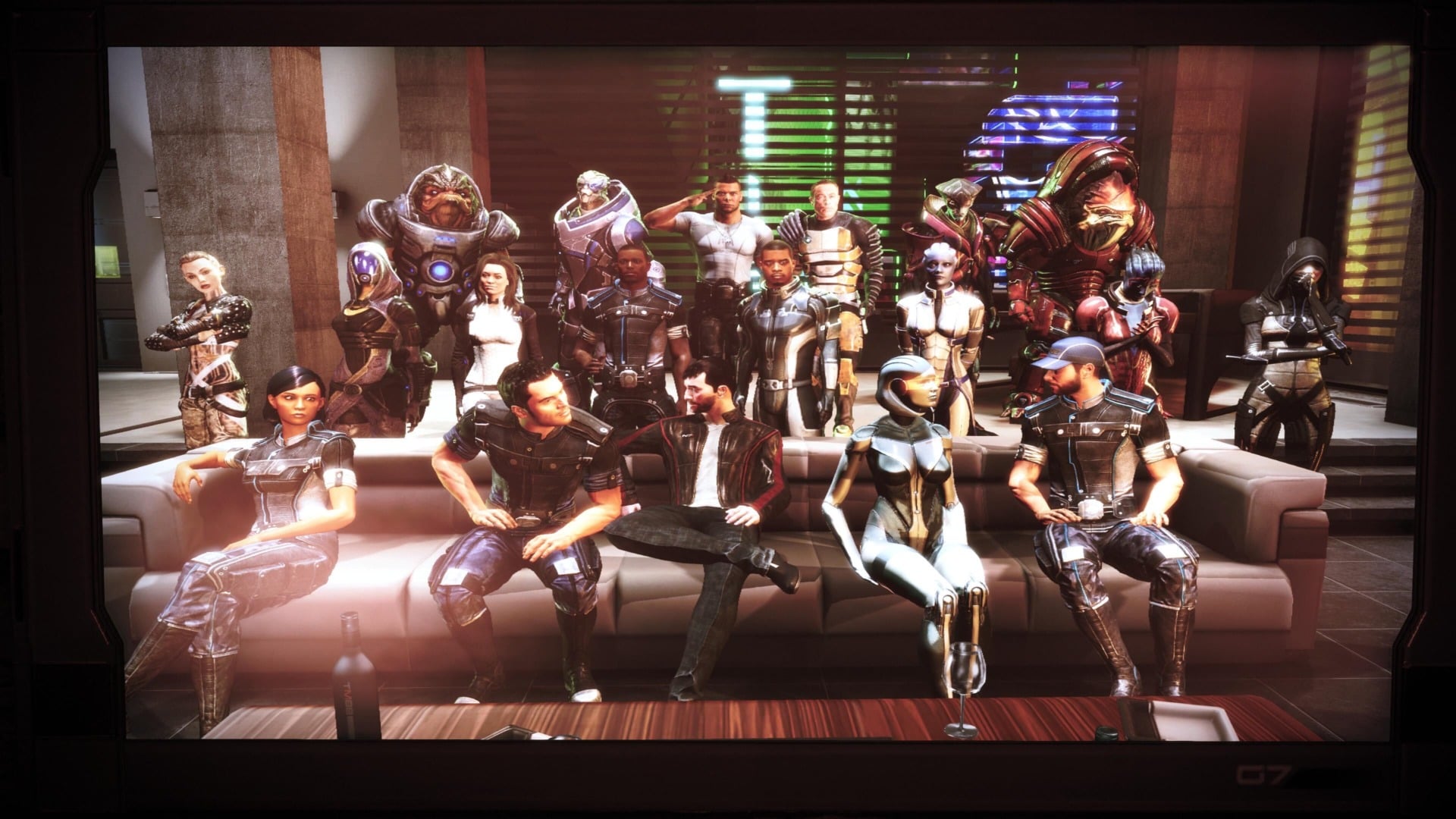
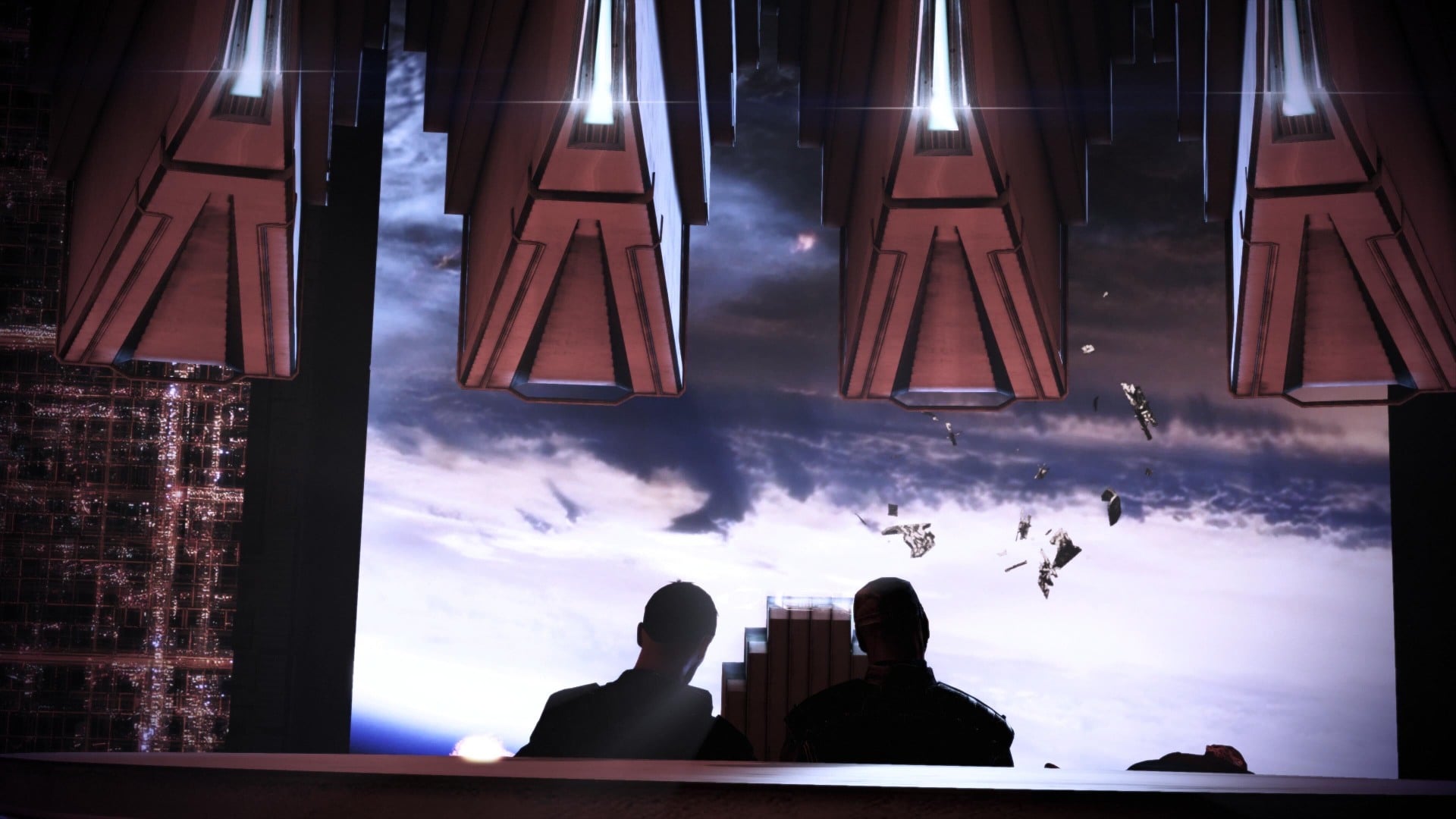
A lot of Mass Effect 3 can be a real bummer, so the moments of joy you can find are worth savoring. The game’s final DLC, CItadel, is several hours of that bundled into a hefty expansion. After Shepard and the crew go through a Looney Tunes–ass spy mission and several hangouts around the Citadel space station, all the survivors of the trilogy can gather for a house party hosted by the Commander themself. This shindig where characters who haven’t interacted before get to come together with their inhibitions and guard lowered is one of the only reprieves they get in Mass Effect 3. Not only does BioWare flex its comedic muscles throughout the DLC, it also gives the characters, as well as longtime fans, a chance to celebrate the friends they made along the way. But still, shore leave must end, and Shepard will have to head back into the inevitable. The final conversation they have with either their pilot Joker or their love interest caps off a journey years in the making.
“It’s been a good ride.”
“The best.”
“I’m proud of you”
Securing Keith “The Voice Of Your Animated Childhood and Adolescence” David as the voice of Admiral David Anderson is the second most-inspired Mass Effect casting choice behind Jennifer Hale as Femshep. His deep, gravelly voice lends an air of gravitas to Admiral Anderson, authoritative yet warm. He is Shepard’s mentor, a constant guiding presence in the Commander’s life until the very end. And it was such a beautiful tribute to the trilogy to have Anderson there with you at the end, as he was with you in the beginning, to get some final words of encouragement from Alliance PeePaw.
I actually cried when Anderson told me, “You did good, child,” (or “son” if you’re Maleshep). He says it with such a tenderness that it transcends the boundaries of a video game to touch the human behind the controller. You could believe, in that moment, that he’s talking to you, too. However you feel overall about Mass Effect 3, that moment is the true end of the game, a full-circle moment that started with Anderson believing in your capabilities as an N7. He’s with you again, at the end, as you have indeed fulfilled his expectations to the fullest by saving the galaxy.
“I am proud of you.”
Thanks Dad. — Ash Parrish
The final choice
I probably can’t include the ending of Mass Effect 3 in a list of best moments in the trilogy without hearing from people who are still mad about it, but suffice it to say, I have thought about the conclusion to the trilogy more than you, probably, and I’ve heard every argument for why it was “bad” before. You will not sway me. You’re over a decade late to that fight and I’m done fighting it.
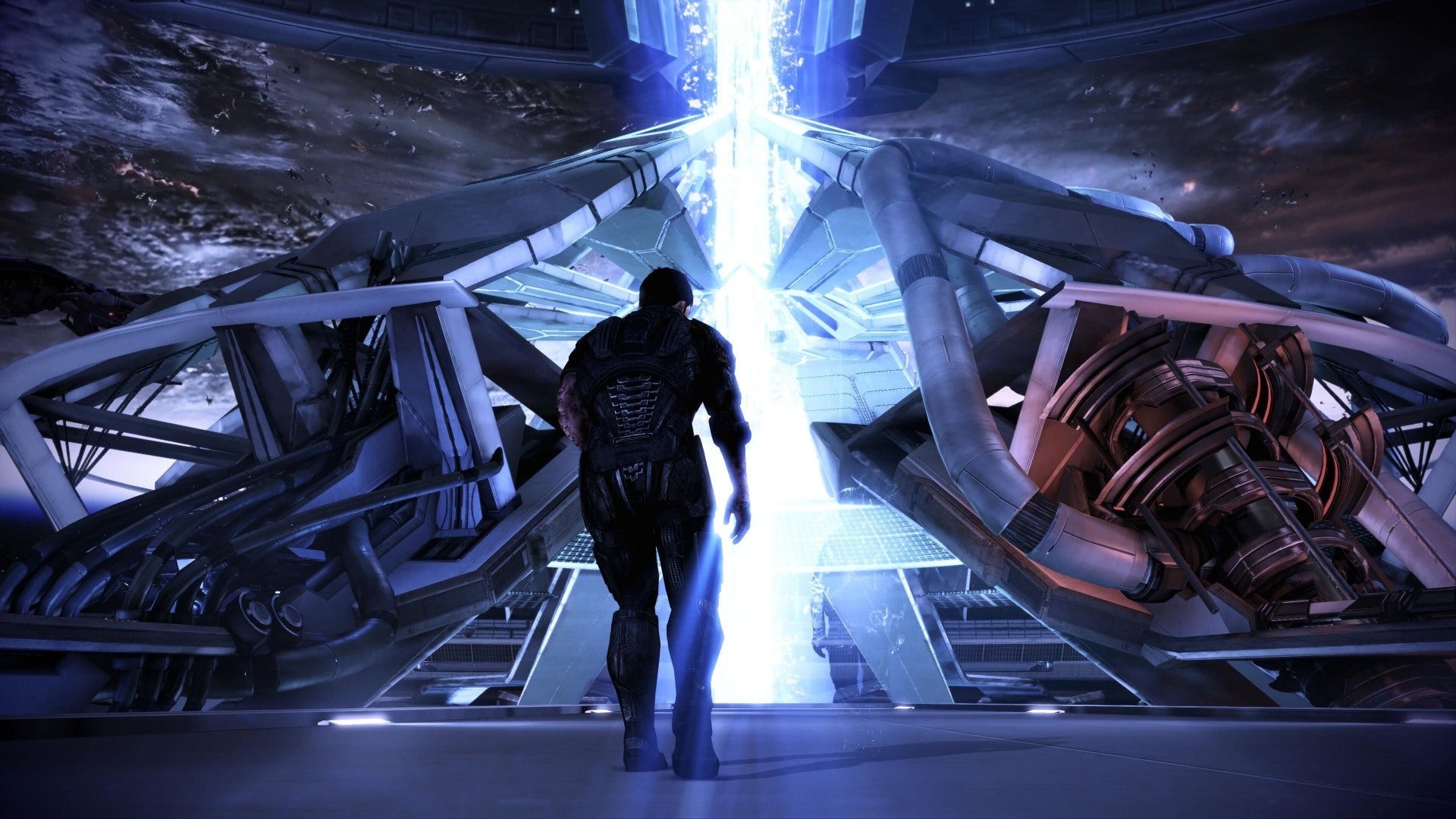
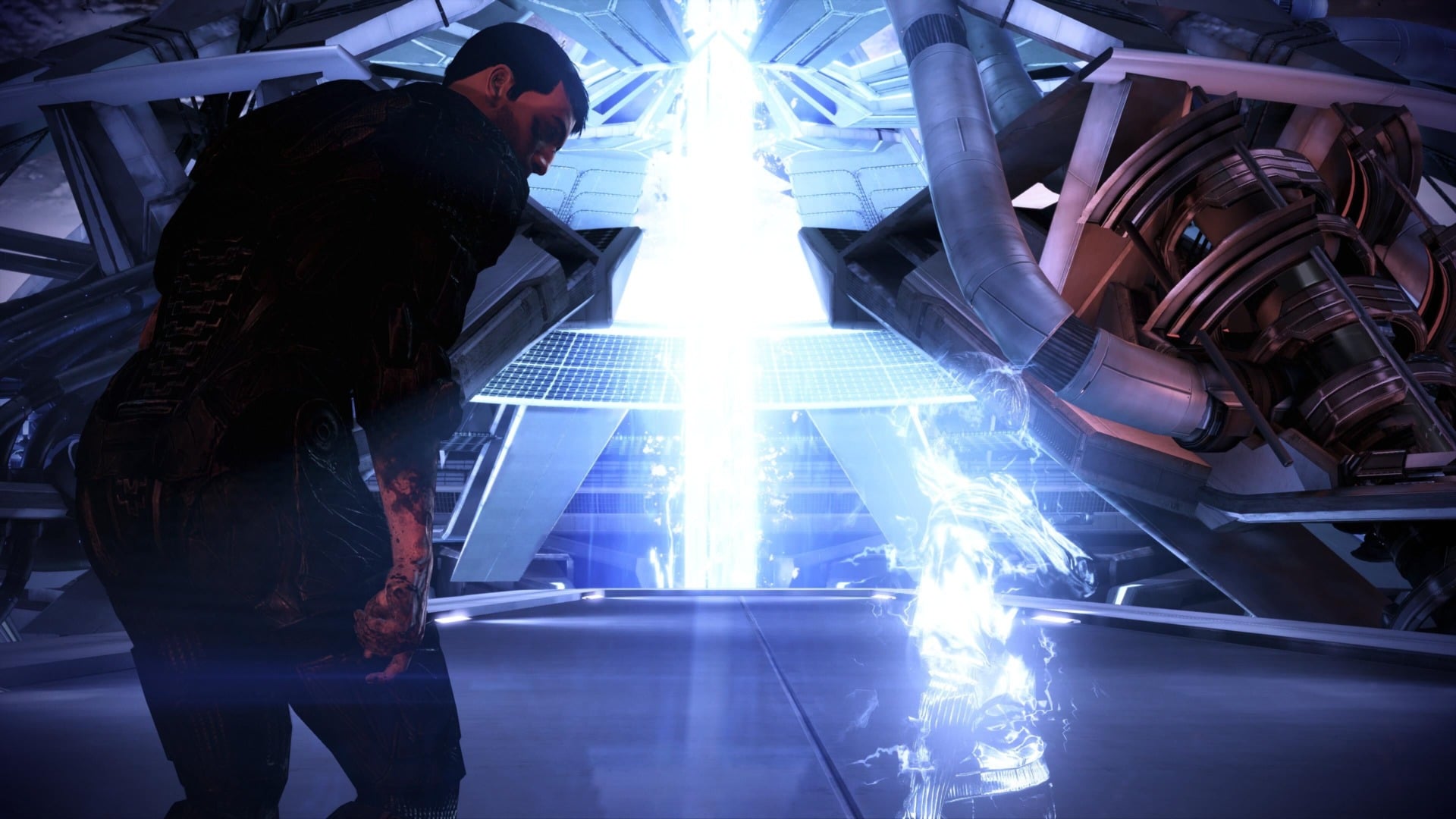
The final choice in Mass Effect 3 is the most far-reaching one players will make, and to this day I’m still really pleased with how BioWare structured the decision-making process in-game, even before the Extended Cut DLC added some much-needed context. No matter what decision Shepard makes, whether it be to destroy all synthetic life in hopes of ending the Reaper threat, controlling the Reapers and forging the future in their own image, or enacting galaxy-wide Synthesis to bring synthetics and organics together, the galaxy is going to be different, and Shepard (in all but one choice) won’t be around to see what happens next. Every choice comes with sacrifice; it’s just a matter of what you deem to be an acceptable loss. Have the people you’ve met and the forces you’ve fought against convinced you that you can trust that organics won’t make the same mistakes their predecessor did? Do you feel like you should guide the galaxy yourself? Do you want to just ensure the least possible casualties? Do you want to usher the galaxy into a new era of unity? Do you not trust any of that shit and think the easiest path forward is to just blow it all up and hope for the best?
Every interpretation of this moment and motivation for your decision is valid and internalized by your Shepard, because Mass Effect 3 stops using the dialogue wheel here and has you make your choice by actions, rather than words. The game is done telling you what to think and how to move forward; it simply lays out the truth of the matter and tells you to make your choice. Shepard doesn’t have to have a big goddamn hero speech explaining that to the Catalyst controlling the Reapers. It’s on you, the player, to decide for yourself what it all means. Video games are often a roleplaying collaboration between the developers and player, and inevitably, each time you have dialogue, you’re bound to feel some dissonance as your player character communicates their motivations in ways that differ from how you would do so. Mass Effect has plenty of examples of Shepard saying things that probably don’t quite reflect quite what the player intended when they made that choice, but in the final moments of Mass Effect 3, that becomes a non-factor. All that’s left is what Shepard, and by extension, you, are thinking, and you won’t be there to justify any of it to anyone. This is the legacy you leave behind, so choose it well. — Kenneth Shepard
Ryder Family Secrets
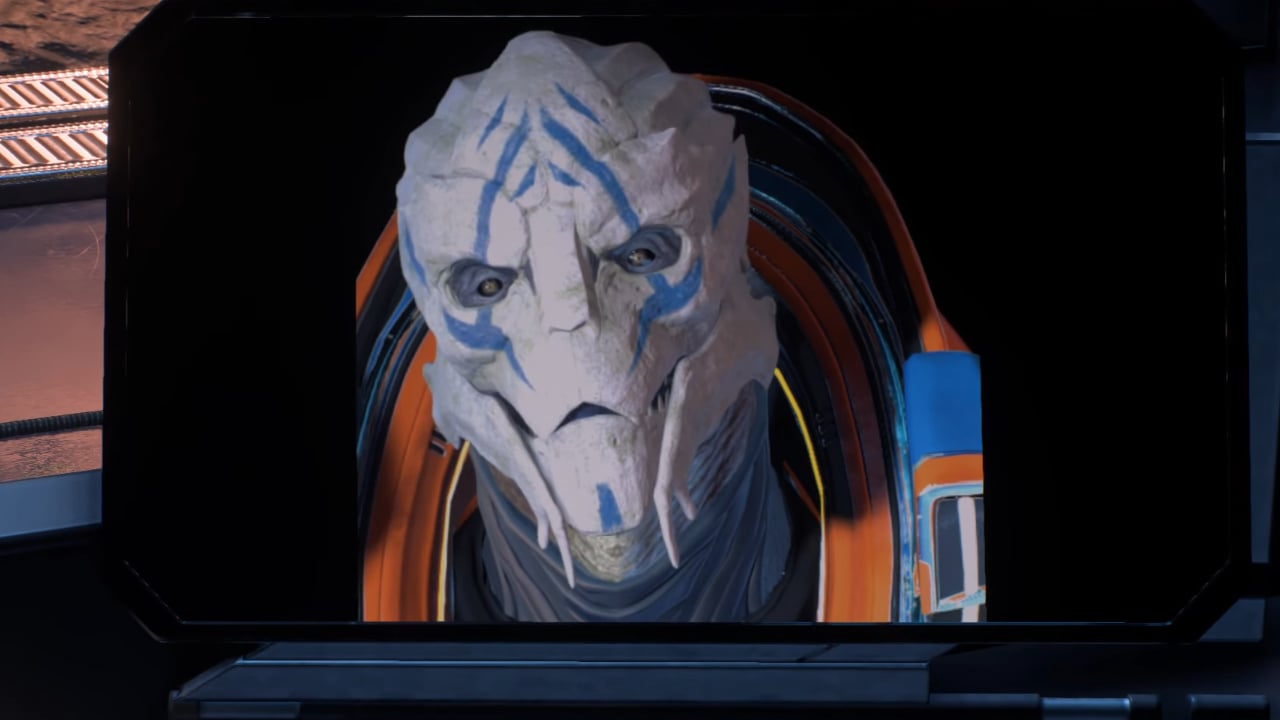
Now that Mass Effect: Universe has been canceled, we’ll likely never get closure on any of the hanging threads Mass Effect: Andromeda left in 2017. Perhaps the most impactful quest line in the game is the Ryder Family Secrets collectathon, which has you unlocking several of your father’s memories, revealing several truths behind the Andromeda Initiative that brought thousands of Milky Way inhabitants to a new galaxy, chief among them being that the entire thing was a front for evacuating as many people as they could before the Reapers arrived in Mass Effect 3.
In one somehow optional questline, Andromeda sets up mysteries and connections it at first didn’t appear to have. Who is the mysterious benefactor that funded the Initiative? What were their true intentions? Are they in the Andromeda galaxy with everyone else? Or were they left behind hundreds of years ago in the Milky Way? Was Universe going to answer these questions and reveal what happened to the Milky Way during the Reaper War to the Andromeda Initiative? Now, we likely won’t know what BioWare was planning, but the reveal of the shadiest sides of the Andromeda Initiative added layers I was eager to dig into back in 2017. — Kenneth Shepard