Mamoru Oshii’s 1995 film Ghost in the Shell is one of the most influential and well-regarded anime films ever made. The Wachowskis, Steven Spielberg, James Cameron, and dozens of lesser filmmakers have either directly cited it as an influence or indirectly ripped it off in their works. It’s a brilliant film. It’s also not a very faithful adaptation of Masamune Shirow’s original 1989 manga.
This isn’t a groundbreaking revelation, as fans of the series who started with Oshii’s 1995 adaptation have independently come to this conclusion thousands of times over the past three decades, to the point that it’s become a running joke in the Ghost in the Shell fandom. Any time someone who only knows the anime finally reads the manga and witnesses Major Motoko Kusanagi getting finger-blasted during a VR lesbian orgy, a Mamoru Oshii fan loses its wings.
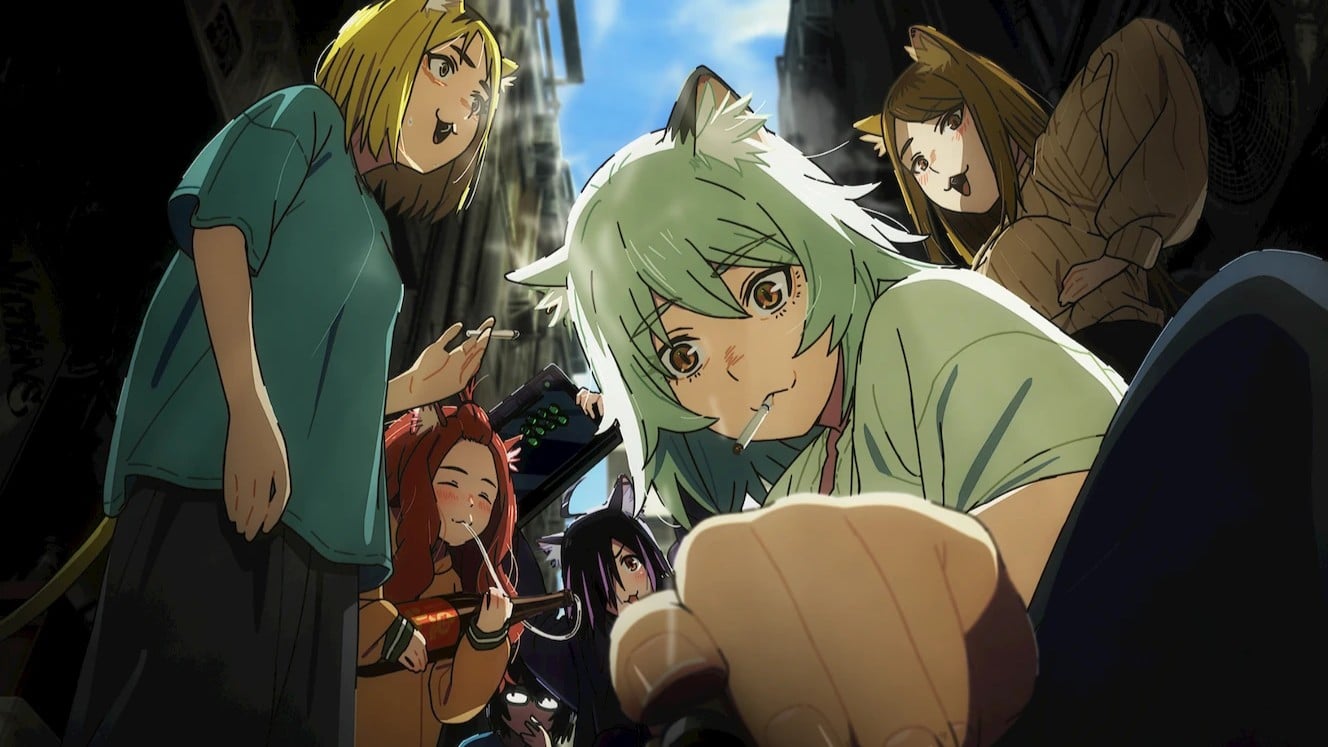
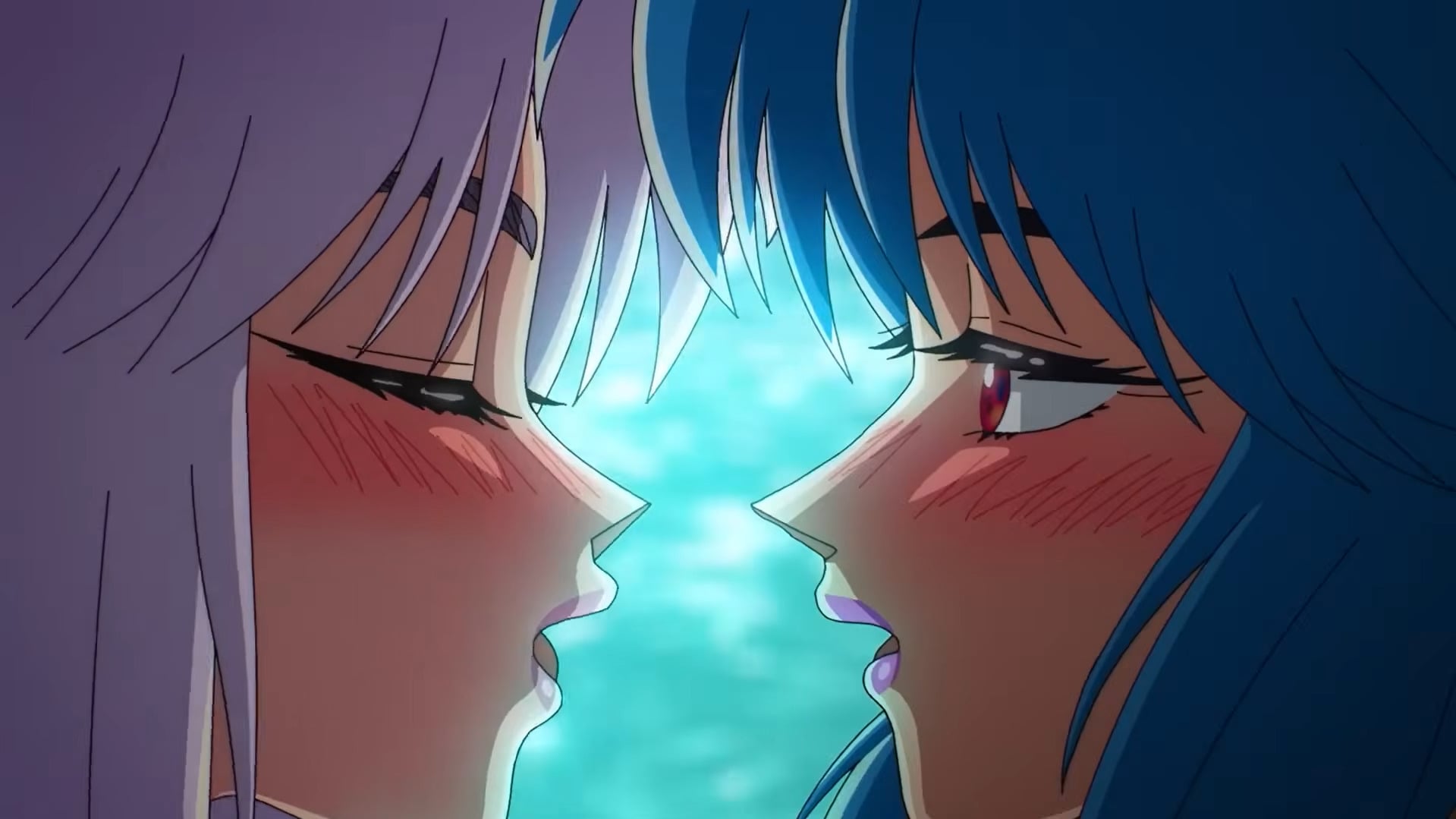
Unfortunately, the joke has started to lose its whimsy following the July 7, 2026 premiere of The Ghost in the Shell, Science Saru’s adaptation of Shirow’s work. Science Saru’s take on Ghost in the Shell is colorful, silly, horny, and even lighthearted—essentially the polar opposite of Mamoru Oshii’s 1995 film.
the funniest part about people discovering how "different" GITS is from its more theatrical adaptations is they also don't know the completely unkept secret that the mangaka Shirou Masamune is a prolific hentai artist lmao https://t.co/wX1oze1uvQ
— BUY GOLD NOW (@tylerwestside) July 16, 2026
This has resulted in an influx of anime-only Ghost in the Shell fans flooding Reddit and X with posts expressing confusion or dissatisfaction with the direction of Science Saru’s adaptation. Likewise, reviewers on Letterboxd and IMDb have accused the studio of “character assassinating” Major Motoko Kusanagi and ruining Ghost‘s “serious and dark” aesthetic.
In actuality, Science Saru’s adaptation is the first one to get Masamune Shirow’s manga right. It is, of course, fine to not like the 2026 version of The Ghost in the Shell, but the deluge of posts incorrectly criticizing it for taking liberties with the source material are quite clearly starting to piss off people who have actually read said source material.
That being said, the anime-only crowd isn’t entirely to blame for this disconnect. While Mamoru Oshii’s 1995 film was the first Ghost in the Shell adaptation, it was followed by the likes of Ghost in the Shell: Stand Alone Complex, Ghost in the Shell: Arise, and Ghost in the Shell: The New Movie.
And this is where the issue lies; none of those versions of Ghost in the Shell are manga-accurate either. Some attempt to closely follow the manga’s narrative, whereas others are more akin to original stories set in a version of Masamune Shirow’s world—but all of these adaptations have opted not to faithfully replicate the manga’s characters or its goofier elements.
The discourse around The Ghost in the Shell is hilarious. You got one side saying that TGITS "ruined" Motoko and the other side saying this recent version of Motoko is the "real" Motoko as if the other adaptations don't matter. It's really ridiculous at the end of the day. https://t.co/IRadb41Fjs
— 𝕌𝕟𝕕𝕖𝕣𝕕𝕠𝕘𝔹𝕋: 𝔹𝕃𝕄 ✊🏿 (@B_Rabbit843) July 11, 2026
Every single Ghost in the Shell adaptation before Science Saru’s version has instead chosen to replicate the changes Mamoru Oshii made to the source material. Major Kusanagi is more of an emotionless and stoic badass, the aesthetic is darker and noticeably more depressing, and even the violence has evolved into something more realistic and less slapstick. Even the Scarlett Johansson-led version of Ghost in the Shell that released in 2017 isn’t an adaptation of the manga at all—it’s a terrible copy of Mamoru Oshii’s 1995 film.
Given how every Ghost in the Shell adaptation since the 1995 film has simply copied Oshii’s homework, it’s difficult to blame those who haven’t read the manga for simply assuming that Science Saru was charting its own wild path. And there’s no greater evidence of this than the recent Hypebeast interview with The Ghost in the Shell 2026’s director, Moko-chan, in which he had to justify to fans why the “brighter and more dynamic energy” in his adaptation doesn’t match all of the “darker, more stoic onscreen iterations” that have come before it. “The core philosophy of this specific project,” he said, “was to go completely face-to-face with the original manga. For us, it wasn’t just about preserving the surface-level settings or the plot points; it was vital that we captured the actual spirit of Shirow’s original pages…But rest assured, the core themes haven’t shifted at all. I really hope viewers can lean in and appreciate those contrasts—enjoying the distinct differences in atmosphere that each era of the franchise brings to the table.”