About Cairn
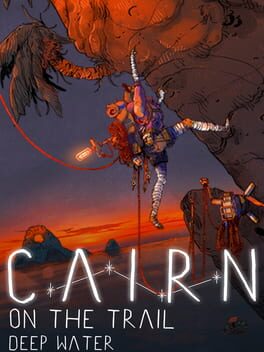
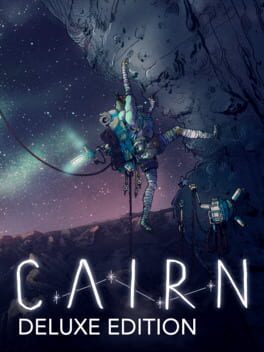
Cairn can be seen as a video game adaptation of the 1991 film K2, highlighting the harshness of nature, which becomes hostile the moment one decides to brave it without a safety net. Mount Kami thus stands as a sort of Everest for the climber you play. But the climb is really just a narrative pretext for the range of emotions experienced by the protagonist. Although Aava undertakes this solo ascent—accompanied only by her robot Climbot—she must contend with multiple external pressures: her ever-present manager, Chris, who constantly reminds her of the expectations of the media and sponsors, as well as a family worried about the young woman’s survival.
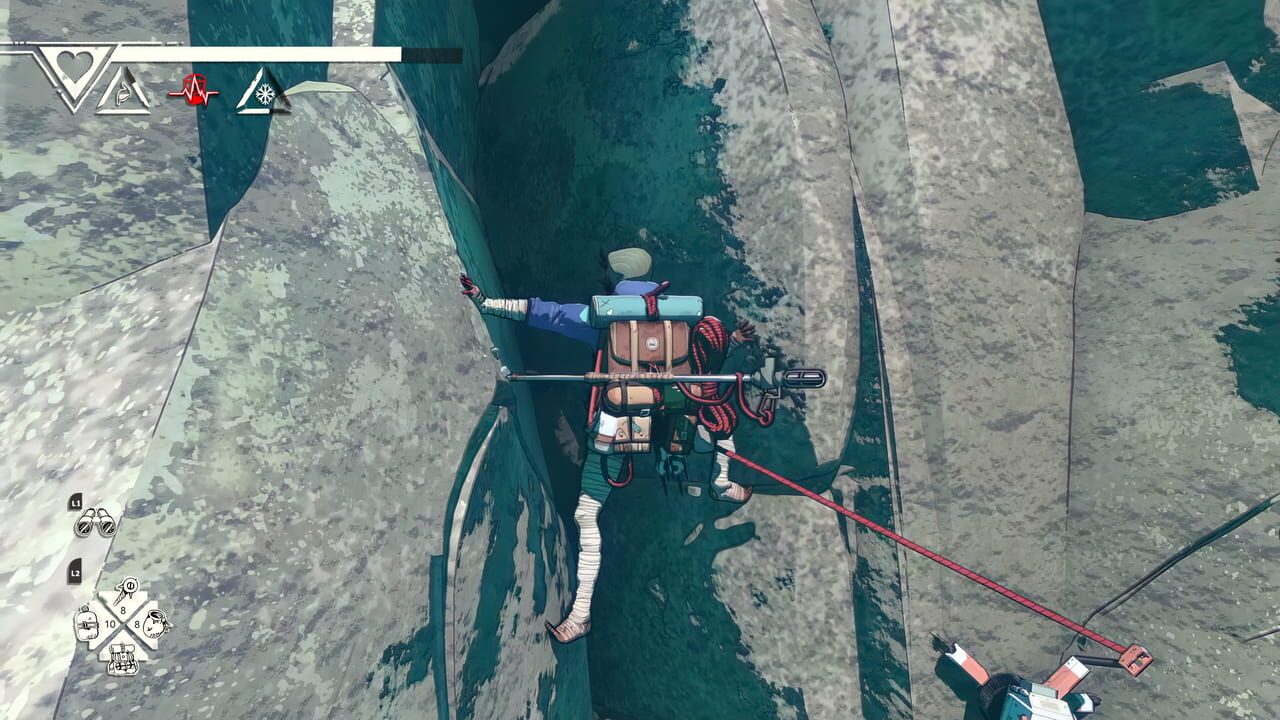
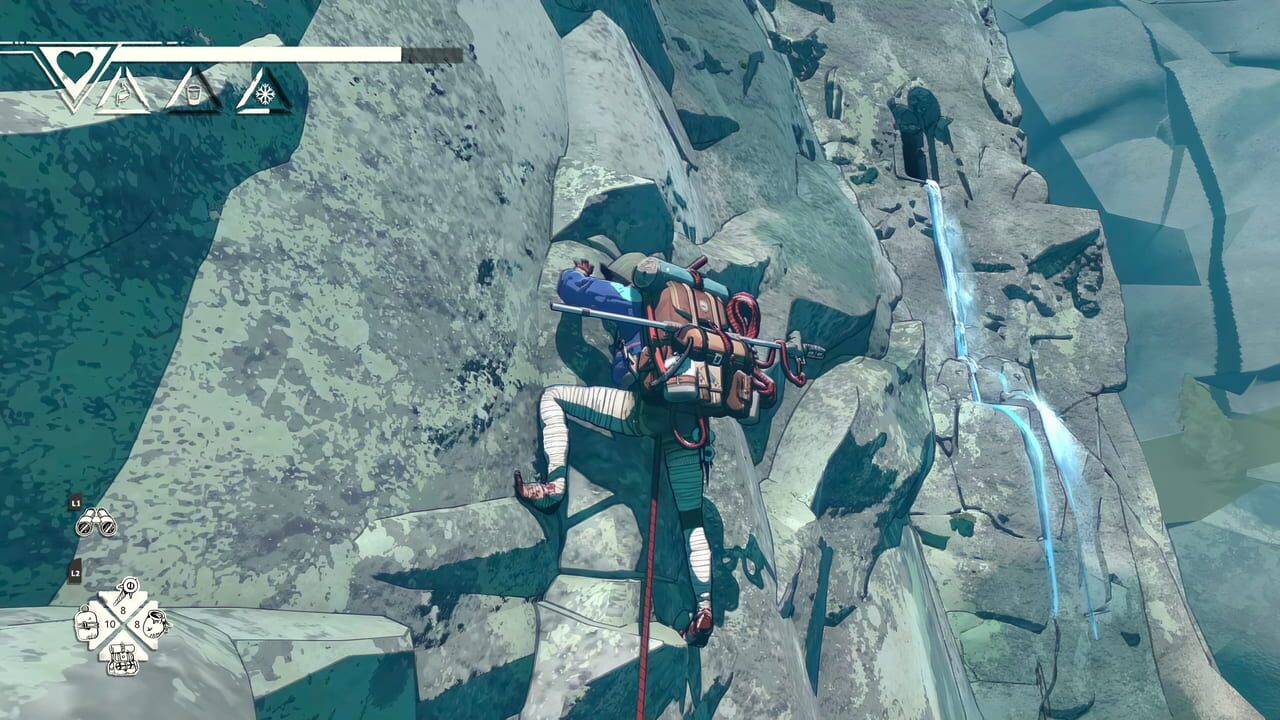
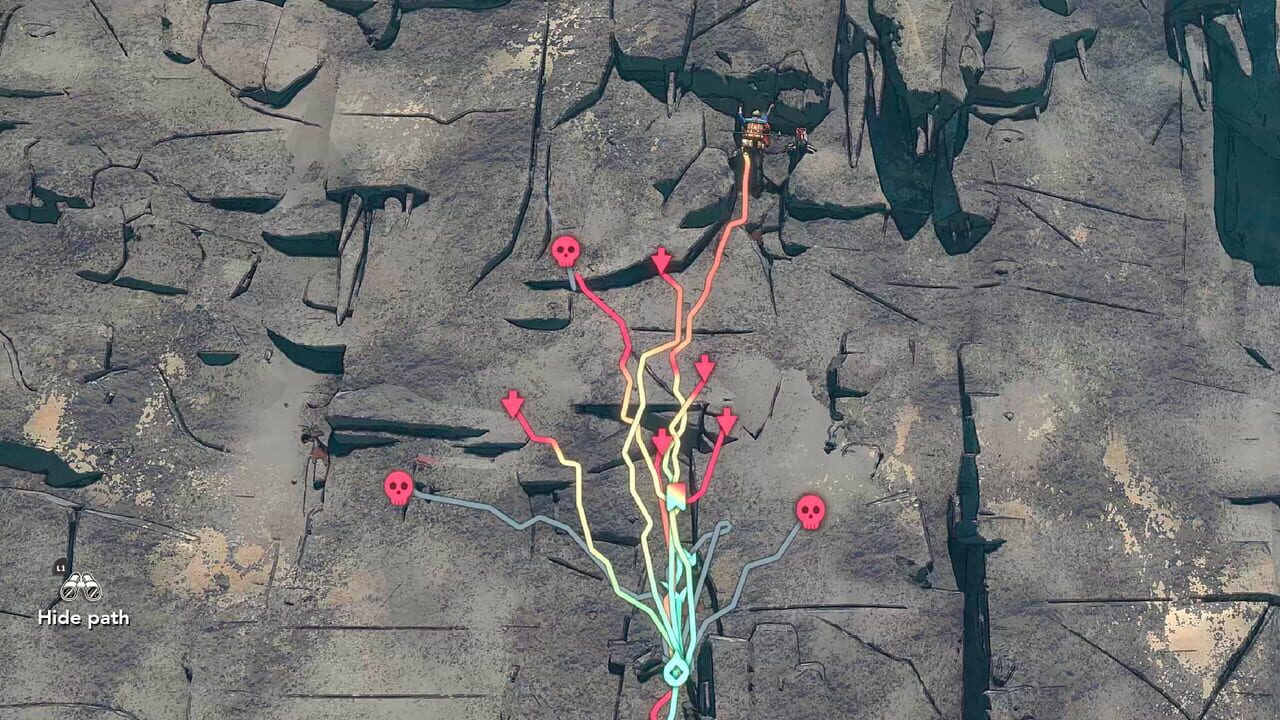
Just like Everest, Mount Kami stands out as a character in its own right. This ice giant represents the ultimate culmination of Aava’s journey of self-discovery. To escape a daily life that overwhelms her, the young mountaineer embarks on a climb whose outcome she has no idea of. To help her on this journey—as crazy as it is dangerous—players have a great deal of freedom in how they progress. Everyone can choose their own route, their own path up the mountain. Faced with imposing ice blocks, unstable rock faces, and dizzying cliffs, it’s sometimes necessary to turn back when progress becomes too perilous. Descending to take another route is an integral part of the experience.
As a simulation, Kern takes a radical departure from the conventions of classic action-adventure games. Every move counts: Aava must position each of her limbs one by one, relying on the most stable handholds. Two control systems are available. The first relies on artificial intelligence assistance, which automatically selects the limb best suited for progression. The second allows for manual control, letting the player individually choose arms and legs to reach the handholds deemed safest.
Why Should I Play Cairn?
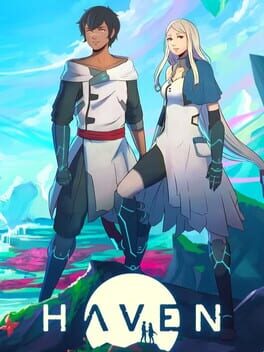
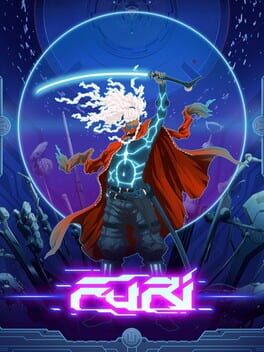
Some people might wonder what the appeal of climbing games is. With Cairn, the survival-climbing genre proves it has a bright future ahead. Following Jusant, players can discover a unique experience reminiscent of the most memorable moments from Death Stranding 1 and 2. From the creators of Furi and Haven, the game offers a climbing experience unlike anything we’ve seen before. You play as Aava, a professional mountaineer driven by a deep desire for freedom and empowerment, which leads her to climb the most dangerous peak of her generation: Mount Kami. To reach the summit of this immense block of ice, the young woman embarks on a true journey of self-discovery and personal growth.
Faced with the magnitude of the challenge, Aava can rely on a few encounters and the clues left behind by other climbers who failed before her. In addition to the climbing system, which is at the heart of the experience, Cairn requires meticulous inventory management: medical supplies, stamina, food, protection against the cold, and so on. The beginning of the adventure allows players to familiarize themselves with the mechanics through a training room, where Aava interacts with various panels and dispensers before climbing several boulders. It’s only after an hour or two that you actually reach the foothills of Mount Kami, ready to begin the real ascent.
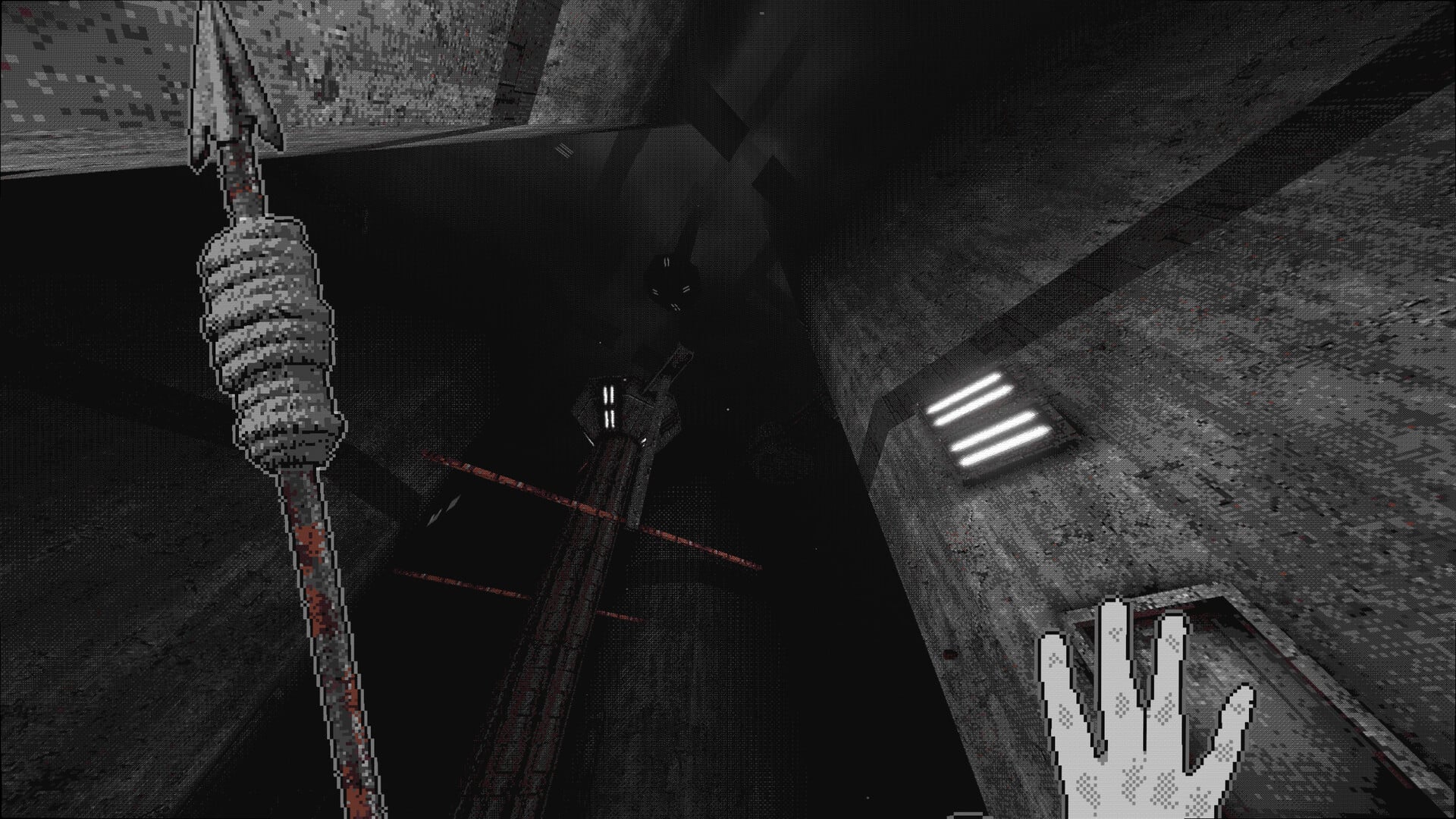
Cairn also includes a bivouac system, which serves as both a save point and an inventory management hub. These stops allow Aava to eat, heal, sleep, gather information, or repair her pitons. Because here, every fall has real consequences: injuries are very real, and death is never far away. To survive, Aava can rely on numerous items designed to restore stamina and health or ensure her safety. Pitons, in particular, are essential for securing a rock face when the climber finds herself suspended in the middle of a cliff. Not all surfaces are created equal, and some may give way under the character’s weight, leading to unpredictable, dangerous situations.
Cairn stands out for the intensity of its climbing experience, elevated by remarkable production values. Inspired art direction, meticulous graphics, masterful visual effects, high-quality voice acting, and an immersive soundtrack all contribute to making this climb an adventure that is as grueling as it is unforgettable. The game owes its visual style to Matthieu Bablet, a renowned comic book artist known particularly for his science fiction works. Born in Grenoble, Bablet has crafted a true masterpiece here, both in character and landscape design. The result is striking: it’s a visual feast, especially since the game handles real-time changes in lighting as well as weather phenomena such as rain or thunderstorms. This remarkable artistic direction is enhanced by sound design of exceptional quality, the result of the work by the audio team behind Limbo and Inside.
Cairn demonstrates that a seemingly simple concept—rock climbing—can give rise to a truly great game. It is an astonishing, deeply human work, imbued with an emotional intensity that video games can convey through their interactivity.
Is Cairn Free-to-play?
No, the game isn't free—it's a paid title. At this time, there is no demo available to give you a feel for the gameplay. Therefore, you can watch videos online to get an initial impression. One thing is for sure: this game is unlike any other.
Where Can I Download Cairn?
Cairn is available on multiple platforms. You can download it on Windows PCs and PlayStation 5. As of now, no Xbox or Nintendo Switch versions have been announced. The game runs beautifully on both platforms, whether on a computer or a console.
What Games Should I Play If I Enjoy Cairn?
It’s not easy to find games that stand out quite so much from the norm. Similar to Cairn in its approach to climbing, Jusant emerges as a credible alternative, while remaining very different. Whereas Aava’s adventure focuses on survival and tension, Jusant takes a more poetic, contemplative, and accessible approach. In stark contrast to The Game Bakers’ work, DON’T NOD’s game transforms the young hero’s vertical odyssey into an environmental narrative with deep symbolic meaning. Every move is guided by curiosity and a desire to learn more about the people who once lived in these places. It’s a very beautiful, very unhurried game.
When playing Cairn, it’s also hard not to think of the work of a video game legend: Hideo Kojima. The creator of Metal Gear has a knack for surprising us, and Death Stranding—his very first project since leaving Konami—turns all our expectations upside down. In this adventure—which could be described as a walking simulator—the player takes control of Sam Porter, a messenger and package deliveryman, who must reconnect a world ravaged by a plague that blurs the lines between the living and the dead. Mountains, boulders, steep slopes… the entire journey is deliberately slow to foster a sense of accomplishment. In its concept, Death Stranding is reminiscent of Cairn.
Under these circumstances, Death Stranding 2 emerges as another alternative to Cairn. As a direct sequel to Death Stranding, this game builds on the original concept to enrich and deepen it, allowing players to experience even more intense emotions. Sam Porter’s odyssey takes on the nature of a quest on a much larger scale, in that it is no longer a matter of reconnecting a single country—in this case, the United States—but two. While retaining this notion of pushing one’s limits, Kojima’s work packs a powerful punch in its message, its storyline, and its epic production. In this sense, Cairn and Death Stranding 2 share a common strength in transforming a seemingly simple concept into a deeply human experience.