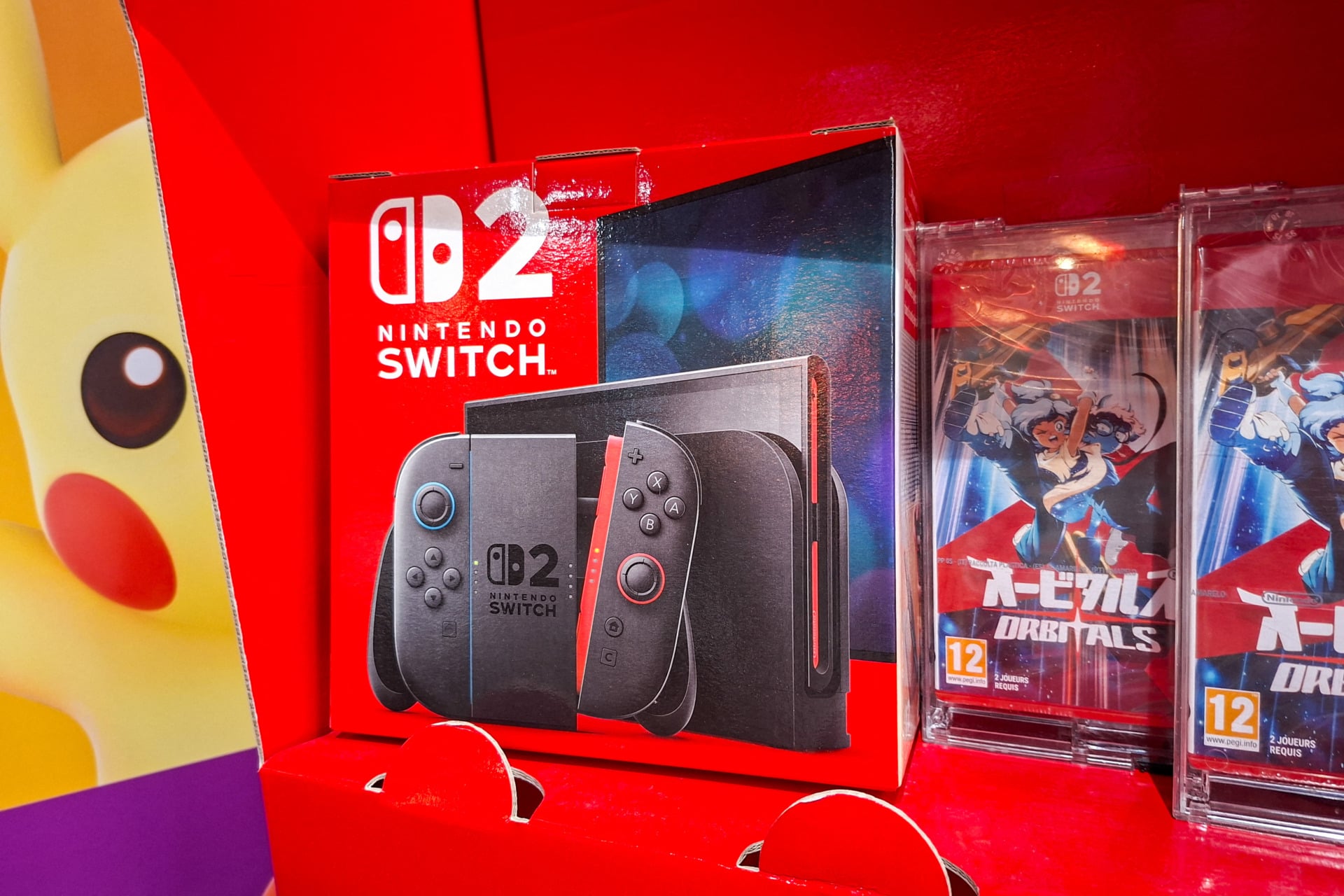
Hours before Thursday’s Nintendo Direct, announcements leaked. Kotaku, and other game sites, inevitably published the relevant news. That was expected, but the online pushback wasn’t. Some fans were upset. In the past, these leaks would be called breaking news. In 2021, they’re spoilers—at least, according to some hardcore fans.
On Twitter, for example, one Nintendo fan site took down its tweet with the leaked game’s title and image after being called out. Even after the Nintendo Direct ended, some Twitter users were putting in spoiler-type warnings as a courtesy for those who hadn’t yet watched the presentation. Spoiler culture has arrived for advertisements. Kinda.
A spoiler is usually information that could ruin your enjoyment of an actual movie, book, television show, or video game. Spoiler culture has arisen out of a greater sensitivity in reaction to the widespread way information travels through social media and the internet. In real life, somebody has to directly tell you a spoiler, but online, you could be checking baseball scores and inadvertently stumble upon one. Spoiler culture reach now extends way beyond movies and books, and is now sinking its claws into marketing. Given how much of video games lies in hype culture, this seems inevitable, but that doesn’t mean it’s right.
Spoiler culture has long been connected to marketing from the beginning. In 1960, Alfred Hitchcock pioneered it while promoting Psycho. He warned audiences to refrain from ruining the movie’s plot twists, and theaters had to issue a “no late admissions” policy. The spoiler alert was born. Fast-forward to the mid-2000s, modern spoiler culture came of age with shows like Lost and the rise of social media. Twitter and Facebook became spoiler minefields where you could accidentally learn things just by scrolling through your feed.
Up until now, spoiler culture in video games has been directed largely at plot points, whether they’re revealed in trailers or in reviews. What happened on Thursday was different. This is spoiler culture being applied to marketing, and what is being spoiled isn’t a plot twist, but the game’s mere existence. It’s the idea that Nintendo should make the announcement as planned and not be scooped. That’s certainly a sensible argument—that is, if you work for Nintendo.
Yesterday’s reactions fell into different camps: those who didn’t care how they heard the news, those really wanted to experience the Nintendo Direct, and those who “miss surprises.” Learning about a leak is always a surprise, so perhaps it would be better to say those individuals miss orchestrated surprises. As for the first two, I find the reaction of those who wanted to experience the Nintendo Directs as an event most interesting of all.
Under former president Satoru Iwata, Nintendo launched the Directs as a way to speak directly to the consumer. In doing so, the company not only sidesteps the press entirely, but traditional advertising media like TV. Nintendo still runs ads on television, but it doesn’t have the opportunity to speak directly to customers for forty minutes at a time. And, during this time, Nintendo is completely controlling the message to a greater degree than in-person events, where things can play poorly in the room, like they did with Nintendo’s disastrous 2008 E3 press conference.
Nintendo knows what it’s doing. The Directs are well done, informative, and interesting. The branding and presentation are all on point, but what separates the directs from just another slick ad campaign is that people have emotional investment in Nintendo. So, watching a Nintendo Direct isn’t merely adsorbing a live-action press release, but a way for fans to connect with the company’s games and hardware as well as the surrounding culture. What makes people anticipate these presentations is Nintendo has a track record of making announcements.
Since Nintendo makes news and since the directs are entertaining, people watch them and the press covers them. But entertaining is different from entertainment, and reporting is different from spoiling.