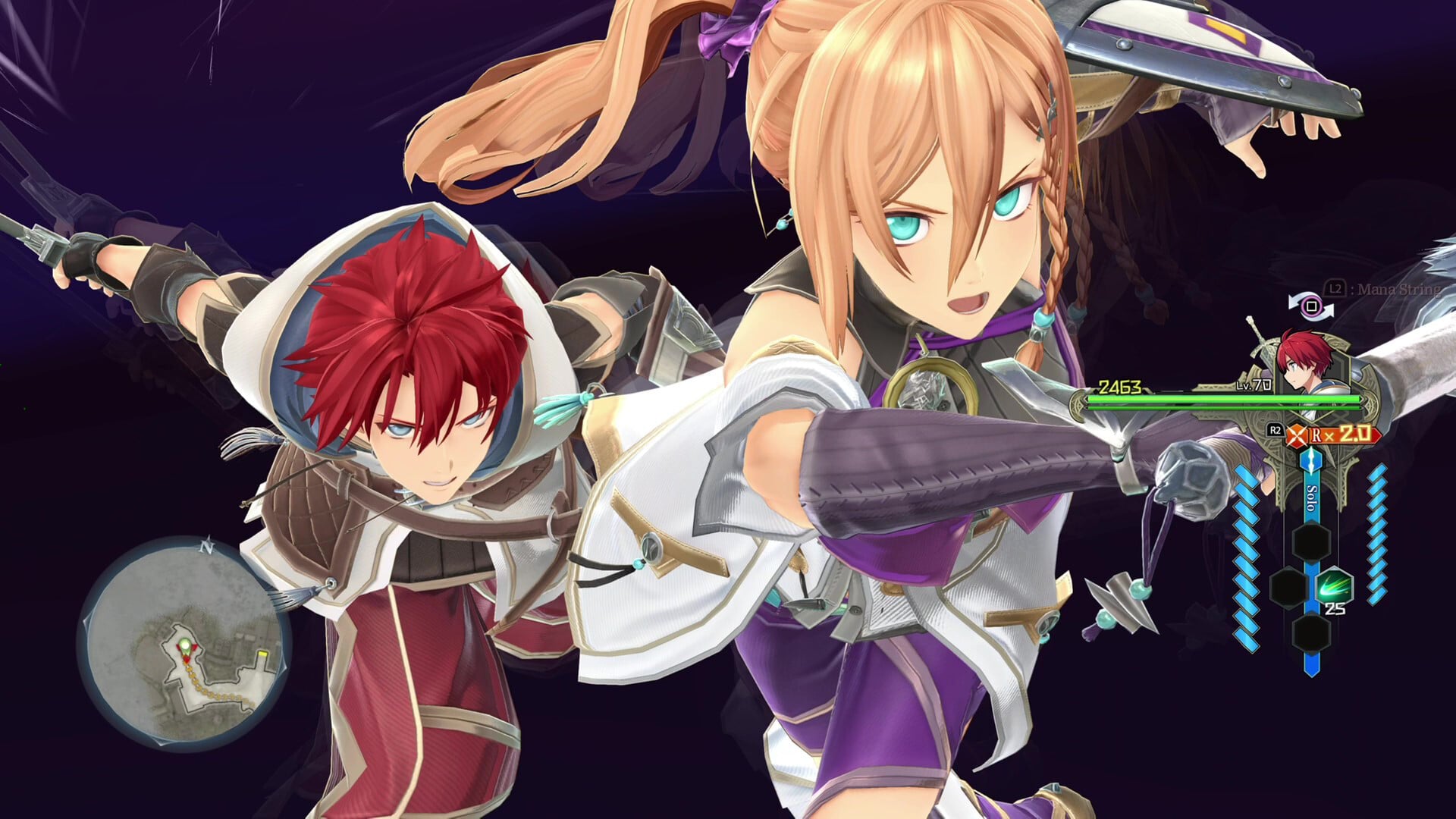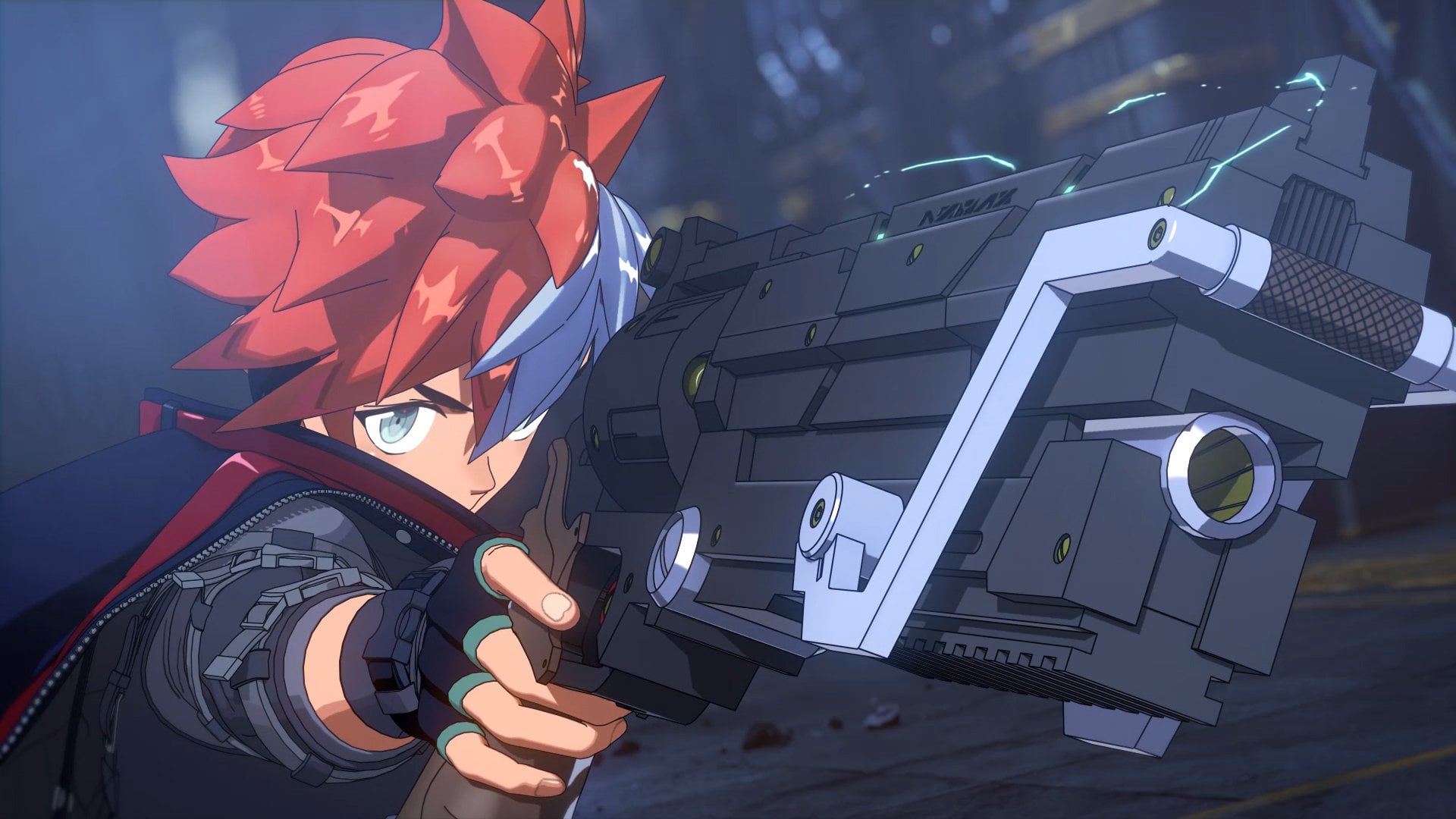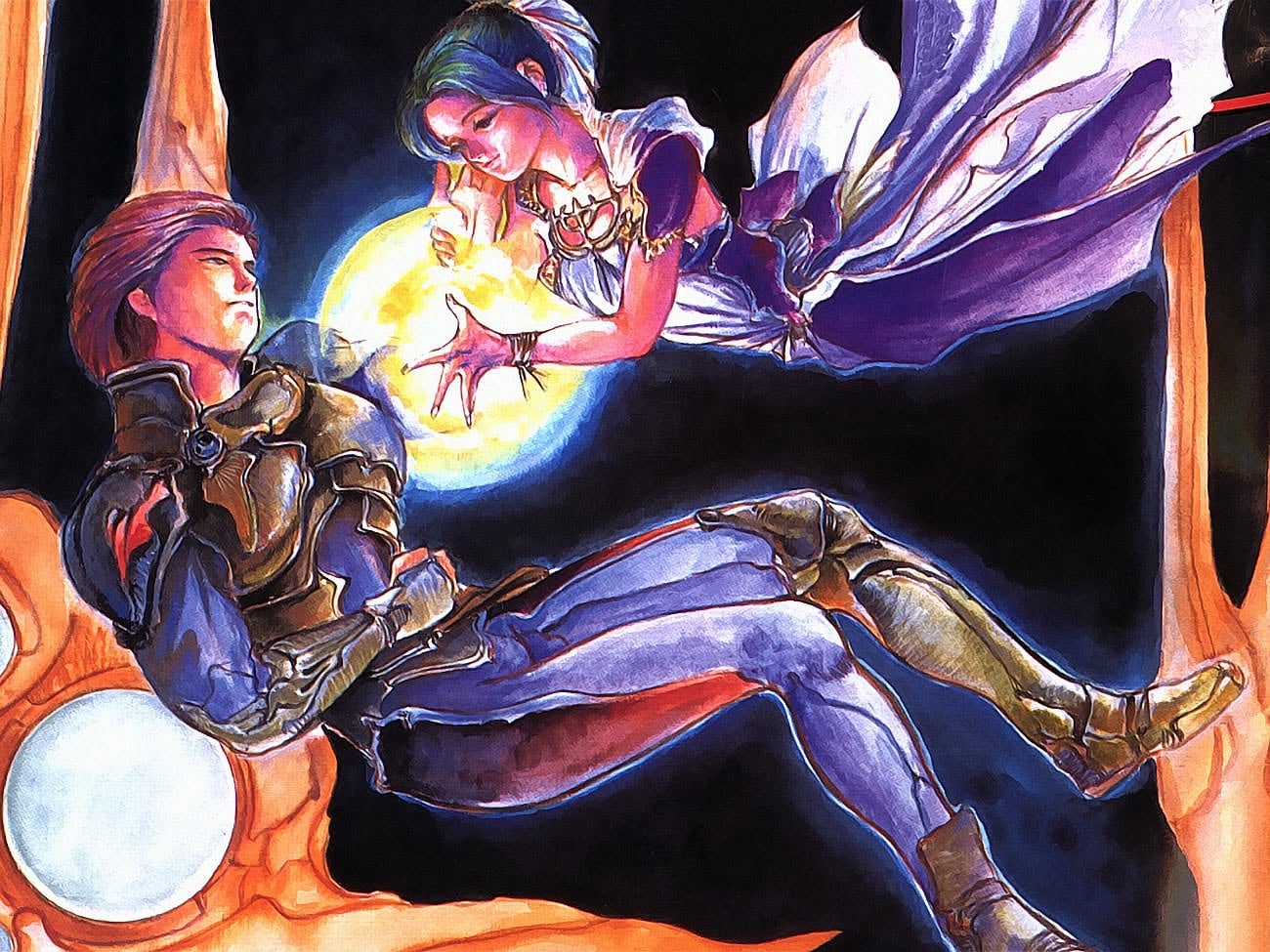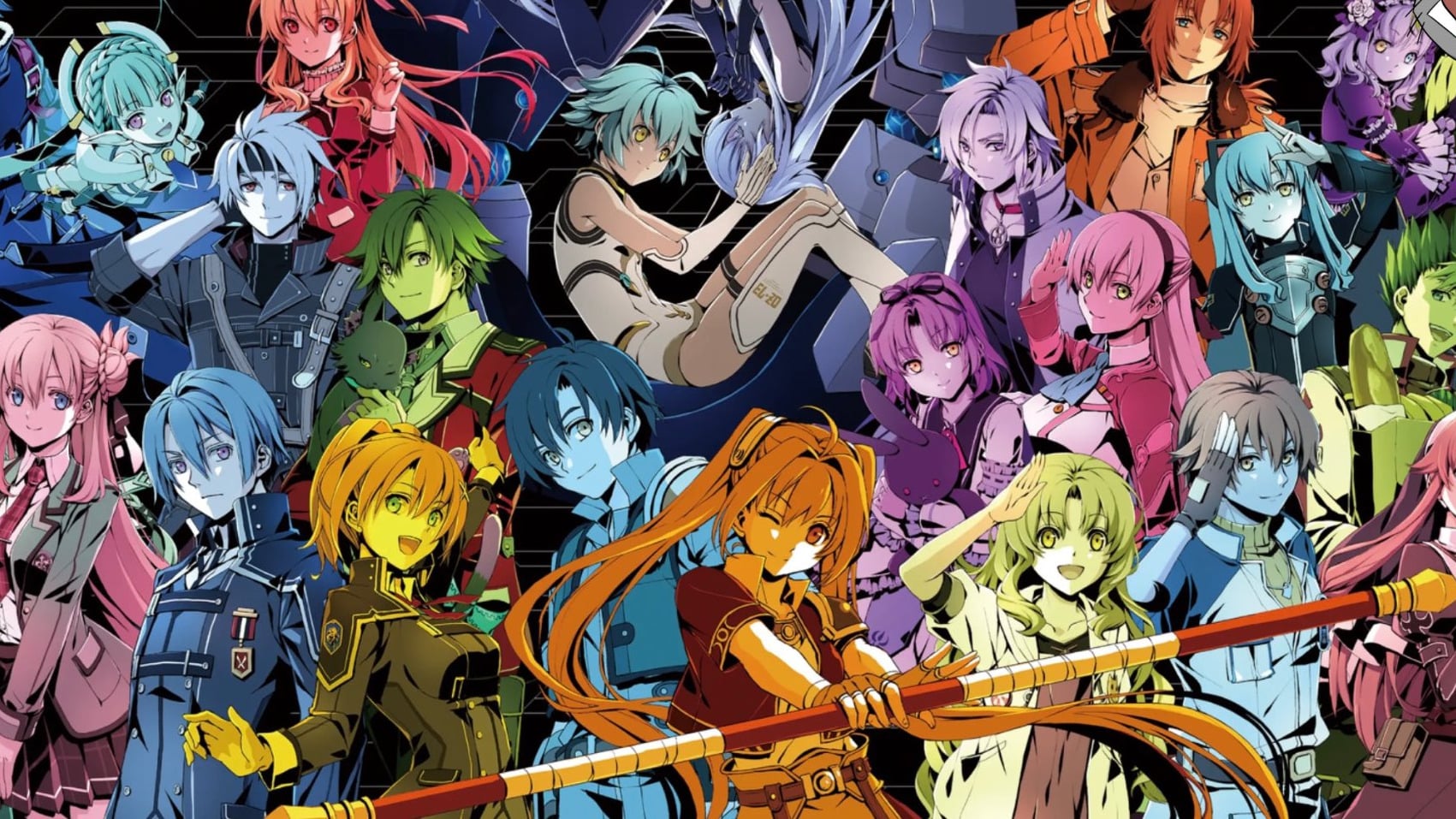
The Trails role-playing games have been chugging along for decades and if you’re someone who has played them, you probably can’t shut up about them. If you haven’t, it might be because you’re intimidated! The series is famous for amazing world-building and characters but it can feel scary to get started. The thing is? You should! These are amazing games—even the “bad” ones are unique and memorable—and there’s no better time to start than now!
With fresh remakes of the earliest titles making entry easier than ever, this is a good time for the Trails (also called “Kiseki”) series. Want to know what the fuss is about? I’m gonna rank the entire series from worst to best. Very little in the way of spoilers, just a breakdown of this incredible, genre-defining series.
13. Trails of Cold Steel 4
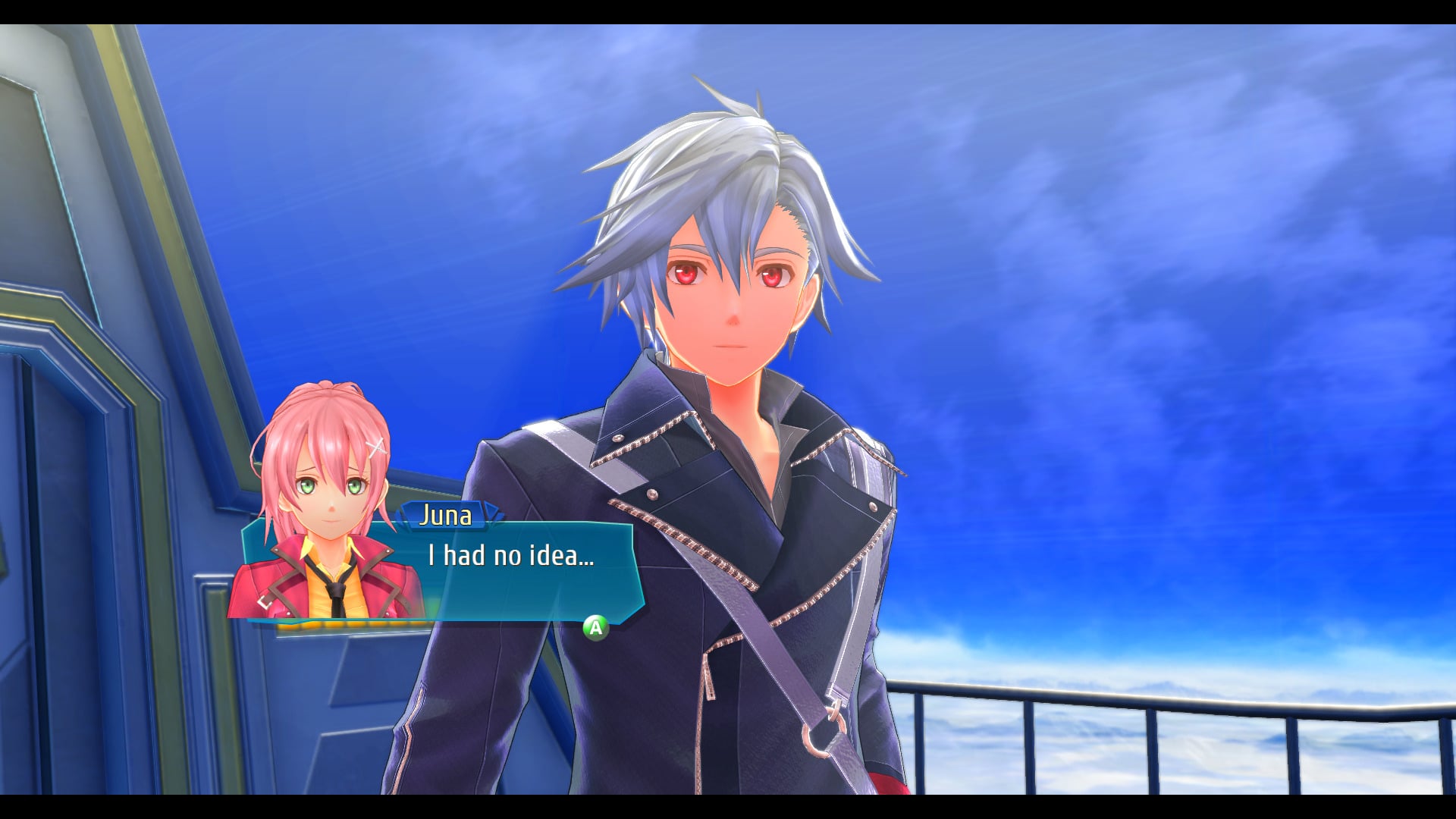
The culminating game in Trails’ Erebonia storyline is by no means bad! It contains some of the best small character moments in the series and resolutions to a number of personal conflicts. It also tends to fumble the big stuff, and it’s that “land of contrasts” nature that holds it back from being a great game.
The stakes are high and this game never quite manages to make things feel as grand as they should. From giant robot “Rivalries” to worldwide war, everything seems a little smaller and tidier than you’d think. It’s a fine conclusion but never manages to find a voice of its own.
This is unfortunate because the opening hours, devoted to the young student Juna Crawford and her friends, are among the series’ finest. Recovering from Cold Steel 3’s cliffhanger and placing players in the shoes of less experienced heroes, the game generates a lot of tension. For a while, Cold Steel 4 has the juice and hits a really propulsive stride. It’s the second half, which pulls punches and makes things a bit too tidy, that ultimately leaves this one struggling to please.
12. Trails through Daybreak 2
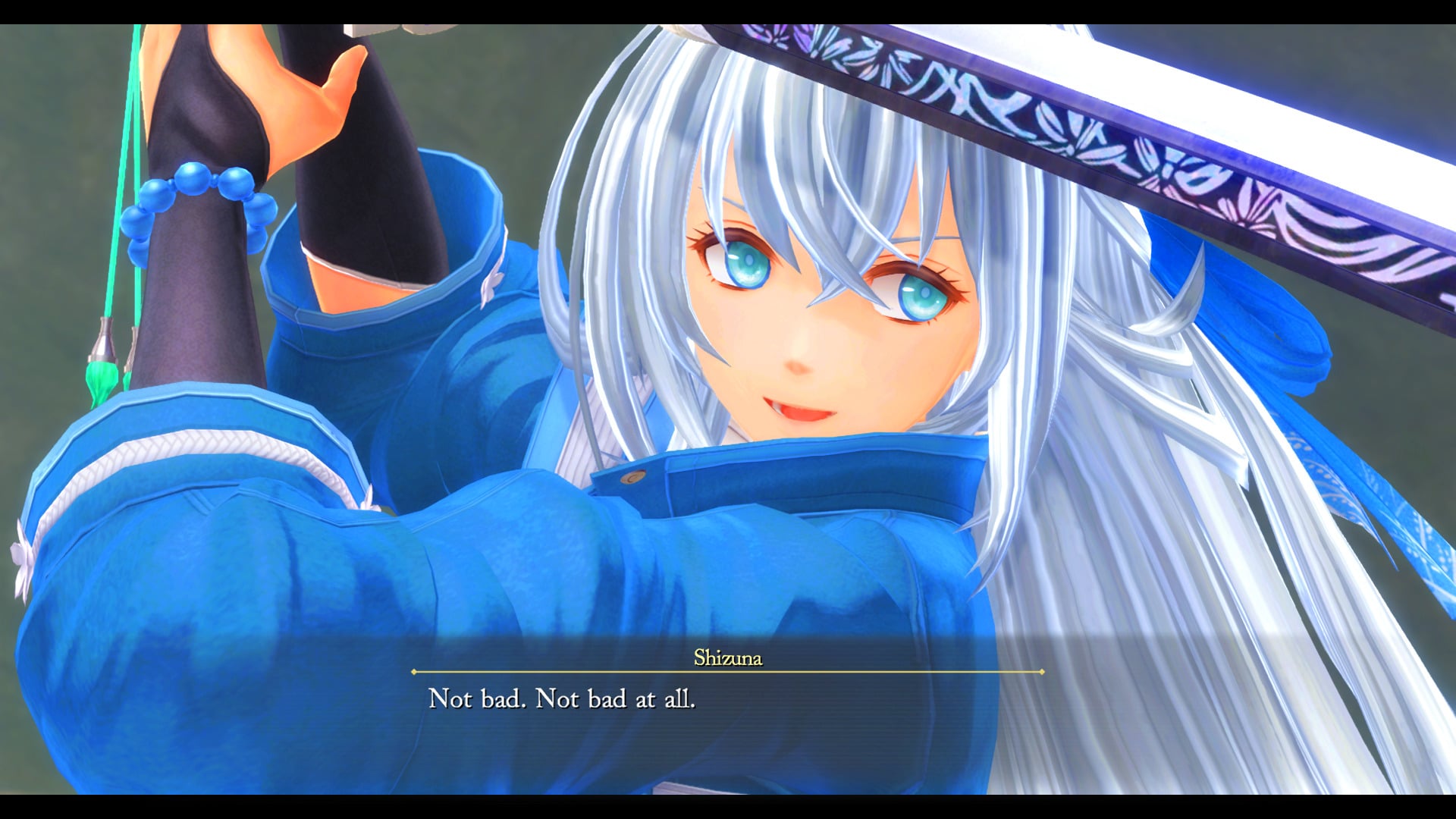
Daybreak II desperately bridges the gap between two great games (Daybreak I and Trails Beyond the Horizon) with a clever trick that you’re either going to love or hate: this game is structured like a visual novel. From time to time, you will reach bad endings, many of them quite violent, and your characters will rewind the clock to adjust and solve the problem at hand.
That’s often very cool but it happens a lot! If you don’t like the gimmick, you’re bound to be frustrated. Additionally, the game is split into what essentially feel like small episodes (some of which give side characters a lot of time to shine!), and these struggle to come together into a satisfying conclusion. This game has one of the worst mastermind reveals of all time!
The first Daybreak game is a really great introduction to the Calvard arc but the sequel fails to follow up in meaningful ways. Personal arcs are flatter with only a few exceptions, and a lack of new explorable areas makes the world feel too small. Daybreak’s forward momentum is lost.
Even so! It plays well and chilling with this cast is fun. It’s just a shame that Daybreak II, while taking some interesting risks, never manages to cash the check it is writing. The result is a piece of connective tissue between Daybreak and Horizon that is both incredibly important to understanding a few characters but also somehow entirely “disposable” as an overall story.
11. Trails in the Sky the 3rd
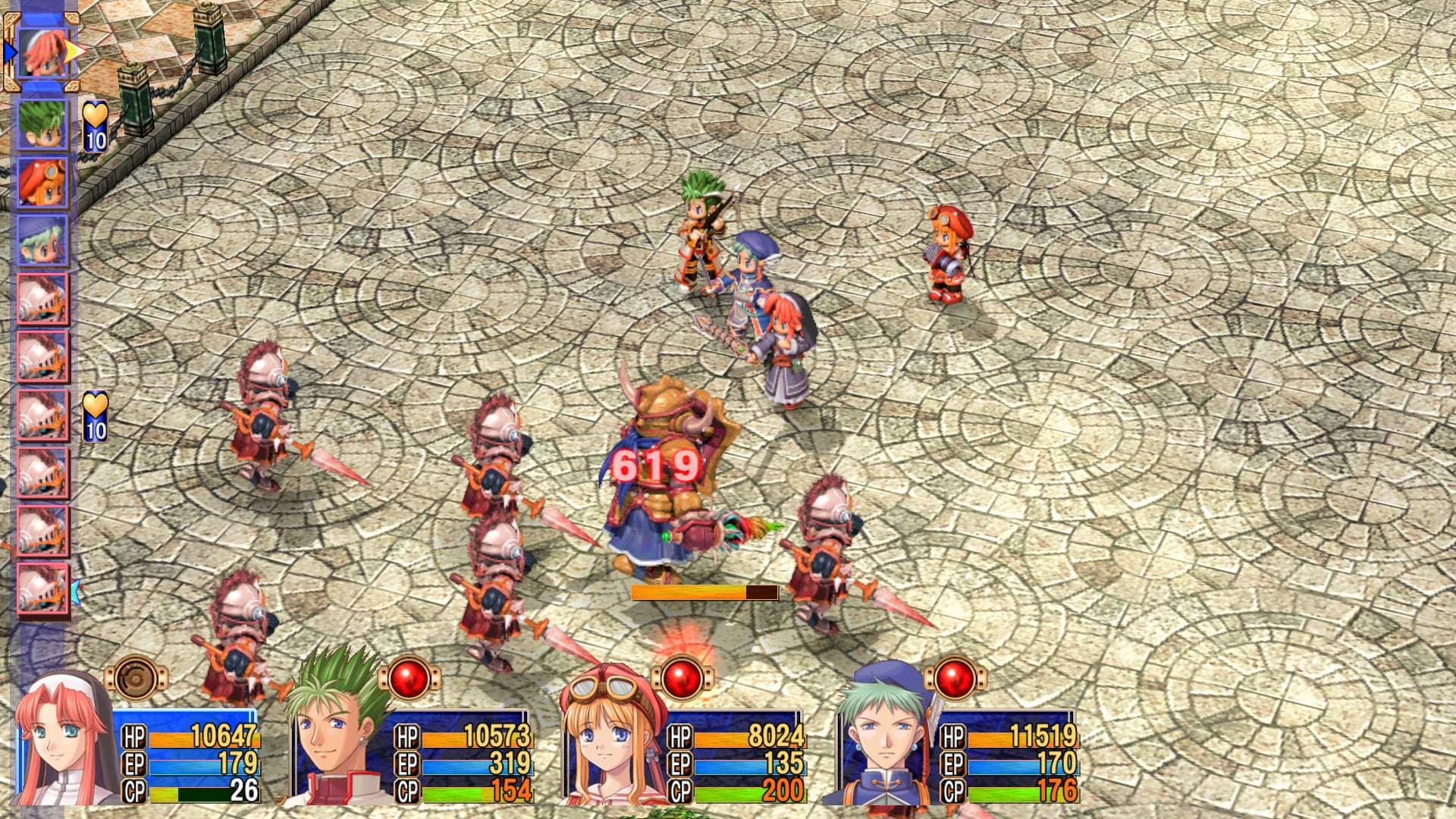
Here’s a curious game that I actually really, really love! Adjusting the Trails structure and turning things into more of a dungeon-crawler, this mostly self-contained story focuses on Kevin Graham, a high-ranking heretic hunter in the Septian Church. Kevin’s great! And the interplay between himself and his companion Ries makes for some of the best relationship writing in the entire series! These two have been through a lot and are amazing partners.
That said, Sky the 3rd suffers a bit from being the first in the series to adopt this dungeon-focused mindset. Future games, particularly Trails into Reverie, will take what is established here and turn it into some really high-tier dungeoneering. This is a game that runs so others could soar. Sometimes misunderstood and dismissed, it’s still an essential part of the series. It’s also something of a fact that this formula will hit more potently in later games.
It’s in my personal favorites but I also think that it’s the first step toward a particular style of Trails that works better down the line. If this kind of dungeon crawling is your thing? It’s gonna be a real hit. But for some people, the switch-up is a hard adjustment from a more traditional narrative.
10. Trails of Cold Steel 2
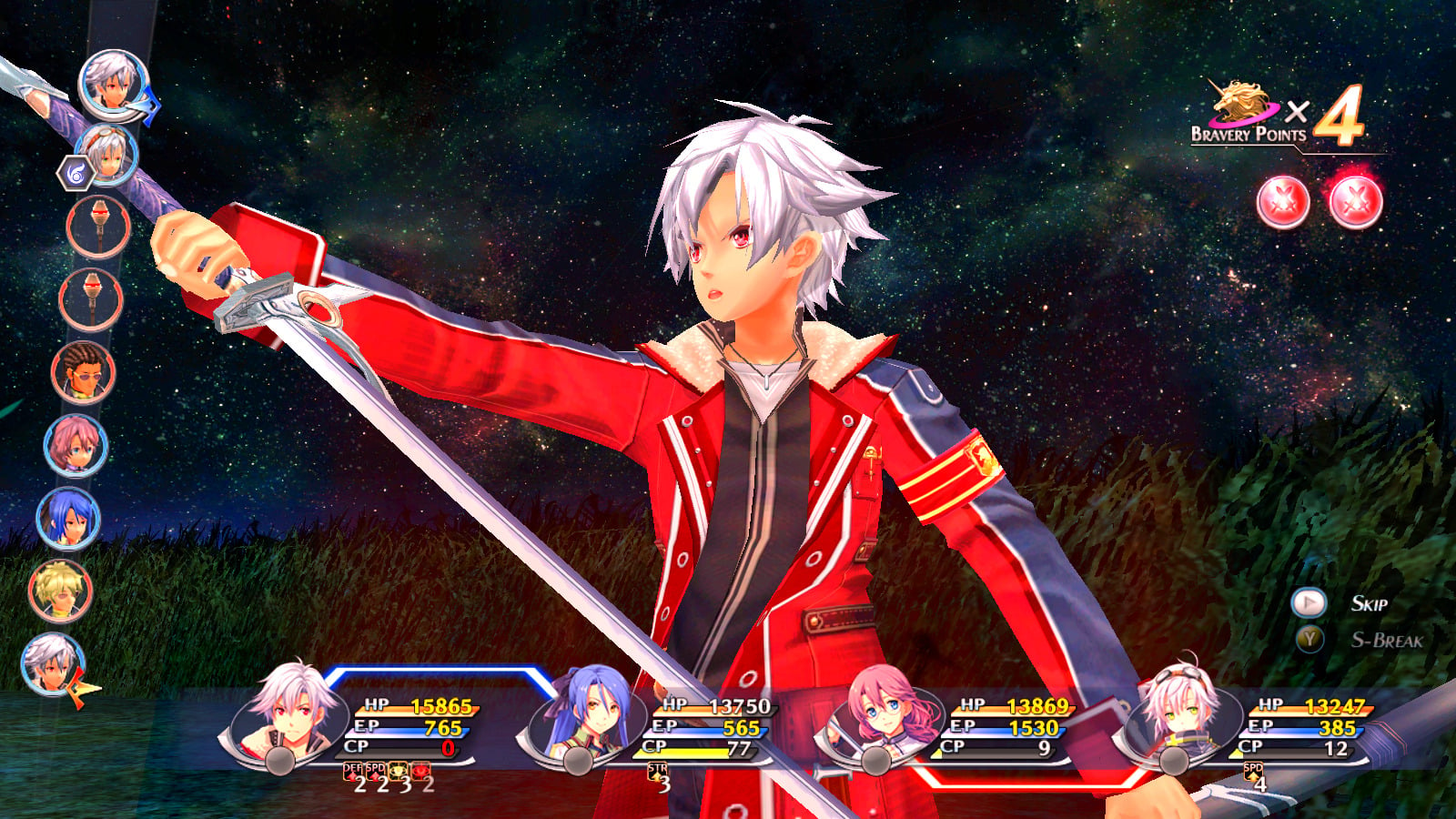
Cold Steel II is all about war and how it shapes our protagonist Rean into a confident but compromised adult. That said, you’d be forgiven if you forgot that this is a game set during a bloody civil conflict! A moody tone and an amazing Falcom Sound Team soundtrack feel somewhat wasted as the writing never commits to showing how grim things are. These are the most bloodless bloodlettings you’ll ever play, and that holds the proceedings back from achieving their potential.
It does, however, have a really compelling ending and what I think might be in the running for best final boss in the series. When it wants to be evocative and arresting, Cold Steel II feels really singular compared to most other games. It just doesn’t seem to want to do that too often.
9. Trails from Zero
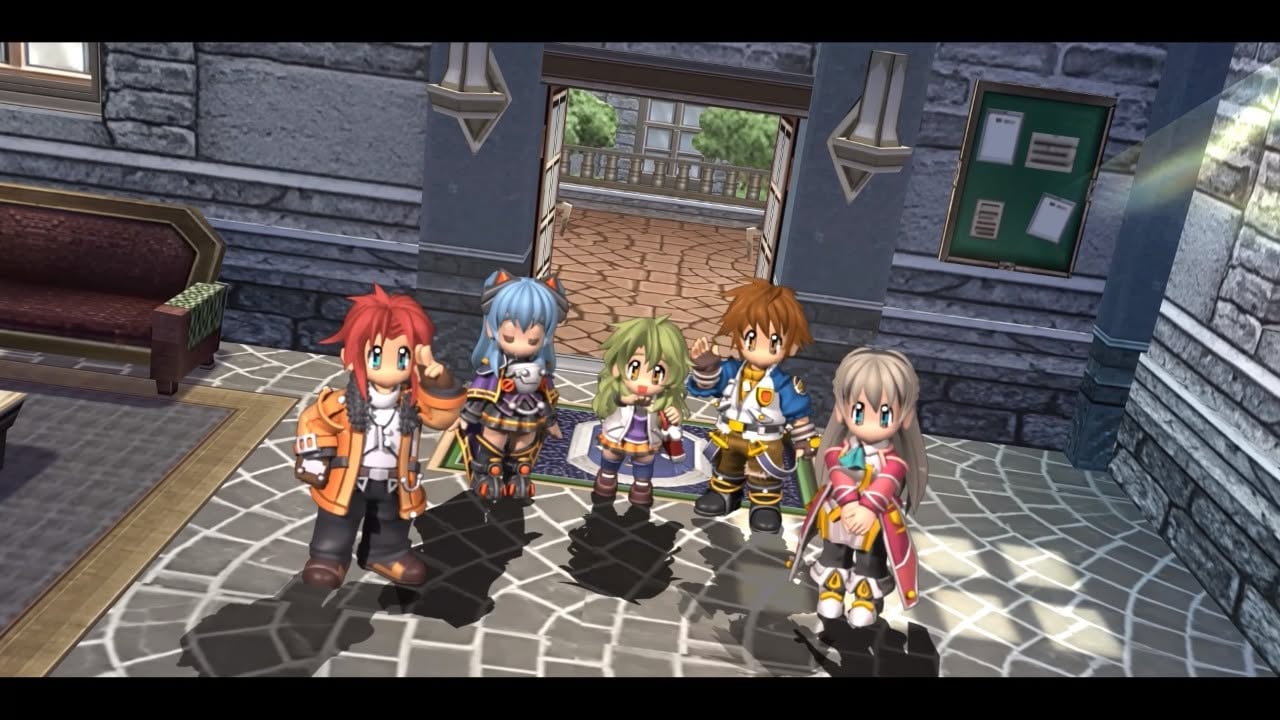
Trails from Zero kicks off the “Crossbell” duology, a pair of games that happen at the same time as the Cold Steel series, and in many ways these are the heart of the franchise. These contain the series’ finest worldbuilding and random NPC writing, and the result is that Crossbell feels like a truly real place. You know each corner, every person on the block, and its ongoing struggles are rendered in loving detail. This is the kind of stuff you come to Trails for.
Seriously, while I don’t recommend it, you could just play the two Crossbell games. I think it would be some of the most mind-blowing RPG fun you’ll ever have. Best arc in the series.
But like any first entry of a new story arc in Trails, Zero takes a while to reveal what the “actual” story is. The result is one of the most exciting stretches of near-Hollywood-level action sequences in the series, ranging from car chases to wave defense fights. It’s all capped off with a moody dungeon that’s well worth exploring. Not bad considering the start of the game is spent looking for missing cats and taking down license plate numbers! It’s an amazing escalation! It just also takes a long while to get there. One of the series’ famous slow burns, if you will.
Zero doesn’t rise to the top of my list if only because the follow-up game, Trails to Azure, builds so much on everything here. The small focus, small party size, and sometimes finicky magic system cause a few stumbles as Crossbell finds steam. But if you want to experience the best city in the history of roleplaying games? This is where you start! I love this damn town.
8. Trails of Cold Steel
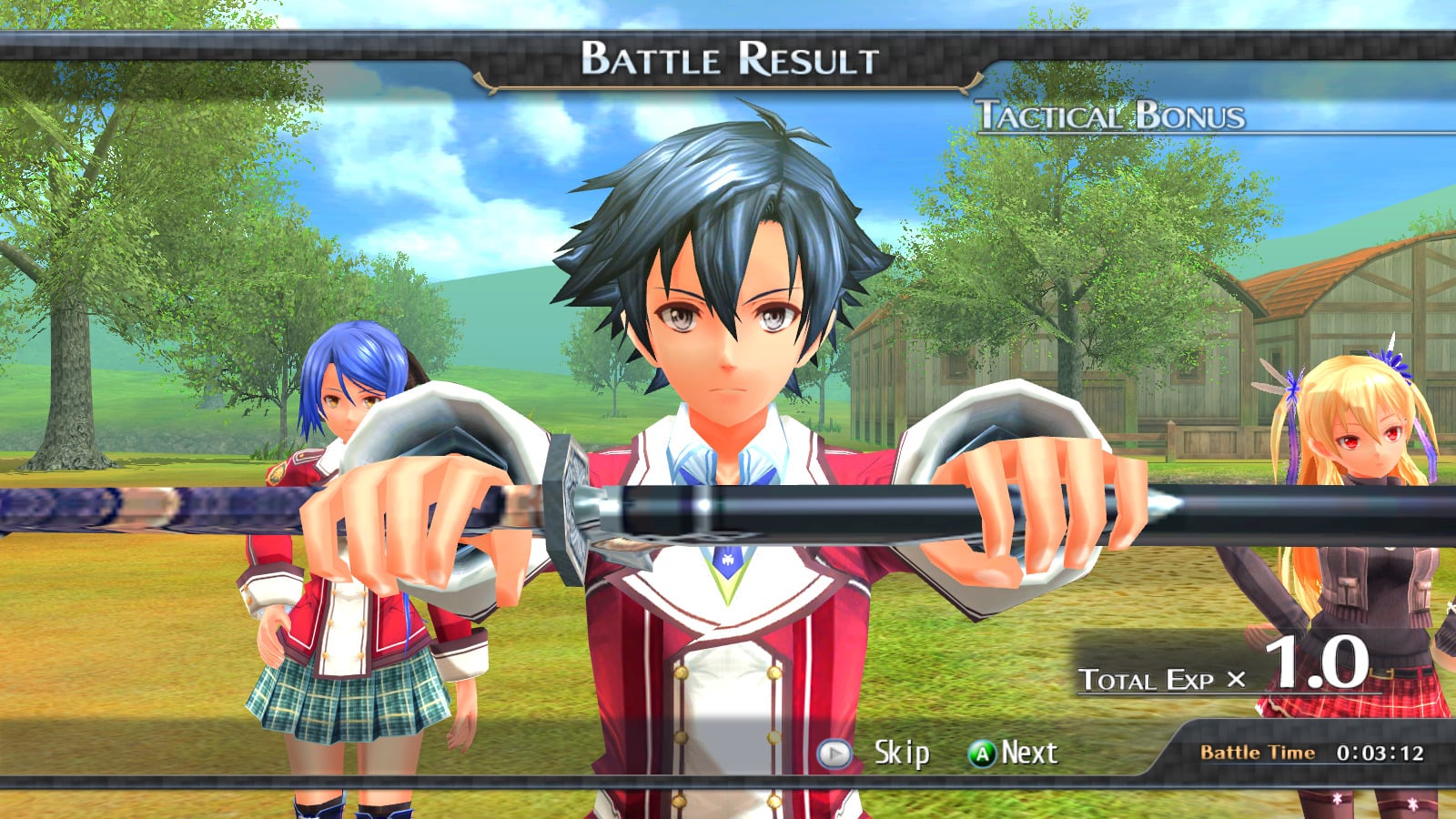
The first chapter of Trails’ massive “Erebonia” arc is a game that will grow on you over time. Taking the series’ RPG wandering and adjusting it for a slightly more Persona-esque school academy setting, Cold Steel is a game that is 99-percent setup for things to come. As a result, characters can feel a little flat and things meander, but if you embrace those sunlit school days there’s a lot of charm to be had here and a very “classic” combat system to explore.
This is a big cast of characters and not everyone gets to shine. This is a problem that will plague the Cold Steel games for the duration, one which is made more complicated by the addition of a social link and relationship system that has implications for the writing. Invest in a character? You’ll get to learn a lot! But you can’t choose everyone, and that sucks. The prevalence of this system for delivering key information about your favorite characters, as well as the stranglehold it has on the arc’s romantic writing, is going to cause serious problems for the next four games, and that starts here in Cold Steel 1. It’s a fine experiment but it holds Erebonia back.
Come for vibes! These early days provide a very unique contrast for the arc’s latter half, which makes a very minor but important time jump. Just don’t be surprised if the plot only kicks off right at the end. When you look back later on? This game’ll shine more than you remember.
7. Trails through Daybreak
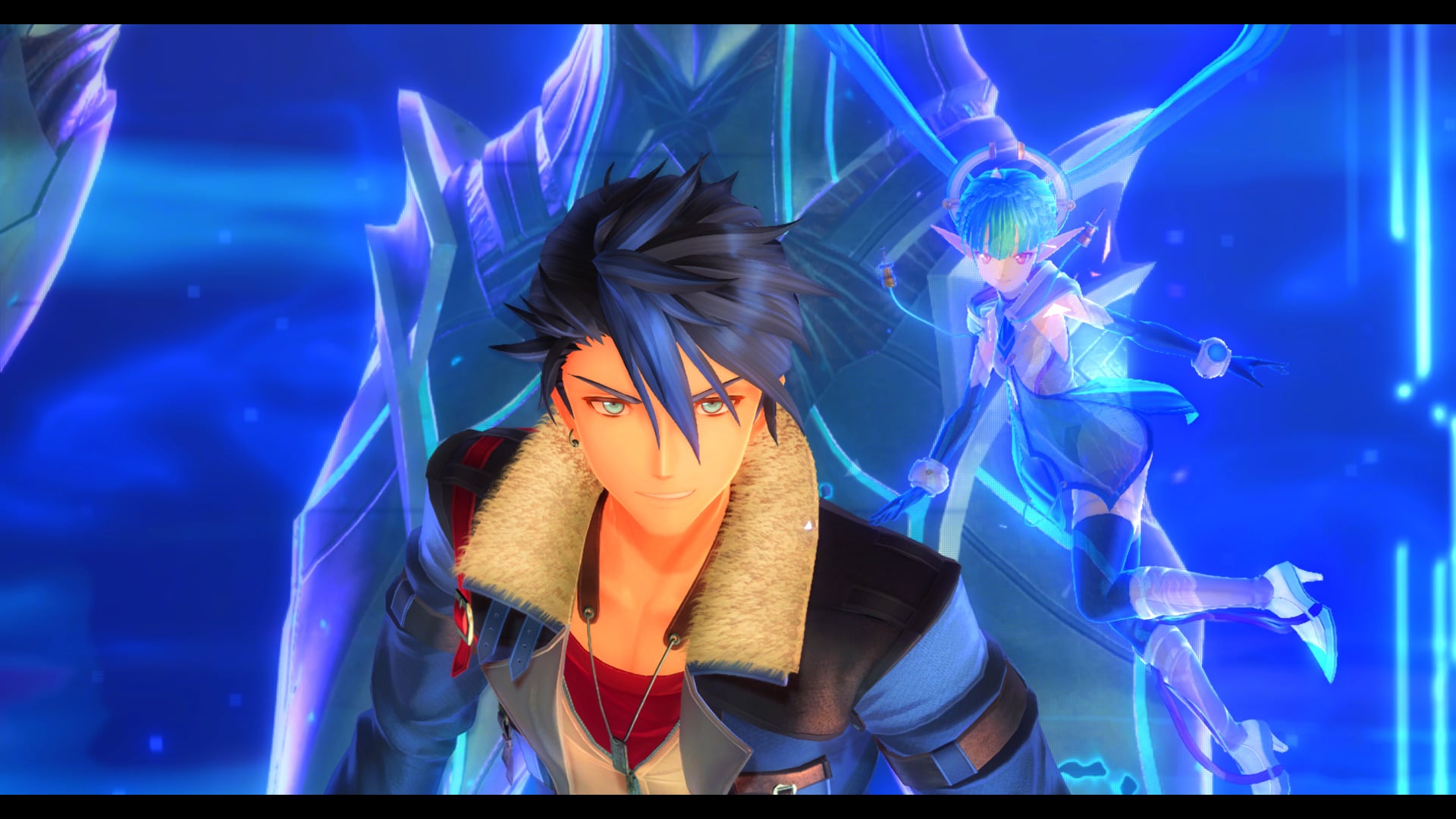
The first game of the current story arc, which takes place in the hyper-modern Republic of Calvard, Daybreak has a little more edge and grit than prior entries in the series. This, combined with really great scene writing, brings the new setting to life with an astounding confidence. Van Arkride, our new protagonist, is a sort of wandering private investigator, and his flexible moral code allows the series to really step up the side-quest game! Fetch quests and monster exterminations give way to surprisingly insightful pieces of social commentary.
But the true star of Calvard is the full ensemble. It’s not just Van! It’s everyone! Calvard’s constantly introducing new characters that manage to be some of the most vivid and likable in the entire series, from the shit-talking church enforcer Celis Ortesia to the introspective tech-head Quatre Salision. Where Erebonia’s hit rate was a bit mixed, Calvard’s a parade of amazing personas. With the stakes of even side quests a little higher than normal, the cast is often put through what we might call “the character wiggler” and we get the genuine delight of seeing them respond to crazy situations. Later games in this arc don’t always manage to make the Arkride Solutions team as exciting, but here in Daybreak they’re firing on all cylinders.
A shift to a more active, positionally focused combat system also helps keep things fresh even if these games will need time to work out some of the kinks. Special shoutouts to the “carnival” chapter, which might be the most exciting four-to-seven-hour stretch of any of the Trails games to date!
6. Trails of Cold Steel 3
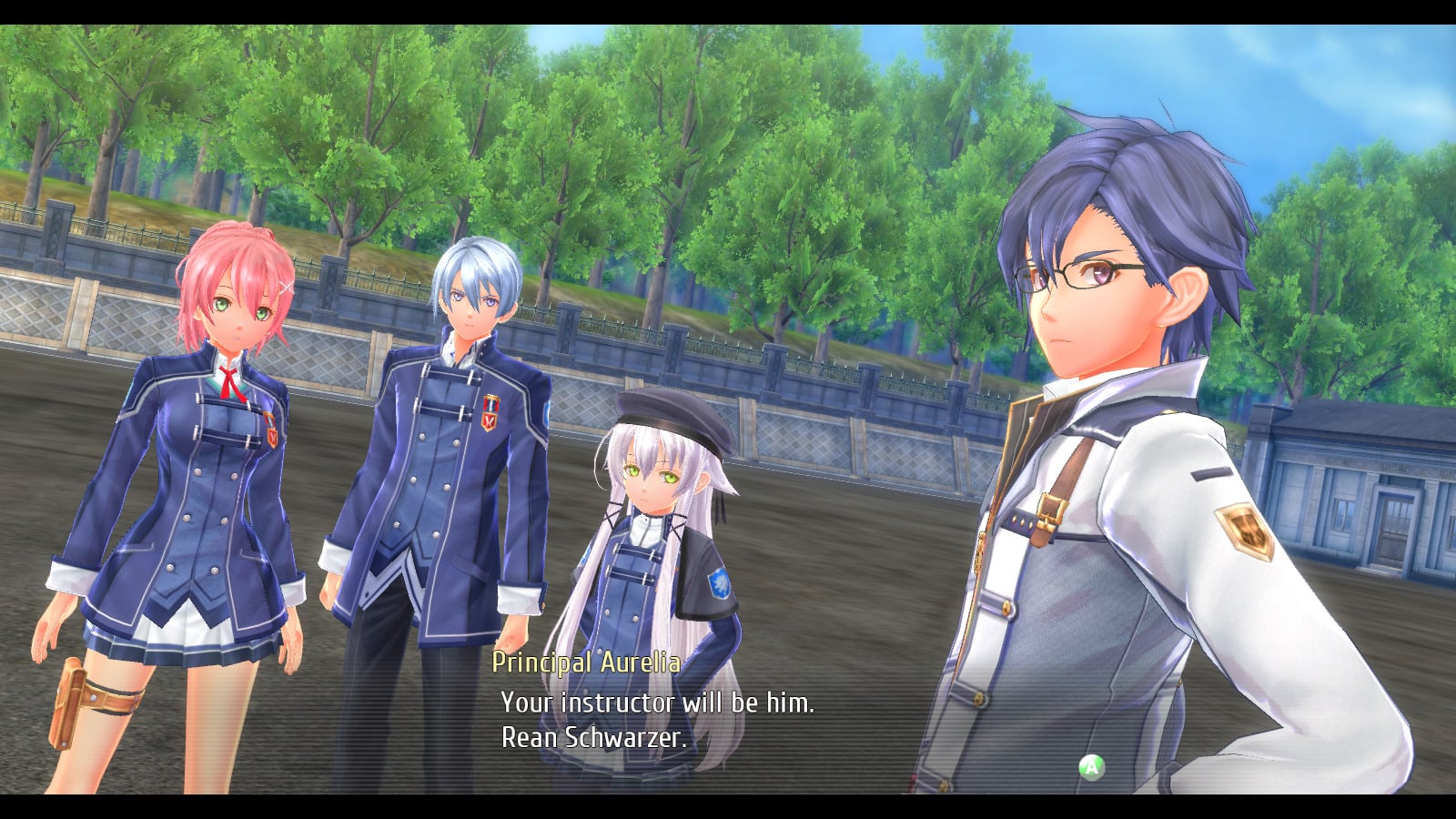
Taking a very small time jump from the end of Cold Steel II proves to be a truly inspired move for the Erebonia arc; Trails of Cold Steel III isn’t just the best of that particular story, but a world-class role-playing game on its own merits. Rean’s a bit older, teaching students at a new academy, and this shift brings amazing texture to his role as a protagonist. It also brings the “core” cast down to a much more manageable number, pulling in new faces and having them navigate a story of political intrigue alongside their experienced and weary teacher.
The upwards shift in quality (and remember that Cold Steel and Cold Steel 2 are still pretty fun games already) is hard to overstate. Moving away from the Playstation Vita means an upswing in cutscene quality, battle animations, and environments. This pairs with the faster-paced story, which is ready to pull the trigger on things set up in the prior games. The result is a game that really shows what Erebonia can do when firing on all cylinders. The glow-up is amazing!
5. Trails in the Sky
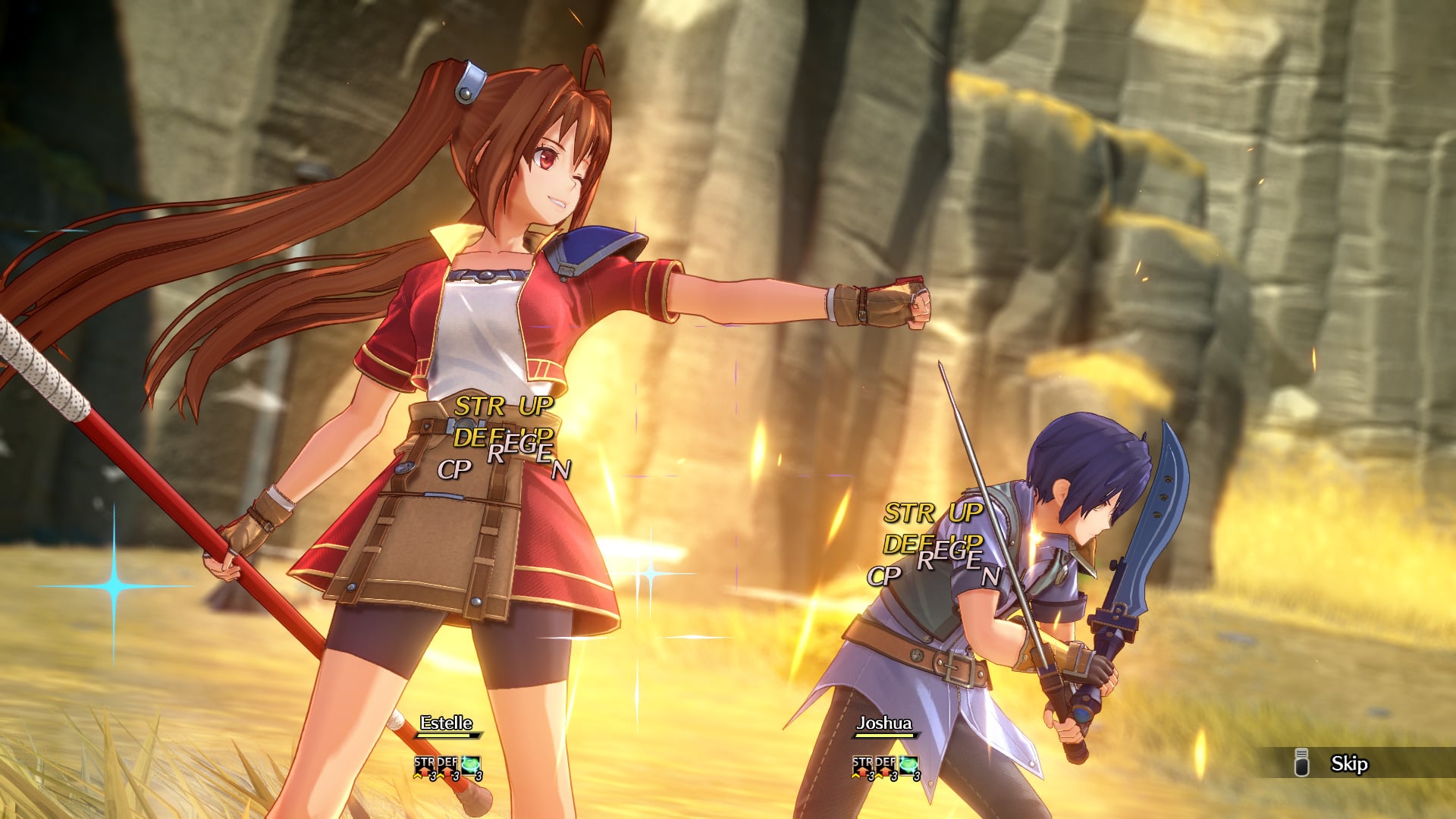
Our top five begins with the daddy of them all. The first Trails game took a pretty calculated risk but it’s one that launched a robust franchise. What if most of the game was general do-goodery and fun as you explore a vibrant fantasy country? What if at the last possible moment, we gave you one of the most defining plot twists in the entirety of role-playing games? Well, it turns out that if you do that, you might just kick off something really, really special.
The core of the game is, naturally, our two protagonists: Joshua and Estelle Bright. The former is reserved, observant, and highly skilled. The latter is personable, loud, and emotionally broad. And they really do complement each other perfectly. Bringing an almost comedic, if earnest, energy to all interactions, this dynamic duo elevates even the smallest moments in Trails in the Sky. They’re the gold standard for how to write video game protagonists, and a joy to be around.
Recently, this game was remade with a vibrant presentation and modern graphics, but either version holds the magic touch. Whether you’re playing the original and enjoying the charming sprites (and the legendary original localization) or playing the gorgeously animated remake, this is One Of The RPGs of All Time. Dive in here, learn about the world! It’s a damn good game and a great introduction to a detailed world of adventure.
4. Trails Beyond the Horizon
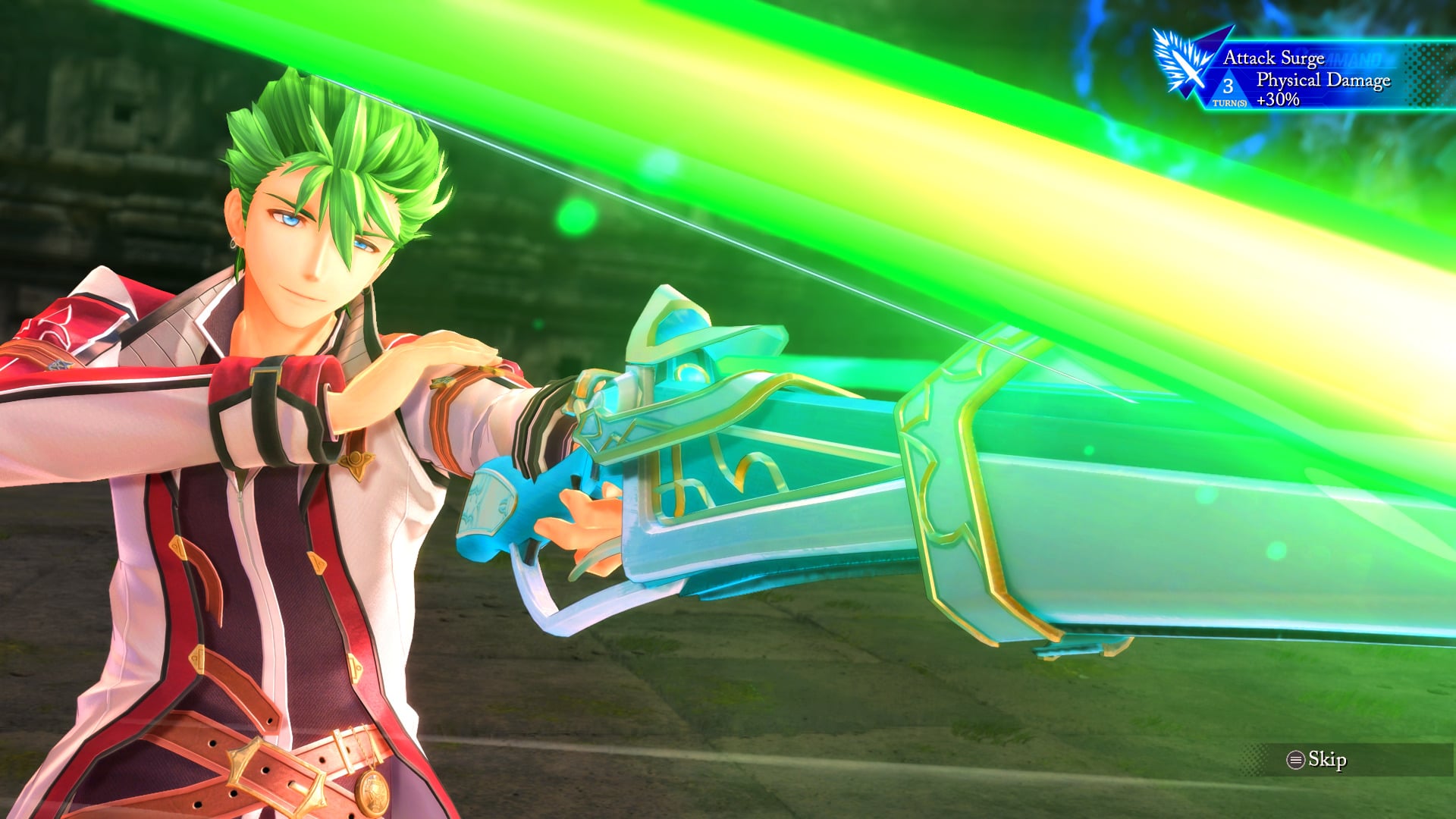
Whoa, whoa! Horizon is above the original Trails in the Sky? Well, yes, and not entirely. But it’s undeniable both ends of the current timeline are spectacular games that really can’t be missed!
The most recent entry of the Trails series is one of the most confident video games I’ve ever played. Called “Farewell, O Zemuria” in Japan, this game focuses on the lead-up to mankind’s first manned flight into outer space, and it’s clear that something is waiting for them in the dark.
What follows is a melancholic, twisting adventure as three generations of protagonists attempt to unravel the grand mystery facing the world. This leads to a cliffhanger of such monumental stakes that I lack the words to express the sheer balls-breaking grandeur of it all. This is what happens when you have two decades of world-building to pay off. I promise you that if you invest in the series long enough to reach this point, you will be completely spellbound.
This astoundingly confident storytelling also comes with a tweaked combat system that finally smooths over some of the rough spots Daybreak introduced. The pace is fast, you’re constantly positioning in smart ways, and every character’s personality (and there are quite a lot of playable characters here!) comes through. Anyone out there who somehow says that modern RPGs suck and there’s not been a good old-school adventure in ages simply has not played Horizon.
This! This right here is why you invest the time in Trails! This is the juice! Nothing else like it!
3. Trails into Reverie
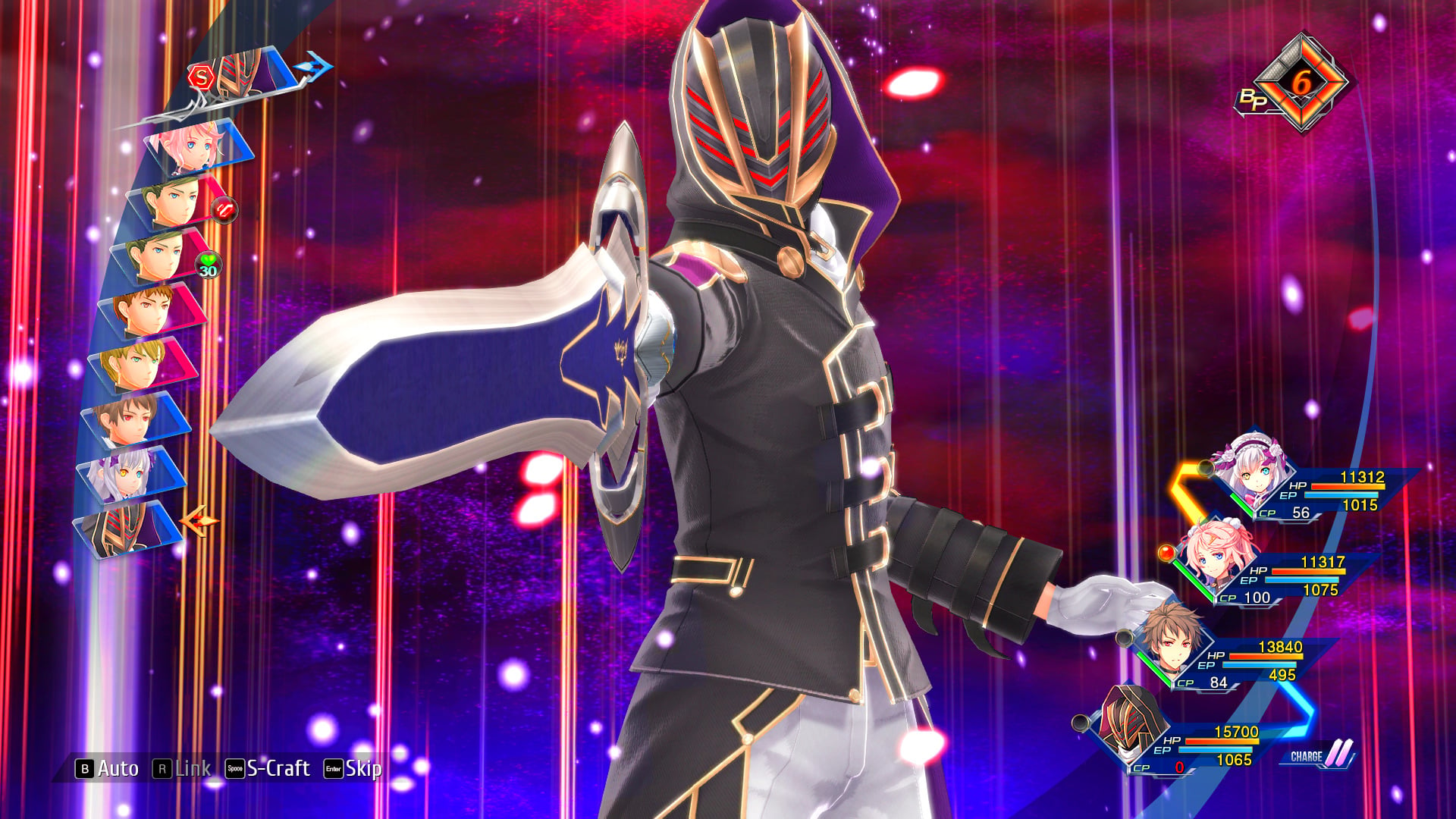
Reverie is a unique game, mashing together the casts of the Erebonia and Crossbell arcs into one grand joint finale which also tosses in a ton of dungeon exploring content like Sky the 3rd. It’s a bloated game with three protagonists and over 50 playable party members, and it crucially provides closure to the story of Crossbell as a nation. And yet it all works. It’s really proof of the value of world-building. The Cold Steel games stumbled as much as they soared but when everything comes together here in Reverie, it’s a huge victory for fans and the writing room.
Core to this is the story arc of a mysterious terrorist called “C” who might be someone that players know. His journey in Reverie, a game that often basks in anime-like excess, is deeply personal and a real home-run piece of character writing. Paired with a fresh array of new characters, this seemingly unconnected side story forms a deep emotional crux that counter-balances all the fan service. You’d think it would be hard to shine in a game packed with so many characters but that’s not the case at all. C’s story is fantastic and shouldn’t be missed.
Reverie also takes the dungeon-crawling from Sky the 3rd and expands it into a robust, procedurally generated romp that allows you to mix and match all your favorite characters in a truly great combat system. Every possible blorbo is here to toss into battle, making for a highly customizable and incredibly addictive (and replayable!) experience you’ll keep coming back to.
2. Trails to Azure
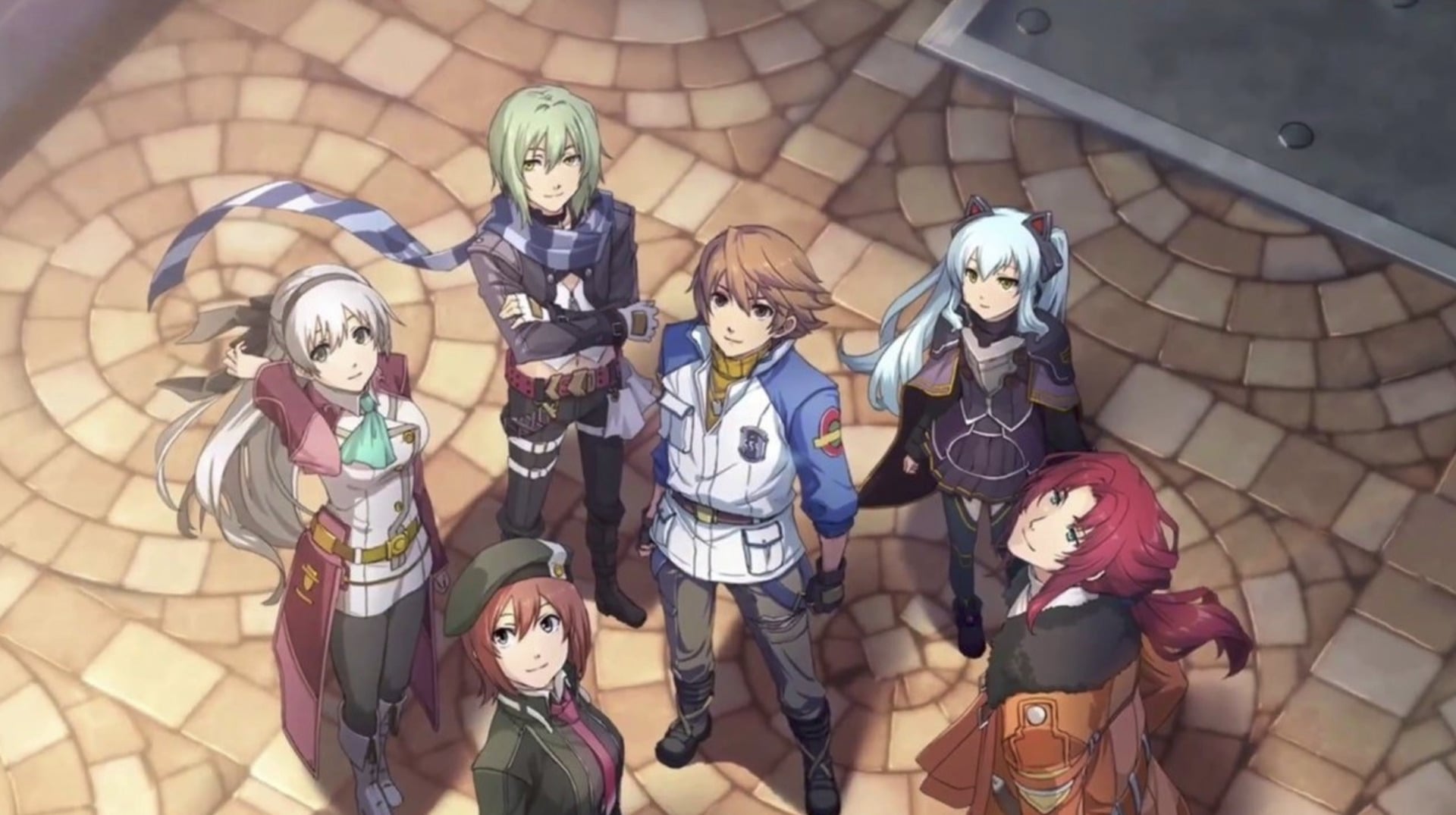
Whoa, if my praise for Horizon and Reverie was that intense, these next games oughta be real special, huh? Thankfully, they are! The benefit of Trails constantly spending full games on setup is that when the punchlines arrive, they bring down the house. Trails to Azure is no exception. This is my personal favorite. Some others do “more” but this is such a lovely game.
Rounding out our main cast with two great additions, Azure is a vibrant story of teamwork that manages to mix the magical and mundane perfectly. You’ve had a full game by now to learn all the ins and outs of Crossbell, so when the dice are finally cast, the stakes are electric. This is the series’ best party and they’re being tossed into a goddamn rock tumbler. The results are really special and this confident one-two punch is something the series has been constantly chasing.
The final third also evokes some of the best stuff in Final Fantasy 6, believe it or not. The adventure takes a big turn that really redefines how you experience the game. It’s tense, dramatic, and considering it took only two games to get here? Damn, that’s good pacing! And what a finale! If you don’t cry, I don’t know what’s wrong with you. Man, it’s special.
Seriously, all I need to do with some folks is say a few names. Randy Orlando. Wazy Hemisphere. Tio Plato. Lloyd Bannings. If you know, you know. These are some of the greats.
1. Trails in the Sky 2nd Chapter
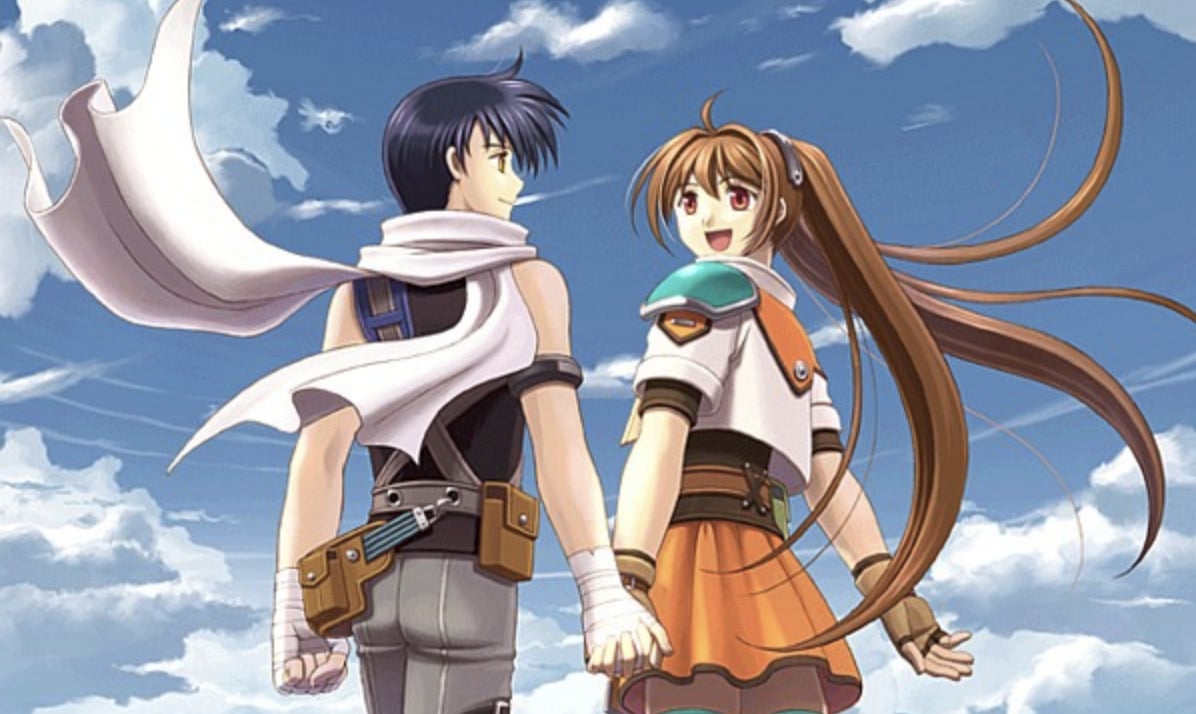
There’s really no other option for a list like this. Trails in the Sky 2nd Chapter is the game that proves the strength of the series formula. After an initial game spent setting up the world and a cadre of mysterious villains, the plot takes off here and everything comes together. This initial duo of games, much like Joshua and Estelle themselves, have to be considered as an inseparable pair, but 2nd Chapter is the defining game for the series. The idyllic country of Liberl, explored in detail during the first game, is revisited with new context and a new awareness of the dark forces dancing at the margins.
It’s breathtaking stuff! You know the Liberl and now the bad guys are about to kick off their plans. The resulting story is deeply personal for Estelle while also having really high stakes.
I’m stretching to avoid spoilers here because the remake has just arrived, allowing players who are reeling from the first game’s cliffhanger to enjoy what’s to come, but at the core of everything is a manifestation of a promise: play these games and you will get a chance to see vibrant, interesting characters grow and change in real time. That’s the allure of the Trails series. Someone you meet now will be remarkably changed within one or two more games. Another party member might show up again a few years later and you will know them as well as your own friends and family. It’s really special.
2nd Chapter is the game that makes that promise, and while the series has its ups and downs, it’s never reneged from that pledge. Dive in, spend time getting to know this world, and every now and then? We will shake this snowglobe up in a way that no one else does. Here in 2nd Chapter with Joshua and Estelle, the model is set and it has proven enduring! No other series is doing anything like this with such confidence and beauty. And 2nd Chapter? Well, it’s the most beautiful game of them all.