About Space Engine
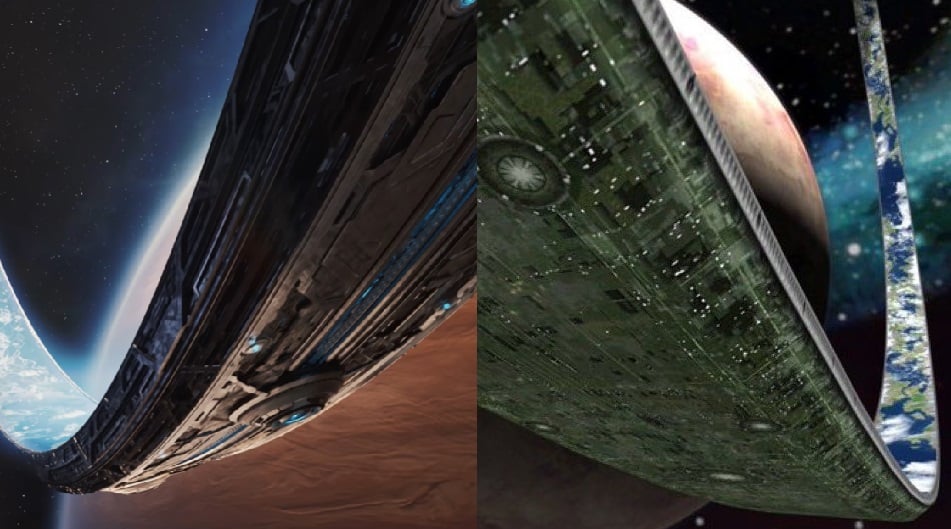
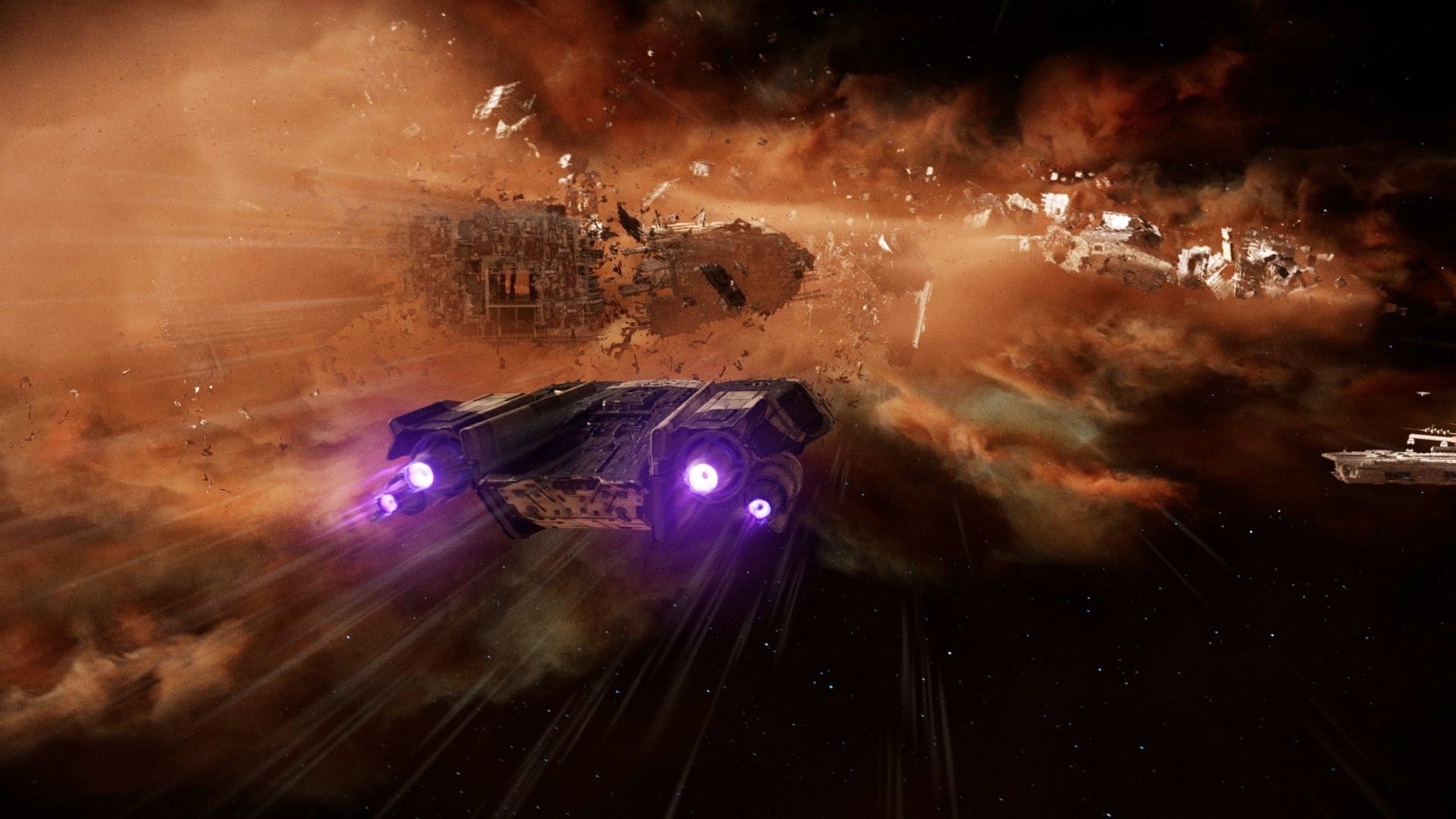
Space Engine is a universe simulator—it is not really a game. The missions give way to a complete digital universe that replicates the actual distances in space. The size is equivalent to the real galaxy, planet, star, and nebula sizes, meaning everything is enormous. Scientific catalogues known celestial objects, whereas unexplored space is procedurally generated according to astrophysical rules. The outcome is the intermediation of science and speculative imagination.
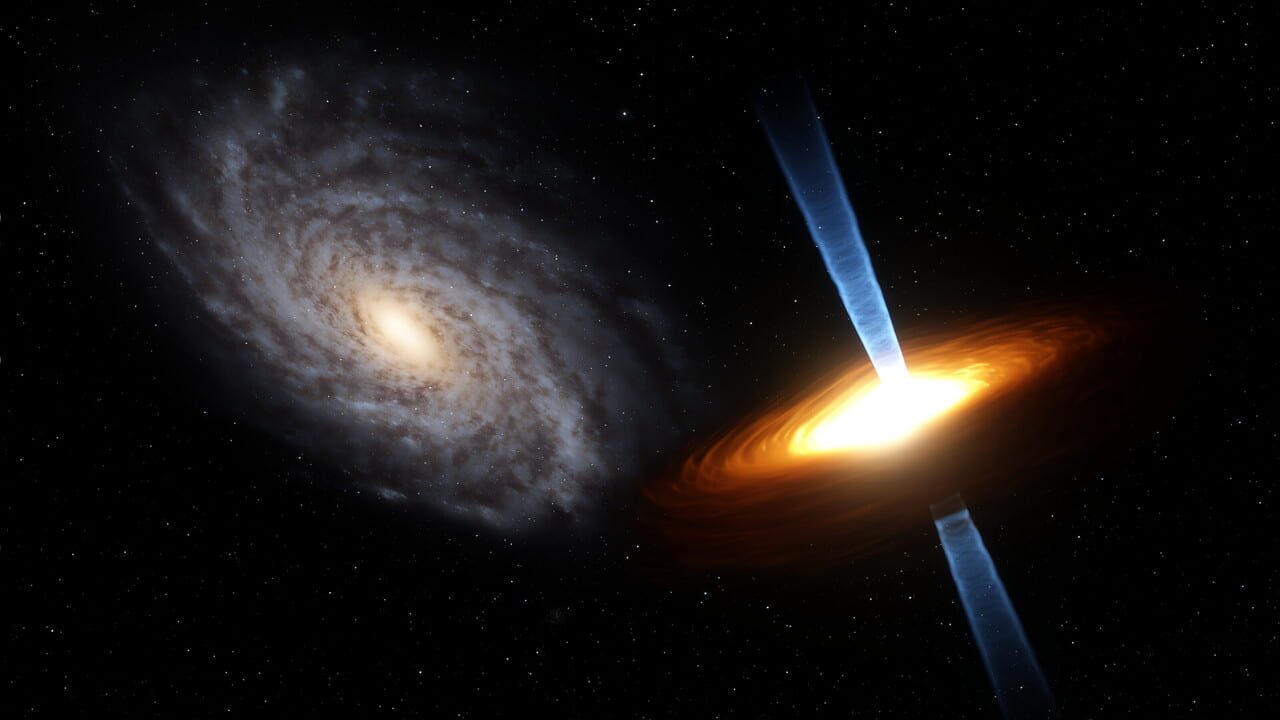
Users can explore the solar system, fly through a whole galaxy, or land on the surface of distant planets never visited by any probe. There is no win goal; the goal is exploration. You can accelerate time to observe moons' circles, black holes bending light, nebulae shining, or alien scenery developing. Discoveries, even when accidental, are not based on fantasy but on actual science. This simulator is ideal for individuals who enjoy looking out into the universe and admire its expanse. Space Engine is a free, unrestricted window to the universe.
What Are the Key Features of Space Engine?
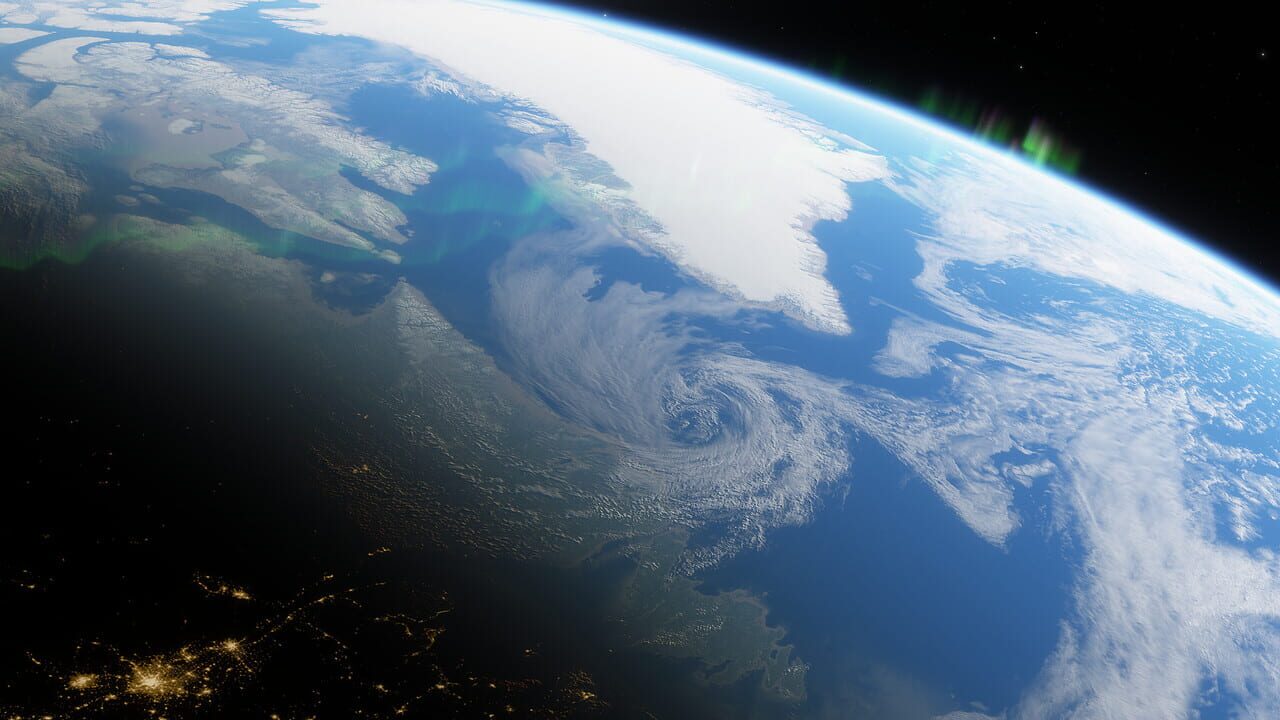
Space Engine allows you to fly continuously off the surface of the Earth to the outskirts of a galaxy. The scale is filled with actual information—HIPPARCOS stars, NGC/IC galaxies, recorded nebulae, exoplanets, and the entire Solar System, with some finer details. In the absence of scientific evidence, procedural generation builds landscapes, atmospheres, oceans, and stellar structures through astrophysical reasoning.
The game has several movement styles: free-flight camera controls, spacecraft mode, with Newtonian physics, or an assisted autopilot to jump much longer. Warp drive enables you to travel almost at light speed over interstellar space, whereas time acceleration displays the motion of planets in a manner that not even a telescope can. Or when you decide you would rather have a comet make a tail at perihelion, or you want to have the light bend around a neutron star, the engine can allow you to do this.
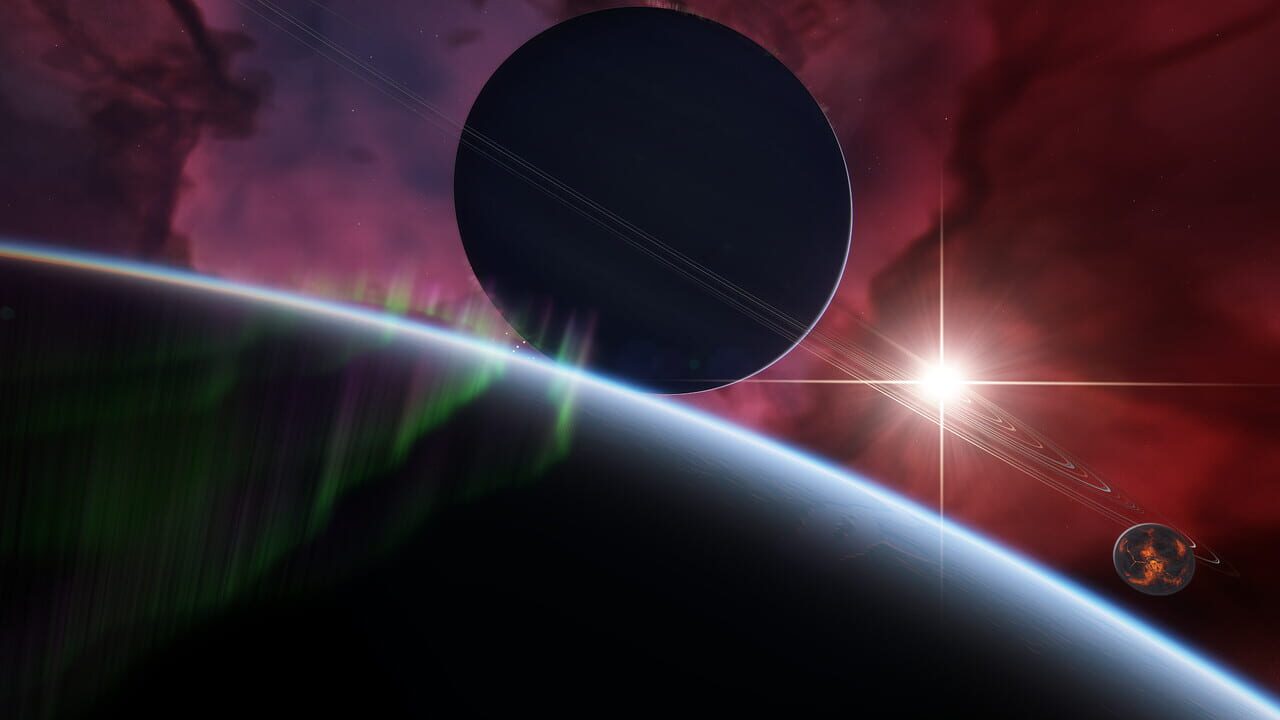
The visual detail is prominent, particularly in the expansion of texture. Nebulae are bright, black holes make space visually through twisting, auroras are active, and procedural landscapes are several thousand kilometers. VR support allows users to feel scale firsthand rather than just see it. Spaceships, planets, user interface skins, and even custom star catalogs can be imported into the game using modding tools. Space Engine is not simply a map; it is a protracted astronomical playground.
Is Space Engine Free to Use?
Space Engine is not free software; the core application is a paid program on platforms such as Steam. It has optional texture packs and add-ons, some of them free, others designed by the community.
Which Platforms Support Space Engine?
Space Engine is primarily written for the Windows platform and designed for PC hardware capable of intensive rendering. Since the simulator uses extensive environments created in real time, it requires high performance from GPUs, VRAM, and CPU throughput. No native version of Linux or macOS exists, although users have attempted compatibility layers with mixed success.
It can be used with Oculus, Valve Index, HTC Vive, and other SteamVR-compatible devices. VR has a significant effect on the sense of distance; it feels more like standing on a gas giant in VR than on a display.
Planet Catalogue, Planet Modder, Planet Builder, and Community Tools are designed to work with Windows. It can be installed through Steam, and updates are in patches. Space Engine is best suited to a desktop, and a big screen, headset, or multi-monitor setup is an added plus.
What Are the Best Alternatives to Space Engine?
Space Engine is not really a game; it is a virtual representation of our universe as known by science. If you're looking for a game simulator that lets you be more involved, there are a few games that might interest you.
Microsoft Flight Simulator is not a simulator of the universe, but a more detailed simulation of Earth, with satellite photogrammetry and real aerodynamic models. You do not need to pass by galaxies; you fly aircraft over our planet, feel the weather, wind, air pressure, and traffic. It’s grounded—literally. It is more realistic in aviation than in astrophysics, and it offers a suitable alternative for users who want to fly rather than explore the sky. Flight Simulator reflects Space Engine's desire to be as realistic as possible, but it is aimed at Earth, not the universe. Many aviation fans download it simply to experience real-world flying with lifelike weather and terrain.
FlightGear is an open-source flight simulator developed by a community and is still being developed. It offers hundreds of aircraft, including jet, glider, and has weather, navigation, scenery, and cockpit systems add-ons. In contrast to Space Engine, which emphasizes space exploration, FlightGear is more focused on flying, landing, takeoff, aerodynamics, and aircraft systems. It is open-source and can be modified by its users for almost anything, including aircraft files, cockpit architecture, and even scenery. An engineer exploring Space Engine may use FlightGear to understand the behavior of airplanes in Earth's atmosphere. It is less spectacular and more controllable in simulation. Because it is free and open-source, many learners download FlightGear to practice aviation skills without paying for a commercial sim.
Aviassembly allows you not only to fly aircraft but also to assemble them, perform maintenance, and engage in mechanical interaction. You do not fall asleep between star clumps; on the contrary, you disassemble aircraft systems, replace parts, fix bugs, and deal with engineering specifics. It is based on mechanical precision. To users who like technical aspects of aviation, like bolts, wiring, and turbine mechanics, Aviassembly is a niche that Space Engine cannot fulfill. It is practical and problem-solving, and, therefore, it is only a substitute for those who like working with machines rather than seeing galaxies. Users who enjoy mechanical problem-solving often download Aviassembly to explore engineering tasks instead of cosmic travel.