Can you sell or make money on a fan work? The question constantly bubbles under the gray area of Japan’s doujin scene—fan groups that create fan works—encompassing hobbyist manga and games sold at in-person fan events like Comiket. While some of these projects can be entirely original (doujin work is not always derivative, but rather anything created by and for fellow fans), many are based on popular IP, and exist because major companies often overlook or allow their existence. Provided they don’t overstep certain boundaries while infringing on IP, that is. Which is why some fans reacted strongly to the news that one developer, working on a 3D action game using characters from the Saga Of Tanya The Evil anime, planned to sell digital copies of their work on their official store. The resulting response has led the creator to cancel online sales.
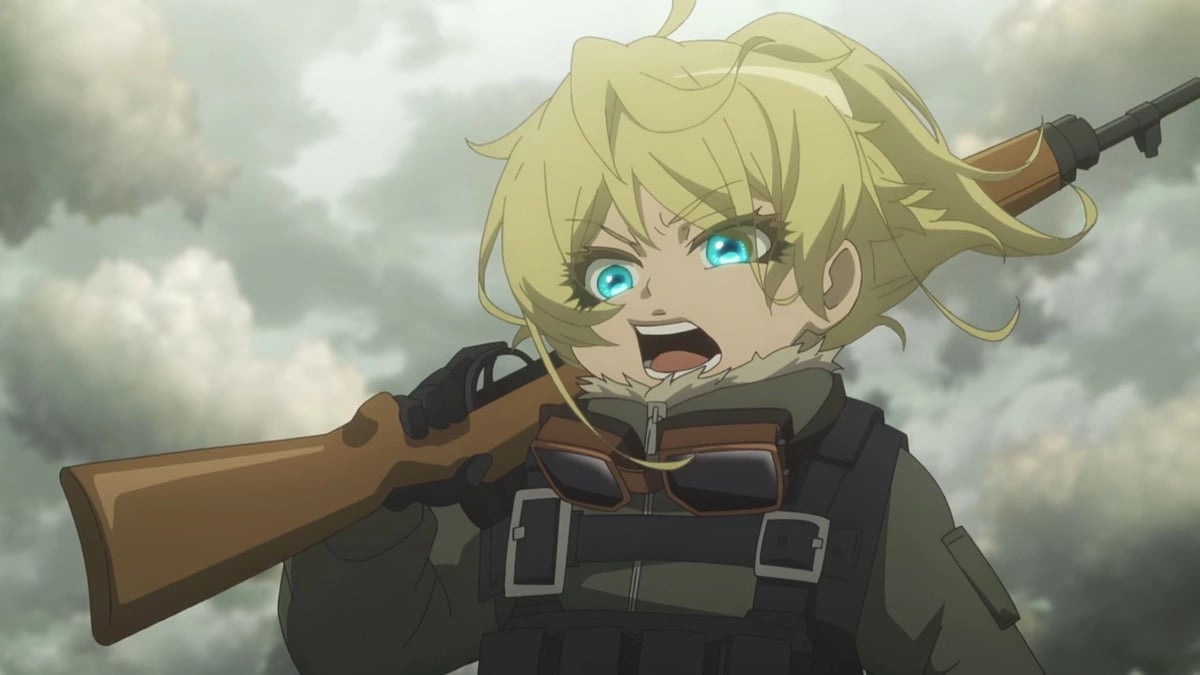
The Saga Of The Sky Front, based on the popular long-running Saga of Tanya franchise, faced controversy after attempting to make money from its game online. The game is a third-person aerial shoot ’em up where you control the titular Tanya flying via her famous hoverboots, zipping through the skies in dogfights with other soldiers. I was recently at the Digital Games Expo in Akihabara, Tokyo where a demo of the game was being showcased, and found it to be a relatively interesting aerial action game.
魔導士とかオート追跡とか色々実装しました!
デジゲー博まであと少し…!#デジゲー博 #幼女戦記 #YoujoSenkiターニャとヴィーシャのモデル作者様:@choen7458 pic.twitter.com/7xxETDoeHp
— ぽみーぽみー(pomypomy) (@pomypomy5968171) October 27, 2026
With development on the game’s beta now complete, creator PomyGames chose to sell this initial version of the game on their own digital storefront for 300 yen (about $2), with a physical copy costing 1000 yen (about $6). Whereas in-person sales can often be overlooked by rights owners due to their limited availability, with profits primarily going towards manufacturing and the cost of renting a space at a convention, the decision to sell online is what led many to speak out against the creator.
幼女戦記のアレ、作品名入れたのも問題とは思うが販売ページに原作者の名前出したのが最大の悪手だと思う https://t.co/jx5GKWTVPq
— ぬいぬい (@Nui_Colle) November 16, 2026
One user felt the the game went too far in associating itself with the original creators. “Including the series name is one issue,” they wrote on X, “but I think listing the author’s name on the store page was the biggest mistake [made in selling this game].” Others pointed out the risk of it being confused for an official work. “The problem is that the chance of a rights holder intervening and blocking the sale of a fan game is much higher than it is for a doujin manga,” said one. “It has a risk of being mistaken as an official game adaptation, and there’s the chance it could harm Kadokawa’s profits if they choose to release a game with the same concept.”
If a series explicitly allows fans works, often their sale—even online—can be permitted in select circumstances provided it is not attempting to be seen as an official work. Some IP holders may put specific conditions on derivative works, with the expectation that fans will adhere to the rules. For example, Uma Musume creators Cygames note that, while fans can create doujin, they are not allowed to create adult sexual works, in part due to the characters being based on real horses. One doujin creator summed it up well: “The reason doujin tend to be allowed to exist is that they often consist of what-if scenarios that authors would like to see, but would probably not feature in the original work, meaning they don’t compete with the core media. However, even if it was a doujin work, if someone wanted to create and sell a manga that was in a style that could be mistaken for the original and could be viewed as a potential continuation of that story, the chance people would intervene could increase greatly.”
This is where the line was crossed in the eyes of many, leading the creator to pull the game from sale. Without permission from the rights holders, it can feel against the spirit of doujin to create something like this, regardless of a fan’s intentions.