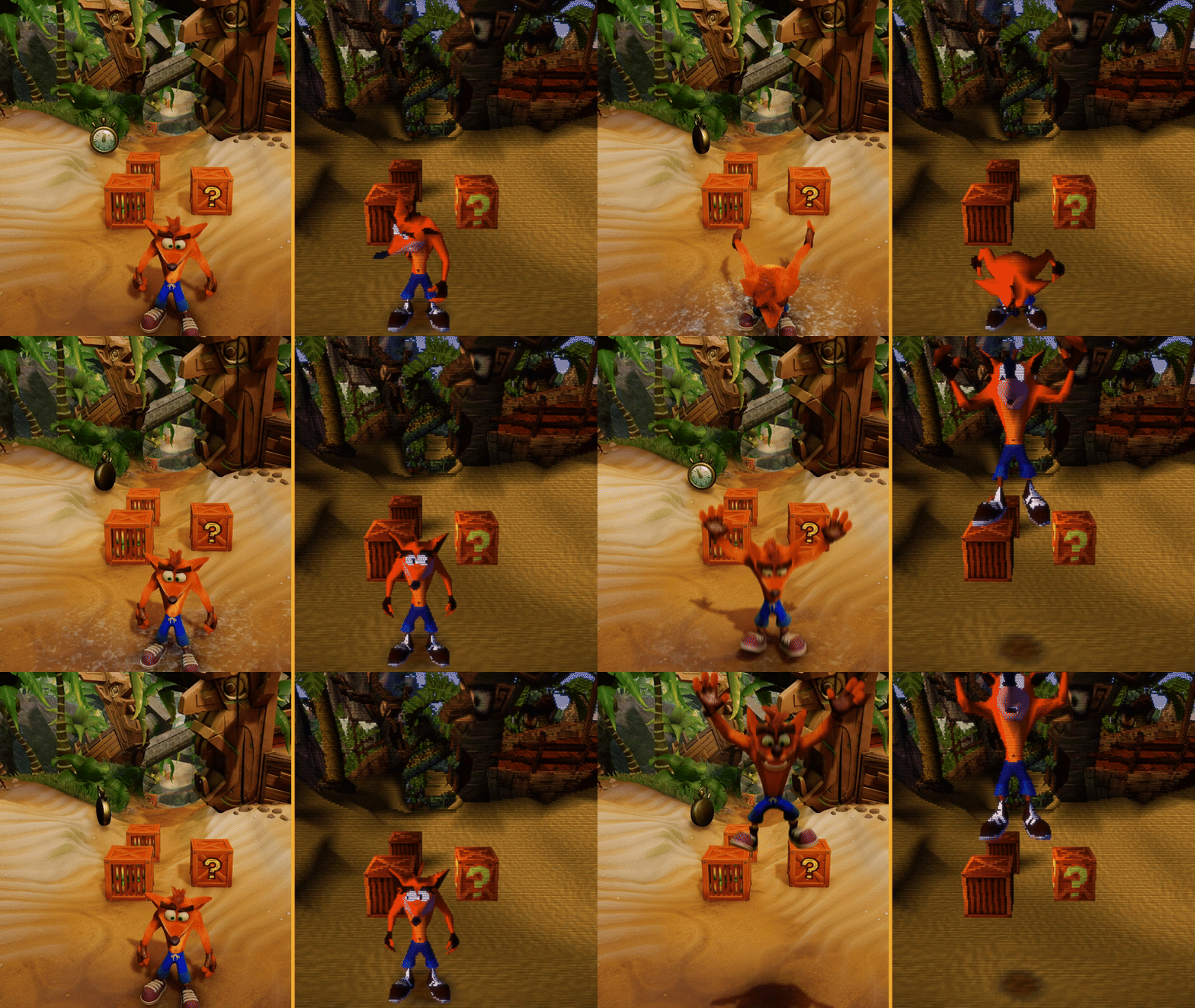
As is being discussed over on Resetera, a LinkedIn post from Naughty Dog co-founder and lead programmer on the original Crash Bandicoot from 1996, Andrew (Andy) Gavin, dives into a critical difference between the original box-bashing bandicoot experience and Vicarious Visions’ 2017 remakes, which many of us who grew up playing these games see as entertaining and authentic: The jumping apparently works differently.
According to Gavin, the “Crash Bandicoot remake got almost everything right. Except the most important 30 milliseconds.” He goes on to say that remake developer Vicarious Visions “completely botched how jumping works.” That’s fighting words where I come from (Hillcrest, represent). But he’s got some numbers to back him up. Here’s his explanation of the difference between how jumping works in Crash 1996 and the recent remakes:
On the original PlayStation, we only had digital buttons–pressed or not pressed. No analog sticks. Players needed different height jumps, but we only had binary input […] So we built something borderline insane. The game would detect when you pressed jump, start the animation, then continuously measure how long you held the button. As Crash rose through the air, we’d subtly adjust gravity, duration, and force based on your input.
He sums this up by saying “Let go early = smaller hop. Hold it down = maximum height. [The game] intercepted your intent across those 30-60 milliseconds and translated it into analog control using digital inputs.”
This is the difference. But I’m kinda skeptical this morning, the 17th of July in the year of our lady 2025. Kotaku has reached out to Andy Gavin for more details.
After some quick testing, I’m either missing some delicate nuance that I’d go so far as to say is negligible, or, Andy, I have to wonder if we’re playing the same remake? Check your LinkedIn messages, I’m curious about the specific differences in actual gameplay instances.
Granted, I tested things out on a PC with a Bluetooth Xbox controller using a backup of the original game’s image running in RetroArch with a Beetle PSX core. I then timed my jumps in each game to a metronome and jumped every “whole note” (I’m a musician, that’s how you’re going to get accurate timing from me). Some of you are probably freaking out: This is a horribly inaccurate way to drill down into the specifics of a 30-60 millisecond. Until I can devise a Mythbusters-grade testing unit complete with a robot that times a button press at an exact specified time (and then something that blows it all up), I can’t say for certain, but the jumps feel more similar than Gavin’s assertion that the remake only contains “maximum height” jumps. I mean, here’s another gif showing smaller jumps in motion on both games:
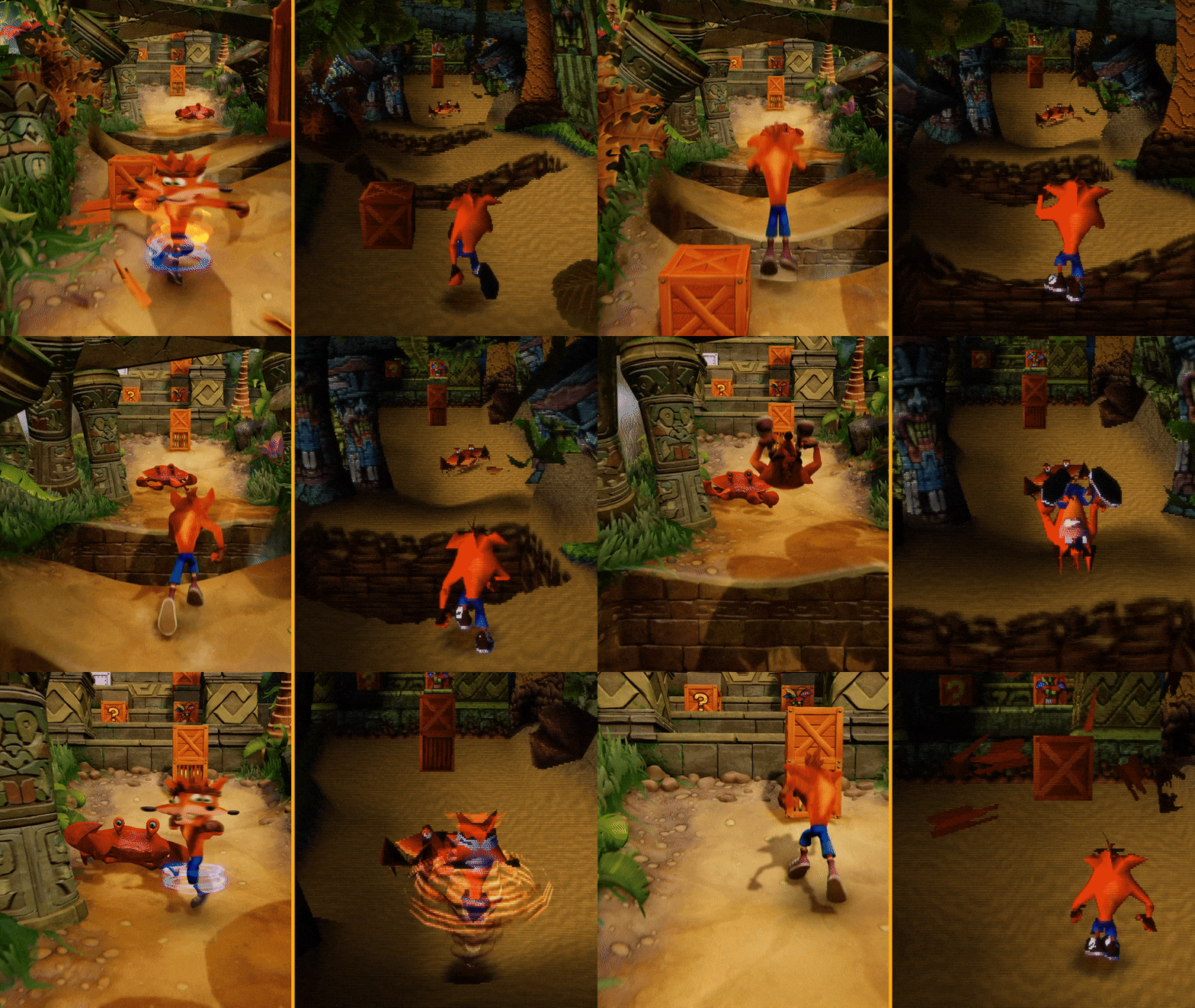
I’m willing to believe that, obviously, there are minute technical differences between these two games, separated by decades of change in how video games are made. But also, as my colleague and Kotaku senior reporter Ethan Gach mentioned in our work Slack, Mario had different jump heights based on how long you held the button, so how unique is the Crash jump anyway? I also recently replayed these remakes. I and many other long-time Crash fans typically admit, this collection feels very accurate to the original 1990s-era experience.
I’ll get back to you if and when I learn more about Crash’s attempts to defy gravity.