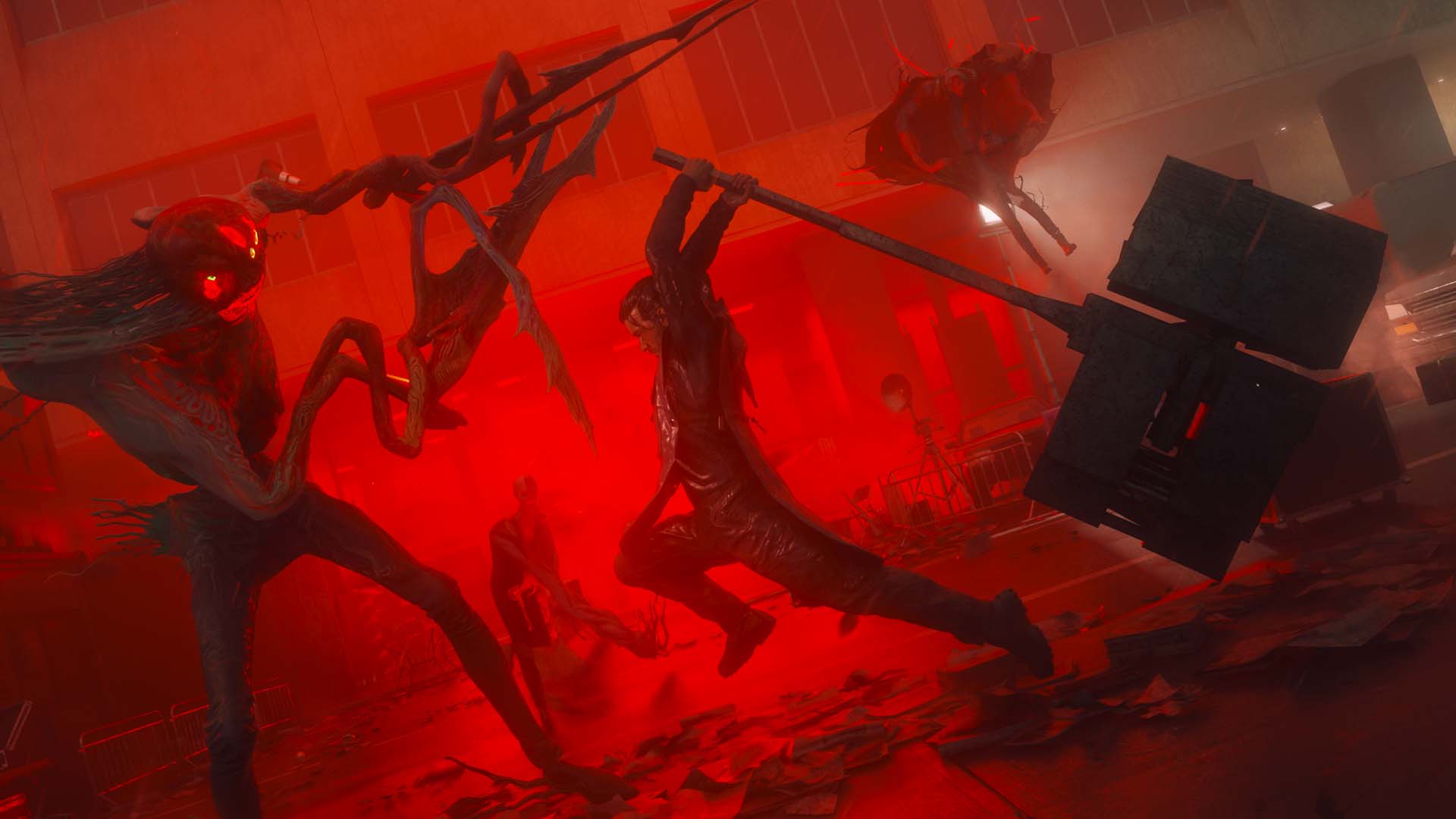
As part of this job, I play a lot of video games. Many of these games include boss fights. And I find a lot of these battles to be serviceable at best, just testing to make sure the player understands the game’s mechanics so far. Far too many of them end up being boring and forgettable. It’s enough to make me sometimes wonder if games even need boss fights. And then Control Resonant‘s battle against a dancing monster reminded me that, when done right, boss fights can be amazing experiences.
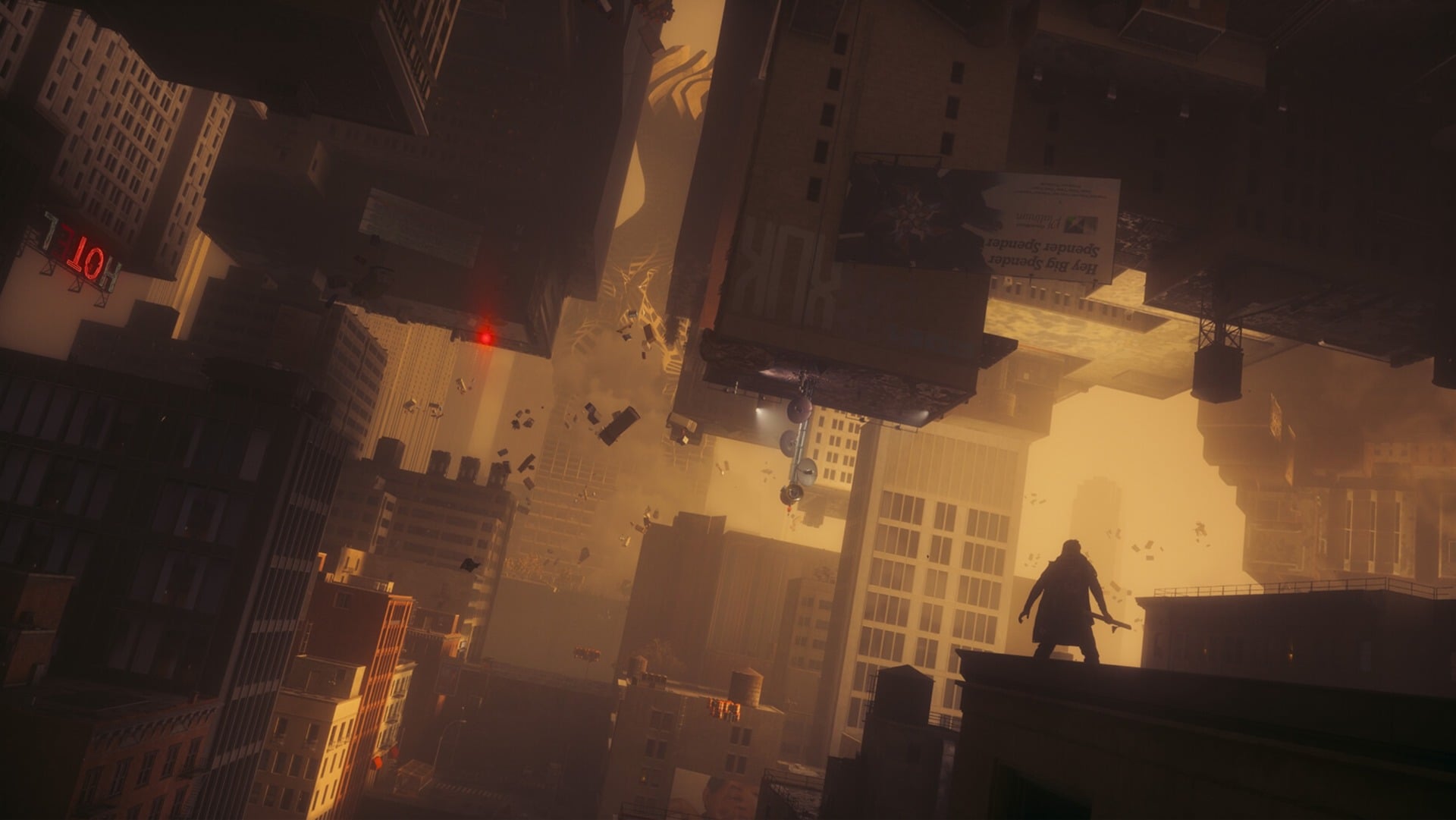
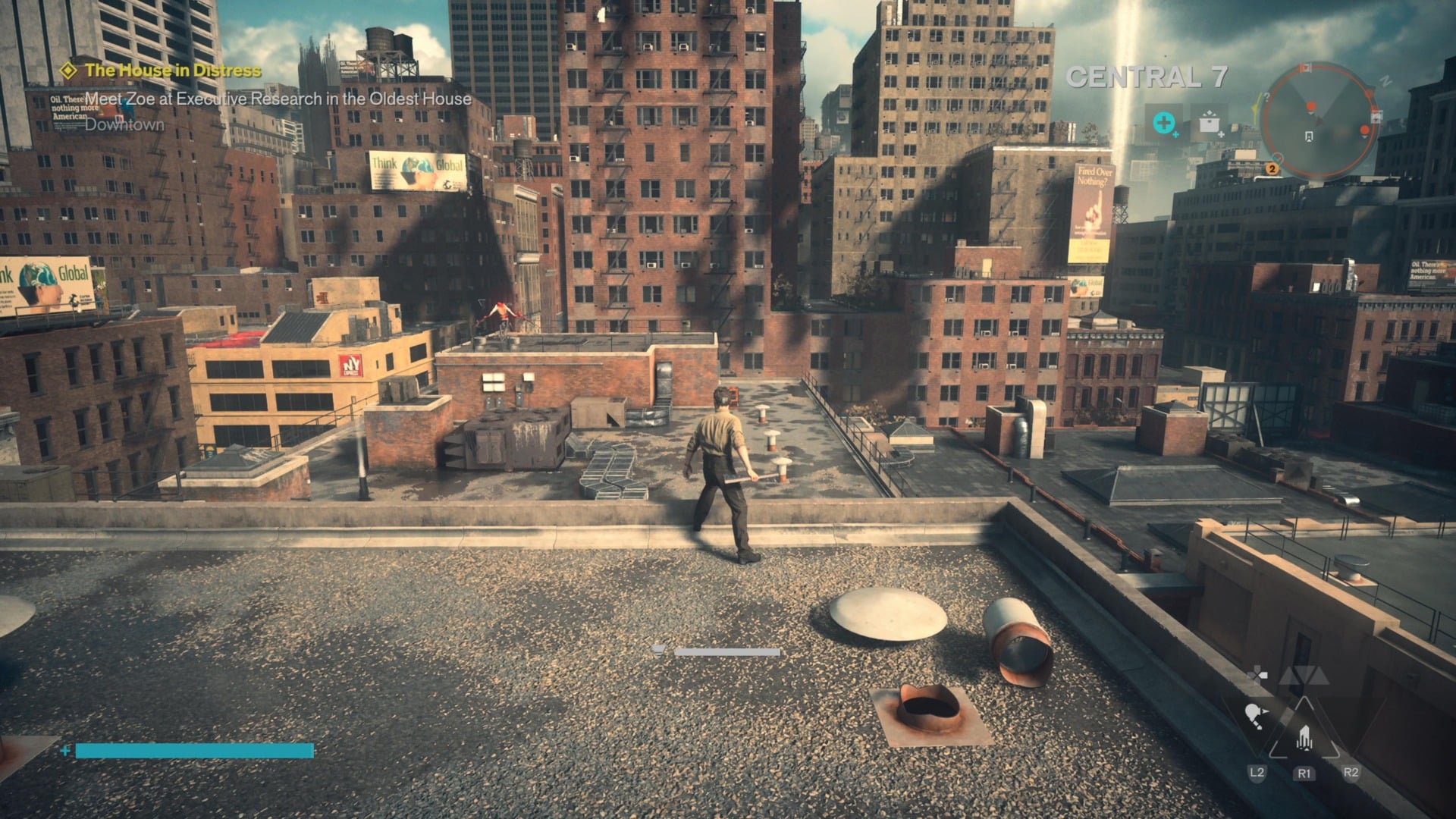
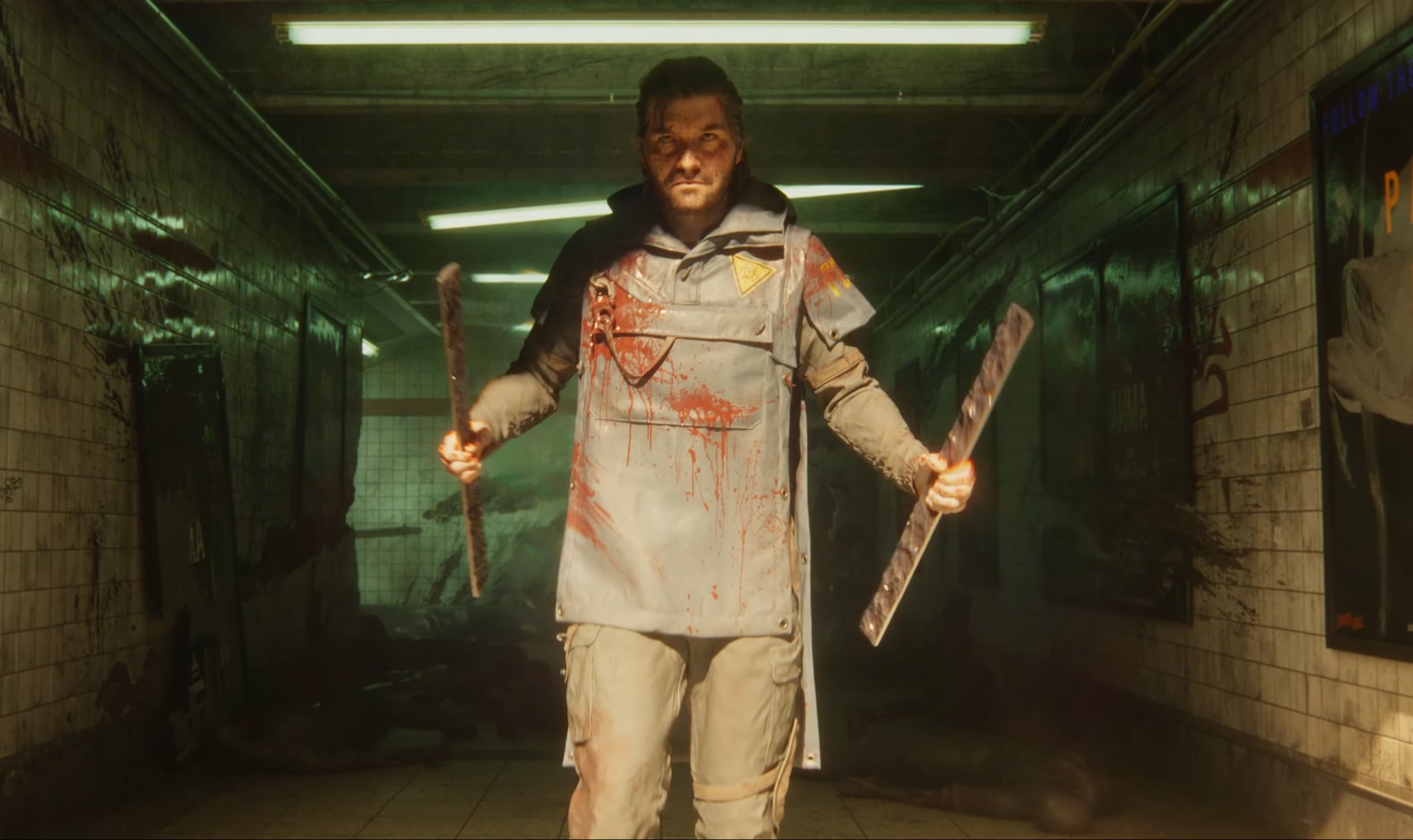
I’m slowly working my way through Remedy’s recently released open-world action game Control Resonant. And I’m enjoying it immensely. I loved the original Control, and more of that creepy, odd world always makes me happy.
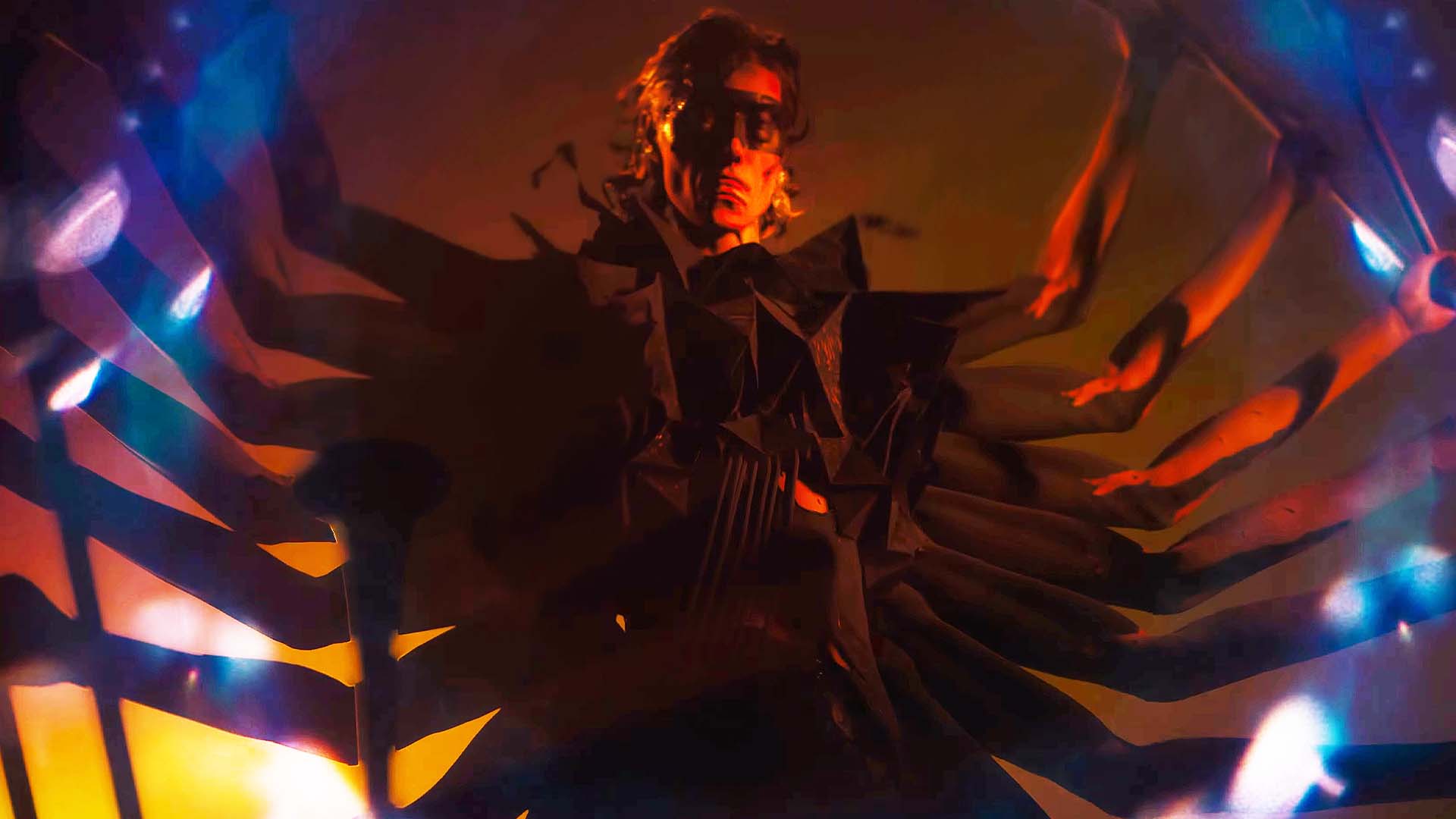
But last night, I encountered one of Control Resonant‘s bosses, The Dancer. At first, I didn’t have a problem with this slender figure that hops and chassés around the arena. I quickly spammed a few attacks in the air over and over again and despite taking a few hits, I defeated The Dancer. “That was easy,” I thought to myself.
And then The Dancer revealed its second form, and the real boss fight began.
I was able to do a good chunk of damage to this new, faster, and more aggressive version of the boss, but I went down before I could kill it. So I re-entered the arena and hammered away at The Dancer again. And once more, I quickly got through the first phase, taking some hits in the process, and then faced its second phase. And once again, it defeated me. This same series of events played out three more times. I could feel myself getting frustrated and impatient. Making mistakes. Taking more damage. Dealing less damage. I was getting worse at this fight. On my next attempt, I failed the first part of the fight, which I had previously found very easy, and it was at this point that I paused and thought about what to do next.
I could tinker with the difficulty options and sliders to make the fight easier. But I didn’t want to give up, so to speak. Remedy is a fantastic studio that puts so much care into their games. I was missing something. Also, my thumb was starting to get sore. So for my next run, I was calmer. I jumped around less and paid more attention to The Dancer’s moves. And I did better.
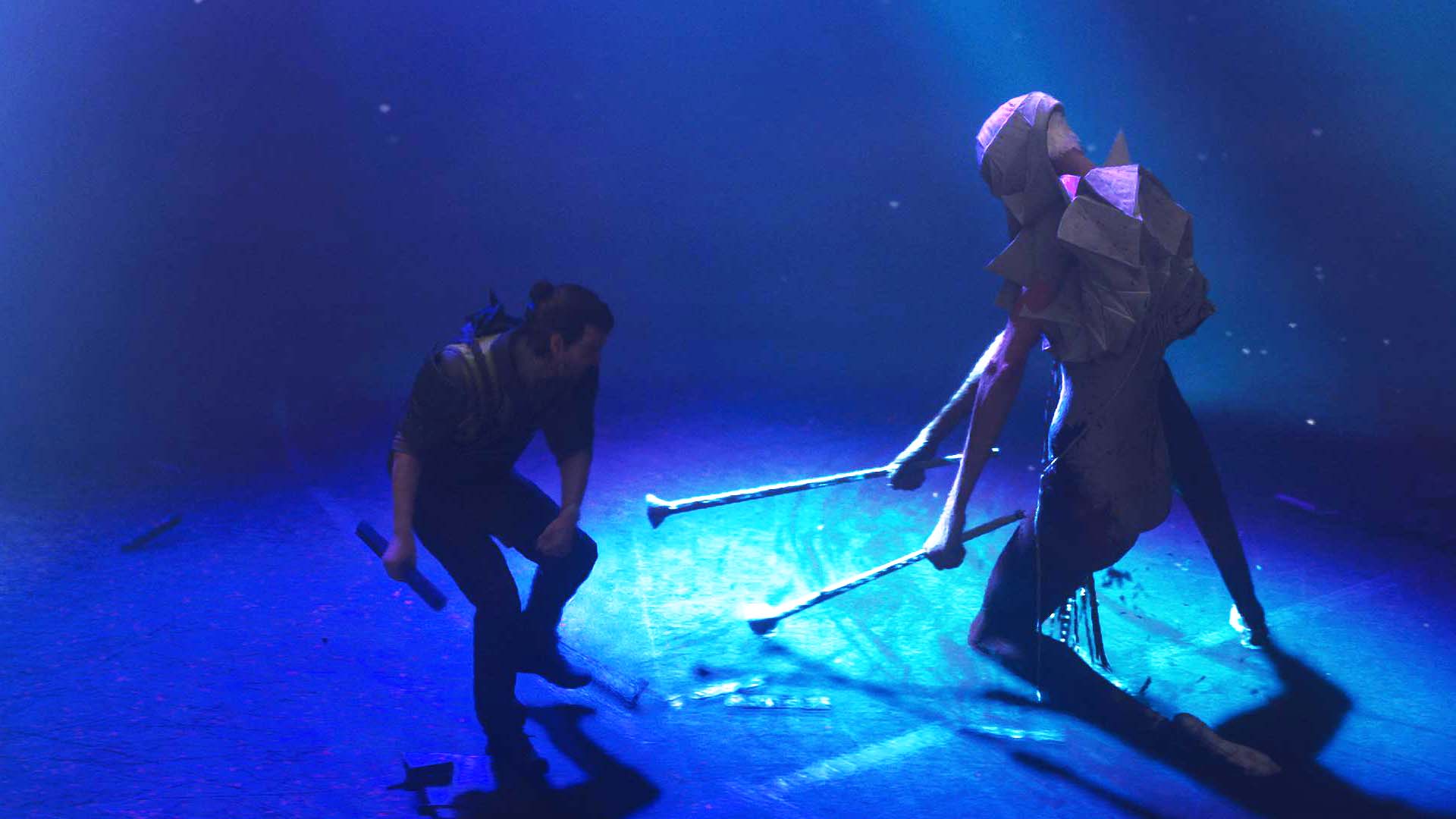
That’s when I realized that the first phase of the fight was a rehearsal. This whole boss battle takes place in a theater surrounded by paralyzed floating humans who make up the audience. So it makes sense that this performer would want to practice first before the real thing. I paid more attention to that easy starting phase of the fight and picked up on the moves The Dancer would use in the real fight. And that’s when it all clicked. I need to dance with this monster to defeat it.
On my next attempt, I slowed down and matched The Dancer’s pace. I was no longer just trying to kill this thing as fast as I could with big combos, but instead, I was artfully dancing and dodging with it. On that very attempt, I defeated The Dancer with health to spare.
The Dancer is a great example of how a boss fight can be about more than just killing a big enemy with telegraphed moves. The Dancer challenged the very way I played the game, made me slow down, think more about what moves I used and when, and in the end made me a better Control Resonant player while also delivering an experience that felt thematically cohesive. The Dancer is a testament to the fact that boss fights can be more than just boring slugfests or hair-pulling moments of frustration. If done right, they can deliver something that is only possible in the interactive medium of games.