28 Days Later (2002)
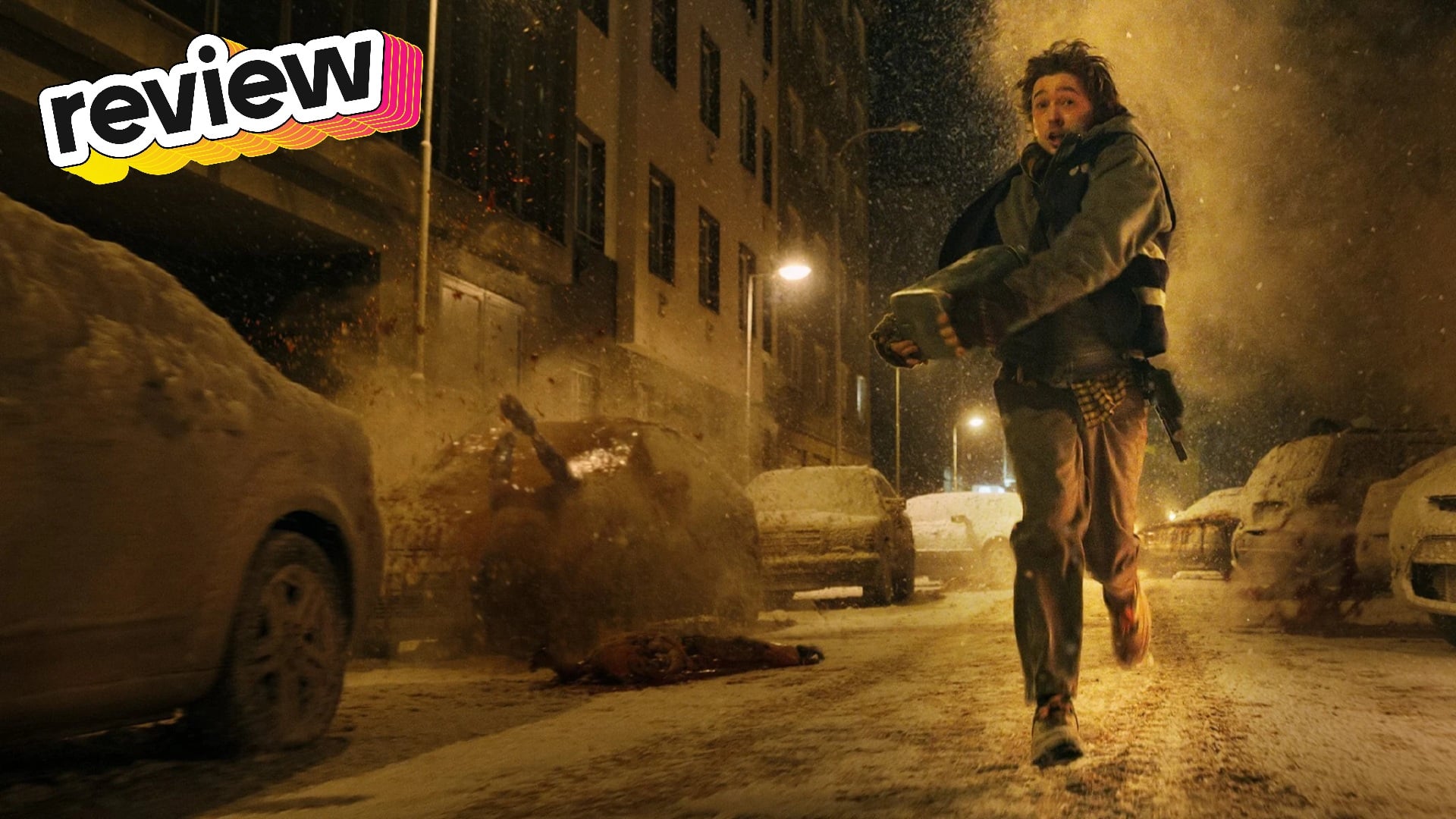
I remember some choice aspects of 28 Days Later, otherwise known as the film that put zombies back on the map. Here are the two that stand out the most: Grandaddy’s “A.M 180” and the aesthetics of its apocalypse.
First, “A.M 180.” The synth-driven song seems vintage, like the sounds of an old arcade machine being played back through a warped or damaged recorder. Considering how it plays over a scene of the movie’s leading band of survivors pillaging an undisturbed supermarket after the collapse of society in a zombie outbreak, its deliberately nostalgic sound and lyrics pining for better days and company are well deployed.
Second, the movie’s style. 28 Days Later is widely heralded as the work that revitalized the zombie genre, which had become stale by the time of its release in 2002. Its plot was mostly character driven, and the aesthetics of its apocalypse were a bit more disheveled and grimy rather than rapturous and surreptitious. The band of militaristic and chauvinist villains revealed toward the end reflected a sentiment that’d only grow through the years: a deep distrust of the patriarchal institutions our society has propped up over eons.
Oh, and I guess this movie popularized zombies that could run. These are tenets that would go on to be found in tons of horror and horror-adjacent zombie media, such as the 2004 remake of Dawn of the Dead that heavily borrowed from 28 Days Later, and even The Last of Us. It’s one of the most influential pieces of horror since the turn of the century, and you’ve likely engaged with something that owes its existence to 28 Days Later, so it’s probably worth a watch. — Moises Taveras