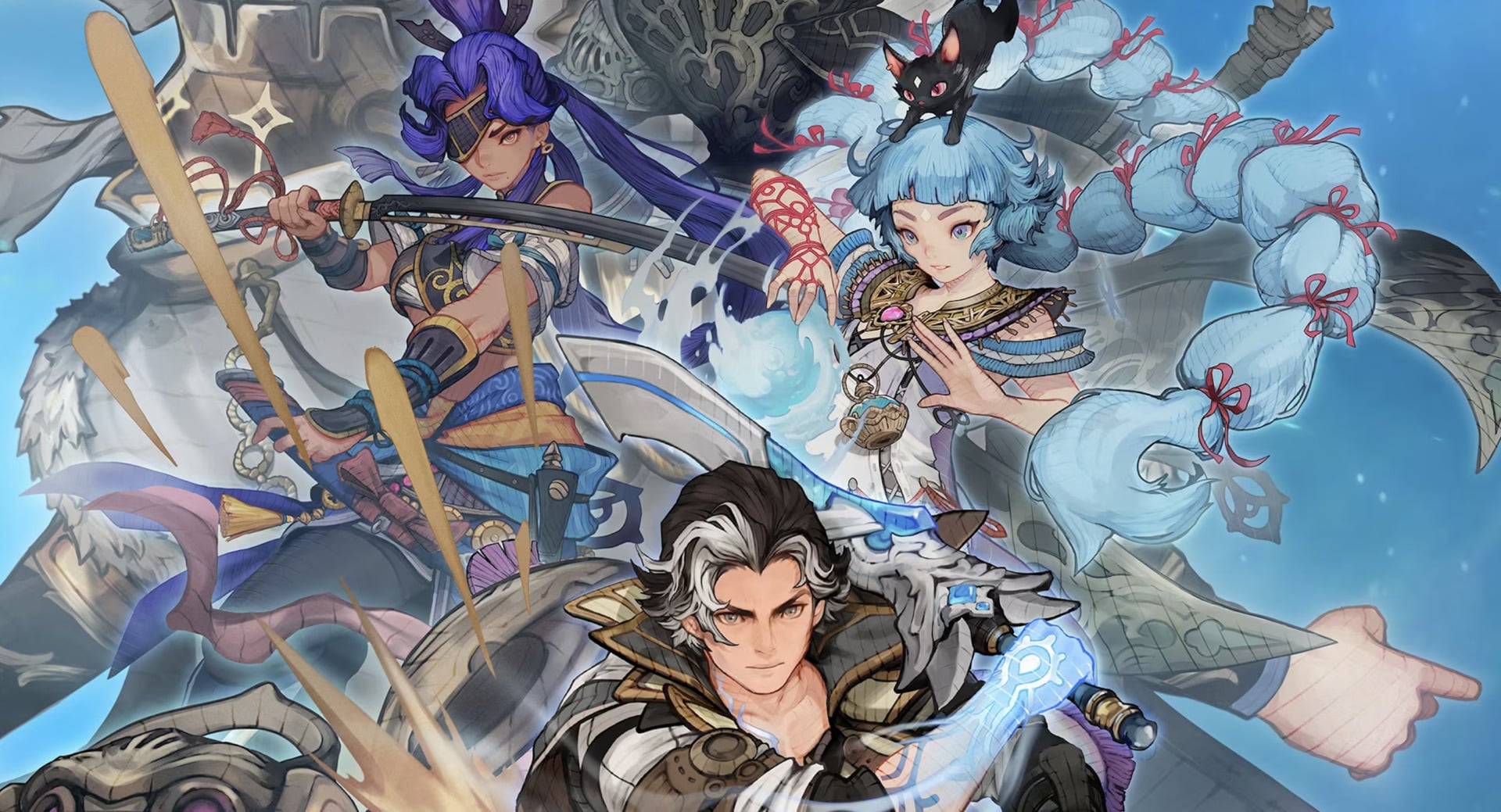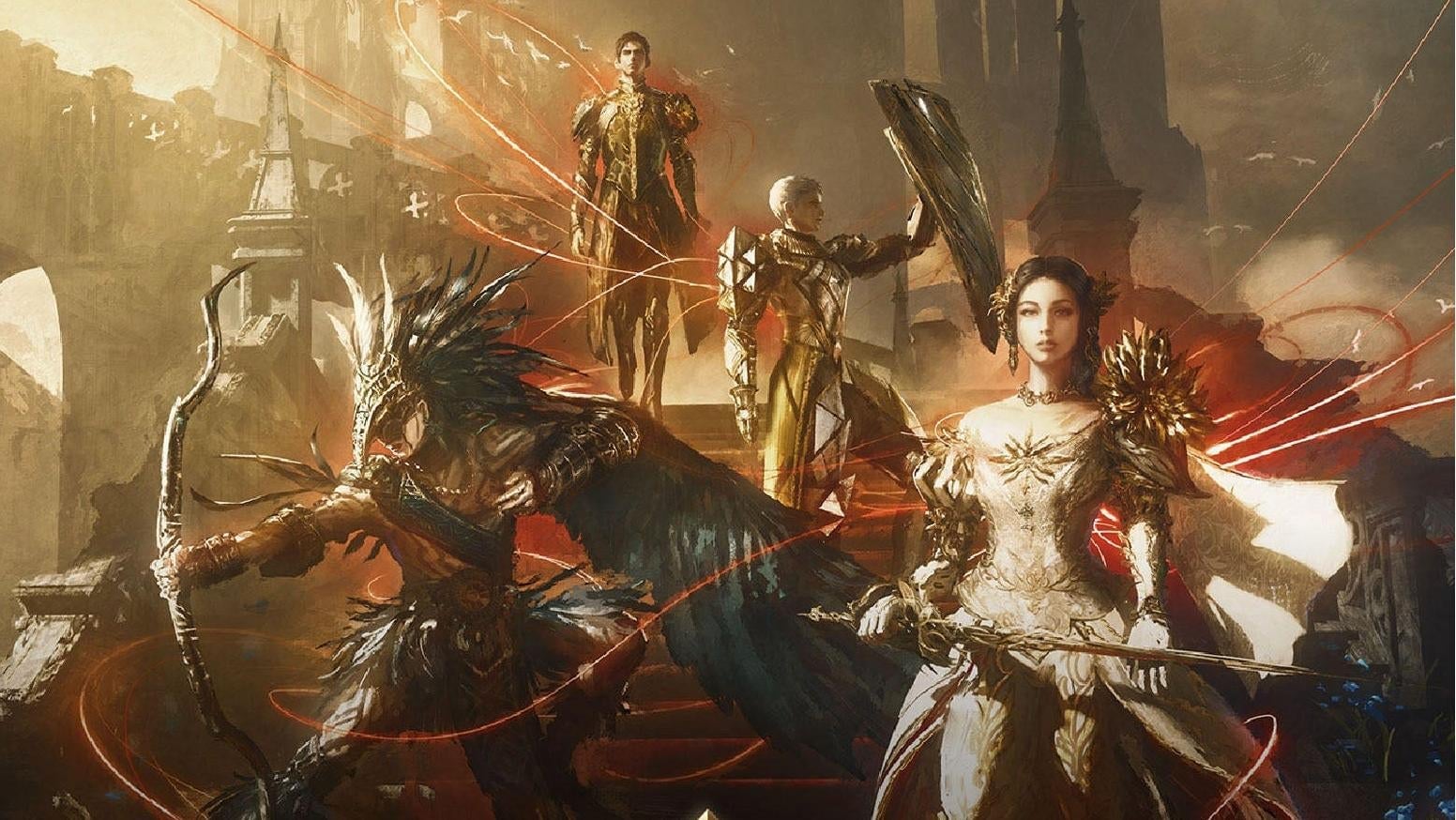
Some games surprise you. Others give you exactly what you expect. There are games that are really good at being completely mediocre, and ones that are so bad they’re great. It takes all kinds. Which kind is Square Enix’s aRPG Babylon’s Fall? The kind everyone tells you is bad, but you play anyway because you don’t believe them, only to discover it was even worse than they said. Step aside Balan Wonderworld: the PS5 has a new worst game.
Babylon’s Fall is a live-service action-RPG where you tediously hack and slash your way through a mysterious tower while making the numbers go up. Unfortunately it controls like Jell-O and combat is often a mess, while everything in-between ranges from feeling unpolished to incomplete.
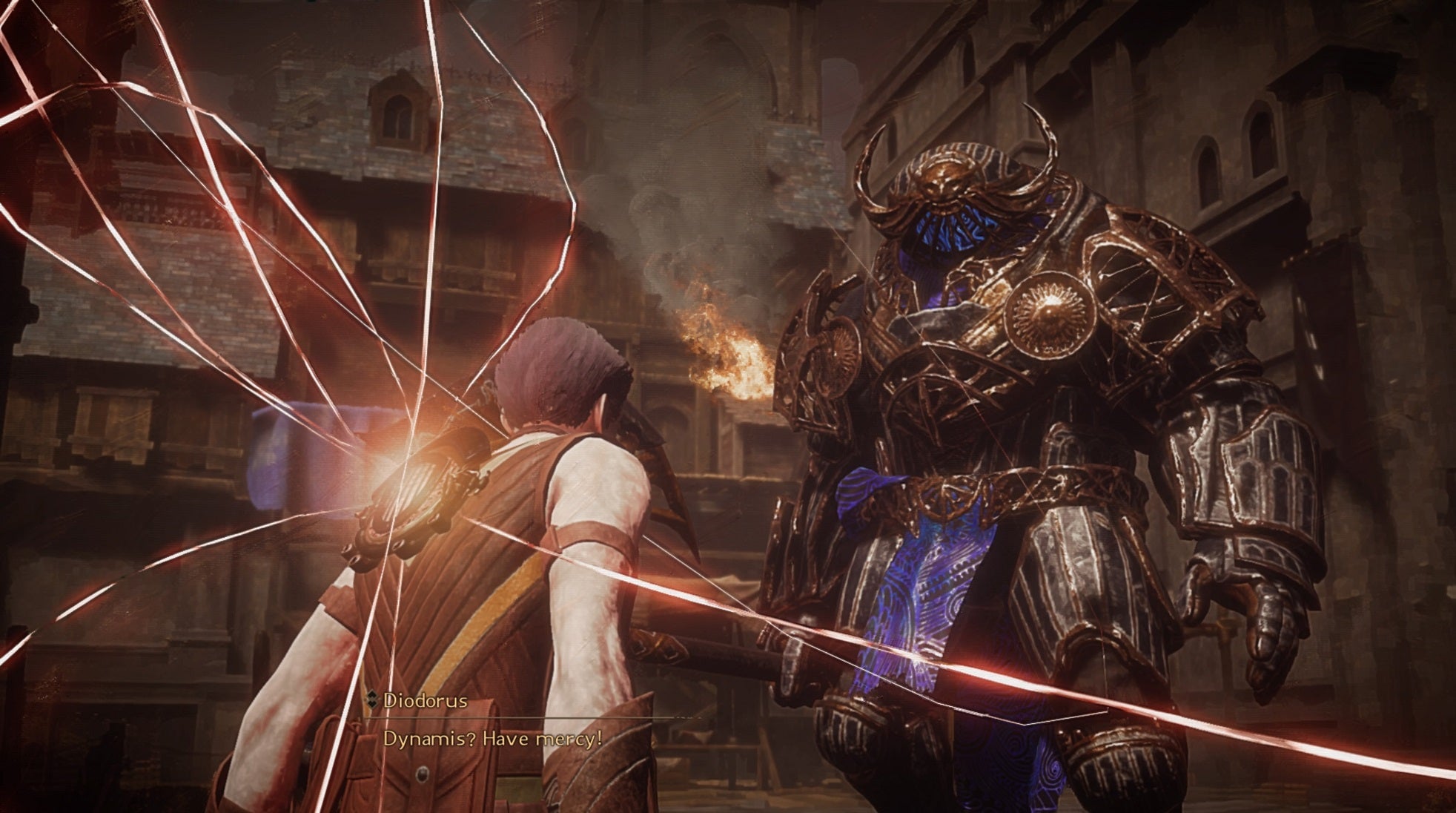
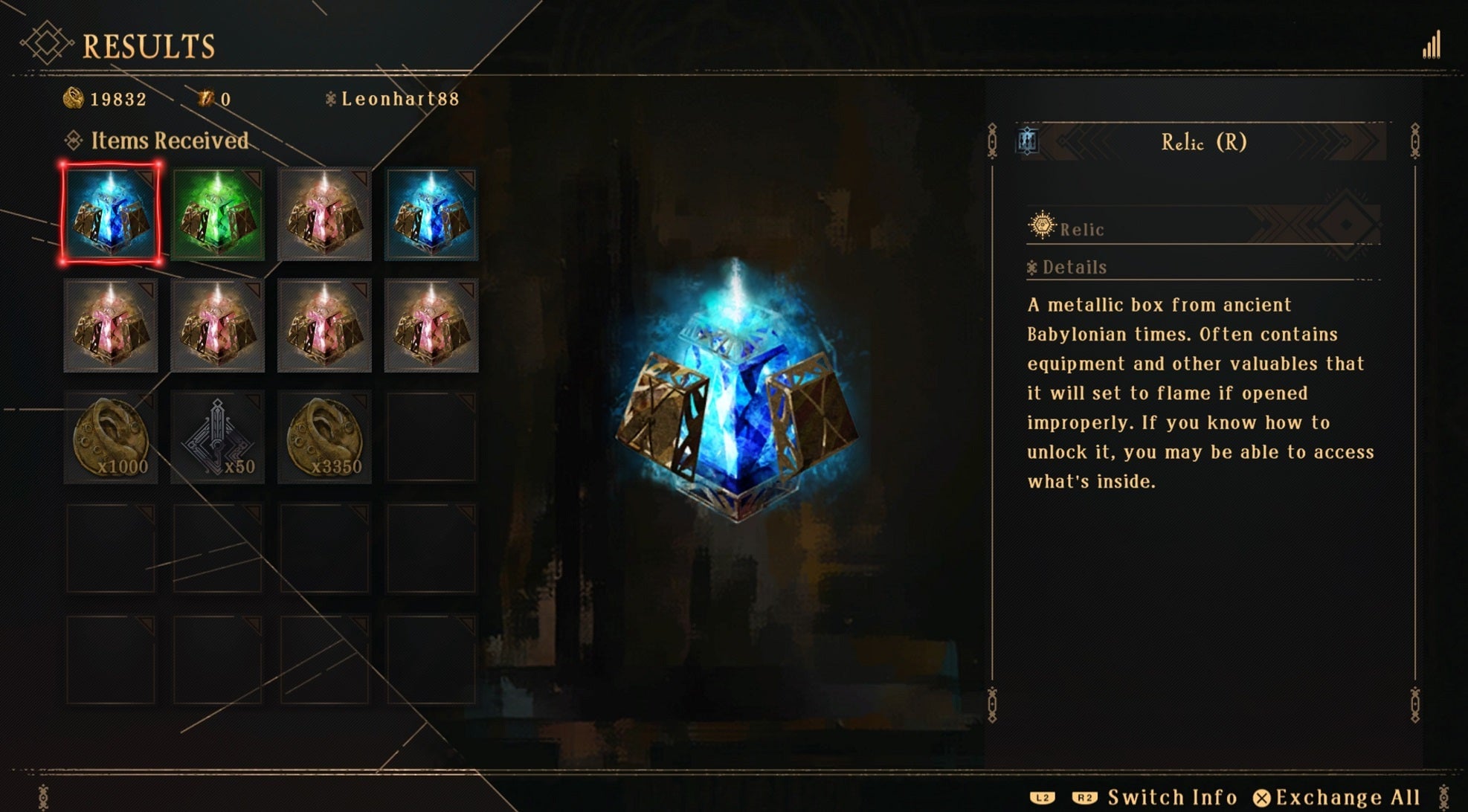
It can be played solo or online with others, but the game will default to matchmaking you with strangers every time you embark on a new mission. In-between these escapades you collect quests, upgrade equipment, and mingle with NPCs. The basic building blocks for a Destiny-clone are there, but none of them fall even remotely into place. It feels more like Anthem, minus the visually striking world or satisfying Iron Man suits.
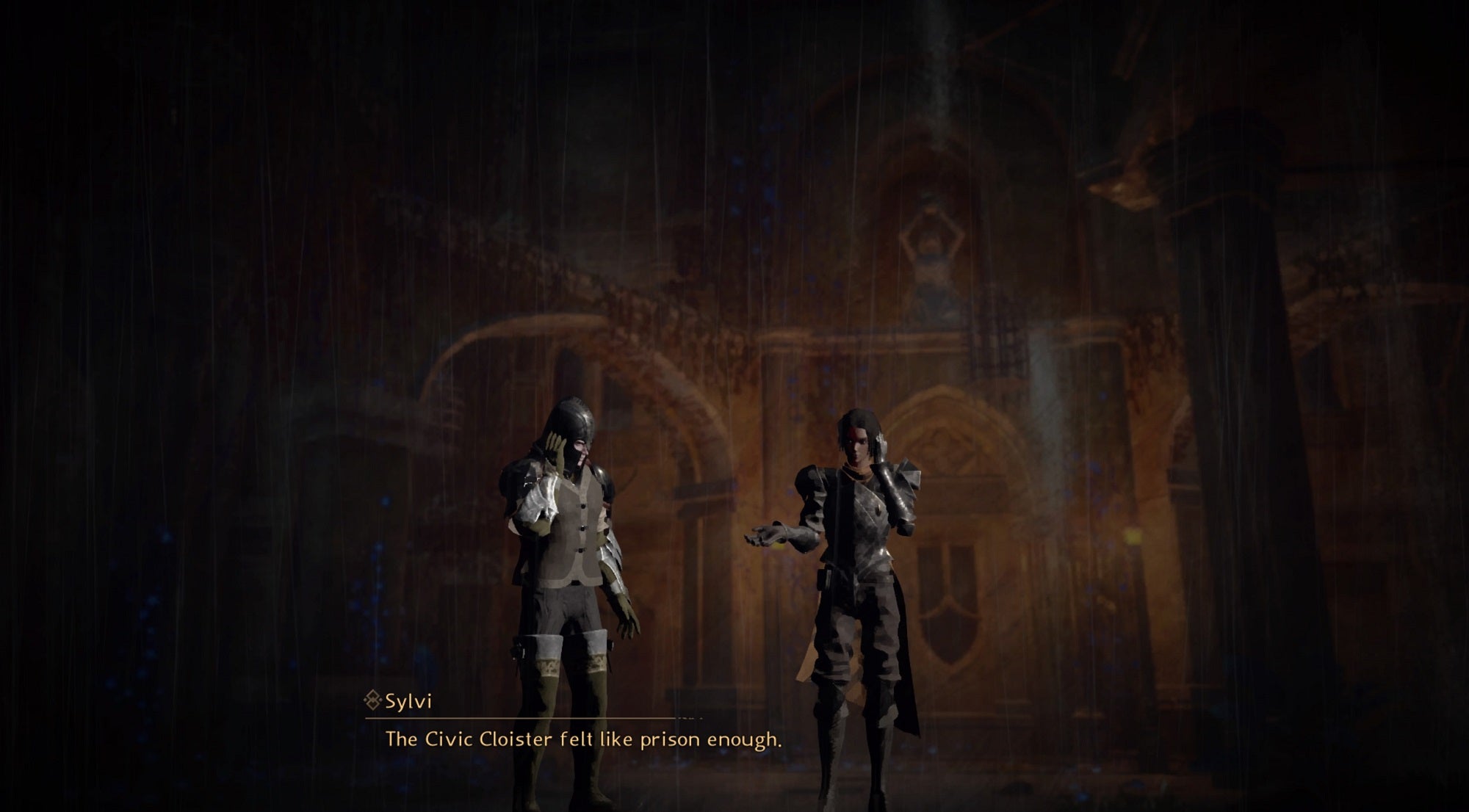
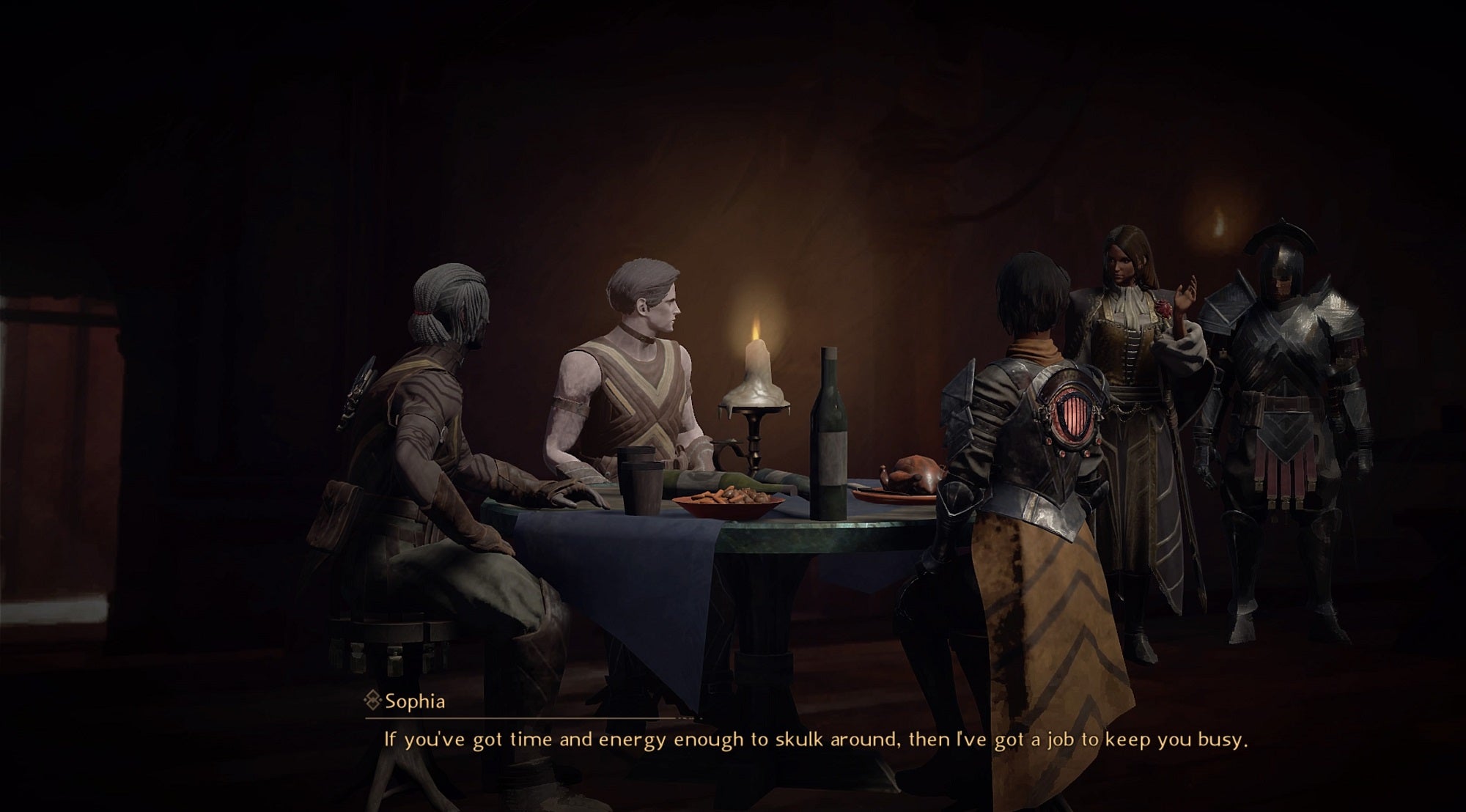
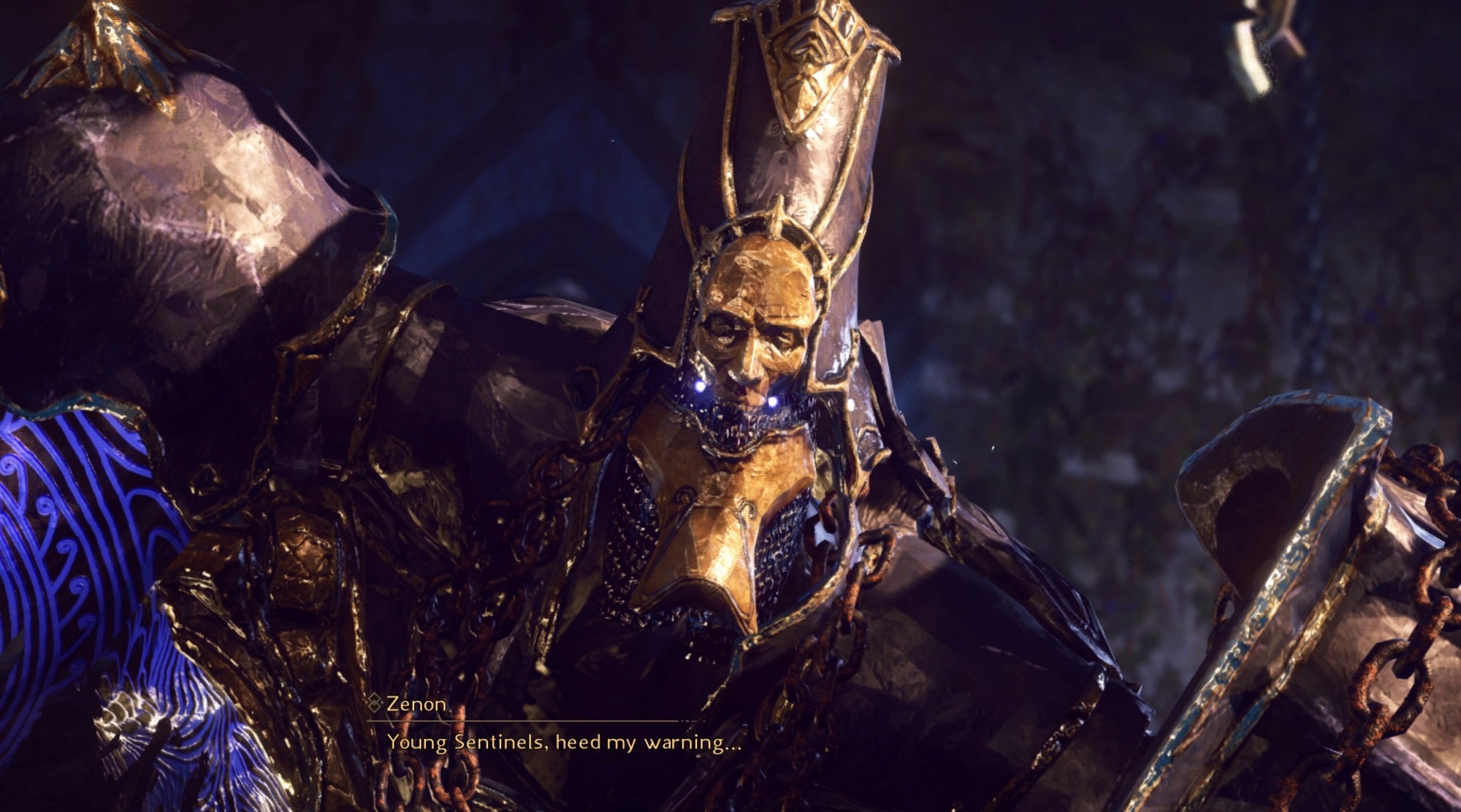
The English voice acting in Babylon’s Fall varies between goofy and obnoxious. The menus and fonts, which many a live service grind has lived and died by, seem ripped from an old, long forgotten MMO. Almost everything in the game is extremely blurry. An intentional design choice to try to emulate European oil paintings, in practice it just feels unfinished and ugly, even after improvements were reportedly made. Cyberpunk 2077 looked better on my PS4 at launch than Babylon’s Fall looks on my PS5 over a year later. The game’s overall presentation, with the exception of the music by composer Hiroshi Yamaguchi, made me squint, cringe, and roll my eyes all at once.
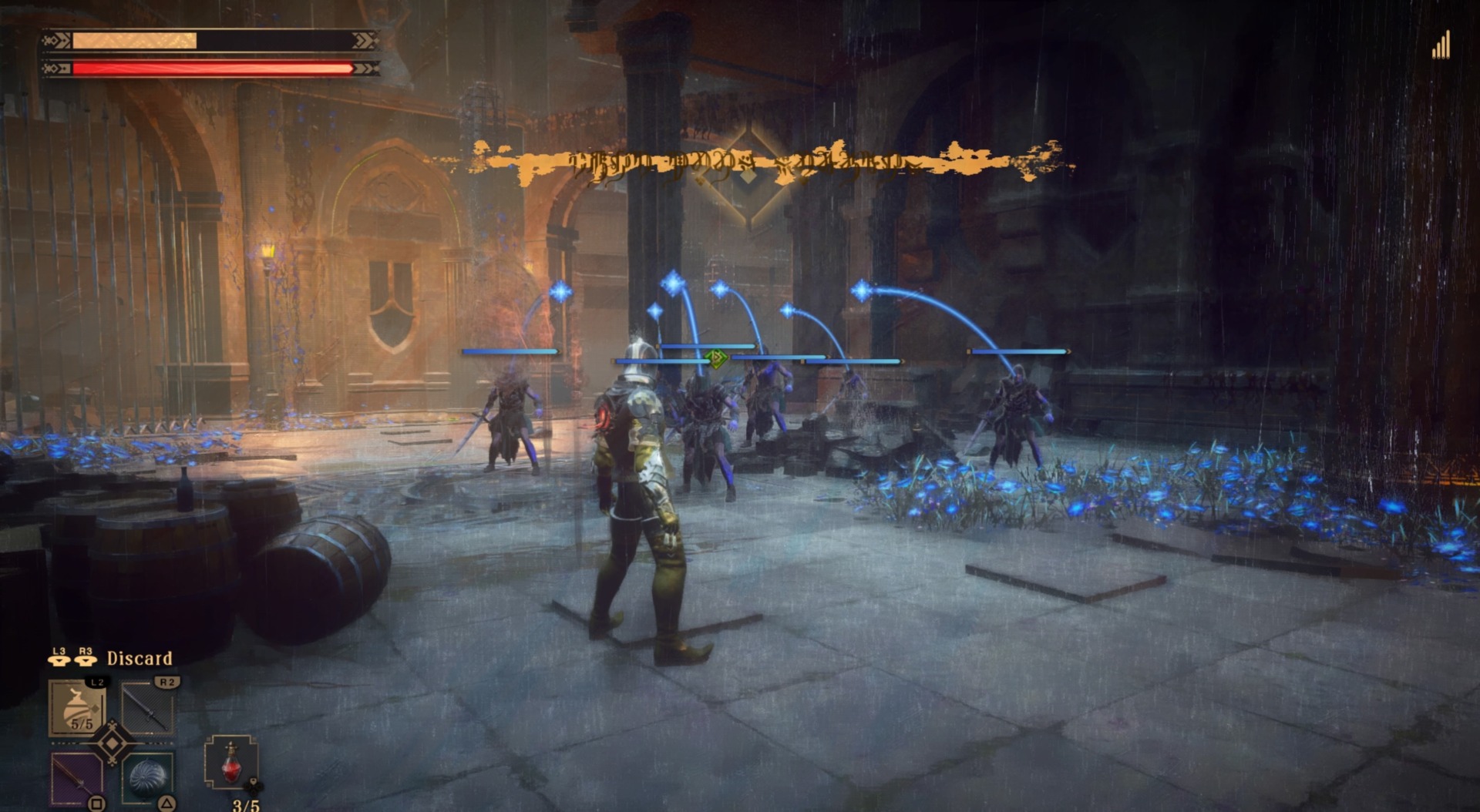
What about combat? Babylon’s Fall is made by PlatinumGames, the action powerhouse behind games like Nier: Automata and Bayonetta 2. The house could be collapsing in on itself and things would still be alright, as long as comboing enemies still felt satisfying. Unfortunately, it does not. Sprinting is sluggish. Jumping is janky. Most combat devolves into rapidly alternating attack and dodge until whatever’s in front of you is dead The seeds of Automata are there, but it’s buried beneath chaotic fights geared toward bigger co-op squads and endless repetition in order to sustain post-launch live service ambitions.
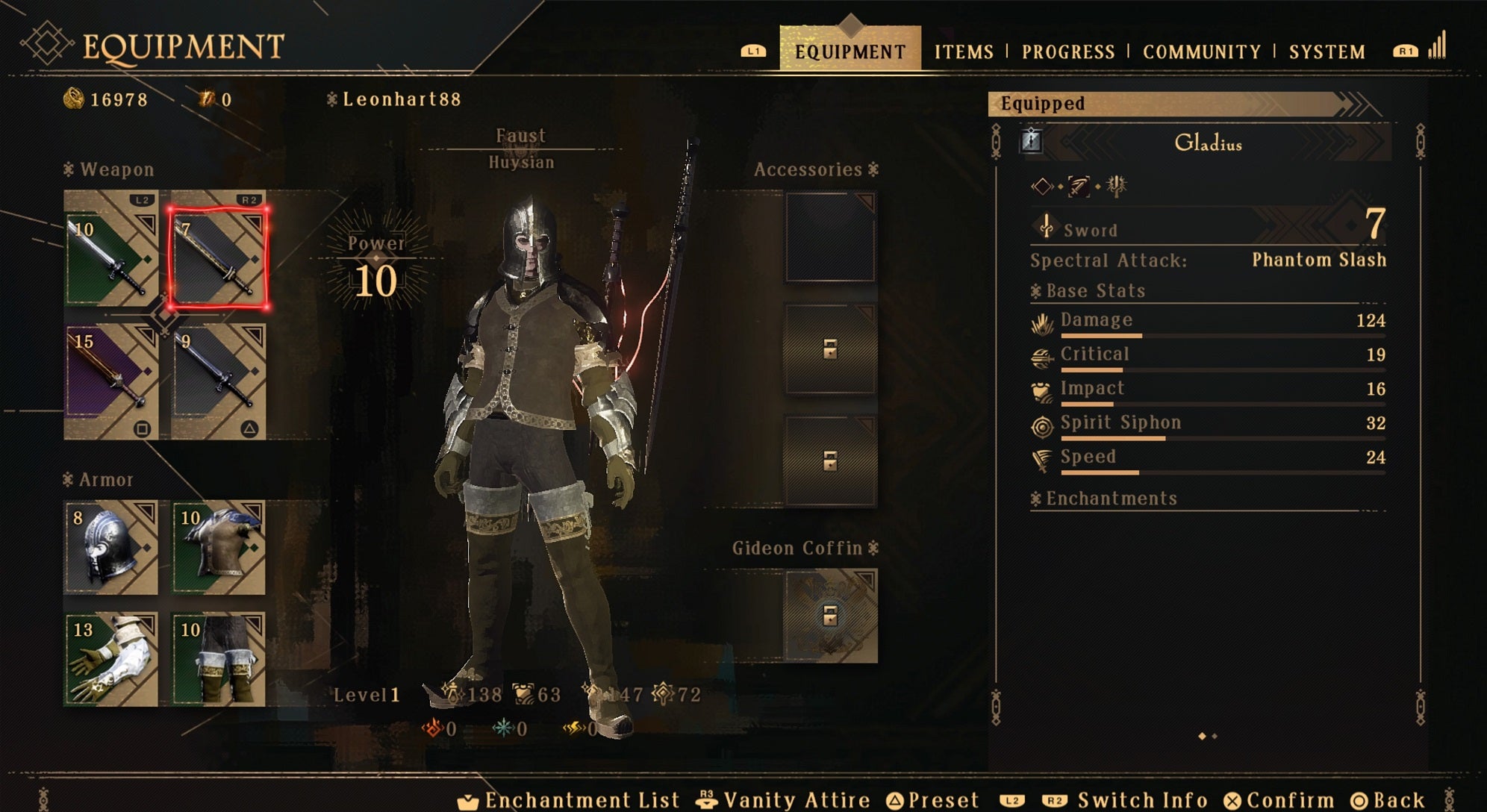
The game is certainly not all bad. There are plenty of cool ideas. A box magically grafted on to players’ backs, called a Gideon’s Coffin, lets you telekinetically wield extra weapons fueled by a meter that builds up as you land and dodge regular attacks. As a result, you can shoot someone with a bow, roll in close and stab them with a sword, then finish them off with dual-wielding hammers. But it’s still too messy as currently implemented to even begin to make up for the game’s other issues.
Five hours in the game’s story feels similarly diluted by its live service ambitions, which is to say it’s mostly nonsense piled on more nonsense like kids making drip castles at the beach. You play as a sentinel, conscripted into military service against your will in order to fight monsters in towering ruins known as the Ziggurat, which are guarded by magic zombies and consist almost exclusively of narrow, sun-soaked corridors. Many scenes offer only stilted exposition poured out by comrades in the mess hall. Instead of exploring the ruins of the Ziggurat, characters describe embarking on the current mission with text overlaid on top of static images.
There are mysterious prophecies, political intrigues, and lots of idiosyncratic high-fantasy world building, but none of it is given much room, or resources, to meaningfully shine through. One scene early on stuck with me when a giant Sentinel–who appeared to have become mutated and warped by the Ziggurat’s power–gave me his best Jacob Marley warning before being executed for apparent treason. The rest is somewhere between forgettable and, “Oh my god if you walk by and ask me what I’m doing in this game I will die of embarrassment trying to explain it.”
But you don’t have to take my word for it. Babylon’s Fall is currently the lowest rated PlayStation 5 game on Metacritic. That puts it beneath the busted-at-launch Grand Theft Auto remaster trilogy, Werewolf: The Apocalypse, and nearly 10 points beneath Balan Wonderworld, the game where most of the buttons do the same thing. Out of 300 rated PS5 games on OpenCritic, Babylon’s Fall is number 299, just ahead of the most disastrous sports launch in recent memory, eFootball 2022
The most positive review gave the game three out of five stars and said it gets really good after 15 hours. According to IGN, however, new modes and abilities unlocked in the end game “do little to change the actual experience of playing.” Morbid fascination alone won’t propel me far enough to find out. I suggest you don’t let it get the better of you either, until Babylon’s Fall ends up in the $5 bin. Even publisher Square Enix has tacitly acknowledge the issues, inviting fans and players toprovide survey feedback on how it can fix the game. Babylon’s Fall is apparently already planning its live service redemption tour.
For now, it’s $60 for a game that should have been at least delayed, possibly canceled all together, or launched as a free-to-play Early Access experiment catering to gluttons for button mashing grinding. Despite currently being full price, Babylon’s Fall also sports a season pass and microtransactions, and while most of the rewards are cosmetic, a few affect weapon crafting and XP earned as well. It’s a bit gross, but publisher Square Enix, apparently unsatisfied with the record-breaking success of Final Fantasy XIV, seems intent on trying to force everything into the games-as-a-service model (I’m looking at you Chocobo GP).
Babylon’s Fall opens with an unsuspecting crew of castaways being forced to become Sentinels, through a painful and sometimes fatal ritual rendered in a cutscene that looks like a remake of a PS2 game. I have no idea if that doubles as a metaphor for the making of the game itself, but it was my first clue that the road ahead would be anything but fun. Making games is hard. Making live service games is especially challenging. I wish fewer companies would try to force them into being.