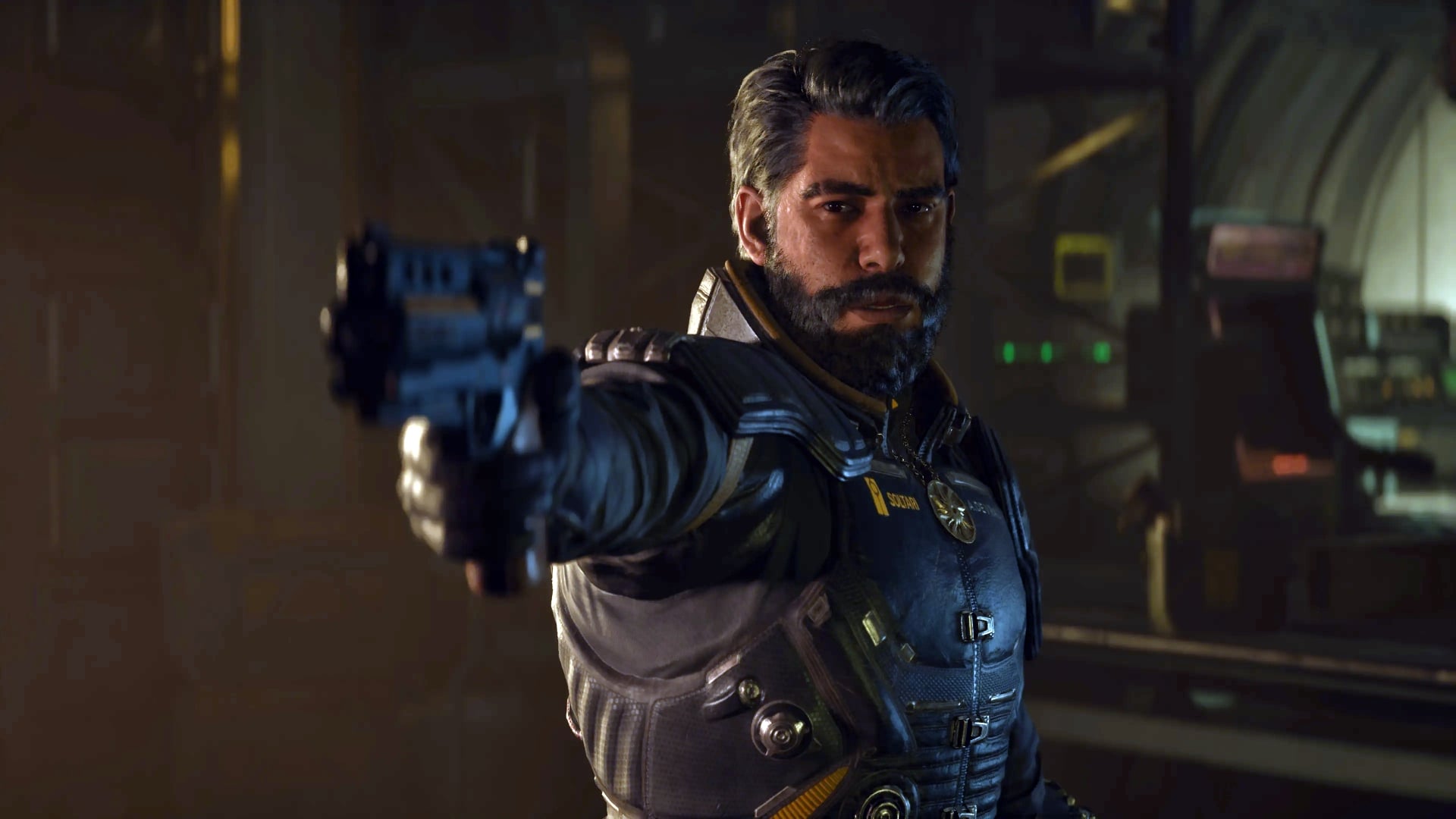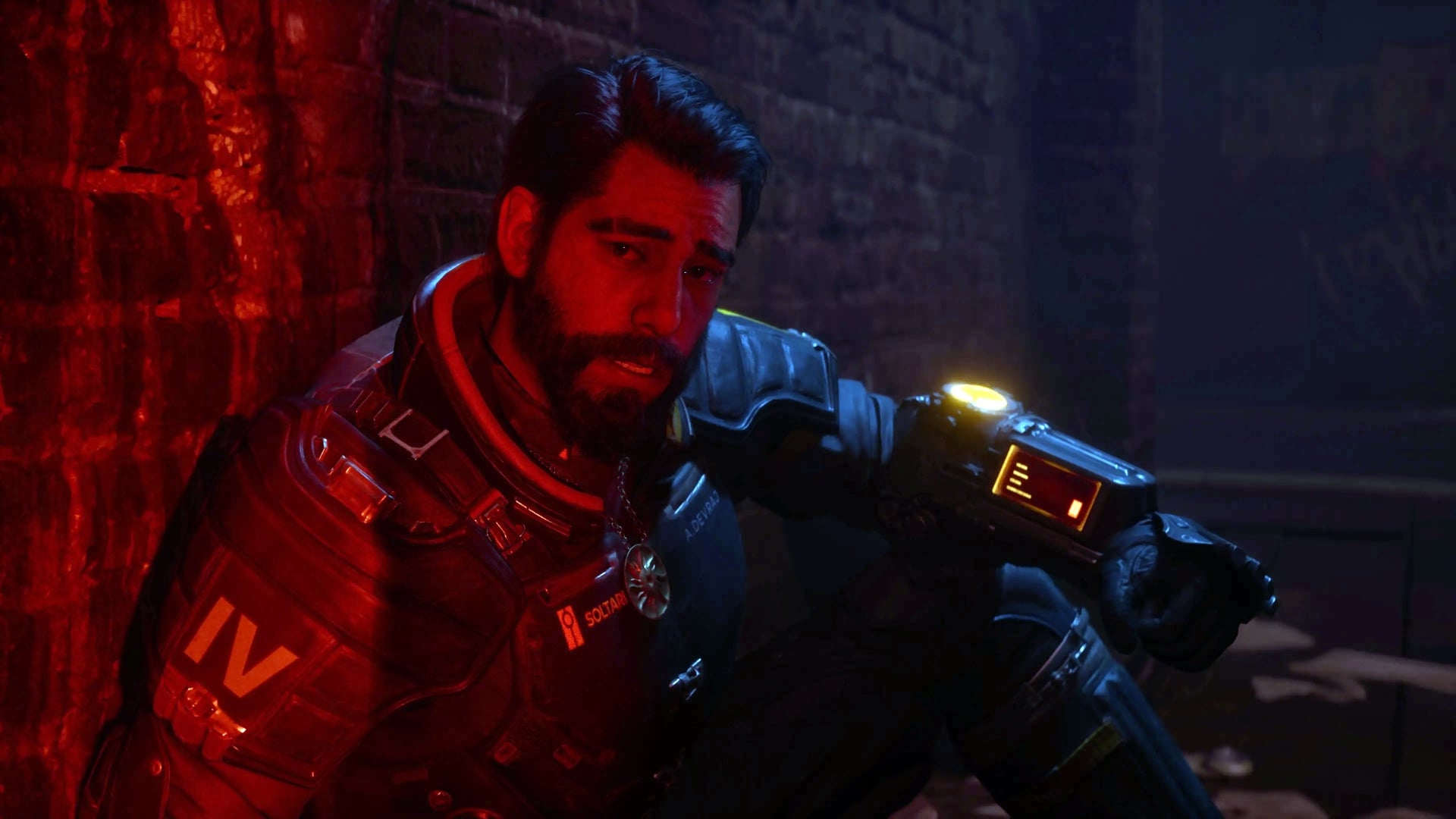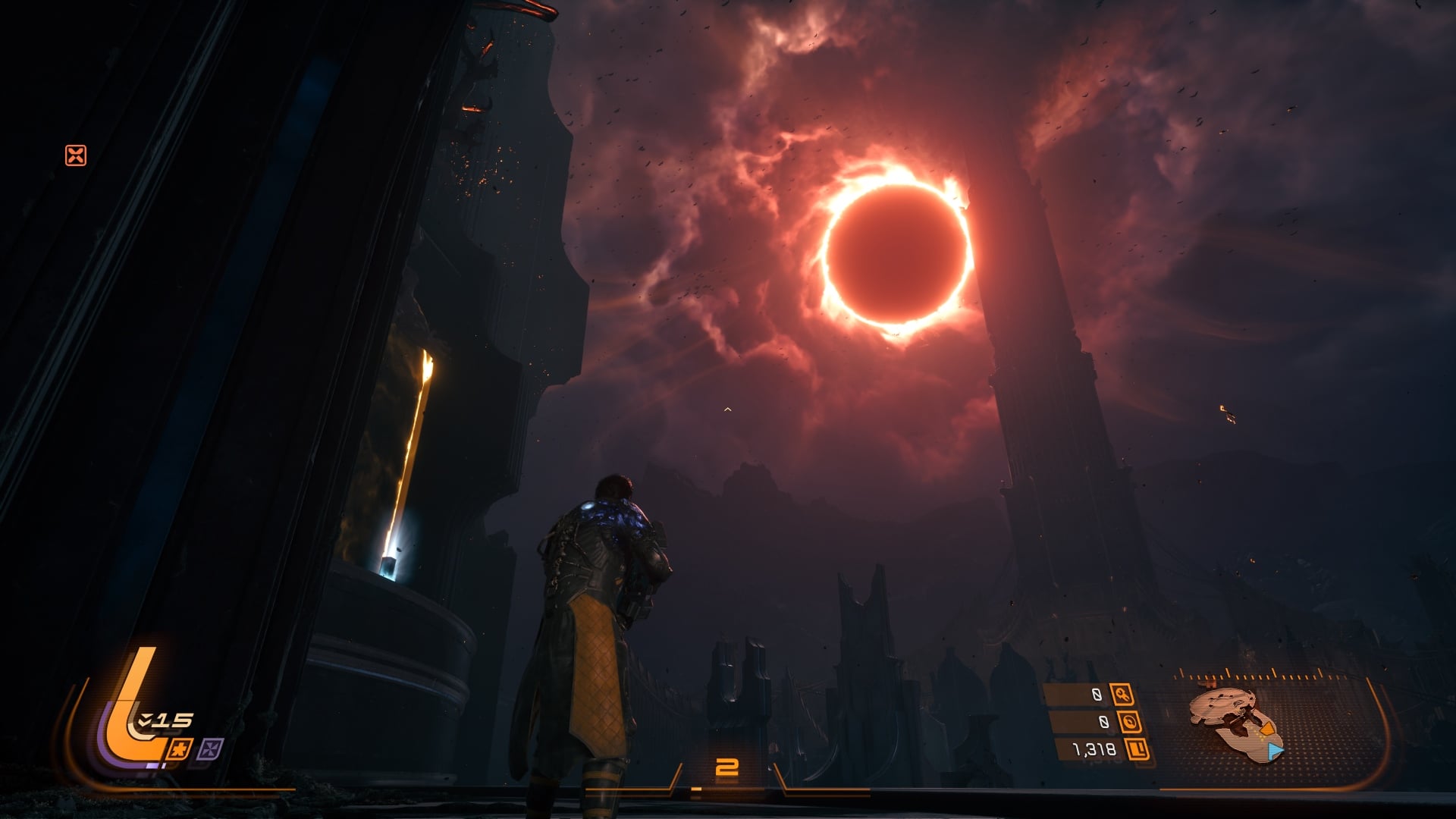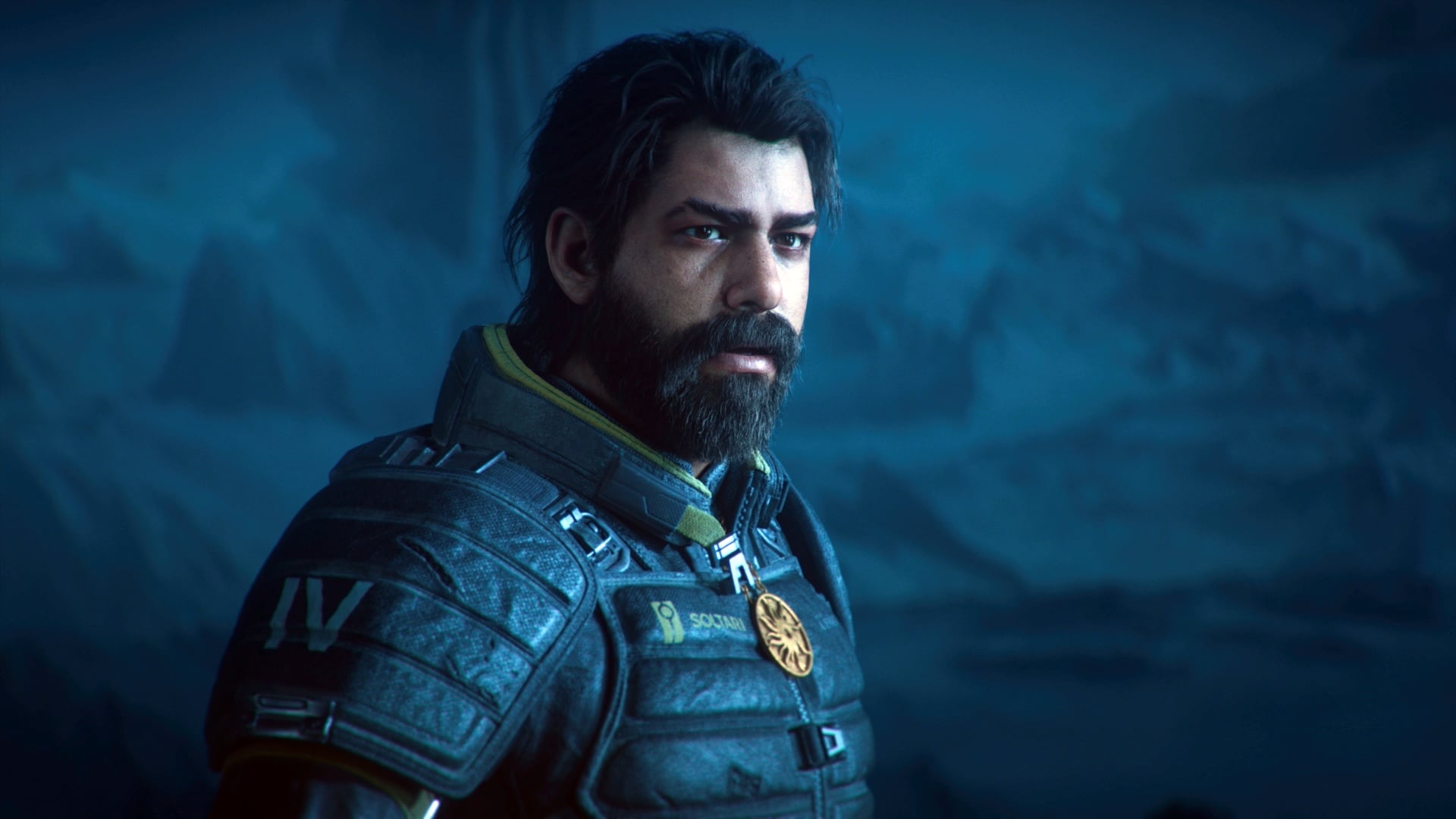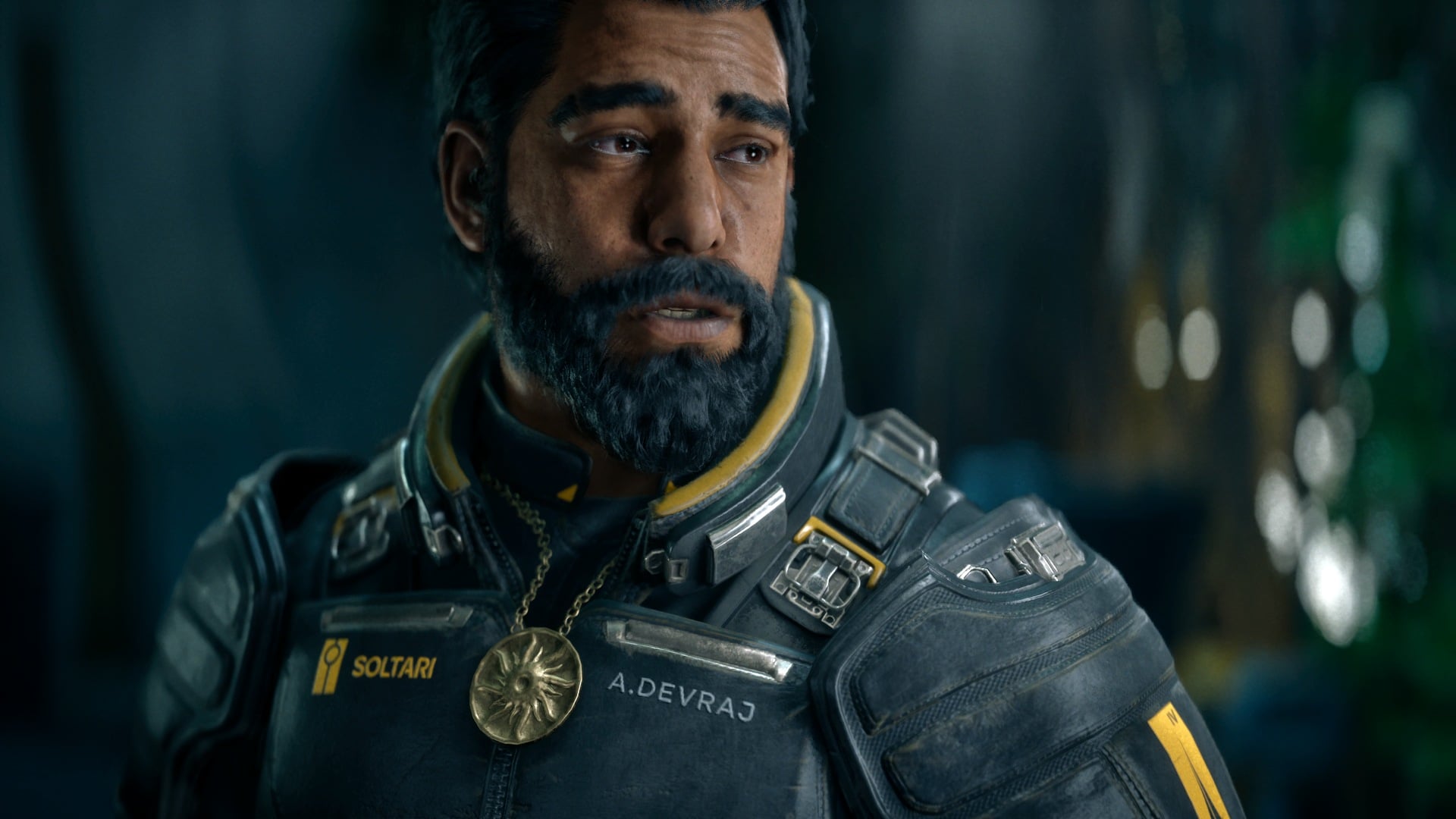
Saros reviews are out today, and Housemarque’s roguelike shooter has critics singing its praises. However, it’s also the latest addition to a growing list of games in which early discussion has been hamstrung by a restrictive embargo.
For those that don’t know, outlets like Kotaku are given early access to games for review purposes, often under the condition that they not post their coverage until a certain day and time, and sometimes developers and publishers will ask you not to discuss certain things in any pre-release coverage. These could include specific story details, or even gameplay mechanics if companies are trying to keep those under wraps. There have been some wild examples, like Konami forbidding Metal Gear Solid 4 reviewers from telling readers how long its long-ass cutscenes were. However, in recent years, a lot of embargo restrictions have become so sweeping that it’s sometimes difficult for critics to actually get into the meat of what does or doesn’t work about a game, and simply have to gesture at it in their reviews. This was the case for Saros, a game I am pretty enthralled by but limited in what I can say about it.
As such, I decided to chat with my Kotaku cohorts about the growing trend of publishers restricting how people talk about their games pre-release, and the question of whether this approach is actually harming the games we’d otherwise be more heavily praising if we could.
Kenneth Shepard: So Saros‘ review embargo lifted in the middle of the night, and I’m giving some legitimate thought to writing a kind of Saros: The Kotaku Review: The Second Run after the game comes out to talk about the game more because the review restrictions were so broad that I feel like I talked about almost none of the things that really spoke to me about the game in the review itself.
John Walker: Can you give us some examples of the sorts of limitations?
KS: It had a few of the obvious ones like “don’t spoil a twist,” but what really ends up cutting off discussion at the knees is broad restrictions like “don’t reveal details about this relationship,” which is not only foundational to what I want to talk about, but is also kind of foundational to what makes the game’s story work so well for me. The language was so broad I was even like, am I allowed to say who Rahul Kohli’s character is searching for? Or do I have to refer to them in a very general sense?
Rebekah Valentine: How do you all feel, generally, about embargo restrictions claiming to be aimed at preventing spoilers? Having not played Saros, that sort of sounds like what’s happening here. For me, I understand why developers worry about such things, but I also feel in far too many cases that this is done more to preserve marketing beats than anything. But I also think critics should be trusted to write about art in ways that serve their audience, discussing what they feel is important while being respectful of what their readers may not want to know yet. All that said, I had Titanium Court‘s huge twist spoiled for me in a review I read the other day! So!
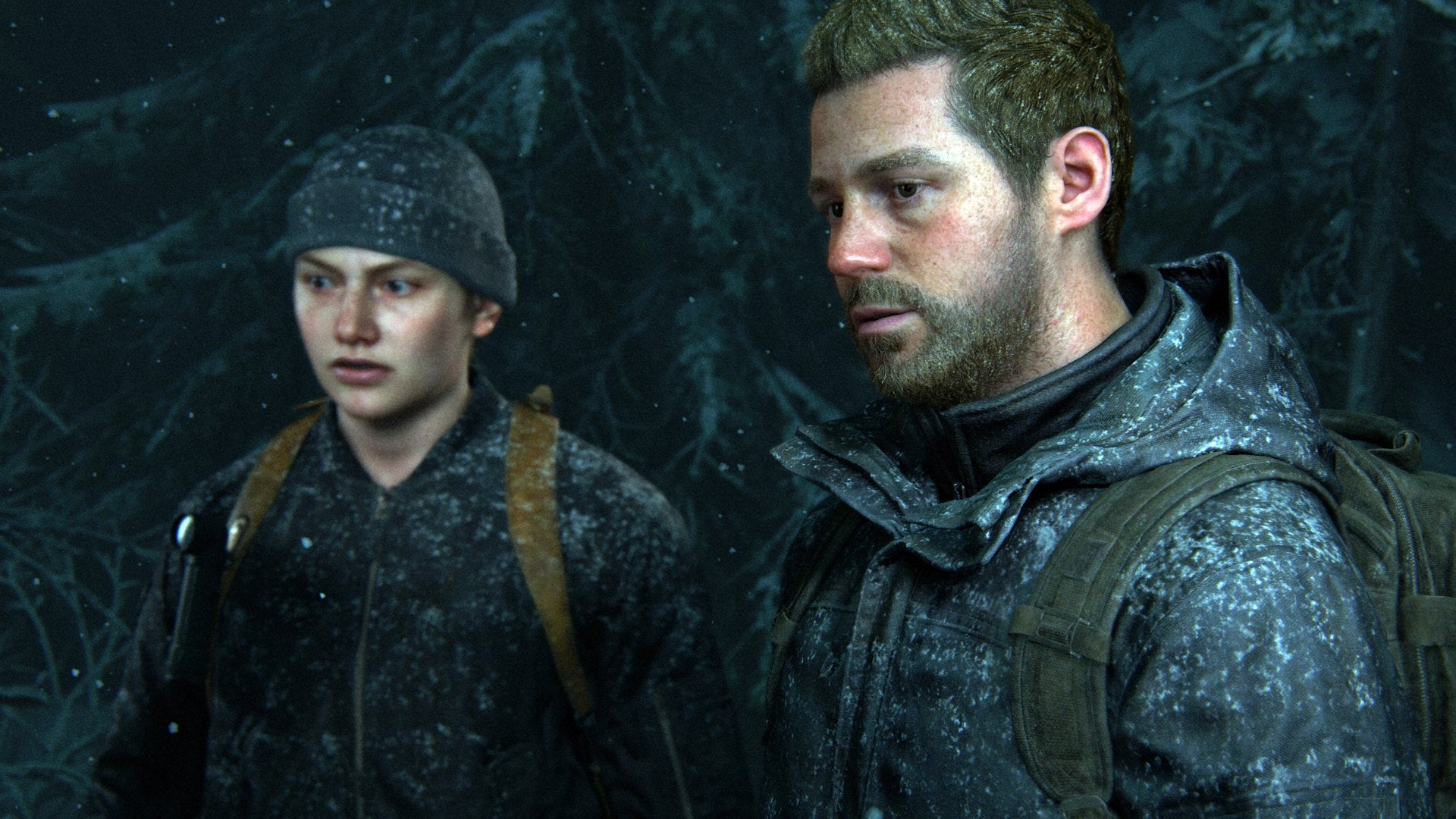
KS: I think the example a lot of folks look back on is The Last of Us Part II, which famously prevented people from talking about both the inciting incident and the fact that there was a second playable character who you played for half the game. Which, yes, is obviously meant to preserve the experience for people pre-launch, but also is so sweeping we are literally not talking about, like, eight hours of a 20-hour game. I get that instinct and understand why it’s there, but yeah, it feels like it was an extension of an already deceptive marketing campaign
JW: I think it’s a bad result of bad practice. So many poor critics think that proving they know more than the reader is some sort of demonstration of importance and for whom revealing moments that were surprises to them makes them feel powerful, and then you get game studios wanting to prevent that by imposing ridiculous restrictions. Both are rubbish, and ideally avoided.
Of course, good criticism can be written in such a way that it reveals every detail of a plot, but I don’t think that should usually be part of a buyer’s-guide-focused review. It can be, but the rules of engagement need to be made very clear up front to prevent taking away from the reader’s experience of the game. So I do think there’s a conflation of overly restrictive embargo rules, and a person who wants to talk about their time with a game rather than review it. There is so much time and space for the latter post-release.
KS: Do we write buyer’s-guide-focused reviews here at Kotaku? Is that how we’re approaching that?
JW: I think the reader is ultimately expecting that, before a game is out, definitely. Because before anyone else can play, every “I couldn’t believe it when…” and “I was so disappointed by…” is robbing experience from the reader. The reason these restrictions exist is to prevent people from giving away the twists and surprises of games before they’re on sale. If we’re arguing we should be allowed to do that, then I think it very much is the core of the issue! We’re the problem!
RV: I think in games especially, surprises can be very deftly and beautifully done, and it’s a disservice to the reader to thoughtlessly or carelessly ruin the impact of that for them. But I also think it’s very possible to write about such surprises (including things like TLOU Part II) without just dumping the entire plot on the floor.
I really do think there’s a meaningful difference here depending on whether you see reviews as buyer’s guides or as a more straightforward, personal commentary on whether or not, and how, a piece of art spoke to you. Games are tricky, too, because regardless of how much you want to write the latter, people are still going to treat it as the former.
Ultimately where I land I think is that a review ought to be in service to the reader. That means to me that critics should be given freedom from embargos to write whatever they need to write to get that across, but I also think there are far too many critics out there who aren’t considerate enough of reader experiences and do what John’s talking about, using reviews as a space to demonstrate that they Know Things.
Carolyn Petit: In my experience, a review talking about concrete details of a narrative is rarely detrimental to my experience of a work. When I read a great film critic, for instance, I WANT them to be able to discuss the things that make that film really work (or not work), and if an experience can be ruined by you knowing that, for instance, you play as another character in the second half, then it’s probably not done in a particularly interesting way. I believe it was Roger Ebert who famously said that a movie is not about what it’s about but HOW it’s about it, and I feel the same way about games. I think we’ve become a very plot-centric culture; we think that films and TV shows and games are just vehicles for plot, but actually what really makes a thing work in my experience is the quality of the writing, the WAY the story is told, the interesting things it does WITH that plot, and I think critics should be free to engage with those things.
JW: Sure, but I’d still hate you if you wrote a piece explaining how Bruce Willis’s being dead all along makes the framing so interesting…Or the BioShock review titled “Would You Kindly Is The Phrase That Controls You”.
CP: Sure, I think a meaningful final twist is worth protecting, but review restrictions typically go well beyond that.
JW: Yes, I definitely agree that they do. But I guess I want to find where the limits are. I want to have emotional moments of surprise and delight, not “Oh right, it’s that bit.” So what are some ridiculous restrictions people have encountered?
CP: Kenneth already offered the example of The Last of Us Part II. Metal Gear Solid 2 famously forbade critics from talking about how you play as a different character for most of the game. And as Kenneth mentioned above, he wasn’t able to talk about key details in Saros‘ narrative. It’s very common nowadays for review code to come with exhaustive lists of things that critics aren’t allowed to discuss.
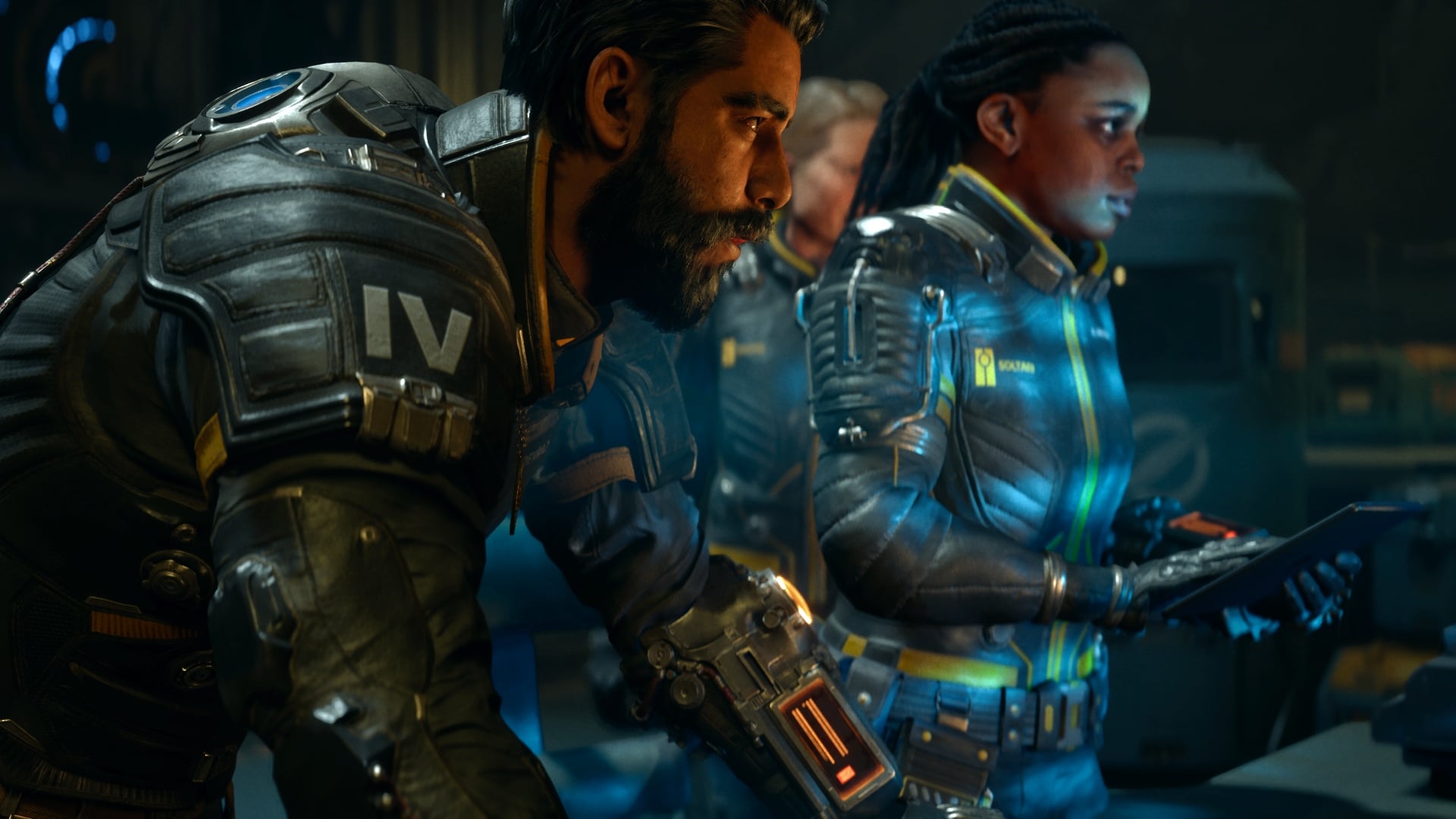
KS: That’s what I mean about Saros. The language of the restrictions is so broad we couldn’t talk about so much of the narrative core of the game. I don’t need to yell “Darth Vader is Luke’s father” to get into the thick of Empire Strikes Back‘s thematic makeup, but if I couldn’t talk about Luke’s broader arc, what are we doing here?
RV: Yeah and I agree that’s ridiculous. Kotaku is fortunately uniquely positioned to do what you’re doing, a “second run,” since we don’t score reviews. At IGN, we’d just wait till launch day, but that was a privilege because we were such a big site, it didn’t cost us anything. I don’t really know what you do, though, if you’re at a smaller site that puts scores on things. Nintendo embargos are notoriously strict. Pokemon Legends: Arceus forbade me from talking about the opening cutscene. The thing that literally sets up the entire plot!
JW: Is that the right response? To tell the publisher thanks but no, we’ll review it after it’s out?
RV: I mean, we took the code and played it pre-launch, but we also emailed them back and said directly that the restrictions were too confining in the following ways, and we’ll post our review on launch day. Again, definitely benefitting from big site privilege there, but I think that’s maybe an ideal response if you can swing it.
KS: That’s certainly an option some outlets are in a position to do. I know we’ve had reviews go up post-launch that still do pretty good numbers for us anyway, so it’s not like pre-release embargo is the end all be all. I think my issue is that with each example of a Last of Us-style restriction we get, studios are becoming more comfortable using embargoes, as Rebekah said, to extend marketing, control the narrative, etc. Because when it starts going beyond “don’t spoil the twist” and is like, “don’t talk about this entire foundation of what makes the game work,” then it’s a problem, I think.
RV: Embargos are definitely getting worse.
JW: I think publishers also see it as a means of a more insidious control. “We are in charge, and you are privileged to be allowed to play it now.” It creates a power structure, and one that can influence greener or less stubborn writers, scared to step out of line on this long list of rules, and so are far less likely to be ultimately critical.
RV: Films don’t have this issue, right? Nor books? Can you imagine someone telling a music reviewer not to comment on the second half of an album? I know that’s not apples to apples, but seriously. I recognize there is going to be some give and take when we’re receiving a code for something early, but also…companies should not be exercising that level of control over what critics can/can’t say.
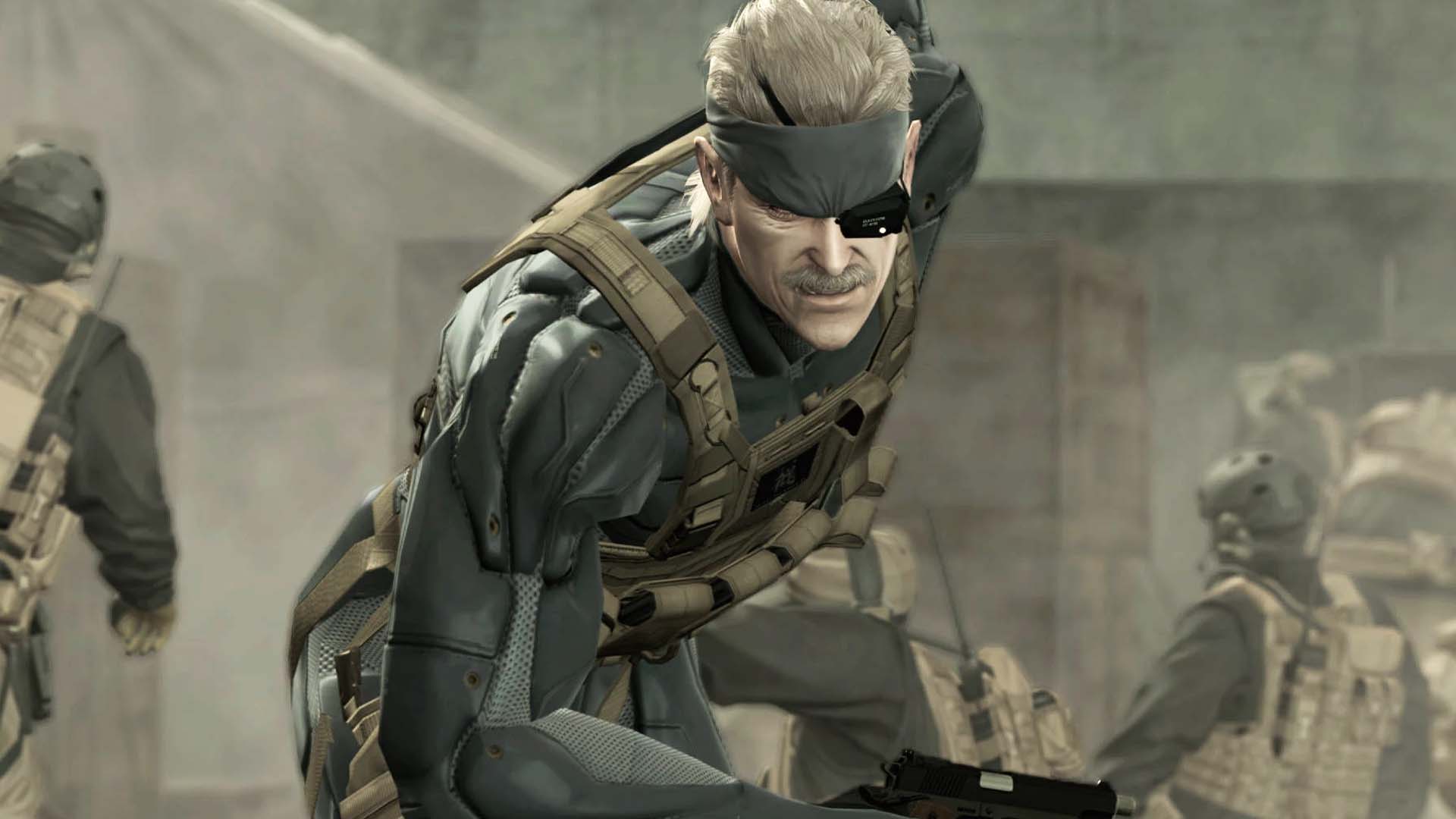
KS: It’s giving “Thanos demands your silence.”
RV: I do not think any of this is helped by how Very Online People like to yell at writers for writing anything they personally believe is a spoiler, which can and often does (to them) include information contained in literal pre-release trailers for a game.
KS: That, too. I remember very early on in my time here at Kotaku people got mad at me for writing about the Bloater in the Last of Us show when it was in the trailer and episode preview. And we also got shit for writing about Fox in the Galaxy movie despite that being an official Nintendo marketing beat
RV: PAIN.
KS: The thing is, yes, some of this is probably just a desire to safeguard against greener writers who might not have that discernment yet. But it does feel something very specific to game reviews that we don’t expect out of other criticism, typically. Or at the very least film criticism seems to have more institutional knowledge about how to approach those. Like, I read a really good review of The Drama that “spoiled” the big mystery of that movie and it actually not only enriched my reading of that post, but made me more interested in the movie. So it’s not like those things are mutually exclusive, it just requires good writing and tact.
RV: Yeah I don’t want this to spiral into a conversation about The State Of Things but there’s…so much there about how the bleed of talent industry-wide has made it difficult to keep senior writers and editors around to guide new critics, leading to an overall impression that game writers are less mature and do not know how to handle this stuff; meanwhile media outlets are increasingly dependent on access, which all then gives companies more leverage to restrict how we talk about games.
JW: I think publishers see reviews as part of the PR cycle, right? They want the reviews on this day and they want them to say this and this, and score it this, so that it’s ready for launch…And that takes things far too far in my buyer’s guide direction, and far too far away from Carolyn’s extremely strong reasons for wanting reviews to be critical texts, not a thumbs up or down with a link to the store page.
KS: I guess in the system we work in the “more in-depth coverage post launch” approach is the answer, but I feel like the more we get restrictions like the ones in Saros and The Last of Us Part II, the further we’re getting away from being able to say something meaningful about games as critics. Which, again, that’s probably preferable to the companies giving these games to outlets, but I do know that even developers whose games I’ve written critically about have expressed an appreciation for critics really digging into something, and those have been the most rewarding for me to write as critic. God knows I love to yap about how a game made me cry, and I feel like I couldn’t even gesture at how affecting and unnerving some of the stuff Saros gets into was.
JW: My mercenary approach is: before launch – “at one point the game’s narrative moved me to tears”; after launch – deep dive into how its emotional beats led to this significant moment
KS:I think to start to wrap it up, I wish embargoes would trust writers more to have that level of discernment, or to at the very least mark spoilers accordingly. But even so, I know publishers ultimately have a “product” to protect, and probably would rather have nothing but yes men with undisclosed ads hyping it up. I guess it’s our job as critics to find ways to work within restrictions. The funny thing is, the games we’re talking about would only have me singing their praises more in those reviews if I could talk about some of those narrative foundations. Again, I don’t have to spoil the big twists, but you ultimately stymie the ways people can compliment your game if you’re trying too hard to control the message.
One more interesting thing, though, is that despite the wave of high scores, every person I talked to about Saros had, like, zero consensus on it before the embargo lifted. It’s kind of fascinating how the six or so reviewers I chatted with came away feeling very different things about it, and yet here we are all kinda having to talk about the same handful of things because that’s what the agreement requires.
JW: That’s a really interesting aspect!
KS: The game does a lot of really fascinating, divisive shit I look forward to actually being able to talk about when I take off these damn handcuffs.
JW: Another last thought: when I get advanced review code with “there are no restrictions on what you can mention” it makes me think, “Ooh, they’re very confident this is going to be good.” I dunno if that’s rational, but I think it.
KS: It at least communicates a willingness to let the thing speak for itself. That’s commendable.