At the start of the summer, as the world roiled from multiple crises, something unusual and essential happened in video games. It started with a Tweet, then another, one by one as people—mostly women—began speaking out regarding sexual harassment, abuse, and other misconduct at Ubisoft.
Testimonials followed, then reporting in English and French, the native language of the Paris-headquartered publisher of some of the biggest video game franchises of all time. The accounts of misconduct stretched back for years, spanned the company’s studios around the globe, and reached its highest levels of power.
“So many of us have been waiting for this moment to happen for years,” a former Ubisoft developer recently told Kotaku, as we spoke to developers and others affected by Ubisoft about what these last seven weeks have amounted to.
“The floodgates started to open once at least one person stepped up and said, ‘Hey, I have a problem with this person, and this person works for Ubisoft,” the source recalled. “Then a lot of people felt safer to speak up.”
What followed then were condemnations, resignations and vows to do better. Heads rolled. Or at least some of them did.
Serge Hascoët, the company’s veteran chief creative officer overseeing the development of all of its games, resigned following an outpouring of allegations that Hascoët had also been overseeing the development of an atmosphere of sexism and harassment at the company’s headquarters.
Cécile Cornet, the company’s global head of human resources, left that role following reports of widespread mistrust in HR and its past handling of complaints around sexual harassment and misconduct. The department she oversaw was put under an audit to be conducted by an outside agency.
And Ubisoft’s centralized Editorial group, which is responsible for making key game development decisions and previously consisted of seven white men, will now be “revised” according to Ubisoft CEO Yves Guillemot. That move followed the resignation of one of its members and the departure of another, both following allegations of misconduct.
In these ways, the moment has appeared to be transformative.
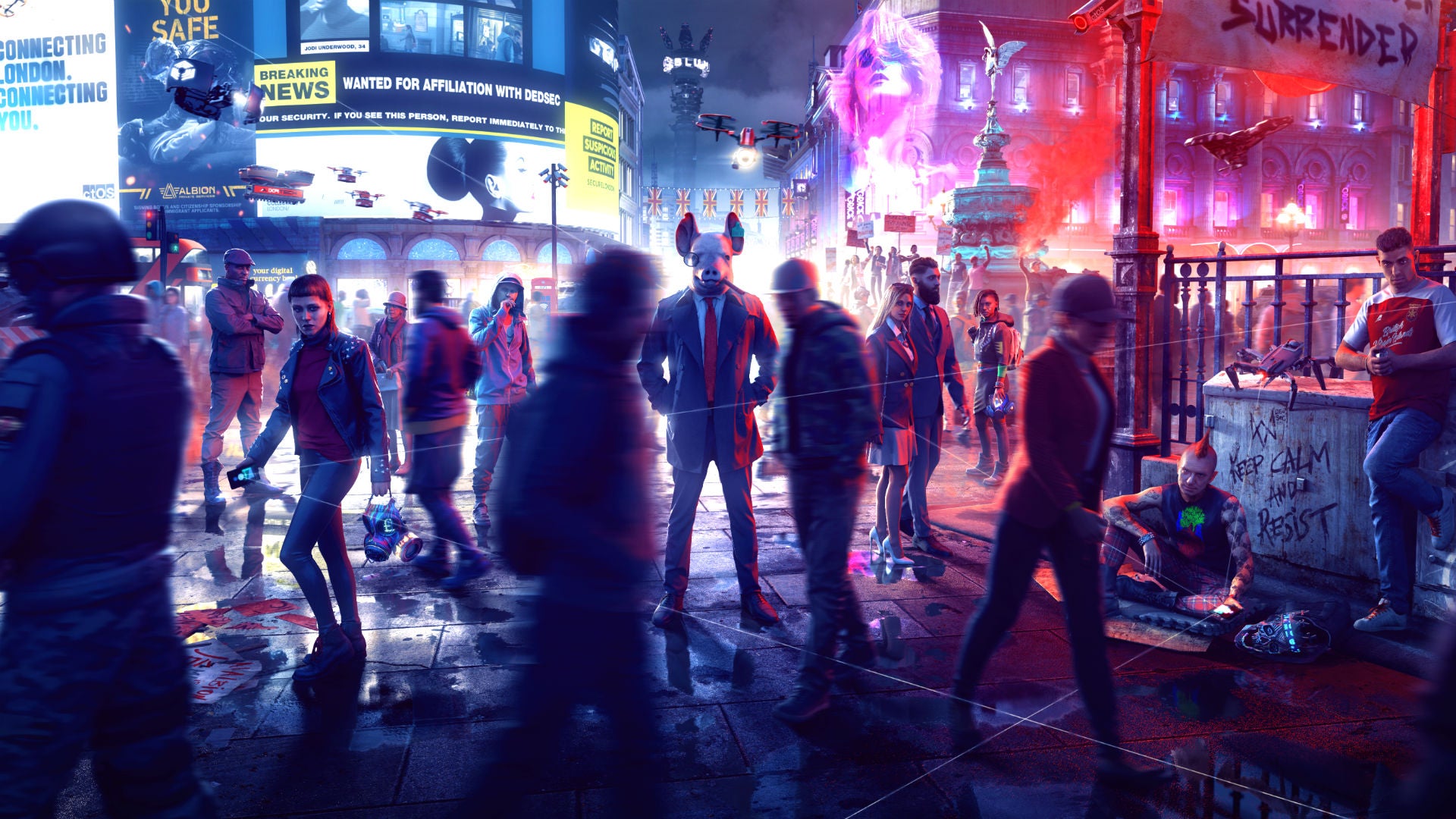
But in other ways, it’s as if nothing has happened. Ubisoft chose not to mention the scandal at all, even to apologize, during its big summer gaming showcase on July 12, which according to the SuperData research group averaged just over 1 million viewers. Since then, the company’s social media channels have been filled with marketing for its major upcoming releases like Far Cry 6 and Watch Dogs: Legion. The games are still being hyped, and while fans have hundreds of questions about them, few, if any, that pop up in the comments for trailers or pre-order links are about allegations of deep, systemic issues at the studios creating them.
It’s now been seven weeks since this reckoning began. During that time, Kotaku has been talking with—and listening to—dozens of current and former Ubisoft employees and others affected by the company, all who have stories to tell. They are now sizing up what good has come of it, what went awry and what still needs to be done. (None who remain at Ubisoft are authorized to speak about the company and therefore spoke to Kotaku under condition of anonymity. Others who’ve left or who were always outsiders also asked that their names not be used, out of concern for harassment.)
In and around Ubisoft, the feelings of developers impacted by the behavior of powerful people at the company are mixed. Some are frustrated it’s taken Ubisoft so long to address these issues. “When the allegations began to mount around early July, there was an outpouring of anger and grief on our internal communications platform, and a demand for change,” said one current Ubisoft developer. “Personally, I felt a great deal of anger at senior HR and other leadership that would allow this culture to persist in the first place.”
A few are embarrassed and outright demoralized. “I’m so jaded at this point that, no matter what they do, it’ll feel like lip service to me,” said one current developer. “I keep doing my job for the great people I work with directly, but I really feel no loyalty to [CEO] Yves [Guillemot], Ubisoft, senior leadership, or my project anymore. It’s too bad. I used to really love this job.”
Others are hopeful things are moving in the right direction, but remain cautious about declaring victory too soon. “I think the biggest danger right now is the risk of sliding back into complacency,” said one current employee. “The heat of the moment has passed somewhat, but major change is still needed.”
About a week ago, Kotaku sent Ubisoft a detailed list of questions about the allegations that have come out since late June and the company’s plans to address concerns about sexism, harassment, and misconduct by its employees. “We are committed to create an exemplary culture where everyone feels valued and respected,” a spokesperson for Ubisoft responded in an email. “We know that we are at the beginning of a long journey, but we are determined to implement the necessary changes to make Ubisoft a better place to work. The entire company is mobilized around this ambition. The comprehensive set of initiatives and the decisions taken by Yves Guillemot over the past weeks are the proof of his determination to improve the company’s workplace culture.”
Shortly after people began speaking out, Guillemot announced a series of initiatives to address public and internal reports of systemic abuse beyond a few high-profile resignations, including an audit of Ubisoft’s HR practices, a working group to look into reforming the company’s workplace culture, and investigations into many of those publicly accused of misconduct.
“It gives me hope,” one current developer said of the changes. “But part of me is still bothered about whether Yves knew about this stuff for years.”
Everything that’s happened with Ubisoft lately has been part of a larger MeToo movement to call out misconduct in the games industry and surrounding culture. In late June, building off moments in the past when abuse in gaming was called out, big Twitch streamers were held accountable, followed by veteran game developers and professional esports players
Early on, people also started talking about men at Ubisoft.
On June 21, a streamer named Dani said on Twitter that Assassin’s Creed Valhalla creative director Ashraf Ismail had lied about being single in order to trick her into a relationship. Ismail soon announced he was stepping down from his role on the game to deal with personal matters. Other women also came forward over social media, citing experiences with Ismail that they believed were part of a pattern of the creative director leveraging his status in the company and industry to pursue romantic relationships with women under false pretenses. (Ismail did not respond to a request for comment.) Ubisoft announced yesterday over its internal communication network Mana that Ismail had been fired following an investigation by an outside firm, according to a copy of the message obtained by Kotaku.
On June 22, Andrien Gbinigie, a marketing manager most recently working on Watch Dogs: Legion, was accused of sexual harrassment and rape, which he denied in a now-deleted Medium post. Kathryn Johnston, who worked for a gaming marketing firm, said in a Twitter post that at PAX 2014 Gbinigie pressured her into going to a hotel room with him where he forced himself on her. Johnston and Gbinigie did not reply to requests for comment.
(Gbinigie’s position at Ubisoft since then has been unclear. When Kotaku presented Ubisoft with several names of employees accused of misconduct, they confirmed the firing or resignation of some of them. They did not do so for Gbinigie, noting, “We cannot comment on individual allegations or ongoing investigations.”)
After the Gbinigie report, allegations against others at the company began flooding social media, some with public names attached, others shared anonymously. Ubisoft is a global company with some 18,000 employees, and the stories about misconduct spanned the world.
In late June, word began spreading about a manager at Ubisoft Massive in Sweden who was accused of abusing his power to prey on one of the studio’s interns during work hours, and was accused of sexually assaulting her. Two sources told Kotaku that this manager is Massive’s current director of consumer experience, Antoine Emond, and that he has been placed on administrative leave while the allegations are investigated. Emond did not respond to multiple requests for comment. When asked about the allegations against Emond, a spokesperson for Ubisoft said, “We cannot comment on individual allegations or ongoing investigations.”
Ubisoft’s Swedish studios are where the company makes The Division games and is crafting a game tied to the James Cameron Avatar movies. Half a world away is Ubisoft Singapore, a studio that has contributed large portions of the Assassin’s Creed franchise and is making a pirate ship combat game called Skull & Bones
On July 6, a person anonymously posted on the National University of Singapore’s official whisper network that a Ubisoft Singapore employee had allegedly tried to pressure them into sex in exchange for help with the application process to intern at the studio.
On July 24, a follow-up post from supposedly that same anonymous person asked for a way to report what happened without revealing their identity. An HR rep for the Singapore studio commented, encouraging the individual to reach out to Work Well Associates, a consultant agency specializing in work-place harassment and misconduct investigations. When asked about this by Kotaku, a Ubisoft rep said: “We are committed to investigating every report of misconduct and taking swift and appropriate actions based on the outcome of these investigations.”
A former employee of Ubisoft’s Customer Relationship Center in North Carolina told Kotaku that, last year, she submitted multiple reports of harassment from her manager that included sexist comments, graphic descriptions of women’s bodies, and an incident in which her harasser described rape as something that “wasn’t that bad and could be seen as funny.”
After multiple reports, the employee told Kotaku that she was encouraged by HR to “talk it out” with her harasser. “I could not trust a single person in power at that office anymore,” she said.
Later, when the harasser was “quietly” let go for unspecified reasons, the source reported that HR gave her a $200 Visa gift card “for her trouble.” Ubisoft did not reply to a request for comment about this.
Many of the people who have come forward over the past seven weeks say that part of what hurts is how long ago their pain began. The widespread misconduct at Ubisoft does not appear to be new, nor is the feeling that Ubisoft has been a company of internal inaction. Issues around many individuals at Ubisoft have reportedly been known for years and shared through whisper networks.
“As a woman, you are warned ‘stay away from him, or ‘he does this,’” said one current Ubisoft developer.
One of the names repeated in these whisper networks was Maxime Béland, a former Splinter Cell creative director who many heard had allegedly choked a female coworker at a work party. (You can read Kotaku’s extensive investigation into Béland here. He resigned from the company in July.)
Another was Tommy François, a long-time Editorial VP who had a reputation for inappropriate comments and sexual harassment. “I had been warned very soon after my arrival at Ubisoft to be very careful around the guy because he was unsafe with women,” said one current developer. François did not respond to multiple requests for comment.
And another was Stone Chin, a long-time public relations manager at the company, who worked out of Ubisoft’s San Francisco office for the better part of a decade until he was terminated by the company in recent weeks.
Chin’s behavior was frequently discussed in internal whisper networks, according to two sources familiar with Ubisoft. One female employee was allegedly “warned” to not be alone with him, a current Ubisoft worker told Kotaku. Chin has not responded to Kotaku about specific allegations. However, in late July he did direct us to a then-forthcoming online posting addressing a range of claims made about his behavior. “I also acknowledge that I have failed to understand the gender power dynamic, particularly in the games industry,” he wrote. “I have not always considered how my actions are received interacting with a woman in this industry, and I apologize for being ignorant to the many nuanced struggles women face every day. ”
It is unclear what he specifically means by “failed to understand the gender power dynamic.”
In a 2014 incident reported to the police, Chin was also alleged to have sexually assaulted a woman with whom he’d interacted with in the games industry, according to a copy of the document reviewed by Kotaku. In his online statement, Chin denied the assault.
The woman who filed the report told Kotaku that the trauma of the assault was compounded by, among other things, the experience of trying to report it to the police.
“I could feel the cop’s distrust of me at the time,” she told Kotaku, “So I opened up a little and explained my job so that we could get a conversation going,” the source alleges. “He seemed interested and perked up a bit, seemed friendlier towards me, so I went with it. He ended up enthusing about Ubisoft games, wanted to talk a little bit about the ones they made, how he liked Assassin’s Creed, etc.”
Her experience underscored just how painful and intimidating it can be to speak out about behavior associated with a person or company that is popular.
“It’s a bizarre thing to have to put up with when you’re reporting a sexual assault,” she said. “Even when I reported to the cops, I still had to face that… that ‘cover’ these companies get… I’ve watched it for over a decade. People excuse a lot when they like the company that’s responsible.”
In his statement, Chin said he’d been investigated “over the years” by Ubisoft regarding the alleged assault. It’s not clear what became of those investigations, but when a range of allegations resurfaced again this past month, Ubisoft fired Chin. Ubisoft wouldn’t tell Kotaku why Chin was fired, but in his statement he said that it was because of faults with his managerial style.
The women speaking out against Chin say they were frustrated by their efforts to call the longtime PR rep out. Chin was a known vector for harassment even before he came to Ubisoft, according to one source, who declined to be named, citing an ongoing investigation. Eleven years ago, this person worked at Ubisoft in their PR department, responsible for liaising with game makers and publishers bringing her into contact with Chin who, at the time, worked for Microsoft as its global public relations manager. Chin would allegedly send her solicitous text messages, such as invitations to his hotel room and more graphic messages wherein he wrote that he “imagined that I gave good head,” the source said. The source said she shared these messages at the time with her manager, longtime Ubisoft PR rep Tim Cummins, who eventually became Chin’s manager when he came to Ubisoft.
“My manager knew […] that I was being propositioned,” the source said. “I would show him the texts. And we both just sort of uncomfortably laughed it off.” (Cummins did not reply to a request for comment, nor would Ubisoft address any of the specifics regarding the claims about Chin and the company’s actions or inactions over the years.)
The source expressed anger at her former manager and Ubisoft due to a lack of any apparent consequences over the years, even after multiple reports had been lodged against him. According to a source who still works at Ubisoft, when they lodged their own complaint about the incident of assault, that person was told “you’re not the only ones to report him.” Those other “ones’’ were in fact multiple women, according to another source at Ubisoft who says their efforts were stymied.
Kotaku spoke to the source involved in that report, who said that when they attempted to facilitate their complaint to HR they were told that the women could not remain anonymous.
“It was also made clear to me that without these women coming forward with their stories, they didn’t believe their investigation would [yield] sufficient misconduct to take action,” the source familiar with that attempted report said.
According to the source, the group of women did not trust HR and desired to take their complaint directly to Laurent Detoc, president of Ubisoft’s North, Central, and South American region. Per the source, “it didn’t go anywhere after that.”
This lack of timely action from Ubisoft seems likely to have contributed to a culture where men in positions of authority could claim not to understand the “gender power dynamic.”
Only now, it seems, after mounting pressure and seemingly endless reports of misconduct, very public firings, and internal mea culpas coupled with promises to do better, has something happened.
Many of the incidents cited over the past seven weeks follow a similar pattern. Men with power at the company abuse it. Sometimes it’s straightforward bullying, other times it’s sexual harassment, or other forms of misconduct. Either no one reports it out of fear or mistrust in HR, or they do and nothing happens. While some current and former employees Kotaku spoke with were aware of cases in which complaints to HR had been acted on, they appear to have been exceptions.
Poor handling by HR was cited by a former Ubisoft employee who recently said on Twitter that an Ubisoft Toronto audio director had bullied and emotionally abused her during her time at the company. Three sources confirmed to Kotaku that the manager in question was Richie Nieto, audio director on Watch Dogs: Legion. When the employee explained the issues to HR after handing in her two weeks’ notice, she was told not to come into work. “In response HR told me to stay home for my two weeks as it wasn’t a ‘safe environment’ but tried to convince me not to leave the studio,” she wrote in a series of tweets. According to her, HR offered to move her to a different project to try to get her not to leave, but never mentioned anything about addressing Nieto’s behavior. Nieto did not respond to a request for comment.
A spokesperson for Ubisoft confirmed to Kotaku that Nieto is no longer with the company, but would not say whether he was investigated or fired over the allegation.
To some, the status of the aforementioned Maxime Béland and Tommy François in the company exemplified the apparent impunity powerful men have enjoyed at Ubisoft. They weren’t just men about whom there were whisper networks and complaints. They were men who rose to some of Ubisoft’s most powerful positions.
Béland, a veteran of the company, was appointed to that group earlier this year after a brief stint at Epic Games, despite the notorious story about him allegedly choking a female coworker at a work event.
François, an Editorial VP who’s been in that position for five years, has been accused of sexual harassment and misconduct as well. Reports by Liberation, Bloomberg, and Business Insider, showed an alleged pattern of sexual harassment and misconduct, including unwanted advances and groping, that went on for years, was in some instances reported to HR, but ultimately never addressed until now. François responded to Liberation’s initial report through his lawyer, who suggested any allegations be investigated by the judicial authorities, but has not responded to subsequent requests for comment from Liberation, Bloomberg, Business Insider, or Kotaku
On June 26, Bloomberg reported that both Béland and François had been placed on administrative leave, while Ubisoft investigated some of the allegations against them. On July 3, two days after Kotaku emailed Ubisoft with an extensive list of questions regarding some of Béland’s past behavior and how it was addressed by HR, Guillemot announced Béland’s resignation. Ubisoft confirmed to Kotaku that François left the company on July 31, but would not say whether he resigned or was fired as a result of the investigation.
Both Béland and François were promoted by chief creative officer Serge Hascoët, a 32-year veteran of the company who helped oversee the rise of its biggest blockbuster franchises like Assassin’s Creed, Far Cry, and Watch Dogs. Described by some as Guillemot’s right-hand man, Hascoët has been accused not just of misconduct himself, but of engendering an atmosphere of sexism, harassment, and misconduct within the Paris office where the editorial team is based.
According to both Liberation and Bloomberg’s reporting, Hascoët managed Ubisoft’s all-powerful Paris headquarters like a boys’ club where sexual harassment, inappropriate jokes, and heavy drinking were common. A July 10 report by Libération contained allegations that Hascoët would make sexually explicit comments to other employees and allegedly serve them cakes with drugs inside without their knowledge. Bloomberg reports that during a high-level creative meeting for a big upcoming game, Hascoët waited for one of the creative leads making a presentation to leave the room before pulling up a French song on YouTube about a woman performing sex acts who happened to share the same name as the person who had been presenting. Hascoët did not respond to multiple requests by Kotaku for comment.
This was the same man responsible for calling all of the creative shots in the company, deciding whether entire projects would live or die, originally hired to Ubisoft the same year Guillemot became CEO. And because all major creative decisions flowed through his office, development leads were forced to meet with him and his team whenever their projects neared a new milestone. “I was warned beforehand how to act appropriately in front of them and that I shouldn’t stay for dinner with Serge if he had asked us out,” said one former developer. “If we had dinner together, I’m supposed to eat and then leave. So there were definitely behavioral red flags that were going on.”
Despite the serious allegations against him, Hascoët was not fired, and there is no sign that he has been investigated. On July 11, the day after Libération’s second report about the Paris office, Guillemot announced that, following a conversation with his longtime colleague, the two had mutually agreed that it would be best for Hascoët to resign. Kotaku asked Ubisoft about the status of a number of its employees, and in most cases the company offered stock answers about not being able to comment on individual allegations or ongoing investigations. When asked why Hascoët was not being investigated, Ubisoft’s answer was much shorter. “We won’t comment further on Serge at this time,” a spokesperson said. Despite the apparent lack of an investigation, the news still shocked many current and former employees who considered the chief creative officer to be untouchable. “We were expecting Yves to cut off his own arm before firing Serge,” one current employee said.
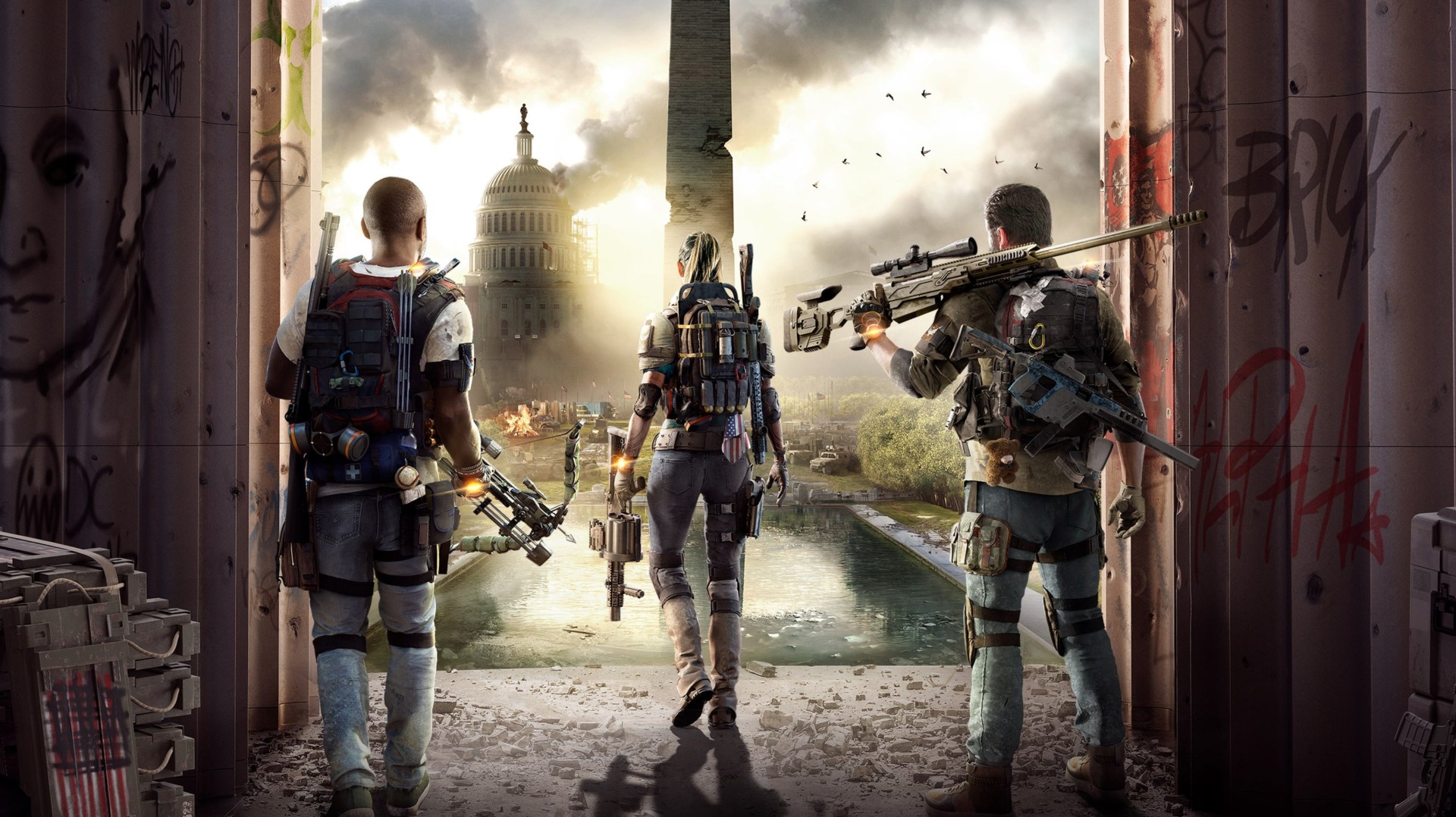
At the same time, it may have been easier to get rid of Hascoët following a lackluster 2019 which saw big games like The Division 2 and Ghost Recon: Breakpoint underperform, and Ubisoft’s stock price sink to nearly $10 at one point, almost half of what it had peaked at the year prior. Three current and former Ubisoft developers Kotaku spoke with believed Hascoët had already been close to retirement when he announced the new team of Editorial VPs—a group of seven white men which included Béland and François—back in January of this year. In addition to Hascoët’s removal, Guillemot also promised to “revise” the makeup of the Editorial group, but hasn’t announced anything specific yet. For now, Guillemot is serving as the company’s CEO and CCO.
While many people with whom Kotaku spoke were surprised by Hascoët’s resignation, none of them considered it alone to be a cure for the toxic culture Hascoët’s team reportedly helped normalize in the Paris office, or the versions of it many experienced in other parts of the company. Instead, they and those who have come forward to other publications, have described a company-wide culture where those at the top and their friends are protected and HR minimizes or brushes aside complaints of harassment, misconduct, or fostering a toxic work environment.
“These have been deep [seated] problems for a really long time, starting at the top with the leadership team in Paris,” one former developer told Kotaku. “They’ve been causing a lot of problems. They are responsible for overseeing how the games are made, who get staffed into leadership positions, and a lot of decisions surrounding PR and marketing as well.
“And so when you have people on top who are, you know, pushing less progressive ideas and very toxic behavior, that rot kind of seeps everywhere.”
While Ubisoft has promised to take actions about a lot of what’s been said, employees Kotaku has spoken with don’t see enough to back up those words.
On June 26, shortly after allegations started being shared publicly, over 100 employees in Ubisoft’s large Toronto game development studio sent a letter to managing director Alexandre Parizeau demanding a safer work environment and changes to how HR handled reports of sexual harassment and other forms of misconduct, according to a copy of the document reviewed by Kotaku
Parizeau held an all-hands meeting for the studio. He appeared grave and to be taking the issues seriously, according to two sources. But over a month later, three current employees said they aren’t aware of any major changes that have been implemented at the studio following that meeting. Béland, who had co-founded the studio but since moved into the position in the Editorial group, has resigned, but other studio leadership remains intact. Poonam Tewari is still the head of what many sources consider to be a dysfunctional HR department. According to two sources, the studio is moving forward with harassment training sessions for managers, which was one of the requests in the employee letter, but employees Kotaku spoke with said they are still waiting on a more fundamental transformation of the studio’s culture.
There’s also concern about the lack of transparency around some of the investigations taking place, including questions around how the results of them will be communicated to people and the use, in some cases, of confidentiality agreements to keep people from talking about them. Some Kotaku spoke with say they’ve recently been contacted by representatives of Relais Expert Conseil, one of the HR firms Ubisoft is paying to investigate allegations of misconduct. They say Relais has required them to sign confidentiality agreements that state that they would never discuss anything related to the firm’s investigations with anyone else, based on a copy of the document reviewed by Kotaku. The outside firm is feared to be anything but friendly to rank-and-file workers. Relais, according to its website, specializes in a range of HR consulting services, from investigating issues of workplace harassment to crisis management around “labor relations difficulties resulting in either a lockout, a strike or a conflict.”
Ubisoft employees received an update on August 10 through the company’s internal communication platform Mana about how the results of investigations would be shared, which has also been concerning for some current and former employees.
“While we will not always publish the results of investigations globally, relevant parties including victims and those involved in the investigations will be informed of the investigations’ results, including disciplinary action(s) when applicable,” the update, a copy of which was obtained by Kotaku, reads. “Before and during the investigations, in order to protect the integrity of these investigations, only the manager and the victims and those involved in the investigation receive information. If an investigation results in dismissal, the relevant teams and departments will also be informed.”
Ubisoft workers are able to post replies to announcements on Mana, and while some employees were happy to get the update, many others expressed disappointment, saying this policy would allow people whose actions were severe enough to be disciplined or dismissed to avoid being held accountable for them. And some pointed out that a lack of transparency about why someone was disciplined by Ubisoft could put others interacting with that person at risk.
The result of any investigation into Béland, which Ubisoft confirmed remains ongoing, is now moot for the former veteran creative director, but could still have consequences for those at Toronto. Current and former employees say people who remain in power at the studio were aware of Béland’s problematic behavior—including the notorious alleged choking incident—and did nothing about it. Rima Brek, who was married to Béland and the interim head of HR at the time of the incident according to three sources Kotaku spoke with, is now associate managing director at Toronto based on her LinkedIn profile. She’s also still a production director on a project on which Béland was previously creative director, and two sources told Kotaku she hasn’t addressed the incident internally at all. Brek did not respond to a request for comment.
Employees at Ubisoft’s 3,000-person Montreal office, which has had its own issues around sexism, harassment, and workplace toxicity, are also waiting to see how management reforms that studio.
One thing that doesn’t inspire too much confidence is the recent promotion of Christophe Derennes to the head of the studio, taking over for Yannis Mallat, who stepped down earlier this month amid the company’s ongoing scandal. A long-time executive at Ubisoft who was previously Mallat’s right hand, Derennes is for many a symbol of the failed status quo.
“He’s from the old guard, so I’m very suspicious,” said one current employee. “I don’t mind him specifically, but he’s literally just another French white man that is already close to the higher-ups,” said another. A few current employees told Kotaku they’d rather see someone brought in from outside the company to replace Mallat over the long term. Nothing in the original internal email announcing Derennes’ promotion, a copy of which was reviewed by Kotaku, made it sound temporary, however. When asked why Derennes was chosen, Ubisoft told Kotaku it was because of his 25 years of experience and expertise in game production at the company.
And this is what some current and former employees are afraid of: that a few bad men will be cut from the company while the root issues around Ubisoft’s toxic company culture go largely unaddressed. “So far, the measures have been basic, in my humble opinion, and should have been in place years ago,” said one current employee. “They have not taken a stance on firing some of the toxic VPs that allowed these behaviors to exist and contributed actively to it spreading. They allowed them to leave gracefully. This sends a strong message to many women who have had to endure abuse. I hope for their sake that the cleanup is not done.”
Derennes also happens to be Guillemot’s cousin, and to many a sign of Ubisoft’s failure to outgrow the family business it began as. Michel, Christian, Gerard, Claude, and Yves Guillemot founded it in 1986, and decades later they still sit on its board, with Yves as CEO for nearly its entire history. The only time the Guillemots’ rule was ever seriously threatened was between 2015 and 2018 when the French media company Vivendi attempted a hostile takeover. During this period Yves Guillemot went on a charm offensive, trying to rally the public, investors, and employees. One of the slogans during this period was “We Are Ubisoft,” which included a post-E3 2016 video aimed at trying to put a more human face on the giant corporation by highlighting its employees. Hascoët is one of the people briefly featured in it.
Many who Kotaku spoke with said they were encouraged to sport the company swag at work on certain days during the takeover period. A few recounted feeling a bit cynical about it even then. According to three former employees, there were some at the company at the time who thought a Vivendi takeover might actually be a good thing for the company. “They definitely had the sense that if some adult came in and cleaned shop, maybe we would be run like a boring but effective organization that cared about people,” said one former employee.
The Guillemots successfully fought off the takeover in early 2018, thanks in part to massive investments by the Ontario teachers’ pension fund, the Chinese gaming giant Tencent, and Yves Guillemot’s own private investment firm. Ubisoft declined to comment when asked how many Guillemot relatives are currently in positions of power at the company.
Now that so many have spoken up over the last month, many current and former Ubisoft developers are waiting to see clearer signs the company will work to create systemic change rather than just make an example of a few “bad apples” like Hascoët.
“I’ve yet to see real change happen,” said one former employee. “I hope that the same pattern doesn’t just happen all over again. And they can say, ‘Hey, we did the big thing, we got rid of some big names, so it’s all fine.’”
Some current and former developers are also faced with another question: How much did Yves Guillemot, the global video game publishing giant’s co-founder and long-time CEO, know, and just how committed is he to rooting out the core issues?
“I would like to express my deep solidarity to all those who have been directly hurt and assure you that I will personally follow each of the situations that have been reported,” Guillemot, stopping just short of personally apologizing, wrote in a company-wide email on June 26, the day after Ubisoft announced it would be launching investigations into misconduct.
In the weeks that followed, the CEO announced the creation of two new positions—head of workplace culture and head of diversity and inclusion—both of which would report directly to him. The first has been filled by Lidwine Vernet Sauer, a 15-year veteran of the company. The second is still vacant. In addition, employee listening sessions and a global survey are being administered by an outside firm. A spokesperson for Ubisoft told Kotaku the feedback from them will be used to shape future policies and procedures around the company’s workplace culture. They also said it was “too early” to say whether full breakdowns of all the information gathered this way would be shared with all employees rather than just “key takeaways.”
On a July 22 call with investors, Guillemot was asked if he took any responsibility for a company culture that appeared to tolerate misconduct and a system of HR that swept issues under the rug when they were reported.
“In fact, each time we have been made aware of this conduct we have made, actually, tough decisions,” Guillemot said. “And we made sure those decisions had a clear and positive impact. So that’s very important. It has now become clear that certain individuals betrayed the trust I placed in them and didn’t live up to Ubisoft’s core shared values. So I have never compromised on my core values and ethics and never will. I will continue to run and transform Ubisoft to face today’s and tomorrow’s challenges.”
Distribution de t-shirts \ #weareubisoft #ibelyves #unisparlejeu #mondaymotivation pic.twitter.com/t0XJV4ZHfR
— Ubisoft Québec (@UbisoftQuebec) September 26, 2016
As allegations of misconduct have poured in across the company over the last month, many are finding it hard to place trust in a system and its leader who waited until now to address what they say has been years of workplace issues around sexism, harassment, and misconduct. “They turned a blind eye for so long, and ignored the systemic sexism that turned their company into a cesspool for the women working there,” said one current developer.
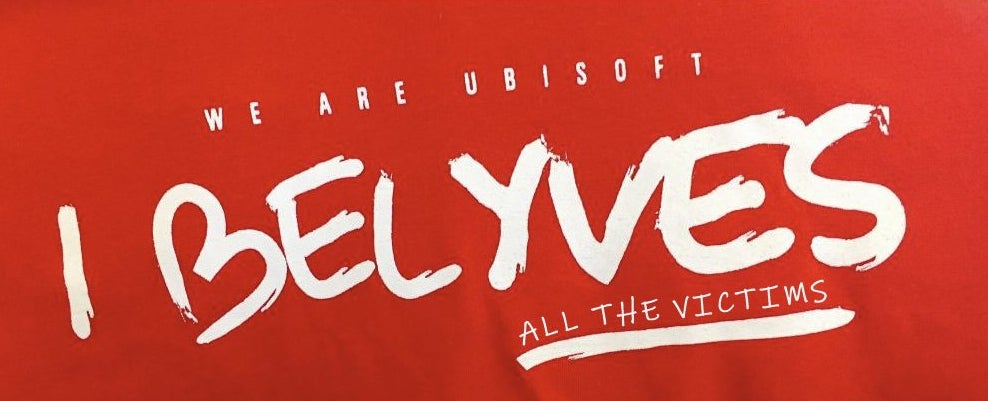
Back in 2016 when Ubisoft management was fending off a Vivendi takeover, the company started producing t-shirts with a prototypically Ubisoft slogan—red shirts, white print, and a play on words: “I BelYves.” It was a riff on the Ubisoft CEO’s first name. The slogan was also used on social media and on wristbands, and pins for employees to wear internally.
That slogan has come back this summer, with a key modification. Following the outpouring of allegations this summer “I BelYves” resurfaced as a challenge to Ubisoft’s CEO. On June 30, someone Tweeted a photoshopped version of the shirt. This time, it read: “I BelYves all the victims.”
Additional reporting by Stephen Totilo.