
If you played games in the early 2000s, you probably did so on a Game Boy Advance. First introduced in 2001 as a purple, vaguely hexagonal brick, the hardware boost alone over the Game Boy Color’s archaic tech ushered in an era of lush pixelated gameplay. Then came the ultra-stylish Game Boy Advance SP. Complete with flip-phone-like functionality and a light-up screen, one thing was certain: Game Boy Advance was the handheld of the generation.
By the end of its impressive run, enough excellent games came out to fill the Library of Alexandria. As the portable console celebrates the 25th anniversary of its launch in Japan, we look back at the 15 best GBA games and what made them so special.
This article was originally published on May 12, 2020.
Pokémon FireRed/LeafGreen (2004)
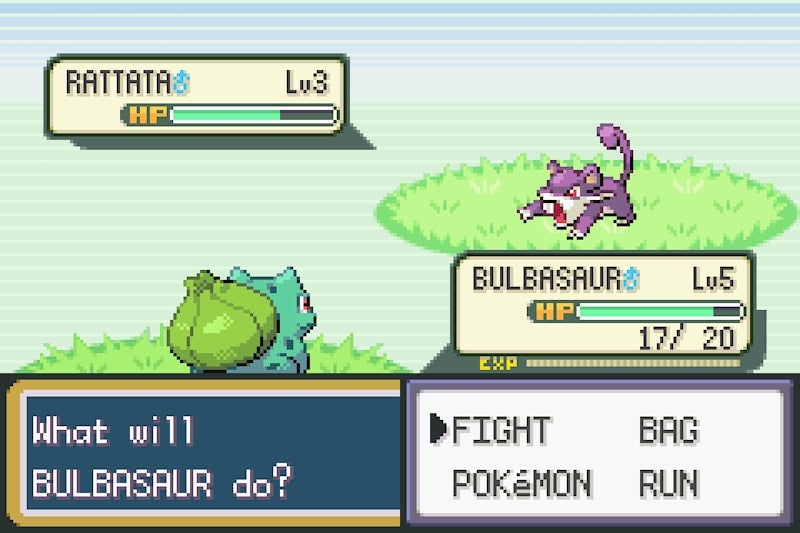
Pokémon was at the height of its powers in Generation III. The number of Pokémon ballooned to a massive yet still manageable 386. Double battles made their first appearance, which evolved the game from glorified rock-paper-scissors into a genuine strategy game. And the training process got a complete overhaul—one that exists to this day—with the introduction of Pokémon natures and abilities. Though fresh entries Ruby and Sapphire are terrific games, it’s FireRed and LeafGreen—ostensible remakes of Red and Blue—that deserve the top honors. For the most part, they were faithful recreations of those 1996 favorites: the same plot beats, but with modernized mechanics and snazzier graphics. Then you beat the Elite Four, and a whole new area called the Sevii Islands opened up—with its own storyline and unique topography. What could’ve been a straightforward remake became a truly improved reimagining.
Final Fantasy Tactics Advance (2003)

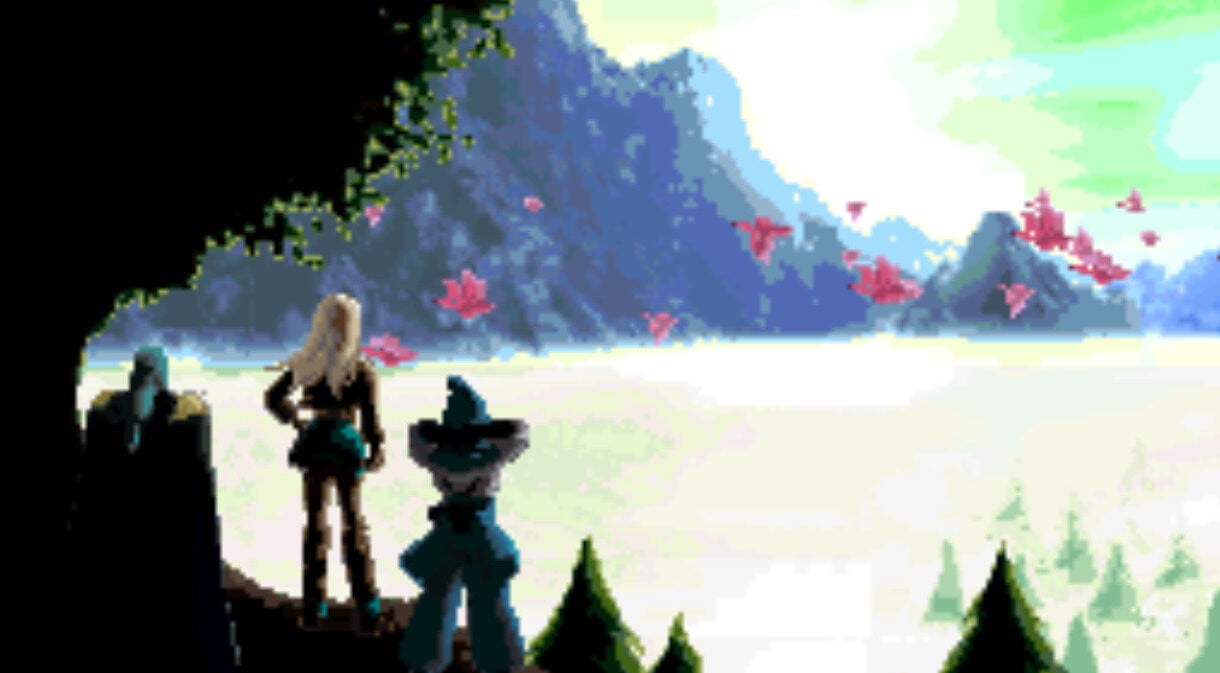
Ever wanted to combine one of the best tactical role-playing games with the meta-storytelling whimsy of The NeverEnding Story? That’s Final Fantasy Tactics Advance in a nutshell. A magic book teleports some school kids into a fantasy realm where they then have to fight turn-based battles on a square grid while armored judges watch their every move to ensure they don’t break quirky rulesets governing each encounter. While not quite as good as its namesake, it remained a deep, number-crunching strategy game in its own right, with a complex progression system that led to interesting party compositions. Even among the rest of the handheld’s beautifully pixelated games, Final Fantasy Tactics Advance’s vibrant art popped, and its soundtrack, composed by one-half the original duo behind Final Fantasy Tactics, was a two-hour tour de force befitting the sprawling campaign it accompanied.
Ninja Five-O (2003)

A potent mix of Shinobi, Rolling Thunder, and Bionic Commando, the bizarrely titled Ninja Five-O let you play as a ninja whose speedy movement, aggressive jumps, and laser-precise sword actually made him feel like one. A wild grappling hook offered incredible mobility through tightly designed stages, yet remained miraculously easy to control. Ninja Five-O was that rarest of rarities: a portable action game that played not just as well as its arcade and console inspirations, but better.
Final Fantasy VI Advance (2007)

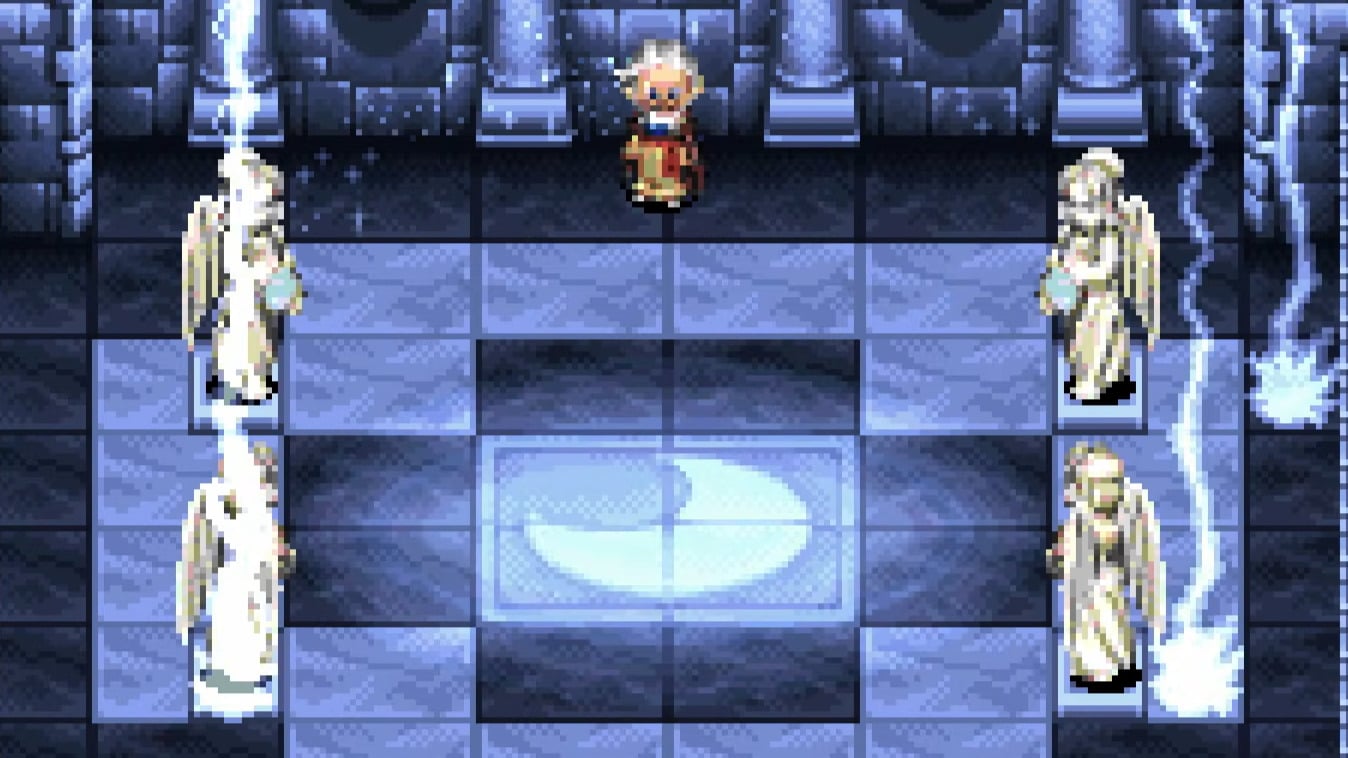
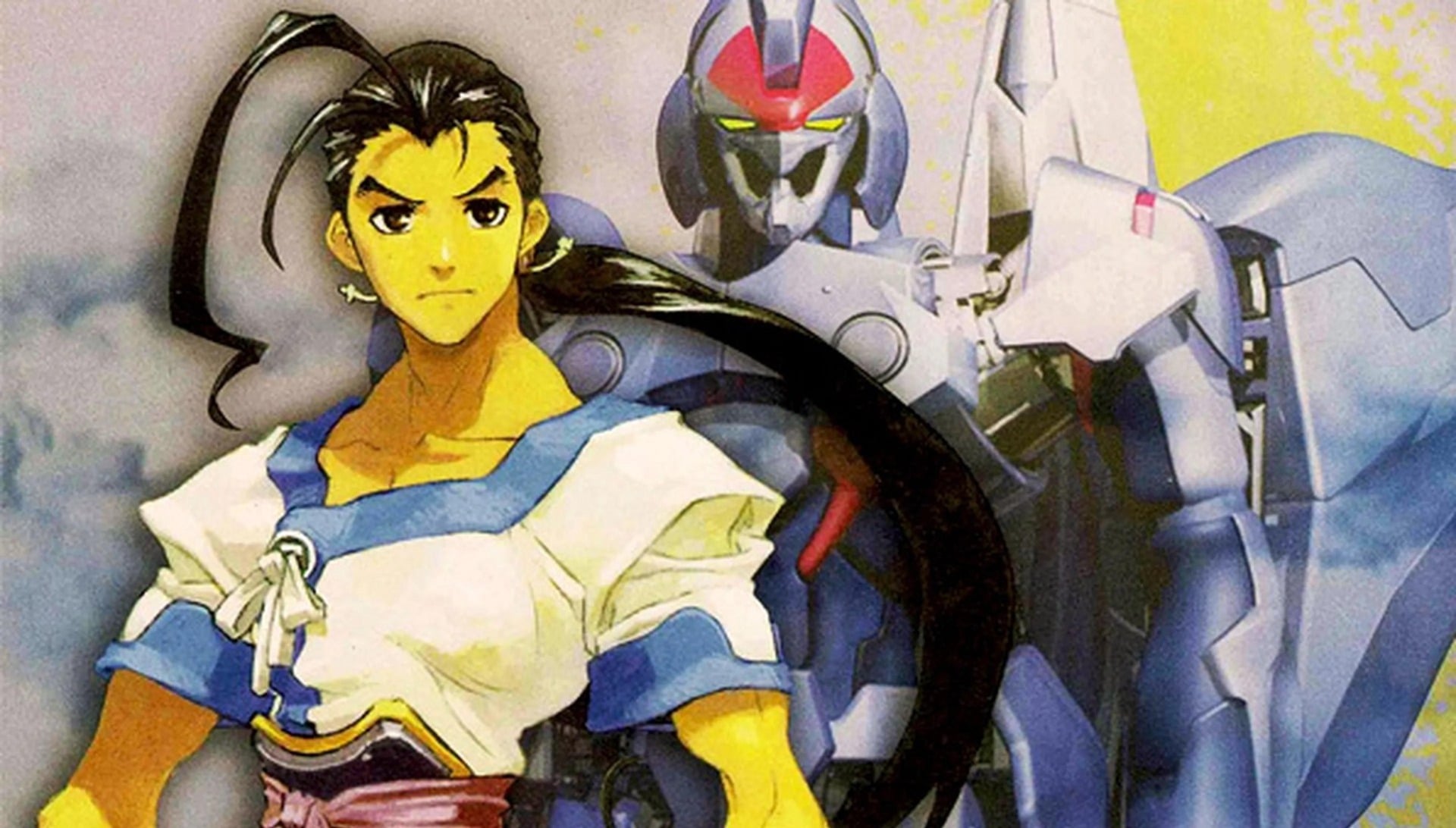
There’s no definitive English-language version of Squaresoft’s 16-bit masterpiece, but you could argue that the Game Boy Advance version gets closest. The classic turn-based tale of Terra, Mog, Kefka, and several other people took a little bit of a graphical resolution and sound quality hit in the Game Boy port, but made up for it with a fully redone translation, some bonus endgame content, and other little upgrades. Either way, it’s a heck of a lot better than whatever that thing on Steam is
Metroid: Zero Mission (2004)

After Metroid Fusion’s surprisingly difficult swerve, Metroid: Zero Mission appeared a welcoming fan pleaser. Nintendo created Zero Mission as a reimagining and elaboration upon Samus Aran’s first adventure—1986’s original NES hit Metroid—blessed with a whopping 18 years’ worth of technological and quality-of-life improvements. Tightened controls proved a joy and expanded storytelling further probed Samus’ origins. While the NES original remained unforgettable, Zero Mission’s judicious streamlining made it the most comfortable way for most players to experience Samus’ first, momentous trek through Zebes.
Castlevania: Aria of Sorrow (2003)

By the end of the aughts we’d be drowning in so-called Igavanias, but Castlevania’s third and final GBA outing, 2003’s Aria of Sorrow, was the first that come close to replicating the easy-but-addictive formula of 1997’s genre-defining PlayStation classic Symphony of the Night. Newcomer protag Soma Cruz lent a fresh face to a fresh power-up system in which you captured foes’ souls to obtain their special abilities. While easy as ever, Aria’s responsive action, twilit atmosphere, and addictive collect-a-thon proved portable Igavanias had found their footing.
Tony Hawk’s Pro Skater 2 (2001)

There were more Tony Hawk games on the Game Boy Advance than you can shake a broken Birdhouse deck at. None, however, rose out of the halfpipe quite as high as Tony Hawk’s Pro Skater 2. Released at the same time as the GBA, this handheld version of Pro Skater 2 traded 3D graphics for a timeless isometric viewpoint. Sure, the visuals were a bit more pixelated, but you could still knock out a frontside 50-50 into a double kickflip. You could crush a sick method 540. You could manual, nollie, fakie, handplant, no comply, lipside, and all manner of highly technical tricks only seasoned skateboarders could dream of pulling off IRL. Oh, and who can forget the GBA-ized version of the game’s iconic soundtrack?
WarioWare: Twisted! (2005)

2003’s original WarioWare was classic Nintendo: deeply weird, played great, and like nothing anyone had played before. It introduced the concept of “microgames”—short challenges to jump, dodge, or maybe pick nose hairs in just a few split seconds—and machine-gunned them at the player, resulting in a triumph of interactive comedy. WarioWare was great, but then Nintendo outdid itself. WarioWare: Twisted! delivered a new slew of rapid-fire microgames but paired them with incredible motion controls that made the Game Boy Advance function a bit like a steering wheel. The game’s cartridge contained a bulbous rotational sensor that could click with each gradual movement, creating a bizarre and tactile gaming experience. The result was an extraordinary offering of tiny games that were even funnier to play. They included sword-swinging, dish-washing, and even a version of Super Mario Bros. 1-1 that’s rolled into a circle. Even better and weirder were the absurd unlockables, which included a possibly-political bit of interactivity in which you ground down an SUV with a giant cheese grater.
The Legend of Zelda: The Minish Cap (2005)

Some Legend of Zelda games innovate. Others iterate. Minish Cap did both with aplomb. Built on the fundamentals that made the franchise such a powerhouse—navigate dungeons, collect new items, beat up bosses—with the same charming aesthetic of Wind Waker, this GBA hallmark introduced a mind-bending new mechanic. At various points in the game, Link could shrink to “Minish size.” Mere obstacles became whole dungeons; rank-and-file enemies became powerhouse bosses. And best of all, fans of the crowd-pleasing Four Swords duology received a prequel that shed light on Vaati’s backstory.
Advance Wars 2: Black Hole Rising (2003)

The core gameplay loop of the army-themed tactics game Advance Wars 2 didn’t switch things up much from its predecessor. (Why fix what doesn’t need fixing?) But the game did what the best follow-ups to good games always do: offer more. That meant more terrain types, more commanding officers, more unit types (or, well, one more unit type), and, of course, spruced-up graphics. Advance Wars 2 also featured a nonlinear campaign, which was as welcome then as it is now.
Rhythm Heaven (2006)

You probably know the Rhythm Heaven series, a collection of bonkers musical mini-games by the WarioWare team, but did you know it started off on the Game Boy Advance? Don’t let the fact that this release was Japan-only stop you from tracking it down, since it featured some of the series’ best work, including the amazing Bon Odori. Some, but not all, of its games appear in the 3DS game Rhythm Heaven Megamix. So if you want the full experience, you’ll need to import.
Mother 3 (2006)

The sequel to Nintendo’s beloved classic RPG EarthBound is most notorious for the fact that Nintendo never brought it out of Japan. That’s a shame, since it should be known for the fact that it’s one of the Game Boy Advance’s best exclusives. A brilliant battle system that combines turn-based command inputs with rhythm game-style beat-matching and a touching, surprising story make Mother 3 a timeless classic. Play the excellent fan translation and find out what you’ve been missing.
Mario & Luigi: Superstar Saga (2003)

There are Mario role-playing games, and then there’s Mario & Luigi: Superstar Saga. The first entry in the Mario & Luigi franchise gave players a rare look (for the time) at life outside the Mushroom Kingdom by sending Mario and his since-deceased brother to the Beanbean Kingdom. It was a charming, delightful, genuinely funny game featuring robust RPG elements and turn-based combat that wasn’t fully turn-based. Quick-time events accompanied every attack; time things properly, and you’d cut how much damage you took, or boost how much you dealt. The result is a game that’s a bit more demanding—and exciting—than your standard turn-based joint. Plus, it made fun of that jerk Bowser.
Astro Boy: Omega Factor (2004)

Astro Boy: Omega Factor enjoyed an abundance of qualities most beat ‘em ups lack: complexity, variety, and heart. Beyond just dynamite punches, Treasure gave legendary animator Osamu Tezuka’s android wunderkind a fun invincible dash, long-range lasers, and a strategic kick that sent enemies toppling like dominoes. Exploration and shmup elements augmented the inspired brawling, while familiar Tezukaverse faces played out a thoughtful story that, like the best children’s lit, seemed unafraid to delve into darkness. Omega Factor ended up being one of Treasure’s last truly inspired action games, and a wonderful tribute to Tezuka’s most enduring hero.
Golden Sun (2001)

Golden Sun is neither a remake of a classic RPG nor the continuation of a storied series on a new platform. Where other RPGs lived on the Game Boy Advance, Golden Sun was born to it. It was a charming, dramatic, often intense traditional turn-based role-playing game. As you explored dark dungeons you’d unlock new types of elemental magic, used to cleverly solve puzzles to allow for progress. Unlike a port of a console game, Golden Sun made no compromises in presenting big adventure on the GBA’s small screen. We’d recommend the follow-up, 2003’s Golden Sun: The Lost Age, but we don’t have to. If you play the first Golden Sun, you won’t be able to stop yourself from playing the second.
Want more of the best games on each system? Check out our directory:
The Best PC Games • The Best PS4 Games • The Best Xbox One Games • The Best Games On Xbox Game Pass • The Best Nintendo Switch Games • The Best Wii U Games • The Best 3DS Games • The Best PS Vita Games • The Best Xbox 360 Games • The Best PS3 Games • The Best Wii Games • The Best iPhone Games • The Best iPad Games • The Best Android Games