Ryu Ga Gotoku Studio’s output is possessed by a fighting spirit. Across the Yakuza series, RGG’s most beloved property, there has been no shortage of scraps, brawls, melees, scuffles, and fights for Kiryu, his allies, and foes. Even now, as the studio branches into other worlds and franchises like Virtua Fighter, it cannot help but come back to that vicious and elegant pugnacity. Its latest, Stranger Than Heaven, is just as driven by this call to conflict and violence.
However, all those struggles are often a means towards an end. Kiryu fights a lot, but at least he is clear about what he fights for. At the beginning of the Yakuza series, he fights to honor his father figure and the makeshift family formed during his youth in an orphanage. For his aniki, Nishiki, as well his love, Yumi. And as the player, we guide Kiryu as he fights to eventually free himself from the ceaseless cycle of violence that comes with being such a legendary figure of Japan’s criminal underground. He fights to provide a better future for his daughter and all the children of the orphanage he opens. For the average citizen of Kamurocho, Okinawa, Sotenbori, and more.
Kiryu became, over the years, a righteous figure. A virtuous defender of what is right, embodied not only by his words and action, but by the progressive values and stories many found comfort in over the course of the Yakuza series.
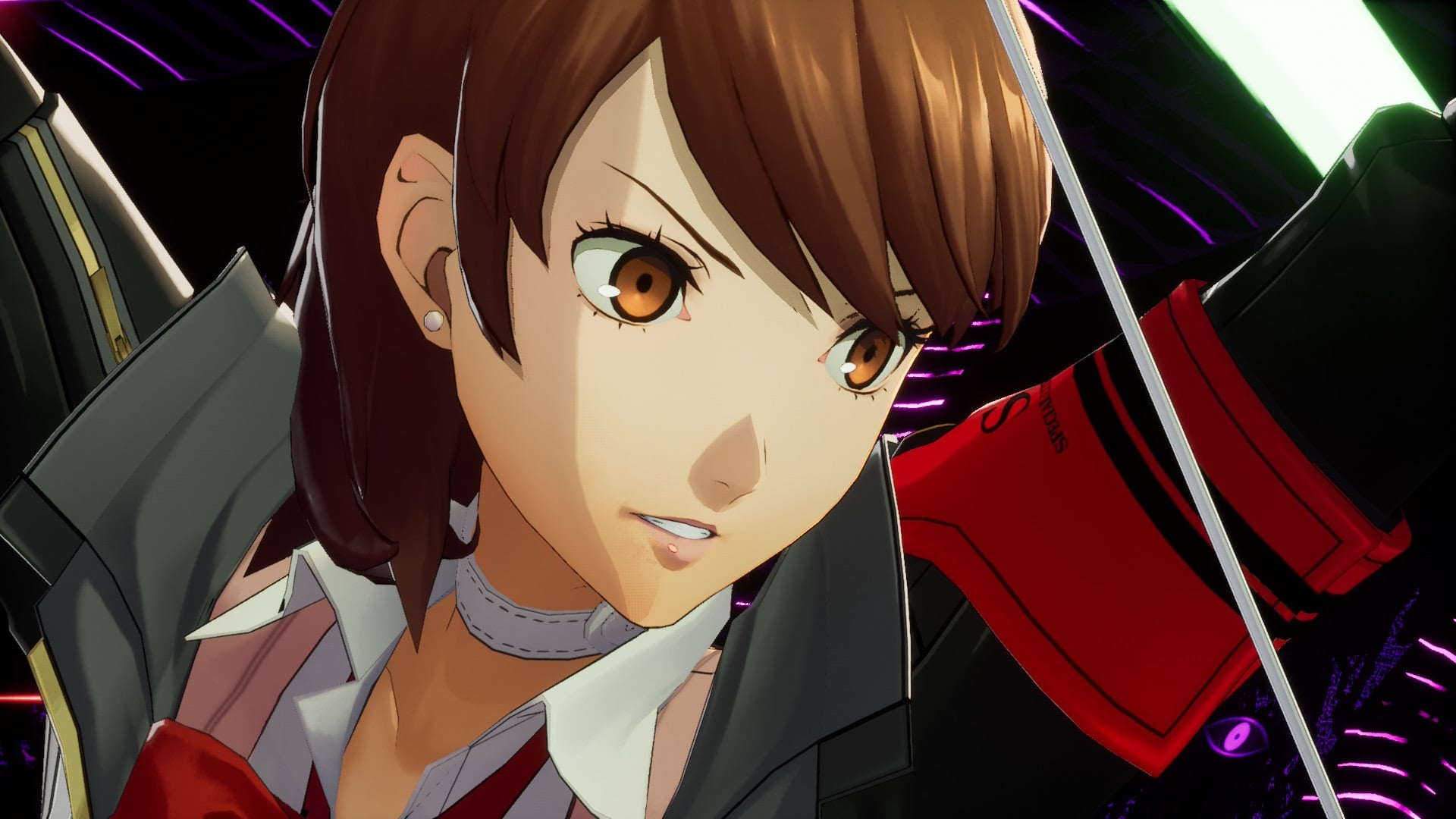
What does this all have to do with Stranger than Heaven, the studio’s upcoming, decades-spanning prequel to the Yakuza saga? Well, after about 40 minutes of playing through a short trio of encounters and getting a handle of the upcoming title’s significantly different combat system, I’ve been thinking a lot about what this new avatar of violence, protagonist Makoto Daito, might fight for. I also wonder what RGG Studio, the game’s developer, might be fighting for, especially as it continues down an awkward and regressive trajectory that seems to be at odds with the more progressive image it once strongly cultivated and maintained.
My hands-on time with Stranger Than Heaven focused (much to my chagrin) entirely on combat. Understandable, given what a shift the fighting here represents from the brawling in the studio’s most famous franchise, but disappointing given how much of the flavor of this team’s games derives from the world and characters. Instead of getting a taste forMakoto and the way that his decades-long journey leads to the founding of the Tojo Clan—a powerful force felt throughout the Yakuza games—I instead took on three combat scenarios that illustrated what a different beast he is from RGG’s more established retinue of heroes.
No dodgeslop here
At the core of Stranger than Heaven’s combat are two foundational new mechanics. The first is that players now attack using the bumpers and triggers, with the left and right buttons corresponding to sides of Daite’s body. That means that the left bumper will be a left jab, while the right trigger makes use of, you guessed it, his right arm. It sounds more QWOP-ish than it actually is in execution. The second is a directional block and parry function, which requires you to intuit what side attacks are coming from, hold the block button, and hit a right or left attack button at the perfect time to perform a brutal and essential counter.
Conversations with other demoers frequently yielded comparisons to Dark Souls, which serves as a helpful basis but doesn’t communicate the whole picture. Stranger than Heaven is weighty in the way that From Software games are, yes, and the games are alike in that hitting a button means committing to an action and animation. This does also make encounters in Stranger than Heaven a bit more difficult than those in the average RGG game, but it is hardly grueling. It’s simply different. You will need to warm up to Stranger than Heaven which, unlike the Yakuza games, doesn’t seem to give you different fighting styles that can be toggled between depending on the encounter in front of you. But lest you worry, no, RGG is not suddenly making dodgeslop.
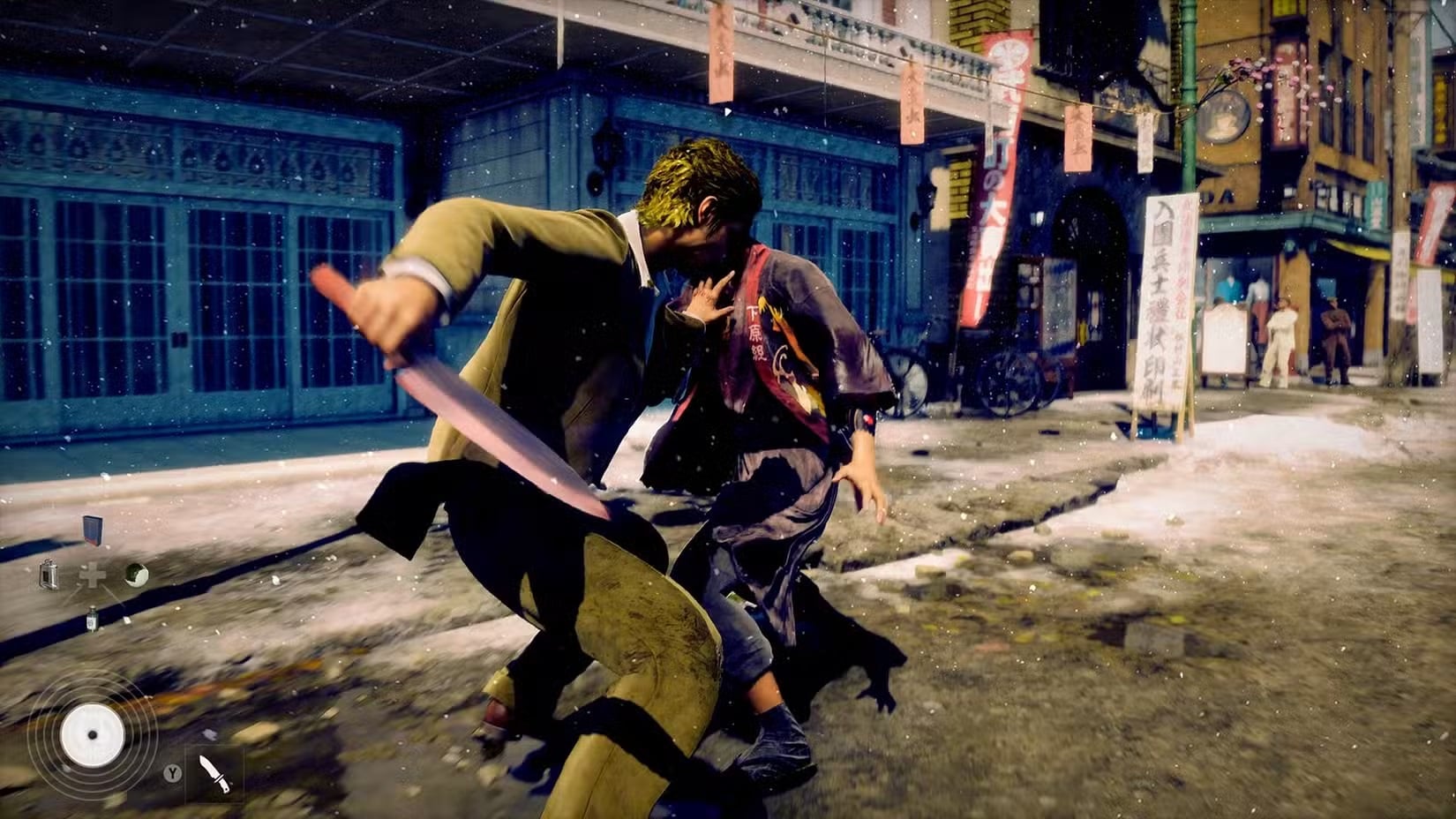
Players will still mostly rely on deploying a mixture of light and heavy attacks, as well as grabs, against waves of opponents, but Stranger than Heaven’s packing more weight than ever behind every incoming and outgoing strike. Daito wields a knife with intention to eviscerate the person in front of him. He is brutal and thorough in the way he cuts opponents down, a far cry from the cartoon-like brutishness of the Yakuza series this distant prequel is in conversation with. Nowhere was that clearer than in the latter two combats I faced, which pitted me against a wave of about five enemies and a lone miniboss, respectively.
The first of those took me several minutes longer than I initially expected. Though I’m used to RGG games in which tens of enemies can be taken out in twenty seconds flat, Stranger than Heaven seems, at first glance, more grounded and intimidating. Five-to-one odds cut a much more intimidating figure here, and as a result, these fights can feel longer and scrappier. The average combatant still went down after a few successful blows, but dodging out of the way of a hulking brute—one who loved to charge me in the middle of an attack on one of his lesser friends—demanded a bit more patience, as did chipping away at his defenses with my knife or club-like weapon.
As for the miniboss, the entirety of my demo room seemed to struggle with him. As I racked up attempts—it took me no less than half a dozen to finally get him—I could hear both cheers and groans as many came up against the challenge, failed, and tried again. The most efficient method of taking him out appeared to be stringing together a small series of strikes, baiting out one of his more legible techniques, and parrying, as opposed to a dominating show of force and prowess. It was a fun and tense encounter, especially once I’d learned his rhythms enough and triumphed over the boss fight while giving up very few attacks to my opponent.
The Tupac of it all
What I really wish I knew more of is what RGG is hoping to accomplish with Stranger than Heaven. What kind of person Makoto Daito is. How he moves through the world and what he fights for. These feel like especially pertinent questions to ask at what has become a critical juncture for the studio.
Though RGG has been heralded in the past for its writing on masculinity as well as its approach to the ills of Japanese society, like poverty and the nation’s treatment of its unhoused population, it has also seemingly regressed a great deal over the most recent string of releases. Most notably, a controversial remake of a controversial installment in the Yakuza series was released in 2025 that cut a substory that had resonated with the series’ transgender audience, and recast a villain in the game with an actor who sexually assaulted a staff member at a hostess club in 2019. When pressed for reasoning behind the casting choice, the studio’s leadership seemed to double down on the decision, saying the actor appropriately captured the character’s creepiness.
Then, at SGF 2026, RGG revealed that it had once again pulled a sickening trick. No stranger to stunt casting, the developer showed off that alongside a sizable Snoop Dogg cameo, it had also requisitioned the likeness of the late rapper and legendary hip-hop figure Tupac Shakur for Stranger than Heaven. Suffice it to say, digitally puppeteering a Black man, especially one who died to gang violence, in the studio’s latest game about gang violence has not gone over well, and in fact even brought to light the shady figure in charge of the Tupac Shakur estate.
Which all brings me back to my core question here: what is RGG fighting for? What are the ambitions of its decades-long tale and its weightier combat? What possible ends could justify crudely resurrecting Tupac and getting into bed with someone who has allegedly embezzled millions from his family? What justifications does the studio have for any number of its growing string of conservative lapses?
I don’t have many answers, but I know that nothing I’ve seen of Stranger than Heaven comes close to satisfying any of these questions.