Racing games, like fighting games, used to be generation-defining releases. They were flashy console sellers showcasing groundbreaking graphics and impressive new gameplay engines. They used to be aimed at anyone who might want to pick up a controller, not just existing enthusiasts. Daytona USA and Wipeout had to be great games, period, not just great racing games. The spirit of that ambition lives on in what I recently played of Star Wars: Galactic Racer. It was fun. It was neat. And not just “for a racing game.”
I went hands-on with Fuse Games’ debut release, which many are hoping ends up being the second coming of the cult classic Star Wars Episode I: Racer, for roughly 60 minutes at Summer Game Fest this month. It was the only demo there that I could have easily played for another hour. Yes, Star Wars: Galactic Racer, with its simple, adrenaline-filled gameplay loop of high-speed crashes and narrow escapes, is by its very nature primed to make a great impression in this exact sort of setting. Immediate gratification combined with Star Wars nostalgia is destined to be an easy crowd-pleaser. But what I played left me impressed with more than just the moment-to-moment spectacle; I came away hopeful that Star Wars: Galactic Racer has the systems in place to not stall out after just a few hours in.
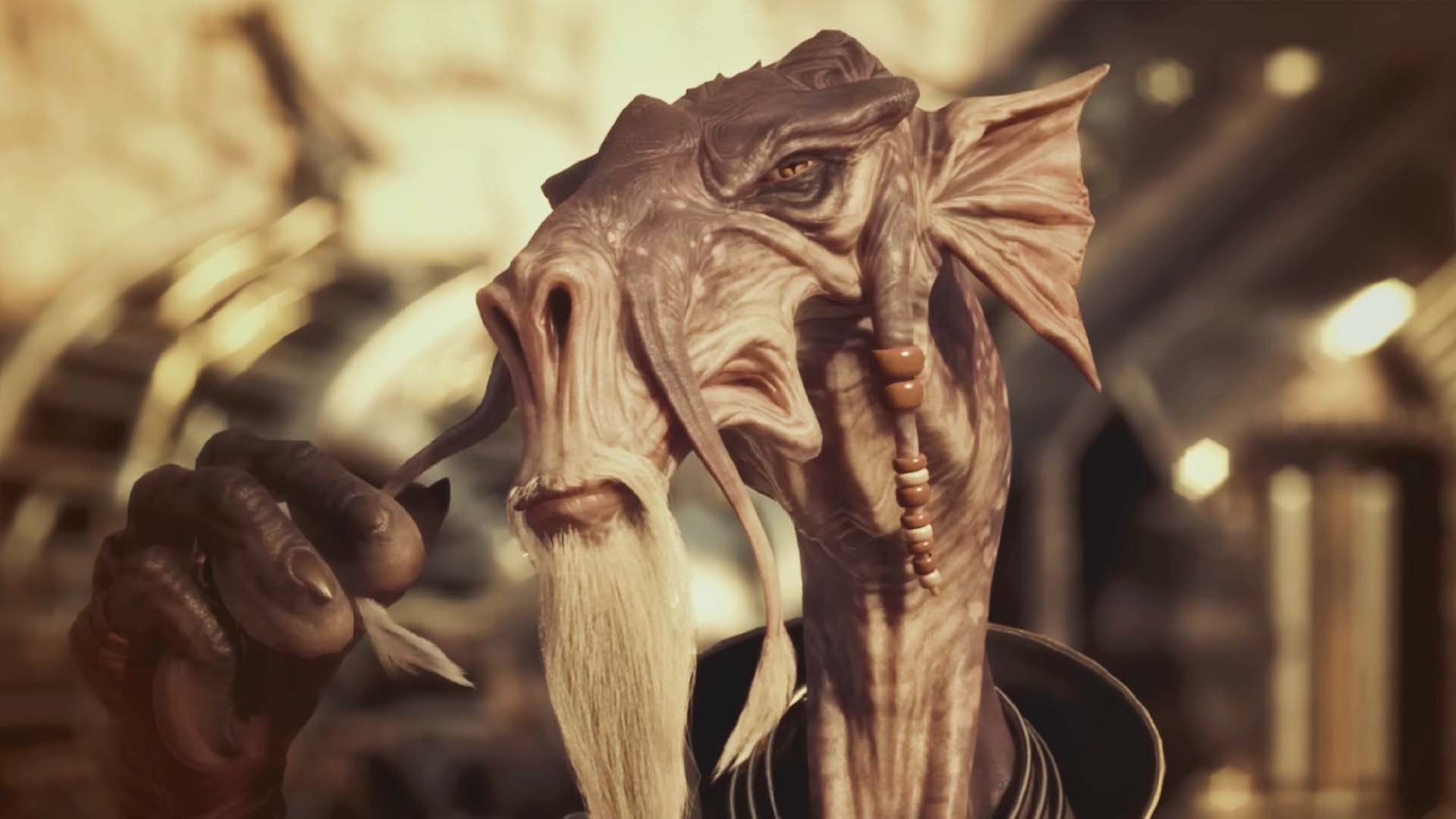
First, the backstory, of which there is a surprising amount. The game takes place in the years after the fall of the Galactic Empire. You play as Shade, a mysterious scoundrel who enrolls in an unsanctioned new racing scene called the Galactic League. Known for its unsafe speeds and dangerous antics, it’s a place where veterans from the war can utilize their skills, settle old scores, and make names for themselves among the ruins of the old imperial order. Shade’s main rival is an aristocratic Caskadag named Kestar Bool, with hints of a messy history that goes way back.
Star Wars: Galactic Racer is investing a surprising amount in the trappings of its single-player campaign mode. In between races, you can walk around a small camp on the local planet to fiddle with your speeder, talk to some NPCs, and watch small vignettes play out between the various characters. The voice performances and writing are surprisingly good, making Galactic Racer almost feel like an RPG in which the battles just happen to be races. I don’t know just how far Fuse Games is planning to take this story, but the bits I saw made it feel more in the vein of a classic racing movie like Days of Thunder than your standard throwaway racing game fare.
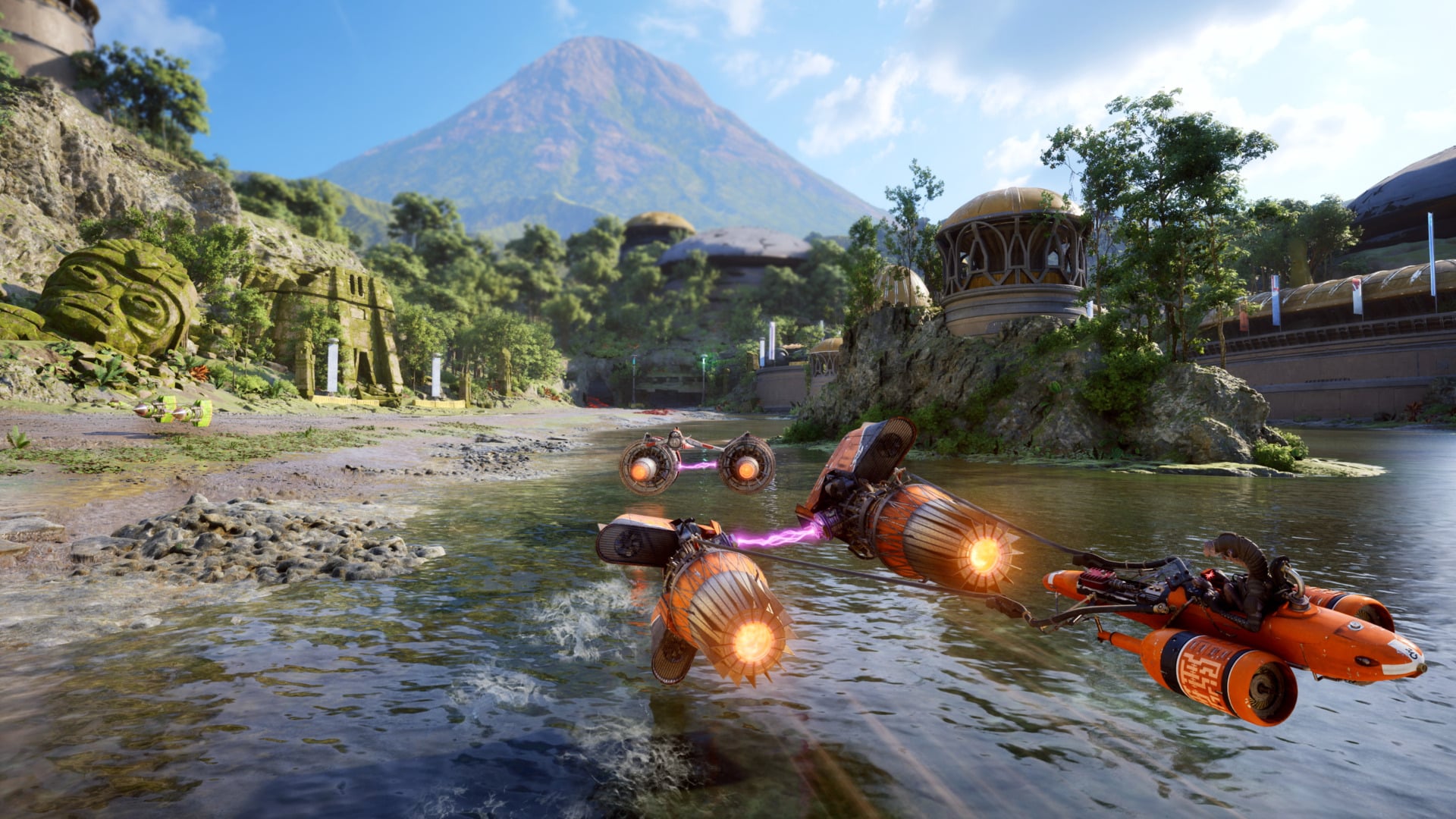
The Galactic League itself is structured around a Slay the Spire-like map of cascading nodes. Each randomized node will have different racing parameters and rewards, giving players some agency over how they attempt to make it through the League. Progress takes them from the sandy wastes of Jakku to the tropical forests of Lantaana, the frozen vonium mines of Ando Prime, and beyond. As players make their way through various Races, Eliminators, Field Tests, and Mystery Encounters, they obtain new resources for outfitting their vehicles. Lose a race and it’ll cost you a League Token. Once you’re out, you go back to the beginning. The roguelike structure means being able to build into different racing styles and discover new events across the three-act campaign, even if you’ve already completed it.
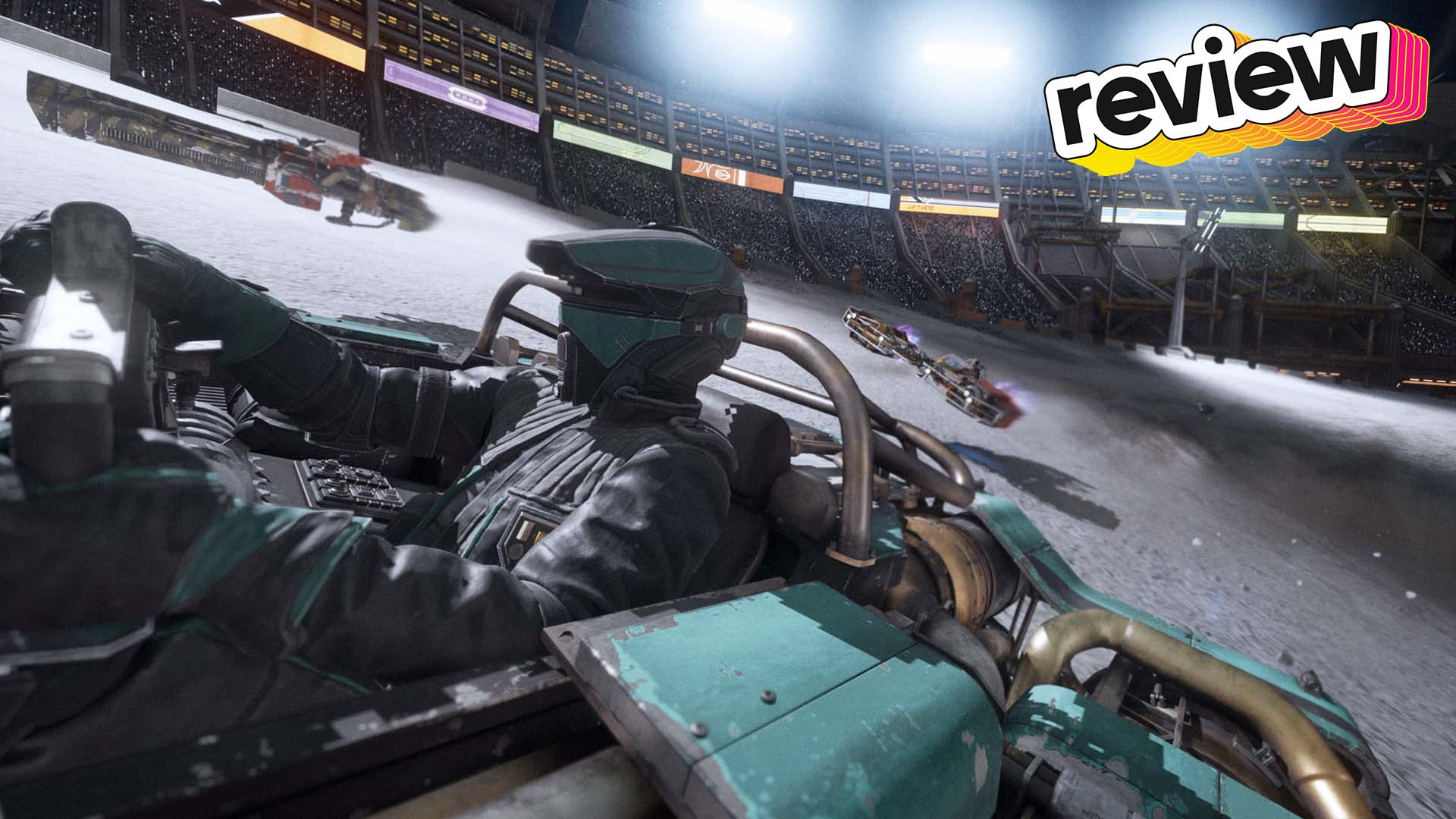
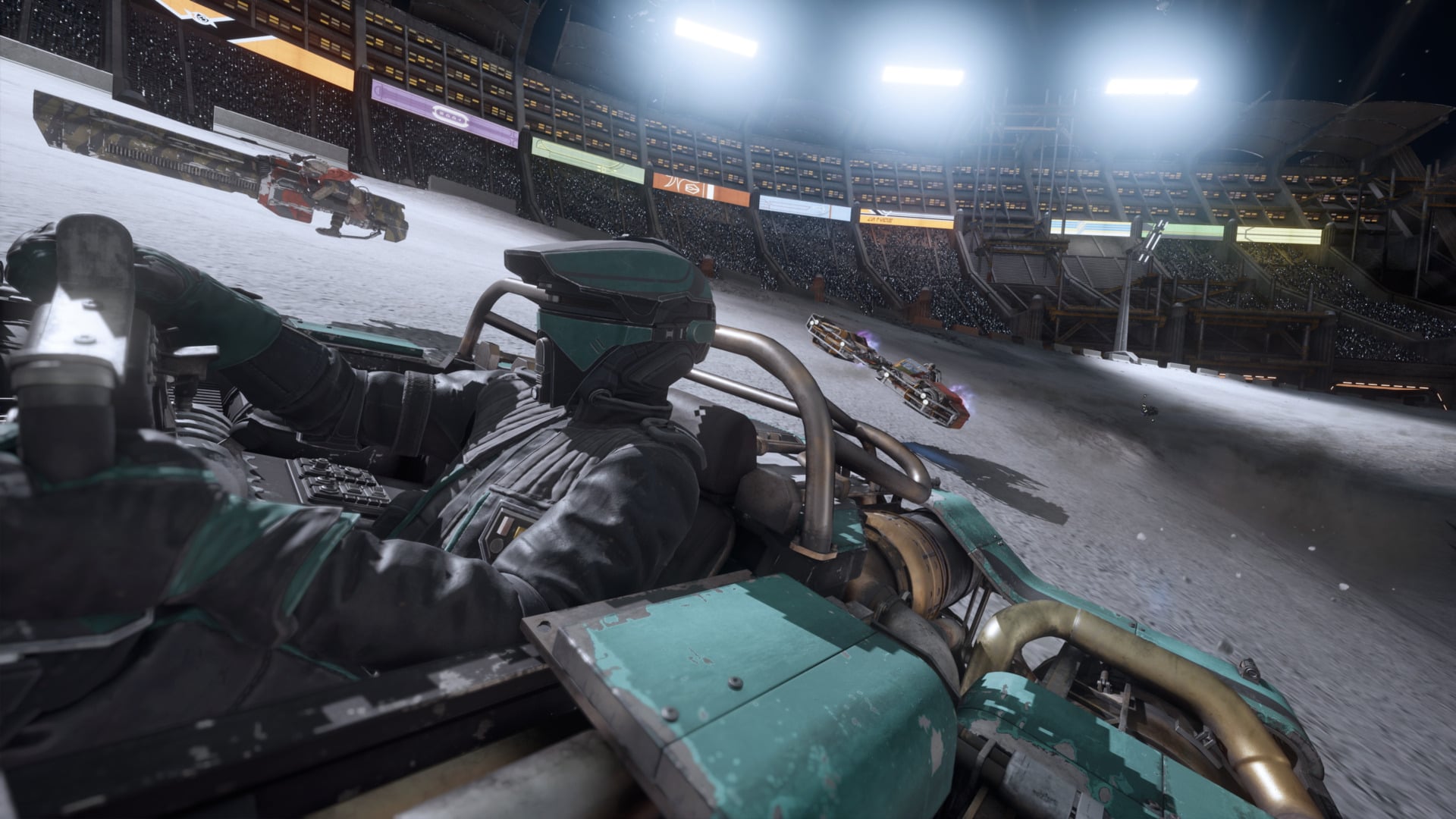
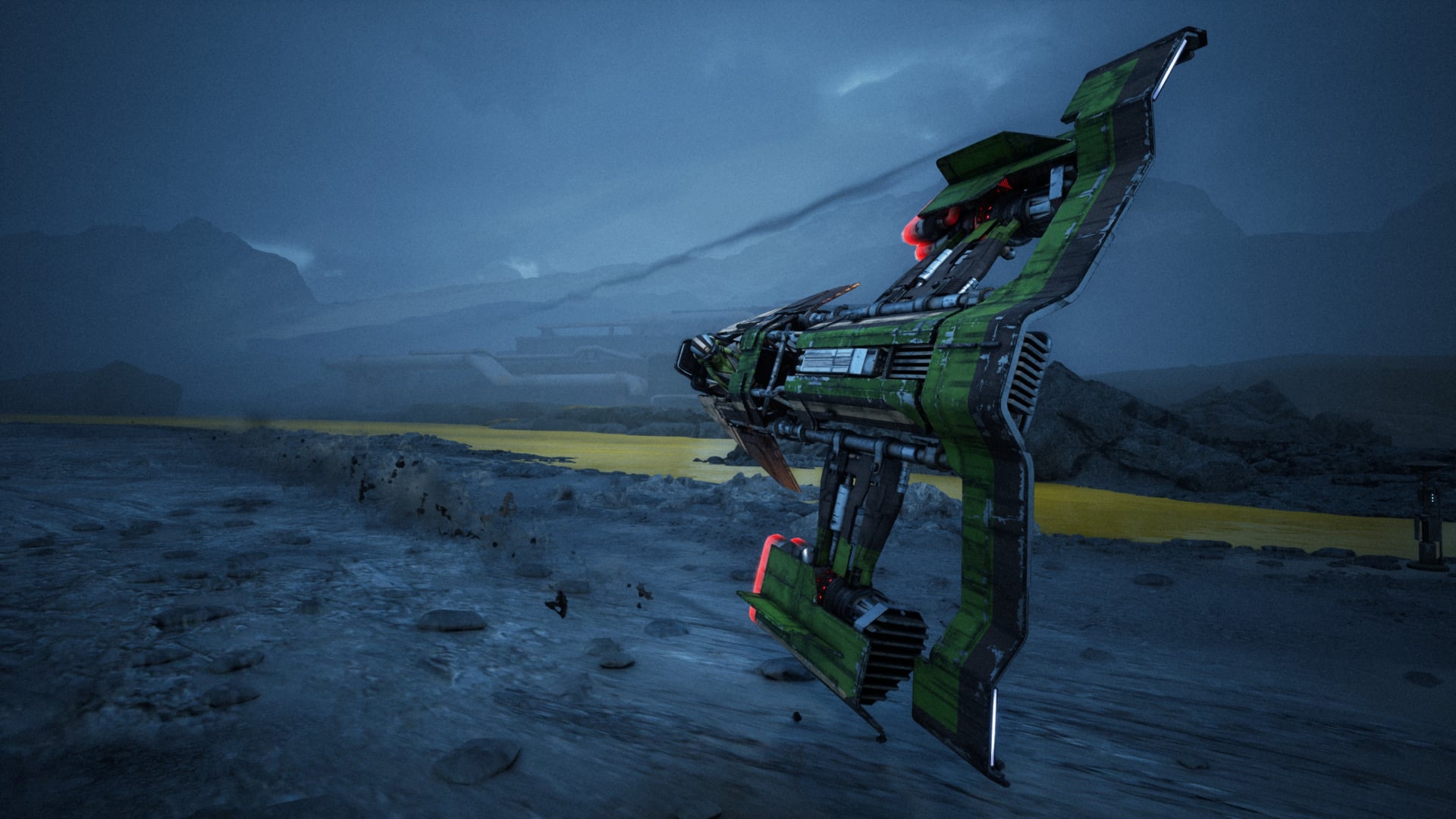
You probably want to hear about the races themselves. They are fast and unforgiving. The hover-feel as you glide over the surface of different biomes is superb. The crashes when you drift too aggressively before the course cuts into a narrow canyon are glorious. Crash too many times and you automatically forfeit, providing an extra layer of stakes to the risk-reward analysis of every overly aggressive maneuver. Play it safe and you might be able to finish third but at least you won’t crash out completely. Try to ram those last two opponents off the course, and you might be able to earn extra rewards to give you a much-needed edge in the more challenging races ahead.
Most racing games, even of the arcade variety, give you very few inputs to play with. Accelerate and decelerate at the right times while tracing the optimal path and you’ll nail the course. Add drifting to optimize your speed curve and you have a third wrinkle to iron out. Liberated by its sci-fi setting, Galactic Racer isn’t shy about throwing a bunch more tools your way. There’s your standard boost which refills after a cooldown, but also a new secondary booster called the Ramjet. It deploys a secondary rocket that will let you speed up even more until you take your finger off the button, at which point it goes on a timeout. Hold it too long and you’ll burn out your engines. There are even certain upgrades that will give you bonuses for pushing the rocket to the breaking point before hitting that point of no return.
There are also modifiers you can activate to slow down opponents, like an ion pulse that will disable their abilities if you slam into them with it active. Or maybe you want speed boosts for perfect landings after flying over a cliff. Upgrades to stats like armor will make you survive longer, or you can go class-cannon and live on a prayer that the Force will carry you through the next tight squeeze unscathed. It’s hard to know from just 60 minutes whether Galactic Racer has the depth of buildcrafting and upgrades to hang with the best roguelikes, but it’s certainly laying a lot of potential on top of some very sound fundamentals.
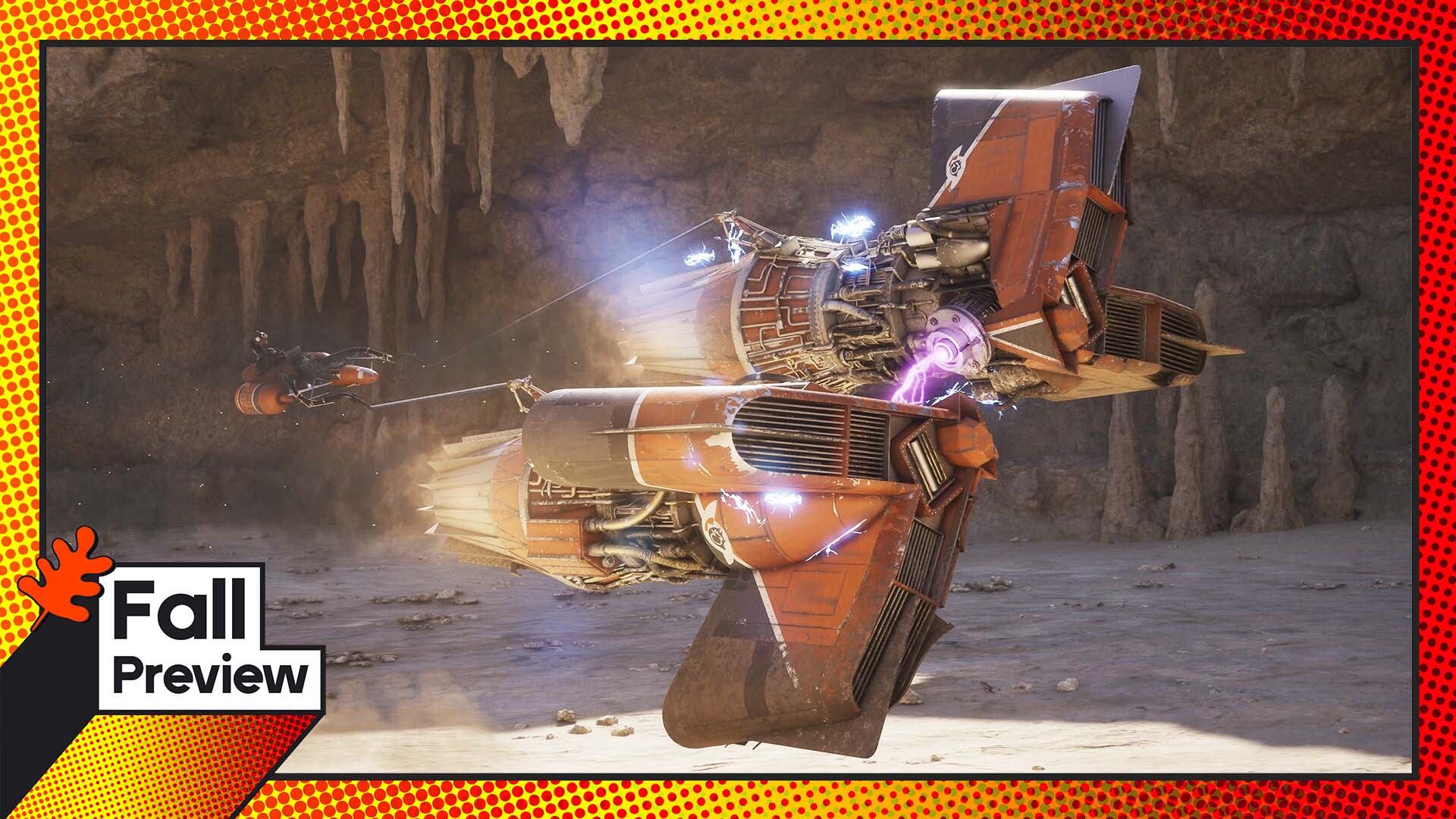
In addition to the three main vehicle types—Landspeeder, Speeder bike, and Skim speeder—there are of course podracers. Those will be in the main campaign as well, but I only experienced them in the arcade mode, a curated list of specific courses and vehicles to choose from. Another mode is called Scenarios and includes a bespoke series of unique, story-based challenges. And of course there’s a multiplayer mode. You can have 12 people on speeders or up to eight for podracing. Galactic Racer isn’t an open-world racing game, but it is promising a robust set of content for an otherwise traditional arcade-style racing game when it launches at $60 on PlayStation 5, Xbox Series X/S, and PC on October 6, 2026.
Based on what I played, that could be more than enough. Fuse Games is setting Galactic Racer up to be part story-driven Star Wars experience, part classic-feeling arcade game, and part millennial nostalgia pull. If it can be more than the sum of all three, it has a shot at being something really special.