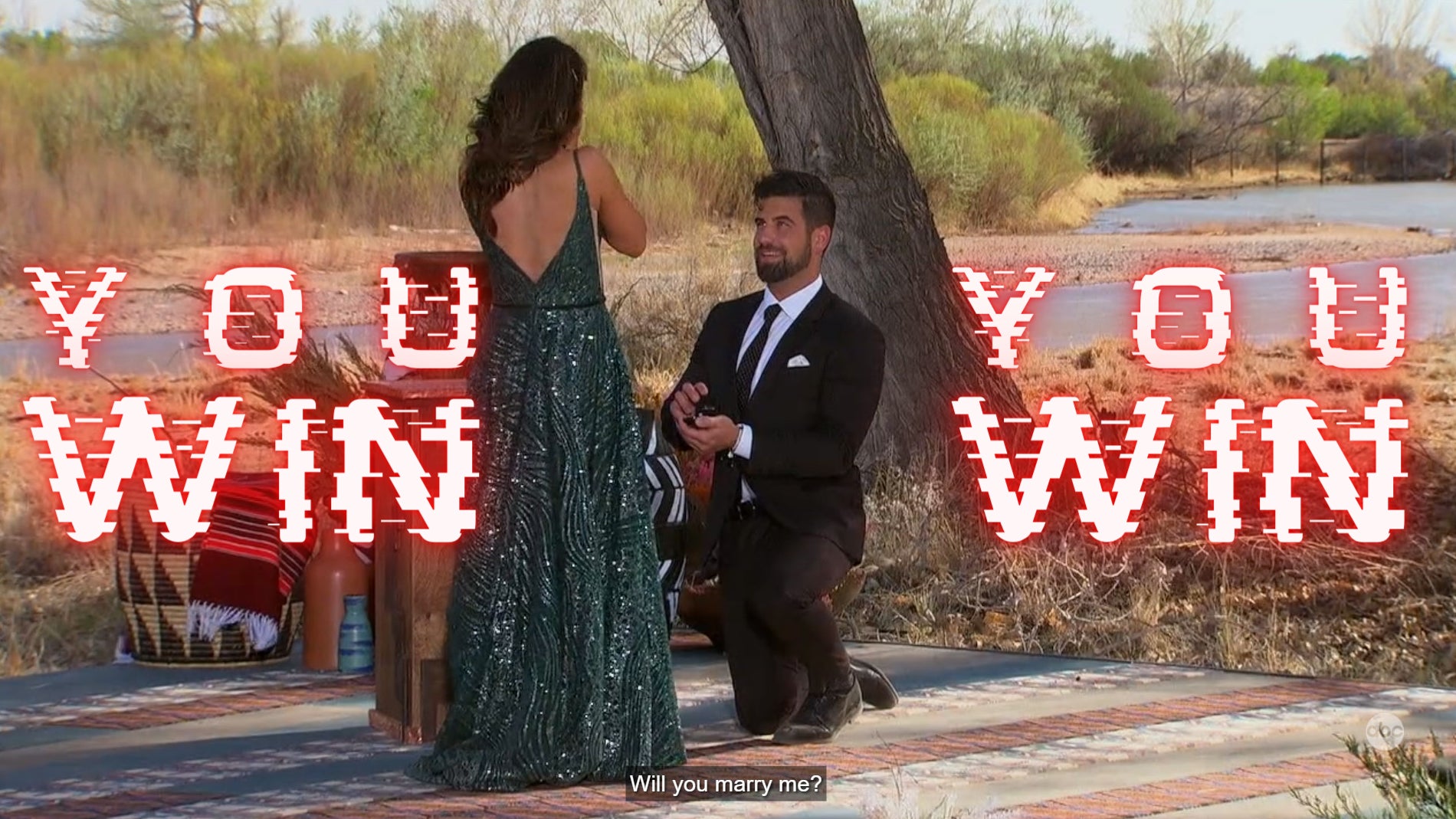
The Bachelor is one of the biggest reality television franchises in the world, and like nearly everything, it can be gamed.
The Bachelor franchise, which consists of multiple dating shows dating back to 2002, doesn’t want you to think of its shows this way. The fantasy is supposed to be that people would risk it all for love, and treating it like a game ruins the idea. Still, the contestants—or players, if you will—usually end up telling on themselves. Often, a player will slip and refer to making progress on personal relationships or being the Bachelor or Bachelorette’s final choice as “winning.” Even more frequently, contestants will say they were “eliminated” rather than broken up with. And along the way, players usually strategize optimizing their screen time to further their standing in the game, or ingratiate themselves among fans who may follow them online. But that’s just the start.
The podcast Game of Roses, hosted by Chad Kultgen and Lizzy Pace (who go by BachelorClues and PaceCase, respectively), captures the gamification of the dating show even further with weekly breakdowns of the show and the contestants, sometimes even after they’ve left the screen. The podcast offers stats like rose quotients, which assigns numeric values to how each contestant places that week as they continue throughout the season.
Bachelor Nation, meanwhile, which includes the players and the fandom, holds watch parties religiously. They devise betting pools to predict who will make it to the end, and some go further and play inBachelor fantasy leagues. Fans root for certain players and analyze the tactics each person makes, whether they realize it or not.
“It’s like watching a football game,” Kultgen tells Kotaku. “I would go over to my friend’s house on Sundays, we have some beers and grill and watch a bunch of football games. And then Lizzy and I started watching The fucking Bachelor on Monday nights. And I’m like, it’s the exact same fucking thing. It’s just a different sport.”
There’s a heightened level of passion when looking at The Bachelor as a game. The lexicon us fans use to talk about the show rivals the in-depth Wikia pages of complicated games. The Game of Roses fandom has ended up with a ton of different terms for observed repeated patterns. Dates, for instance, generally follow specific frameworks, but we also like to talk about things like limo exits, and “hujus”—running jump and hug combos popular in the show. Anticipating all of this actually makes every episode more exciting. A game can be analyzed and broken down. And that’s exactly what most people do while watching reality TV, even if it seems frivolous.
To wit: The Game of Roses duo also has a book coming out next January called How to Win the Bachelor that goes further into the gamification concept, complete with stats, a historical Bachelor record-keeping for seasons, and a glossary. Since launching in mid-2019, the podcast and its way of talking about the show have become ingrained in the fandom.
It’s easy to get sucked in because nearly all of humanity dates. The Bachelor, and all of its iterations, including The Bachelorette and Bachelor in Paradise, is just an intense speedrun of dating. Players go from meeting to getting engaged within weeks. Game of Roses takes those “runs” and analyzes the patterns of Bachelor players and the beats they hit. Players raise their “love levels,” going from liking someone, falling for them, and eventually finding love with them. IRL, we may not differentiate our levels of attraction to such an extent, but most of us still bundle affection with the idea of progression when we talk about personal histories. Love and romance have a variety of tacit rules which we all know.
And as The Bachelor has defined and perfected its elements of gameplay across the years, like the pacing for giving out roses, so do the players. The Bachelor has entered what can be described as “The Professional Era,” as it’s called by GOR fans. Initially, the early seasons’ show structure changed as things went along, with producers tweaking details to make for the best possible TV. But one moment during the 24th Bachelor season changed everything. In it, contestant Hannah Ann Sluss speaks with Madison Prewett, another player. Prewett is upset about “Fantasy Suites,” the part of the game where the Bachelor or Bachelorette has an uninterrupted no-camera overnight date with the final three contestants. Sluss tells Prewett, “We know what we signed up for.”
“That, for us, is the thing we call the ‘Slussian Protocol,’ which is basically that any incoming player understands the structure of the game,” Kultgen says. “With that idea that we know what we signed up for means every incoming player now knows that this is a fucking game, those that that’s around us, and should be prepared for it.”
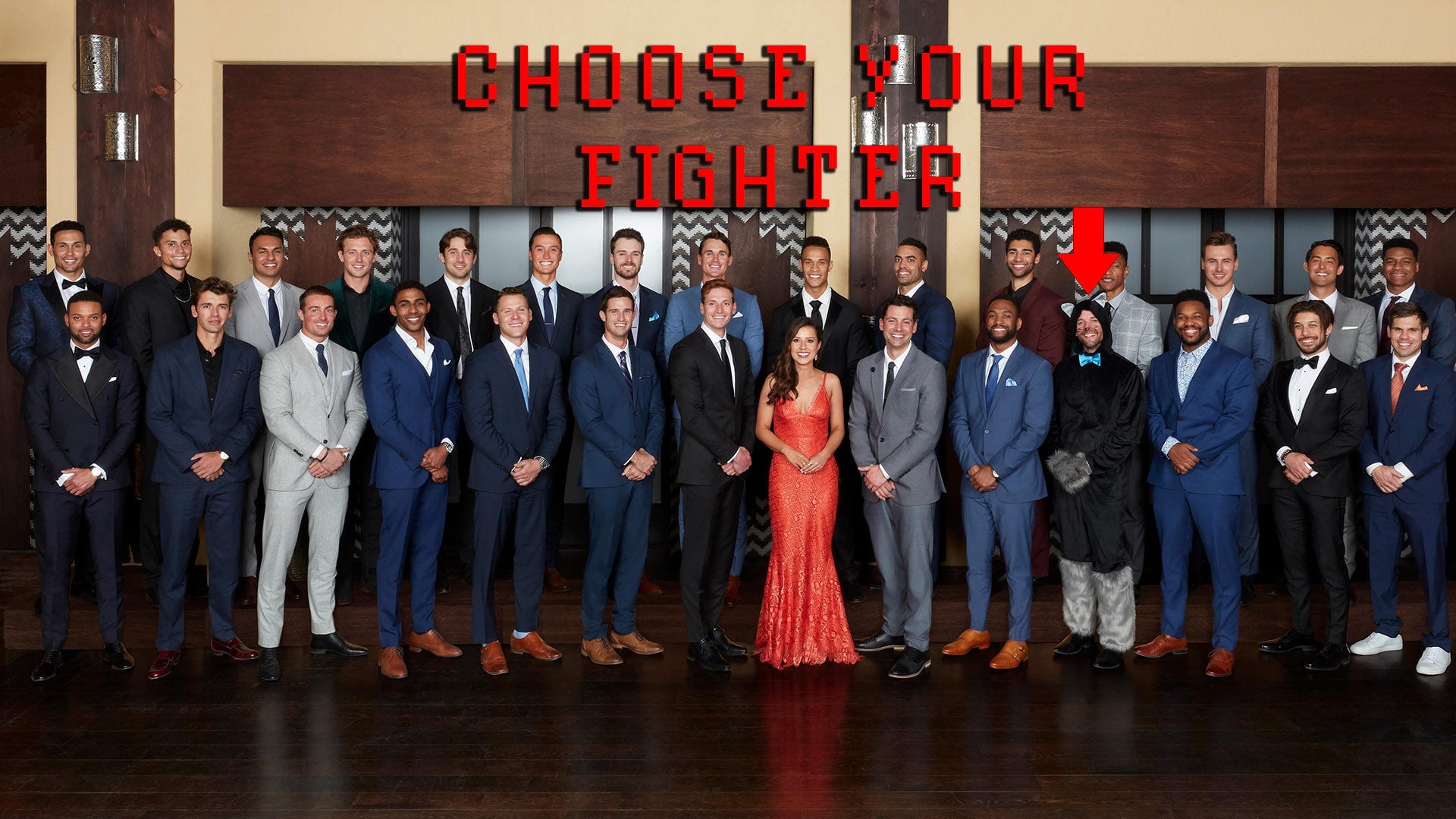
And that understanding of the wider metagame surrounding The Bachelor isn’t limited to expecting shady producer edits that guide the storylines. Nor is it restricted to the weirdness of the premise itself, which offers that it’s possible, likely even, to find your spouse by dating 30 people at once. The Bachelor has become so formulaic over the years that even the date ideas, individual episodes, and the actions of everyone involved can be anticipated in advance. Here’s one example. Game of Roses defines some as the “Forced Violence Date,” in which players have to compete in some physically demanding way, be it boxing, mud wrestling, or some obscenely dangerous combination of basketball and rugby. All so the player can “prove” their love.
You might think that knowing what’s going to happen or how makes the overall game boring. But you would be wrong. Now that players “know what they signed up for,” as Sluss put it, they can focus on crafting better schemes and strategies rather than blindly reacting to what’s been thrown at them. It becomes less about the shock inherent to the crass nature of some reality TV shows, especially when it comes to awful date ideas, and more about how each player conducts themselves in it. And the more seasons repeat the same archetypes, the more history is accrued, and the more charged any specific portion of the show becomes.
Are the players cocky and confident or shy and less aggressive on these dates? Might they toy with your expectations in some way? Players get to show off their personalities while being less affected by the psychological minefield of this show. In turn, we can see more of ourselves in them, making us care more for our favorite players. We saw this play out on the most recent season of The Bachelorette, where the two frontrunners Blake Moynes and Greg Grippo showed off wildly different personalities and play styles. Moynes’ bombastic chemistry with lead Katie Thurston contrasted with Grippo’s quiet and almost mopey presence for most of the season. Having clearly defined characteristics also leads fans to rally against one or the other falling into the “Blakes Bitches” or “Grippo’s Girls” camps.
Pace emphasized that the best players, both in-game and in the arguably more important social media space, are likable and charming. Villains might make good TV for the first few episodes, but they don’t tend to get far in the game of love.
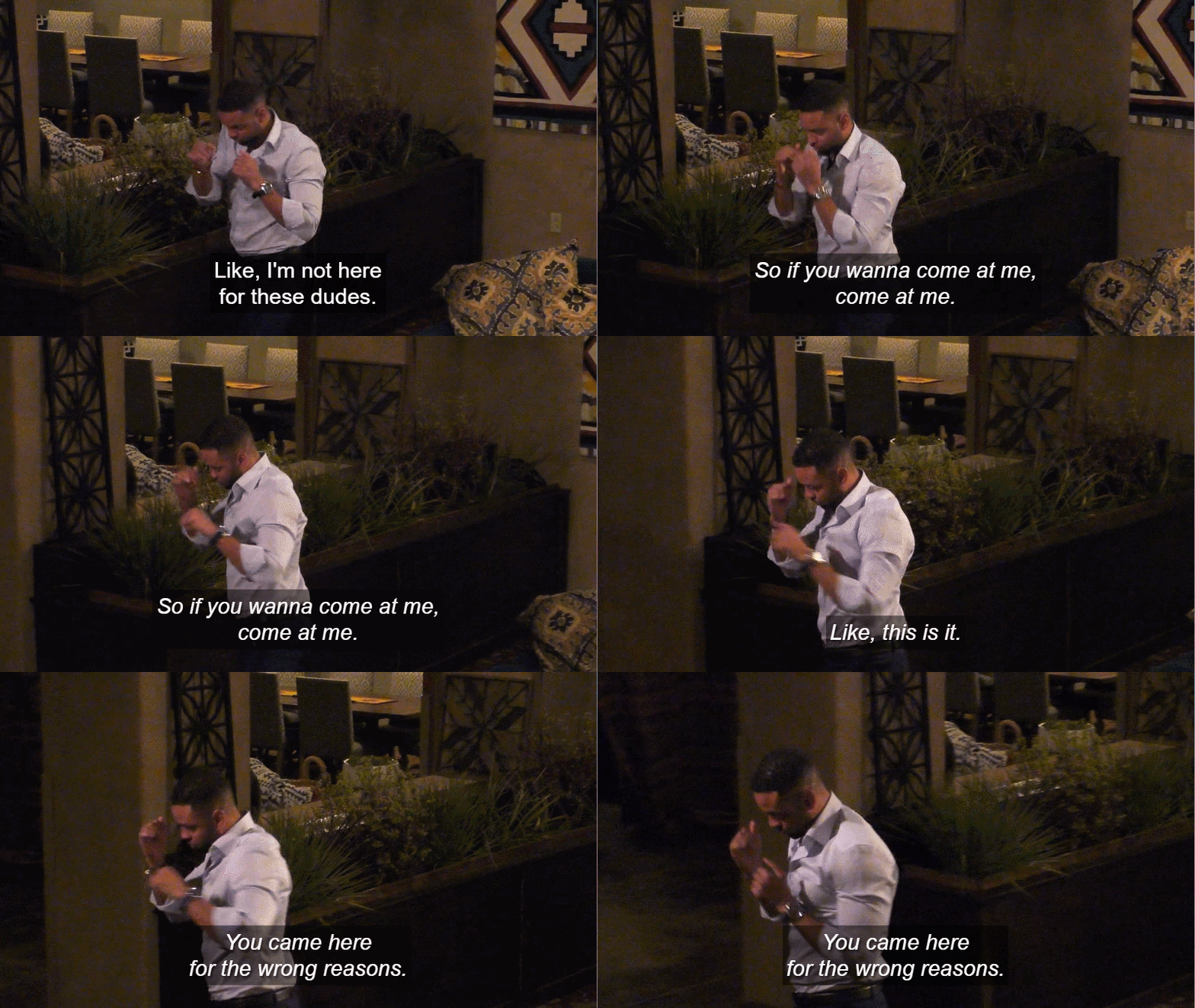
This burden of self-awareness has persisted throughout the franchise’s lifetime. While most viewers understand that reality TV isn’t real-real, it’s still easy to wonder if the contestants are in it for the “right” reasons (love!) or if they’re just in it for themselves. I doubt anyone is watching The Bachelor and expecting something truly authentic, but the line between antics, emotional manipulation, and the truth is always fuzzy.
“The larger game that we’re all playing,” Kultgen explains, “is the game of celebrity, the game of fame. We now exist in this world where social media is all that matters, your level of things, all that matters,” Kultgen says, acknowledging that being on the Bachelor boosts participants’ clout online. “That’s how you’re going to generate an audience. That’s how you’re going to be able to get jobs, sell products, make your money.”
Thus, the metagame is born. Winning once meant being the last one standing and getting the ring or engaged before likely breaking up shortly after the show ends. Today, that isn’t even the most desirable prize, not when there are other shows to appear on. Winning means your fifteen minutes of fame largely ends at the season finale. But appearing on Bachelor in Paradise if not becoming the next Bachelor or Bachelorette yourself, means that fans can keep rooting for you to find love, which is much more advantageous.
The Bachelor probably shouldn’t be as successful as it is. It’s pretty archaic in foundational ways, and it provides the same product with different faces year after year. But like a longtime Call of Duty or Assassin’s Creed fan, it’s hard to pull yourself away even if it is the same game year after year with a different skin.
[Correction 8/13: The start of the Professional Era has been adjusted.]