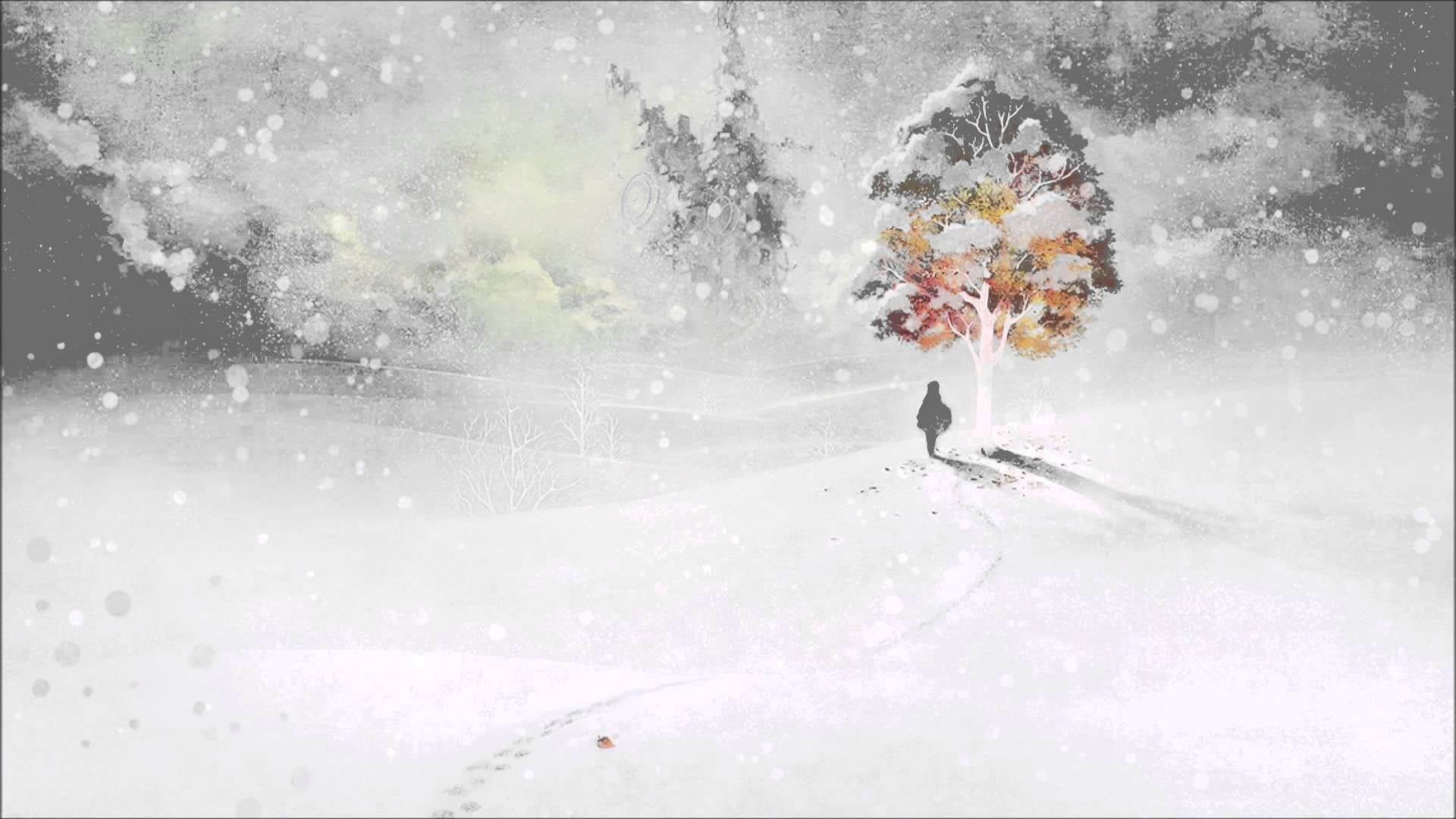
The ever-present snow in I Am Setsuna gives life to cute snowmen with askew smiles. They may be found tucked away in corners of quiet villages, near wells or behind NPCs’ houses. The snowy scenery is just one charming aspect of its world. But the game’s not all a wonderland.
During my first few hours with I Am Setsuna, there was nothing that truly excited me. By the end of the journey, that’s largely how I felt as well. With a combat system that pays tribute to Chrono Trigger, Setsuna is designed to evoke nostalgia from an era of games that mostly bypassed me until later in life. At its core, the story borrows from Final Fantasy X
On paper those ideas sounded like wonderful, sure-fire hits as both games are ones I immensely enjoyed. In actuality,Tokyo RPG Factory’s first game, left me with mixed feelings.
https://kotaku.com/i-am-setsuna-the-kotaku-review-1783885886
My lukewarm reactions come from some things that Setsuna does, which surprisingly, I should technically be appreciative of. For example, things move relatively rapidly in Setsuna, with character introductions and story arcs proceeding without overstaying their welcome. It’s a fairly short outing that doesn’t get bogged down with unnecessary plot points or long dungeons. Those are good things for its smart approach to some JRPGs’ useless padding but its brevity also felt that its characters suffered for it.
One of the charms of many JRPGs are the character moments that feel unscripted. Take, for instance, Final Fantasy VII’s theatrics of the Play scene at the Gold Saucer. In that scene, Cloud and Aeris became the lead participants, where you’re given the choice to accuse the NPC actor playing a Knight of being the play’s dastardly villain (when he clearly is not).
For as aloof as Cloud was for much of Final Fantasy VII, it’s one of many moments that gave the game and Cloud, a little bit more personality. The alternate choices are compelling lures to act out that scene absurdly. But even if choosing to play the scene as rigid and ‘correct’ as possible, the other actors surrounding it make for a ridiculous bit of humor that enriched the game’s world for having lighthearted qualities.
It can be argued that Setsuna’s world does not allow for any ofthe normal pleasantries in other games. The world is in a constant state of suffering but it didn’t need a Gold Saucer to give more life to its characters. Particularly when the optional spritnite (special items that allow magic and tech combat usage) sidequests at the end of the game do more to flesh out their stories in interesting ways.
https://kotaku.com/q-a-i-am-setsuna-director-talks-feedback-snow-and-wh-1784829458
It’s true that Setsuna wraps up its story arcs neatly and gives many of its core characters interesting enough backgrounds and motivational purposes. They strengthen their resolve as the story progresses but these moments of growth also feel restricted because there are no story deviations or real opportunities in which they interacted with each other outside the confines of their mini story arcs, which resulted in ‘by-the-numbers’ tales. Even their involvement with each others’ stories cast them in roles to be observers to each others’ plights and not much more. Character interactions largely felt rigid.
I can’t help but feel that sometimes silly sequences, like so many in Chrono Trigger or Final Fantasy VII as examples, are needed to bring out more in a story, and can be done without betraying the tone of a more serious narrative. Funny moments and thoughtful moments can both exist in a game, be memorable, and still tell a narrative effectively. If anything, those moments lend strength to both characters and story and makes the solemn parts even heavier.
In Setsuna, characters are bound by their background stories which do not allow them much dimension, other than making them feel as they’re solely defined by their individual tragedies.
Don’t misunderstand—Setsuna had some lighter moments, particularly with Nidr’s and Kir’s relationship. Kir played a young foil to Nidr’s status of an “old” man, and their fights consistently engaged this back and forth banter. I especially loved the inclusion of characters’ visualized reactions represented by oversized exclamation points hanging over their heads or their pronounced sweat drops, accompanied by adorable sound bytes. But their conversations were a part of the act—tried, true and expected things that largely played it safe.
Other times, lighter moments came across as inadvertent inclusions. There’s an NPC character who gets knocked down by Julienne, the stoic knight. The only word he mutters is Julienne’s name when talking to him after the incident, and he’ll remain in the snow until you need him. It’s only after some running around and story progression will your party bother to see what his deal is—not after witnessing such a heated exchange. It’s hilarious but mostly due to the fact that I projected a lot of emotion on to it. It’s a very game-like thing to do, isn’t it? Have NPCs only be important when your party needs to use them for their selfish reasons? It was probably done on purpose too, now that I’m thinking on it but probably not intentionally made to make me laugh as much as it did.
Then there’s Setsuna’s soundtrack.
https://www.youtube.com/watch?v=q-T0MdEC5wE
The gorgeous piano tracks are perfect for the wintry weather, and that special feeling that comes with snow falling peacefully to earth. The glowing lights atop Kir’s forest region on the world map are the best visuals to describe that emotion set forth by many of the piano compositions—understated, restful, and calming. But there are times in-game, when it gets to be just a tad bit overbearing.
Piano tracks peppered with more lively notes may rush into a relaxed scene—as with a monster attack happening unexpectedly, as just one example—making the tracks feel overwhelming and out of place. That’s largely the point in the case of the monsters but it’s not the only example of certain scenes dominated by this disjointed use of the soundtrack. The problem is that these transitions are often choppy, making the moments noticeable while playing the game which undermine the scenes and the music.
https://www.youtube.com/watch?v=57Nlo56FKOU
As standalone pieces and an overall listen, the soundtrack excels at what it does and again, it’s beautiful. The same can be said of their representations of the game’s overarching themes. But like the snow that never relents in Setsuna’s world, the majority of the music begins to blend into a sameness after spending extended periods of time in-game. It may very well be the point given Setsuna’s story of a bleak death cycle tradition which expands generations.
Many of these tracks also hint at the world’s underlying hopelessness and sadness under the playfulness. They’re amazing but lost when playing, only really recognizable when listening to them on their own and away from the game.
Despite my problems with the game, there are things I truly adore about Setsuna. NPCs’ houses have a comforting aura surrounding their fire lit ovens, and soups cooking on stove tops. The chefs’ claims about the simplicity of making the recipes I provide, almost makes me believe them. The curious item drops that range from squishy skins to broken pocket watches. A crafting system that made a hoarder out of me. The way the snow covers up my lack of creativity before I have a chance to carve my name into the game’s landscape. The pretty red leaves dangling just beneath a thick layer of the fluffy white beauty. These are some of the things that Setsuna does which makes the game quaint.
I can absolutely tell a lot of love went into this game, which makes it unfortunate that I can’t love it completely.