About Modulus: Factory Automation
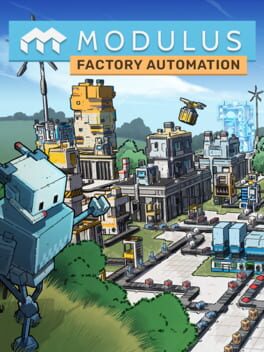
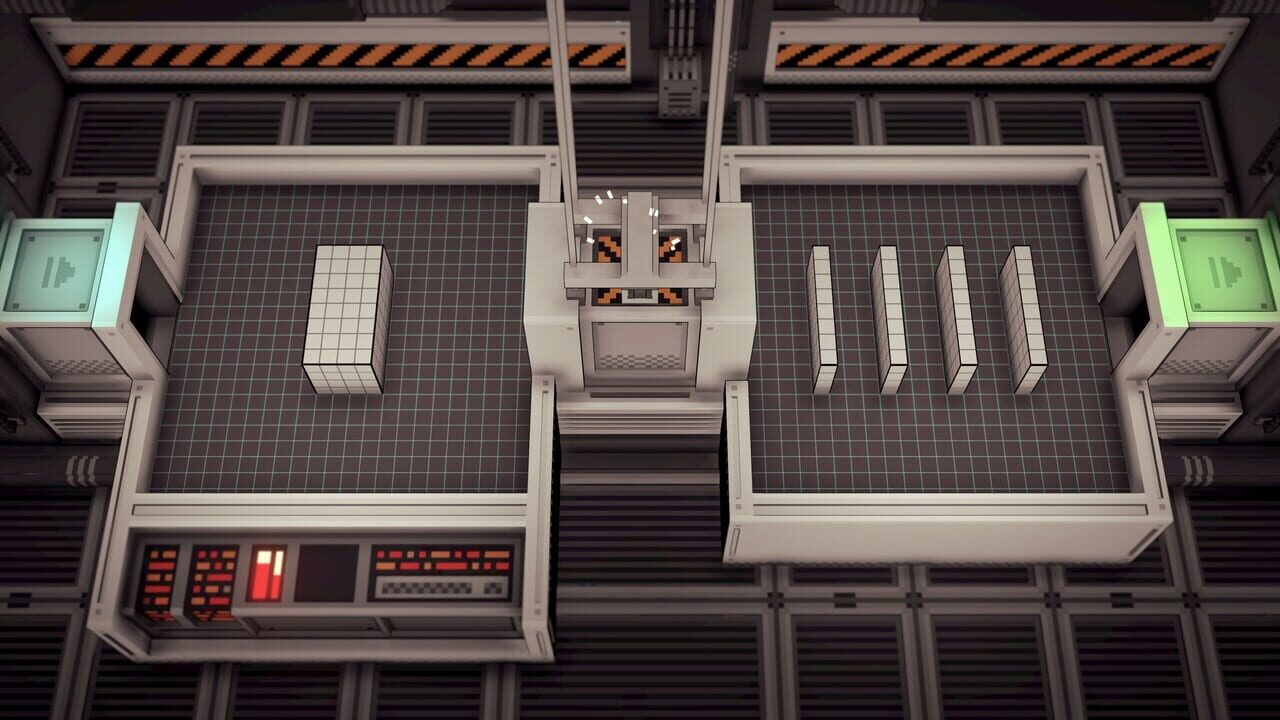
Modulus: Factory Automation is a single-player building and automation game that puts a creative spin on the factory management genre. Rather than simply connecting machines to produce resources, you manufacture the building blocks themselves. Each module must be cut, painted, stamped, or assembled to meet specific requirements, turning every production line into a puzzle you can solve in different ways.
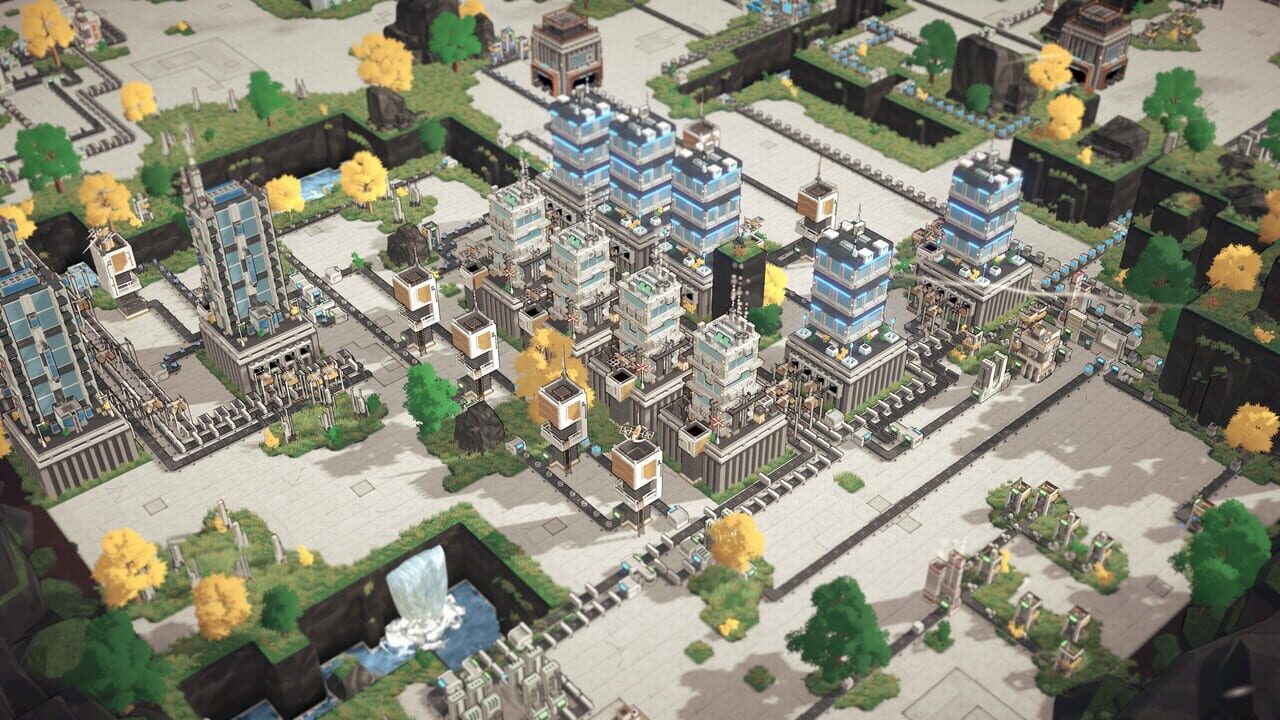
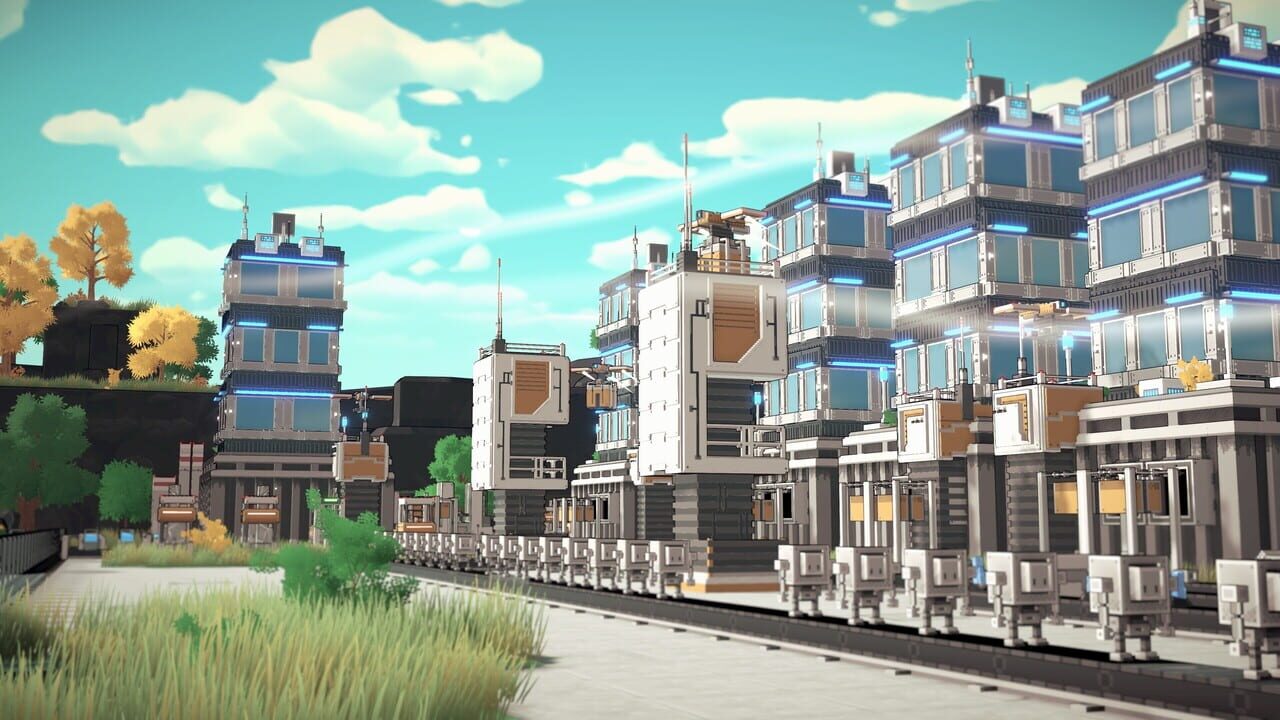
Set across floating sky islands, the game challenges you to make the most of limited space while expanding your industrial operation. You'll need to decide where machines should go, how conveyor belts should run, and how each stage of production connects to the next. A layout that works at first might become inefficient as demand increases, so refining your designs is an important part of the experience.
Modulus also takes a more relaxed approach than many factory simulators. There are no enemies to fight, timers to beat, or money systems to manage. Instead, the focus stays on experimentation, problem-solving, and creating efficient production lines. If you enjoy building intricate systems but prefer a quieter experience without constant pressure, Modulus offers a different way to approach factory automation.
Why Should I Play Modulus: Factory Automation?
The main attraction of Modulus is its modular production system. You're not just gathering materials and sending them through machines; you're shaping the components that your factory needs to produce. Cutting, painting, stamping, and assembling modules introduce several stages to each production process, and you'll need to organize them carefully to meet changing requirements. There isn't always one correct solution, so you can experiment with different layouts and decide which approach works best.
Factory design is just as important as the production process itself. The sky islands have real spatial constraints, meaning you can't simply spread machines across an unlimited flat surface. You'll need to think about the available space, the distance between operators, and the routes your conveyor belts take. A compact layout might save room but create awkward connections, while a larger arrangement could make production easier to follow. Finding the right balance gives the game much of its strategic depth.
The game also encourages you to keep improving your designs as the colony's demands evolve. New requirements give you reasons to revisit existing production lines, reorganize machines, and find more efficient ways to manufacture modules. The technology tree provides a sense of progression as you expand your capabilities, while the visual presentation makes it satisfying to watch your factory operate. You can build something functional and then refine it until the layout feels clean and efficient.
Modulus is particularly appealing if you enjoy creative problem-solving without combat or strict time limits. You can concentrate on the systems in front of you rather than defending your base or racing against a countdown. It's still a game about optimization, but the pressure comes from working out better solutions rather than surviving constant threats. The free demo is also a useful way to try its core mechanics before deciding whether to buy the full game.
Is Modulus: Factory Automation Free-to-play?
No, Modulus: Factory Automation is a paid game. However, a free demo is available on Steam for download, allowing you to test the factory-building mechanics before purchasing the full version.
Where Can I Download Modulus: Factory Automation?
Modulus: Factory Automation is available for Windows PC through Steam. You can purchase the full game or download the demo from its Steam store page. The game supports single-player gameplay, Steam Cloud saves, achievements, and trading cards.
What Games Should I Play If I Enjoy Modulus: Factory Automation?
Satisfactory is a good choice if you want factory automation with a greater sense of exploration. You build production lines across a large 3D alien world, gather resources, connect conveyor belts and transport systems, and expand into increasingly complex manufacturing operations. Unlike Modulus, it gives you a first-person perspective and a much larger environment to explore. It's ideal if you enjoy optimizing production but also want to discover new locations and gradually build a sprawling industrial network.
Factorio offers a more technical approach to automation. You begin with basic production and gradually develop enormous interconnected factories, using conveyor belts, trains, and complex logistics systems to keep everything running. You also need to defend your operation against hostile creatures, adding pressure that Modulus deliberately avoids. Choose Factorio if you want deep production planning and enjoy managing increasingly complicated systems.
Shapez 2 is probably the closest match if the part of Modulus you enjoy most is transforming components through carefully arranged machines. It focuses on extracting, cutting, rotating, stacking, and painting geometric shapes to meet production goals. Its factories can expand across multiple levels in space, giving you plenty of room to optimize layouts and transportation. Like Modulus, it emphasizes automation and problem-solving over combat, making it an excellent alternative for players who prefer relaxed, design-focused factory games.