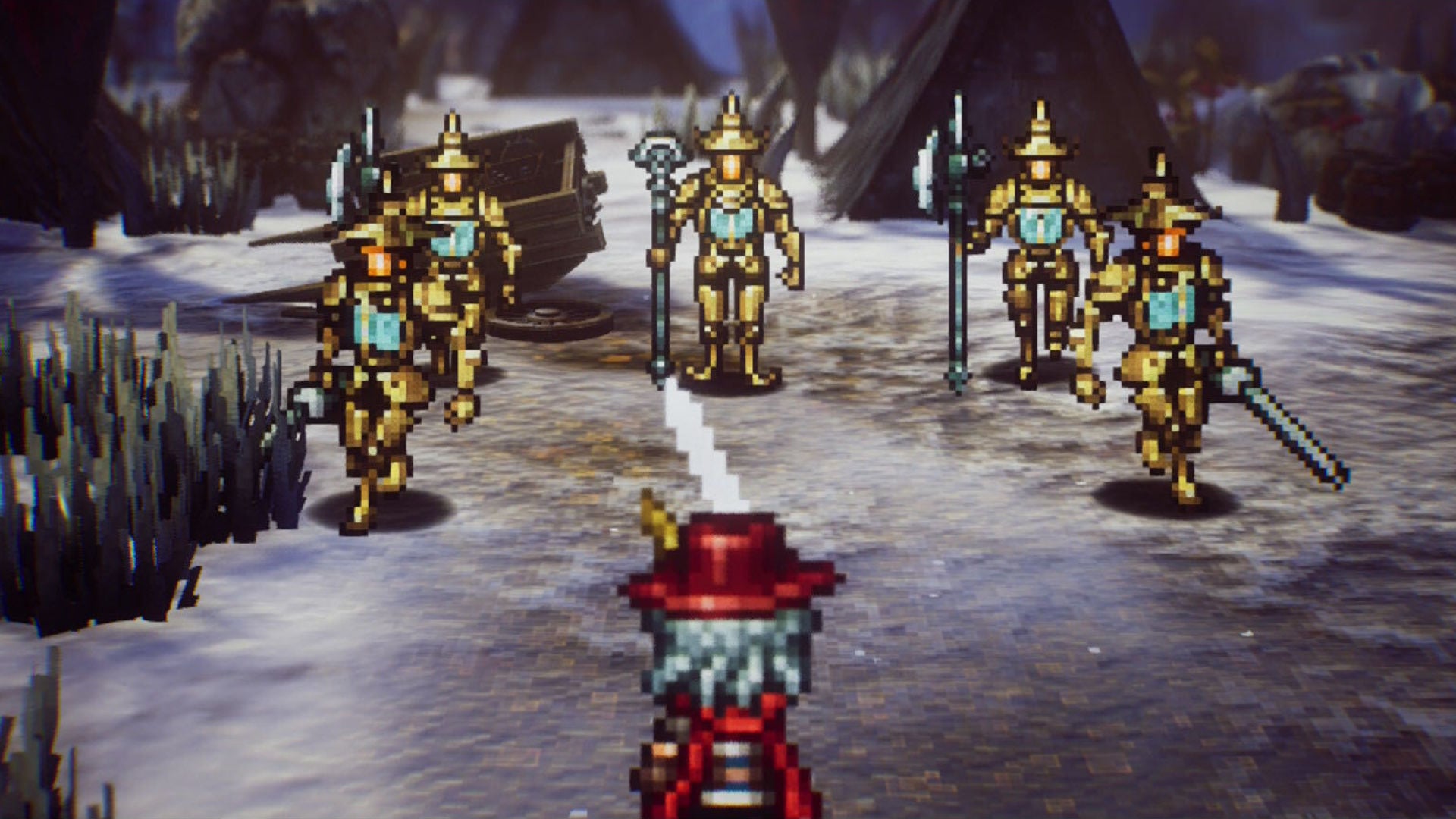
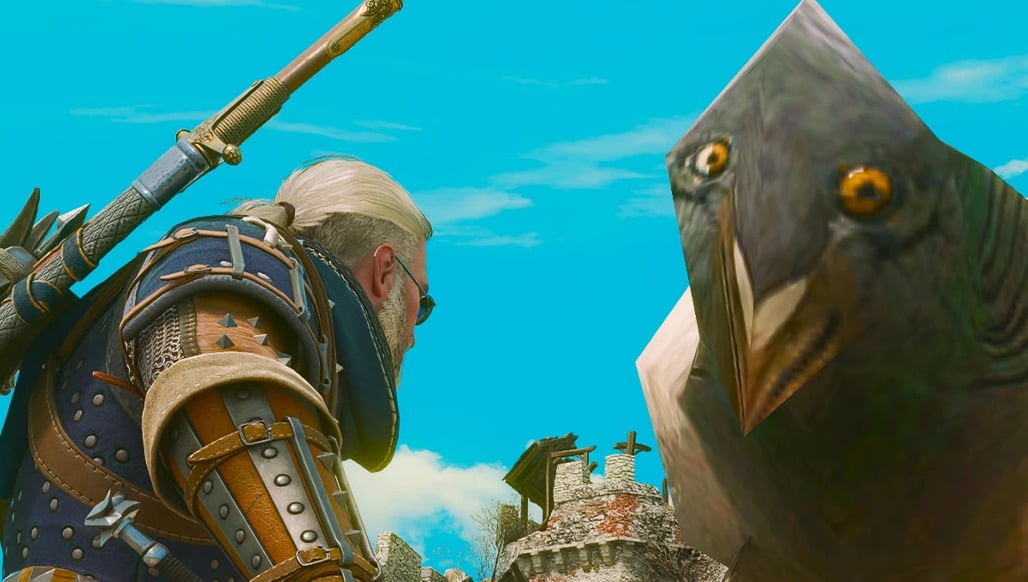
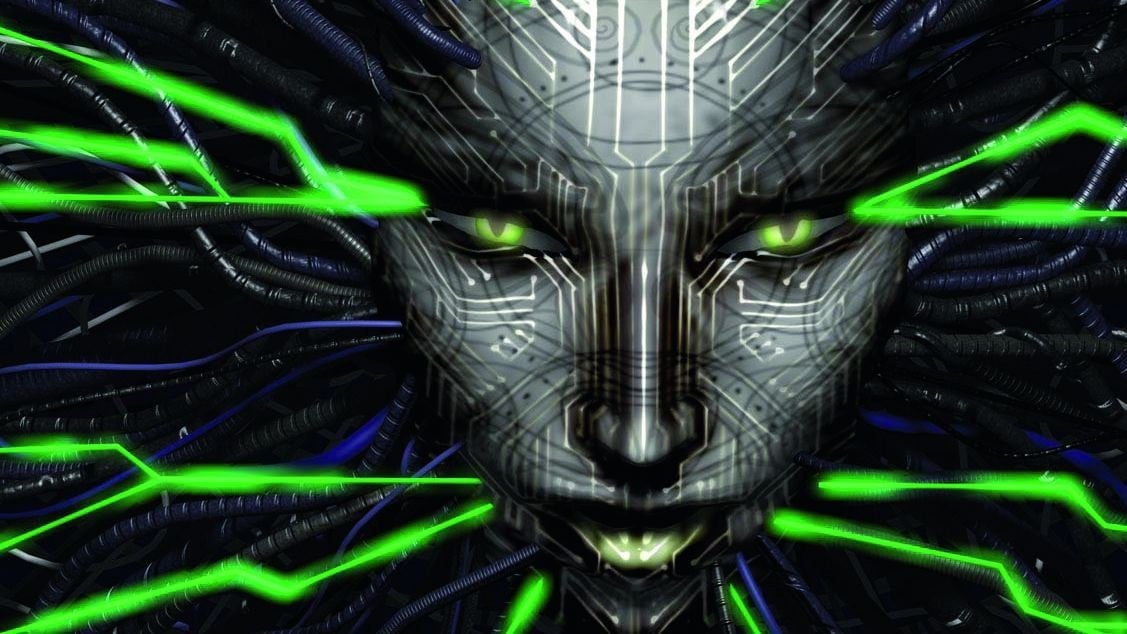
I spend too much time, at least for someone with only 33 years on his odometer, thinking about legacy. I find myself overly concerned with what I’ve accomplished and what I’ll leave behind, especially in comparison to other people—both successful and otherwise. As such, while playing FromSoftware’s Elden Ring over the last month, I couldn’t help but pore over studio president Hidetaka Miyazaki’s biography, if only to feel a little worse about myself.
Miyazaki started his career in game development relatively late. But by the time he was 33, he was already working as director on Demon’s Souls, the PlayStation 3 classic that created the oft-imitated Souls-like pseudo-genre as an enduring facet of gaming history. Since then, Miyazaki’s established himself as the creative genius behind FromSoftware’s biggest projects, including Dark Souls, Bloodborne, Sekiro: Shadows Die Twice, and now Elden Ring, which released for every major gaming console (apart from Switch, which can’t typically handle such vast games) on February 25. I’ve since spent more than 90 hours journeying through Miyazaki’s sub-conscious, and let me tell you, it can be a pretty weird place
Elden Ring is an inevitable climax in Miyazaki’s legacy. It’s this massive, sprawling thing that borrows from, quite literally, every FromSoftware project that came before it. The game is (and I’m sorry in advance for saying so) Dark Souls meets Breath of the Wild. I barely know where I’m going or what I’m doing half the time, but the experience isn’t so unwieldy that it overwhelms with its many options and systems. Elden Ring mostly stays out of its own way, giving you the gentle nudges in the direction of cool stuff while also providing little resistance should you choose to forge your own path, a complete package neatly wrapped in the expected ambiguity of traditional FromSoftware design.
I’ve long since made peace with the fact that reviewing Elden Ring—that is, providing an adequately thorough accounting of my time with the game—is nigh impossible, at least with my limited skillset. How do I make you feel the way I felt every time I encountered a merchant or enemy creating the most mournful diegetic music I’ve ever heard in a video game? What words can I use to bestow the same soothing nostalgia that rushed over me the first time I hit a wall with my weapon and it finally faded away to reveal a hidden path? How do I spell out the perfect onomatopoeia to capture my reflexive groan when I was ambushed by a nest of smoke-spewing basilisks, immediately aware of their dangers from encounters in previous Souls games?
Everything in Elden Ring comes bundled with its own kind of friction, designed to rub you the wrong way until, finally, it rubs you the right way. And those rough edges cannot be sandpapered down without fundamentally changing the game’s entire raison d’être. Souls fans often make hay over the feeling of accomplishment that comes from overcoming the genre’s much-vaunted challenges, but it’s more than that. It’s like when my dad recently greased the hinges of an old screen door in my childhood home. The first time I opened it following his turn as a handyman, I fumbled with a brief weightlessness when I wasn’t greeted by the exact sound and sensation I expected. I heard nothing. I felt nothing. It was like I was in a void. All the texture, all the personality that door previously clutched in its creaking joints was gone, replaced by a whispery smoothness that hid its existence rather than adding flavor to the world.
That’s Elden Ring without the learning curve, a process that sees FromSoftware essentially throw players into the deep end and encourage them to swim for safety. Could the user interface be a little more descriptive? I suppose so. Could the devs make a concerted effort to further evolve the combat mechanics past the clunkiness of its predecessors? Sure, anything is possible. But personally, I don’t want a game that plays like every other game—it helps that I get a perverse amount of satisfaction from Elden Ring’s repetitive die-retry-die loop, of course—and it’s refreshing to see FromSoftware stubbornly maintain its decades-old conventions. Akin to a project that eschews modern sensibilities like high-definition graphics and smoother frame rates to achieve a specific aesthetic, Elden Ring wouldn’t be such a worthy successor to the Souls lineage if it didn’t kindly ask players to modulate themselves to its eccentricities rather than the other way around.
Mind you, Elden Ring isn’t the monster it and its predecessors are made out to be by diehards and detractors alike. The new, open-world structure feels like an intentional decision by FromSoftware to extend a fig leaf to folks who bounced off other Souls games, many of which were far more linear experiences than Elden Ring. Getting stuck on a boss in Dark Souls or Bloodborne, for instance, often meant slamming into the same brick wall over and over again until finally busting through bloody and bruised, whereas the Lands Between provide much more to see and do. Dozens of hours can be spent exploring the regions before the first major dungeon and its skill check of a boss, gathering loot and gaining levels until you’re overpowered enough to reduce Godrick the Grafted to a pile of amputated limbs with little effort. You can even skip the fortress entirely if you’ve decided you’ve had enough of his nonsense, a viable strategy for when you want to see what the rest of the game has to offer.
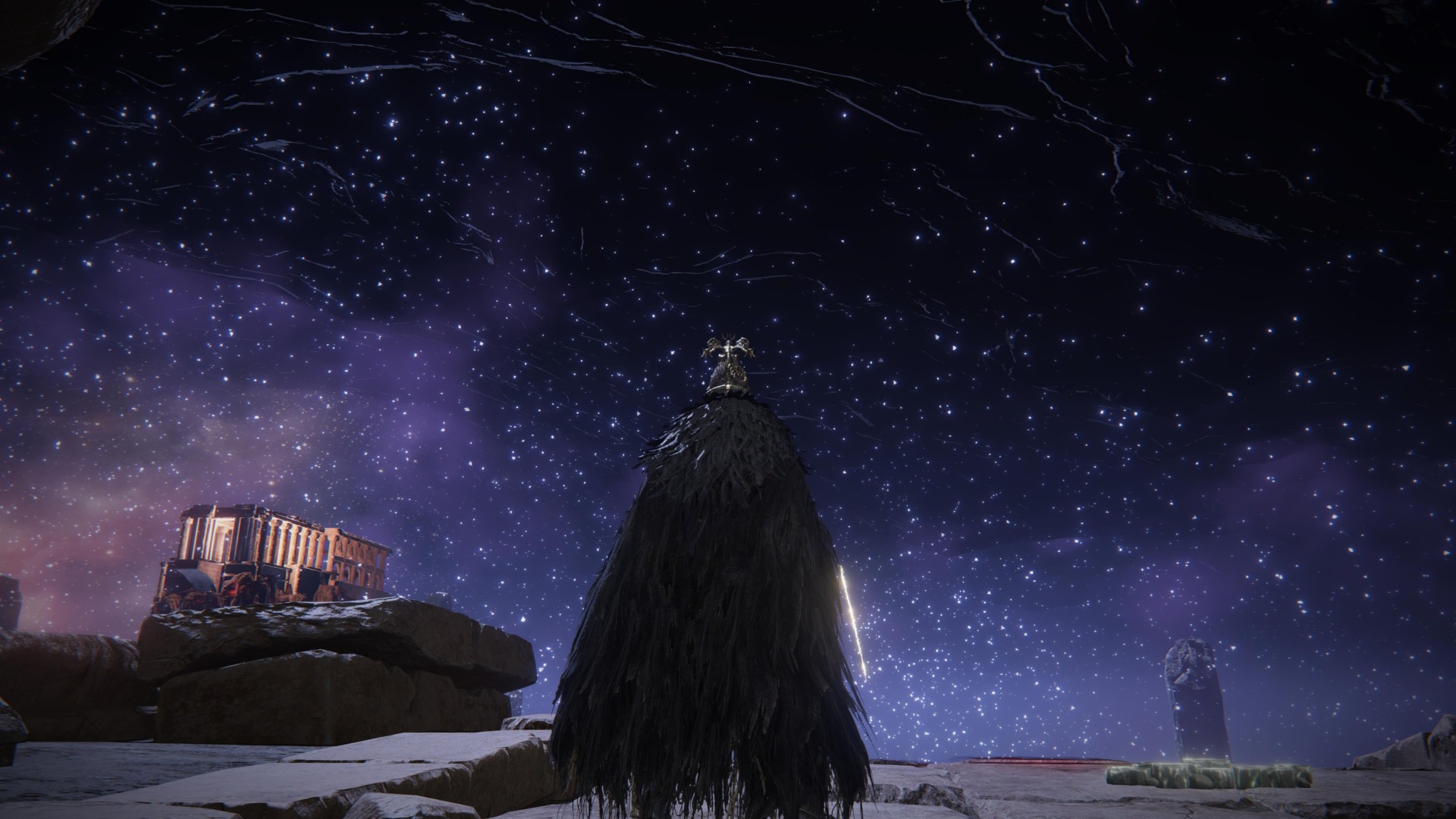
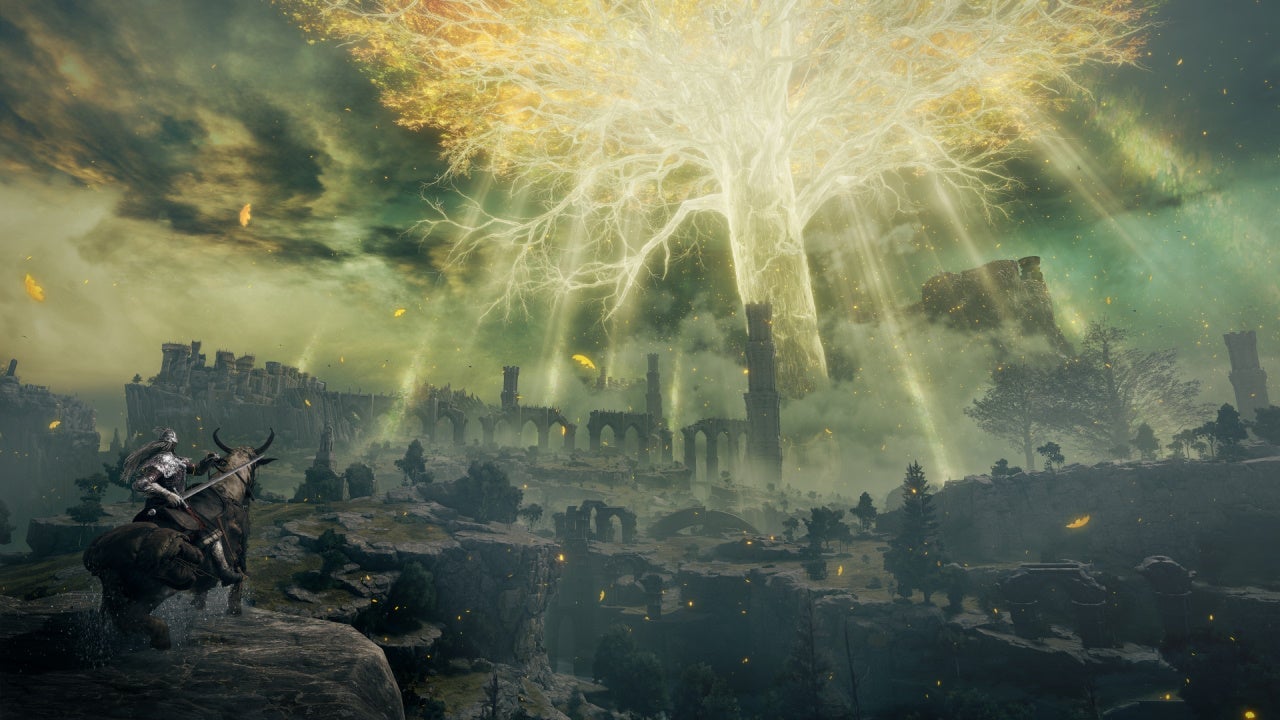
At its heart, the beauty of Elden Ring is found not in its difficulty but the little things you do between the earth-shattering boss battles. It’s about exploring every shadow-filled nook and fog-obscured cranny of the environment in search of items you’ll never use. It’s about spinning the camera just right to peek around corners and over precipitous ledges for hidden dangers. It’s about clambering into coffins that deliver you up and over underground waterfalls to caverns long forgotten by time and inhabited by eldritch creatures from beyond the stars. It’s about scaling the crags of a dead, impossibly massive dragon or the giant offshoots of a golden tree, both of which have so integrated themselves to the structures of a decaying capital city that, for centuries before your arrival, they’ve become more architecture than biology.
Elden Ring manages to pull off the miraculous feat of making you feel small yet still able to affect tectonic shifts on the world around you.
As one of the Tarnished, a group of “chosen” “undead” returning to a mythical world known as the Lands Between long after an unexplained exile, Elden Ring puts you in the position of both visitor and vaccine. The shattering of the eponymous phenomenon known as the Elden Ring resulted in the deaths of demi-gods and the dissolution of great kingdoms, leaving a huge mess for you to set right in various ways upon your arrival. Like the more desolate settings of previous Souls games, the Lands Between is a shadow of its former self, and the miserable few that remain to pick through the rubble seem to do so out of a sense of momentum rather than a concerted effort to put the pieces back together. Life doesn’t find a way to endure in Elden Ring so much as it limps forward with its eyes glued to the ground, unable to cope with the end of the world.
The best way I can describe exploring a Souls game like Elden Ring is to compare it to buying or renting a used role-playing game in the era of the cartridge. Back before progress was saved on consoles, memory cards, or magical cloud servers, playing a previously owned game meant coming face-to-face with someone else’s history. And while this mostly resulted in a few boring minutes spent wiping the cartridge’s internal memory, sometimes it provided you with the perfect opportunity to experience the end of the adventure before taking your own first steps. After paying way too much for a boxless copy of Super Mario RPG as a kid, for instance, exploring a completed save and seeing how characters reacted to the final boss’ defeat was like visiting a museum in an alternate dimension. The Mushroom Kingdom had moved on and I was merely a tourist wrapped in the digital skin of someone they used to know.
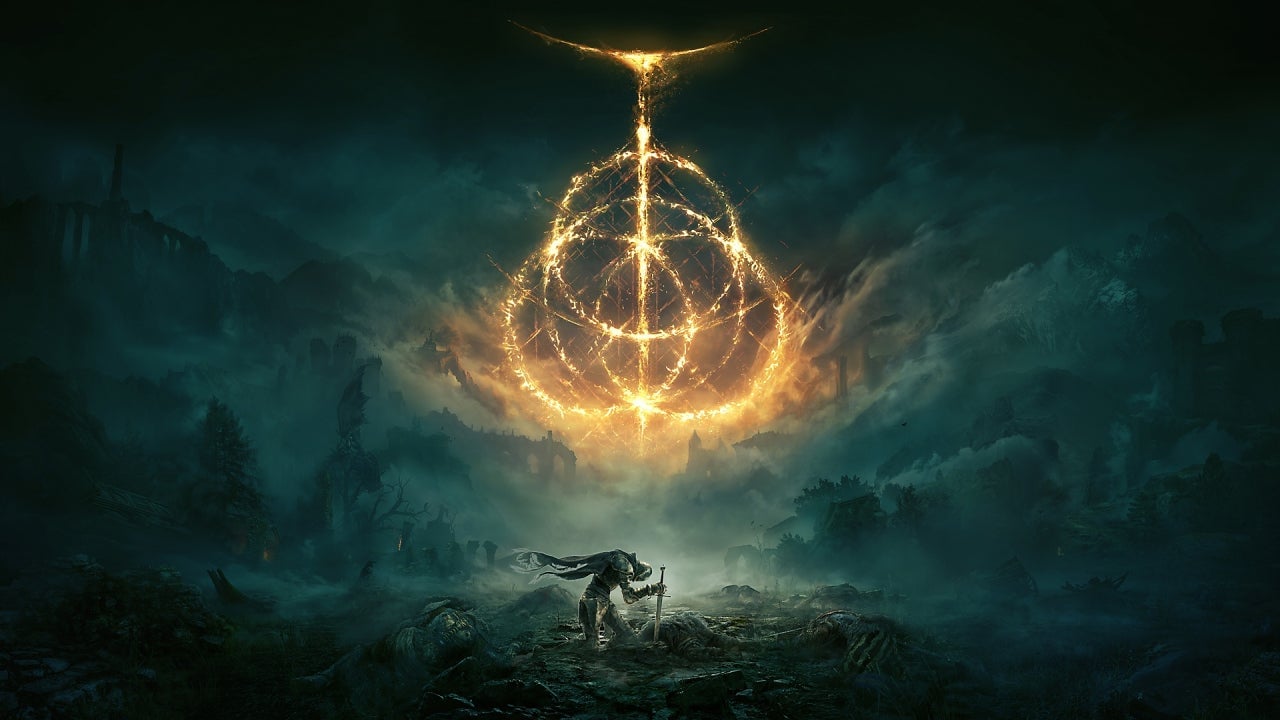
Elden Ring
-
Back of the box quote
"Great things happen when George R. R. Martin finishes a project."
-
Type of game
Open-world Souls-like
-
Liked
Ridiculous freedom, solid combat, incredible characters and storylines, mind-bending lore. It's a Souls game, folks.
-
Disliked
Frequently reused bosses, no photo mode, creativity seemed to sputter out near the end.
-
Developer
FromSoftware
-
Platforms
PlayStation 4, PlayStation 5 (played), Xbox One, Xbox Series X/S, PC
-
Release date
February 25, 2022
-
Played
90+ hours to complete most side quests en route to the ending.
This extends past story and setting into gameplay as well. Where a fresh save file in most games may beset you with tutorial pop-up after tutorial pop-up to slowly acclimate you to its challenges, Elden Ring’s lived-in world largely treats you like you’ve been here before. Sure, there’s an easily missed primer that teaches you the basics, but for the most part, it’s up to you to learn the game’s unique visual language.
Swirling airborne flecks of gold sparkles indicate the presence of semi-hidden checkpoints. Statues of hunched-over old men point the way towards catacomb-like dungeons. Magically animated rock piles mean an alternate dimension prison cell containing a mini-boss is somewhere nearby. Elden Ring does this so effortlessly and at such a microscopic scale that you’ll recognize yourself recognizing the telegraphed body language of even the least dangerous enemies and formulating counters without an inkling of when exactly you gleaned that info.
Other critics have described Elden Ring as slapstick, a sort of Arthurian legend meets Looney Tunes situation that births increasingly hilarious moments despite the game’s serious trappings. And much like allowing your brain to take a breather while you laugh at Johnny Knoxville getting kicked in the nuts, giving yourself permission to adopt the right mindset is the first step to truly appreciating what Elden Ring offers.
Accept that the game won’t always play fair. Accept that its huge input buffer will more than once make you take a swig of a healing potion when you really meant to dodge. Accept that you’ll probably get your ass kicked the minute you step outside the starting area because you, wearing only a loincloth and wielding a small club, dared to take on the swole mounted knight in the gloriously gleaming armor. Accept Elden Ring for what it is, for what FromSoftware set out to accomplish, and don’t get hung up on what it’s not. I promise that 90 percent of you will have a much better time with the game if you do. And for the other 10 percent, well, that’s okay too.
I say this compassionately and without an ounce of elitism in my heart: A work of art isn’t always meant for everyone.
Elden Ring is a love letter that may as well be written in a dead language for those unable or unwilling to bend themselves to its will. While certainly not as inscrutable as King’s Field, unforgiving as Dark Souls, or mechanically complex as Sekiro: Shadows Die Twice, the latest FromSoftware project still asks players to put up with a lot of frustration. But if they do, what they’ll find in Elden Ring is a fitting culmination to director Hidetaka Miyazaki’s decades of world-building expertise. My lengthy sabbatical in the Lands Between revealed to me a game that was as much in love with giving you something new and weird to see around every corner of its massive open world as it is with the sound of its own voice. Seriously, sentient iron balls? Giant hand monsters? A necrophiliac named Dung Eater? FromSoftware needs to chill.
Like most great works, Elden Ring is magnificently flawed, equal parts beautiful and ostentatious. In this age of cookie-cutter, paint-by-numbers, triple-A development, what more can you ask for than something wholly confident in its bullshit? Now, if you’ll excuse me, I’m only about one-third of the way through the game and would love to see at least one of its multiple endings sometime this year.