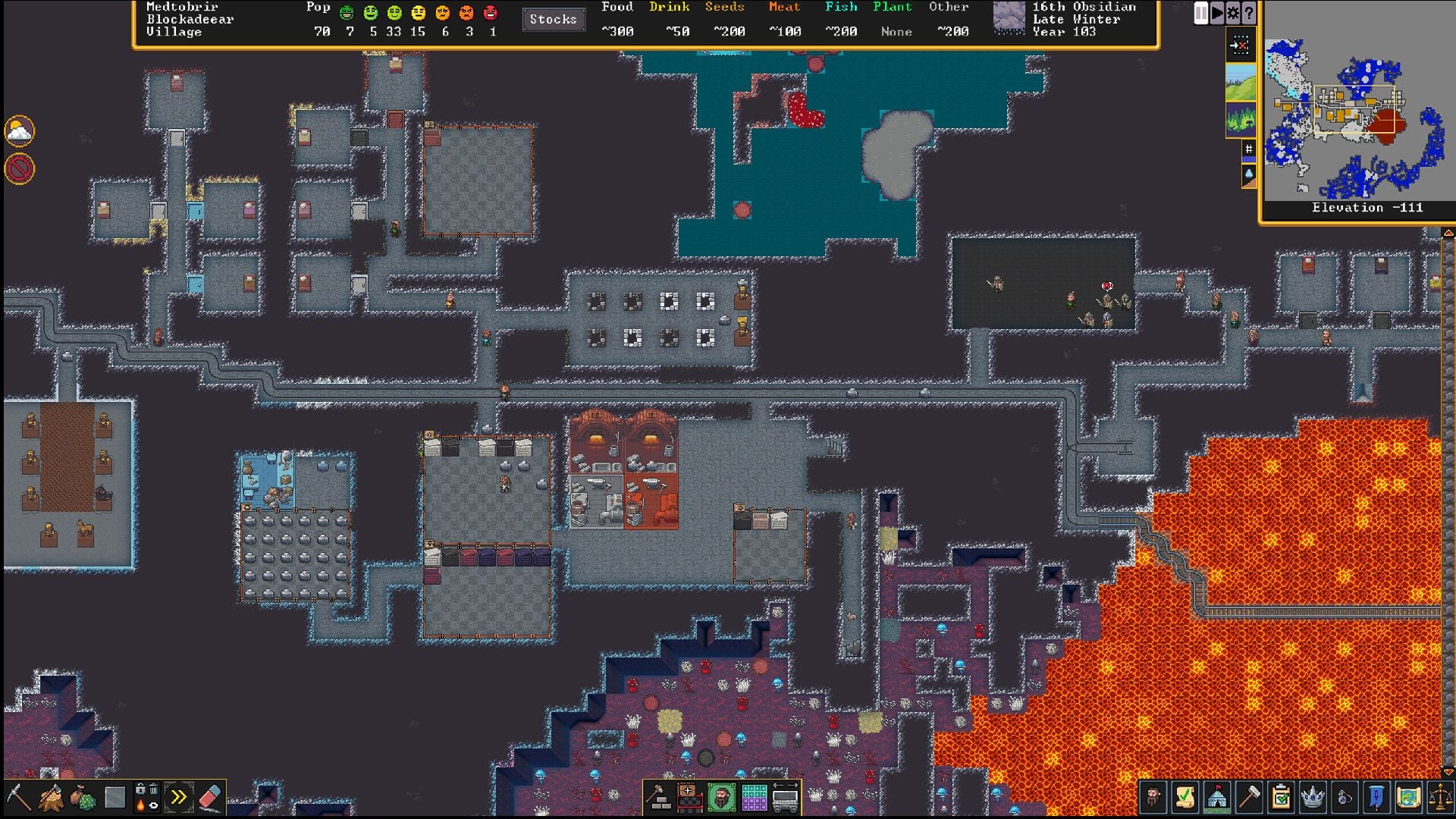
“Everyone I know, their bosses are slowly getting psychosis, right?” It’s a statement that could perhaps be universally true, but is especially appropriate for the gaming industry right now. These words were spoken by Tarn Adams, the creator of the legendary Dwarf Fortress, while speaking to PC Gamer about the tiresome role of AI during Gamescom. “They’re trying to have a CEO press a button that makes a game, and then everyone else somehow buys it without a job.”
While the majority of the gaming audience reacts most loudly and negatively toward the use of genAI for the creation or art, assets, voices or sound in video games, the reality is its use is most widespread when it comes to the underlying code. Steam declarations and public outcries really don’t seem to cover the way in which so much of coding, across all disciplines, is currently in the hands of Claude, Copilot and the like, usually due to direct pressures from company hierarchies. Or, in other words, bosses. Why spend weeks writing solid, functional code when you can just ask an LLM to botch something together for you and test it? Aside from, you know, all the immediately obvious reasons.
This is the situation Adams is speaking about when he says of bosses, “They’re just like, ‘yeah, but did you use AI on your commits?’ And [then] they’re like, ‘oh well, I’m not happy with this guy,’ you know. ‘We’ll probably have machines do the job.'” This, Adams says, “reminds me of…a fucking Dead Kennedys song or something. It’s just the same old shit. I mean, they laid off my dad from the sewage treatment plan because they didn’t understand what his job was, and he was the computer guy there, and they don’t have a company any more, so it’s…the same old shit.”
Vibe decoding
It’s a scenario that’s playing across all coding jobs, not just in games, where higher-ups are greedily fed the empty promises of AI—of a litany of ways that precious time will be saved through this new magic tool—and then impose the impossible task of realizing this on their employees. Never mind the reality that bug-testing hallucinated code can take far, far longer than just writing it in the first place, let alone the longer-term implications of software having been created in a way no one responsible for it is fully aware of; it’s just expected that Claude can do it faster so get on with it. Oh, and somehow do it using a hundredth as many tokens as it would have cost last year.
“I don’t see it going anywhere sustainable,” says Tarn Adams, “and I feel like there will simply be a pop and a reckoning and then [it’s on repeat] unless people do something else.”