The world is built on sharing. Sure, it might seem like the most counter-cultural act imaginable amidst these late-stage capitalism end-of-days horrors, but the very internet on which you’re reading these words wouldn’t exist without it. The games you play depend on it. It’s the very core of art itself. So, it’s generally a pretty good thing when games industry people remember this. Speaking of which, EA just made the code for the first four Command & Conquer games officially open source.
You may, as someone possibly young enough to have been untroubled by the Command & Conquer games in their heyday, see this as a relatively minor act. It’s really, really not. And if we’re going to be fiercely critical of EA when it does horrible things, it’s also crucial that we celebrate when the publisher does something this important.
Two primers. Firstly, Command & Conquer, or C&C as it’s mostly known to its adoring fanbase. These were a series of utterly superb real-time strategy games, sometimes the best in the medium, gloriously loved in part for their kitschy full-motion video cutscenes. The first game, in 1995, sold three million copies in a time before games really did that, and that was despite its FMV sequences starring members of the development team in the lowest-budget way imaginable.
As the series went on, these cutscenes began to star some really big names, the likes of James Earl Jones, J.K. Simmons, George Takei, Tim Curry, Jonathan Pryce, and—uh-oh—Gina Carano. The release of a new entry was always a big deal, with gaming magazines inevitably plastering them over front pages and reviews so frequently glowing. So while the name “Command & Conquer” may not mean so much in 2025, 17 years after the last decent game in the series—Red Alert 3—it remains one of the most significant franchises in gaming history.
Secondly, source codes. Any game being made publicly available for free (as in: yours to keep, copy, share forever) is to be celebrated, in an industry that usually so spitefully clings on to long-dead IPs that it refuses to sell, but still employs lawyers to prevent being accessible. But releasing a game’s source code is next level. This is not the game itself, as in a thing to boot up and play, but rather the flesh and bones that makes the game exist. It’s all the secrets. It offers developers the ability to see exactly how a game was put together, read all the hilariously botched bits of code the devs strung together in desperation to get a game out the door, and learn how the best in the business constructed their games.
Very few games publishers ever allow access to a game’s source code, even if they’re willing to let a game be freely shared. It’s not always possible—code is lost or difficult to put all in one place, and licenses can be nightmarish. But even when it is easily doable, it’s still a rarity. Often this is simply because developers are desperately embarrassed, horrified at the idea of their peers learning just how precariously held together their code proves to be, even though that’s the case for absolutely everyone else’s work too! Also, people are shitty, and there’s always grim hostility as code is judged by people who couldn’t do better. Sometimes it’s because sharing source code can give people the impression that you’re also now available for tech support, there to answer every question about every detail, and no one wants or needs that. But too often it’s because of a belief that these are industry secrets, precious treasures that must be sat upon for all of time lest a rival do something so inhumanly awful as copy
So, given all this context, this move by EA is really significant, and incredibly welcome. Because going “open source” is even bigger than has already been suggested. Publishing the code under the GPL license means that absolutely anybody is now allowed to take that code, make even minor changes to it, and then sell it for profit! Clearly, not many would pay for such low-effort output, but that’s the core of the principle here. It’s the same basis on which Linux distributions are published, along with all the free software that runs on it. It’s free, open code, there for the wider public to learn from, adapt, and reinterpret.
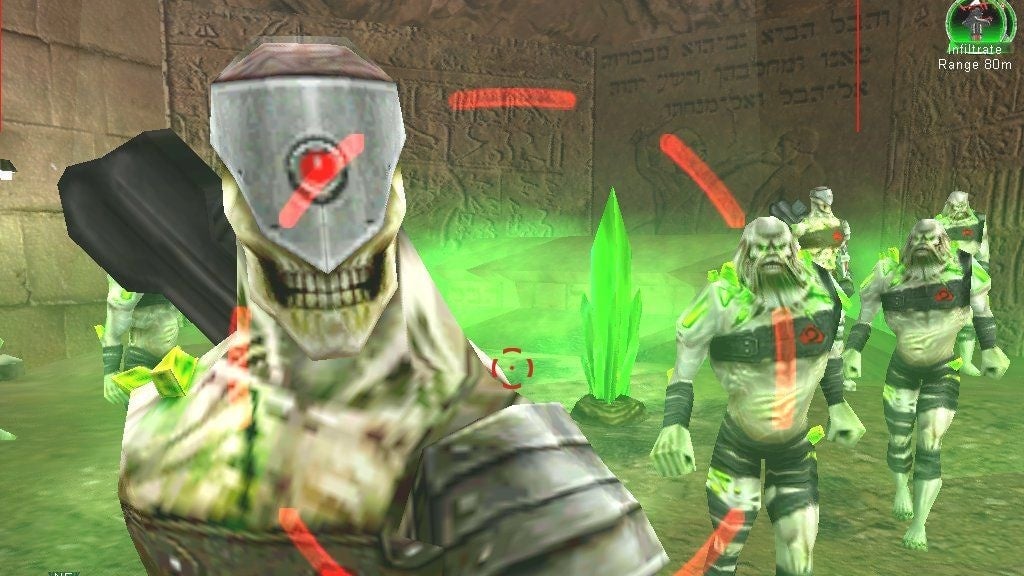
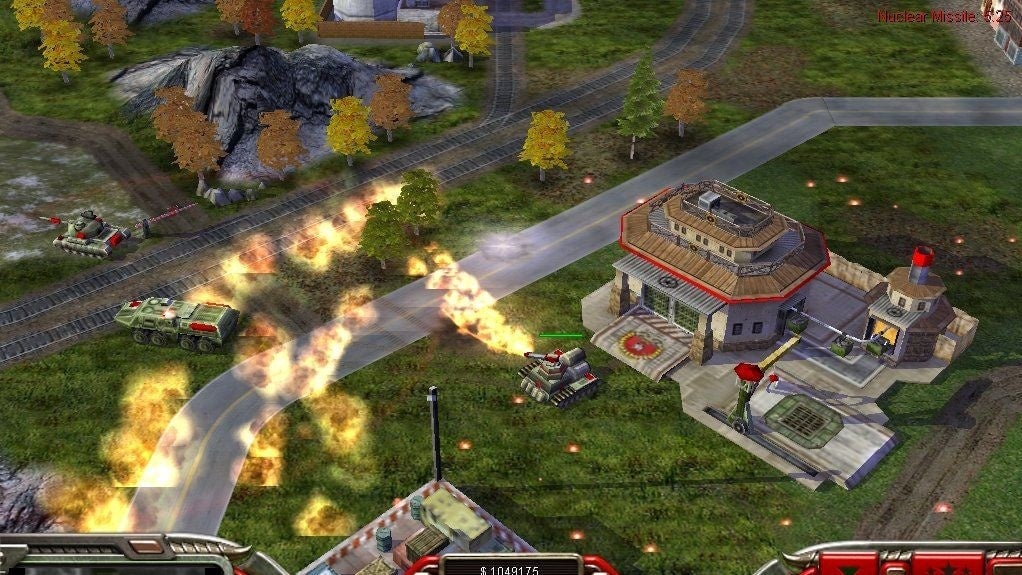
The four games now having their code published under the GPL are Command & Conquer, C&C: Red Alert, C&C: Renegade (a first-person shooter!), and C&C: Generals
EA isn’t alone here, of course. id Software was known for many years for publishing the source code for its games a few years after release. (Unfortunately id, now owned by Microsoft, doesn’t seem to have any interest in continuing the trend.) Epic, another company built in the ‘90s on principles of shareware and shared code, also releases older versions of the Unreal Engine, as well as games like Unreal and Unreal Tournament
What makes this Command & Conquer move quite so striking is that it’s EA doing it. They’re not exactly a company known for, let’s say, loving acts of kindness. In more recent years, the publisher has become synonymous with the lowest aspects of video gaming, from forcing its games to be played with an internet connection before the era of widely-available broadband, to gacha awfulness with its gambling-adjacent loot boxes. In fact, the C&C name itself was run into the ground until it was all but worthless after EA forced in always-on DRM to hastily made sequels and released terrible free-to-play mobile versions.
But, soft! What light through yonder window breaks? Is this a crack in their tough, outer veneer? A sign of a future EA that is interested in games preservation, and the open and free sharing of intellectual property from which it no longer has a means to meaningfully profit? Because dear God, I hope so.
And I hope other publishers sit up and take notice about how we’re all now making cooing noises and scratching EA under its chin, rather than simply scowling at it. This should be normal! It’s essentially free to a publisher—you just stick the source code on Github and eat your lumps. Somehow one of the most controversial things I ever wrote was suggesting that games should go into the public domain a full 20 years after their first release, despite this seeming like the most sensible, industry-boosting action possible, at a point when publishers are no longer making real money from the original versions. OK, so in the case of most the games being made available here, we’re talking closer to 30 years. But I’ll take it!
So come on, everyone! A revolution! EA, give us the source code for Sim City 2000! LucasFilm, hand over Day of the Tentacle! Activision, share MechWarrior 2 with everyone! Just imagine the learning resources that could be out there, the archive of code for the most important games of past generations, and the absolute assurance of their preservation for the future.